
Winter Home Renovation: Cozy Indoor Projects
Make the most of indoor winter months with renovation projects. Lighting updates, cozy additions, and functional improvements.
RoomRenovation.AI Team
Updated March 24, 2026
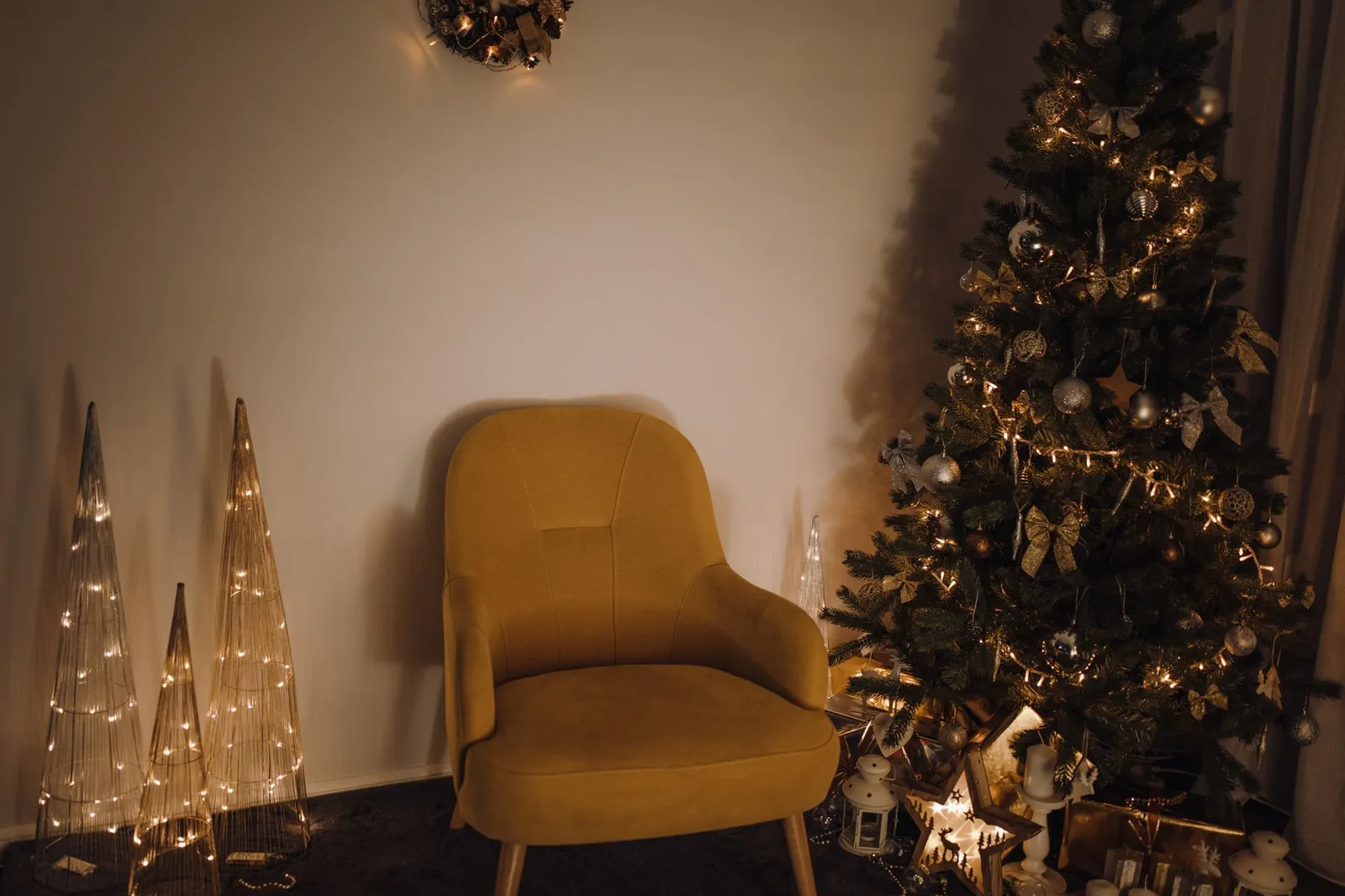
Winter is the most underrated home renovation season for interior projects. While contractors are harder to book in spring and summer — and outdoor projects are impossible when temperatures drop — the quiet months between November and March are ideal for the indoor upgrades that have the most effect on how your home feels to live in day to day. Lighting improvements, cozy material upgrades, layout refinements, and targeted functional fixes are all better undertaken now, when you're spending more time inside and noticing exactly what bothers you about each room.
Why Winter Is Actually a Good Time to Renovate Indoors
There are practical advantages to winter renovation that most homeowners overlook:
- Contractor availability: General contractors, electricians, painters, and flooring installers are typically more available and more negotiable on pricing between January and March than during the spring and summer peak demand period
- You're home more: You spend more time indoors in winter, which means you notice — and feel — every imperfection more acutely. This makes prioritization easier and motivation higher
- No disruption to outdoor life: Projects that would interrupt summer entertaining or backyard use can proceed without that concern
- Material selection is calm: Tile showrooms, furniture stores, and lighting suppliers are less busy, meaning more attentive service and time to make deliberate decisions
The catch: winter is not the time for projects that require extensive ventilation (strong-smelling paints, stain strippers, resin applications) or that open the building envelope for extended periods. Work with the season, not against it.
Lighting: The Highest-Impact Winter Project
More than any other season, winter exposes the quality of your artificial lighting. When you're arriving home in darkness and spending 14 or more hours per day under artificial light, bad lighting is not a minor inconvenience — it's a significant factor in mood, comfort, and how inviting your home feels.
Audit Your Current Lighting
Walk through each room after dark and identify:
- Rooms that feel flat or institutional — usually a sign of a single overhead source with inadequate side fill
- Rooms that feel dim in the corners — ceiling-centered fixtures don't reach the perimeter effectively
- Cool, blue-white bulbs (above 3000K) that make warm paint colors look muddy and skin tones unflattering
- Absent or inadequate task lighting in kitchens and home offices
The Lighting Upgrade Hierarchy
In order of impact per dollar spent:
- Replace bulbs with warm (2700K–3000K) LEDs. This single change, at $3–$8 per bulb, transforms how every room reads. Many homes are still running 4000K or 5000K "daylight" bulbs that make spaces feel clinical and cold.
- Add dimmers. A dimmer switch installed for $20–$50 allows you to drop from work-mode lighting to evening-ambiance lighting in seconds. Dimmers are one of the highest comfort-per-dollar investments in a home.
- Add floor and table lamps. Most rooms have too little side light and too much overhead light. A floor lamp in a dark corner and a table lamp on a side table shift a room from flat and bright to dimensional and inviting — no electrical work required.
- Upgrade a statement fixture. Replacing a builder-grade overhead fixture with a chandelier, pendant cluster, or architectural surface mount is the lighting equivalent of replacing a builder-grade faucet — dramatic visual upgrade, usually DIY-accessible with basic electrical skill.
Cozy Material Upgrades
Winter is the season when tactile quality in a home matters most. Switching to denser, warmer, higher-quality textiles is a relatively low-cost transformation with immediate sensory impact:
Bedding
A quality winter duvet or comforter in a natural fill (goose down or down-alternative) makes an immediate difference to sleep comfort and bedroom ambiance. Linen or heavy cotton percale in warm whites, deep dusty blues, or warm terracottas reads differently under winter light than summer-weight bedding. Replace the bedding before anything else in a bedroom winter project.
Area Rugs
Bare floors are appropriate in summer; in winter, they're cold and acoustically harsh. A wool, jute, or high-pile synthetic rug in the main living areas dramatically changes both the thermal quality and sound character of a room. A well-chosen rug in a living room can make the space feel complete even without any other changes.
Window Treatments
A surprising number of homes have single-layer or sheer-only window treatments that do nothing to block heat loss or drafts in winter. Replacing or supplementing sheers with heavier drapes — in velvet, chenille, or heavyweight linen — reduces heat loss, blocks drafts from window glass, and adds warmth to the room's visual register simultaneously. For maximum energy effect, hang drapes from ceiling height to floor level, with panels wide enough to fully cover the window plus 6–8 inches on each side when open.
Throw Blankets and Cushion Covers
Swapping summer cushion covers (linen, cotton voile) for winter equivalents in velvet, wool bouclé, or heavy knit changes the sensory character of upholstered furniture at minimal cost. A generous-sized wool or cashmere-blend throw on each seating area is functional (actually used) and visually anchoring.
Functional Winter Projects: What to Fix Now
Winter living exposes functional deficiencies you might overlook in more casual months:
Entryway Organization
Winter generates the most entryway chaos — coats, boots, bags, umbrellas, scarves — and most homes are woefully underequipped to manage it. A proper mudroom or entry organization system (hooks at two heights for adults and children, a bench with storage underneath, boot trays, a shelf for frequently used items) is one of the highest quality-of-life investments in a house with active residents. It doesn't require major construction — wall-mounted hook panels and a freestanding storage bench can be installed in an afternoon.
Home Office Upgrade
More people work from home in winter months — school holidays, inclement weather, preference for warmth. If your home office setup is adequate in theory but genuinely uncomfortable to use for more than an hour, winter is the time to address it: better task lighting, an ergonomic chair, cable management, acoustic treatment, or a small space heater on a timer.
Kitchen Cabinet Hardware Refresh
Updating cabinet pulls and knobs — a two-to-four hour project requiring only a screwdriver — transforms the look of a kitchen or bathroom more dramatically than you'd expect. The labor cost is zero; the material cost for a full kitchen in quality hardware is typically $150–$400.
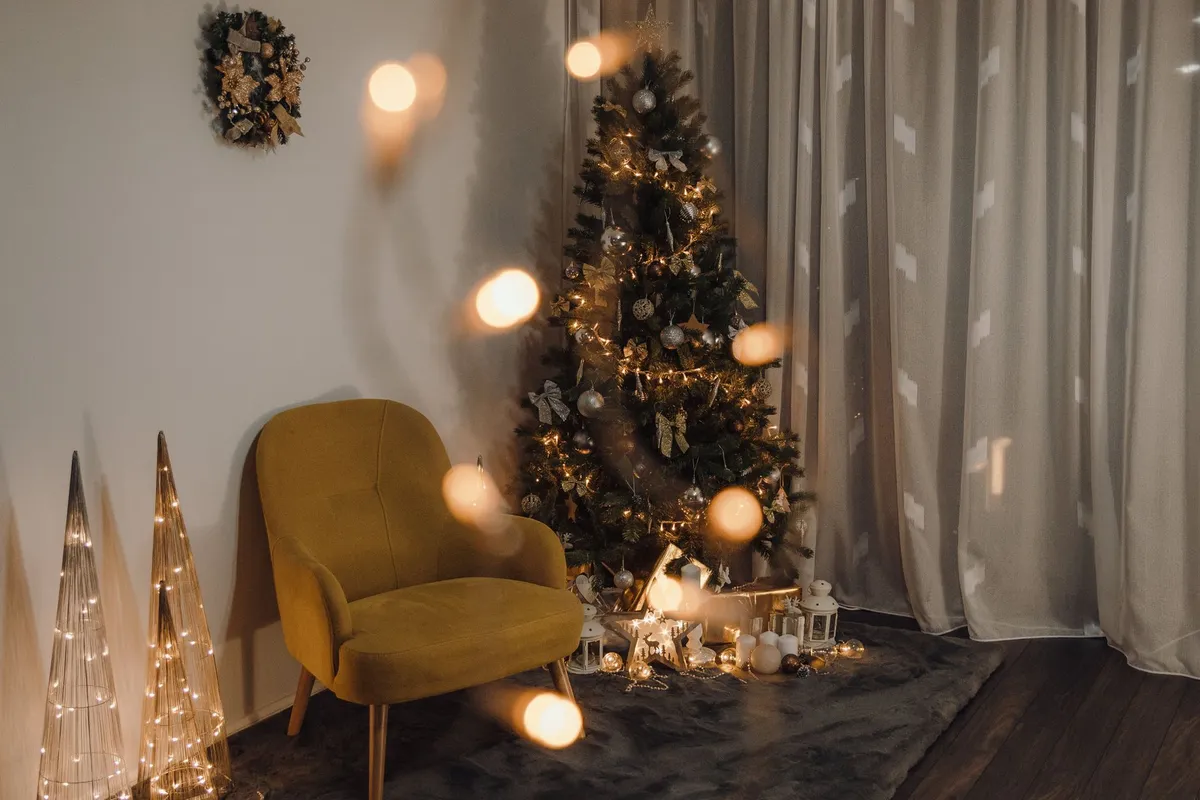
Paint Projects: Winter Timing Considerations
Interior painting can be done in winter with some precautions:
- Temperature: Keep rooms above 50°F during application and drying (most paint manufacturers specify 55°F minimum). Cold slows curing time and can cause adhesion failure at the low end.
- Ventilation: Open windows briefly during application — even in cold weather — to prevent VOC buildup, then close to maintain temperature for curing.
- Low-VOC paint: Low and zero-VOC formulations are especially appropriate for winter projects when ventilation is more limited.
- Humidity: Winter air is typically dry, which is generally favorable for paint drying. Central heating can create very low humidity, which can occasionally cause adhesion issues on unsealed surfaces — ensure surfaces are properly primed.
Winter is actually an excellent time to paint rooms you use most in summer — you're disrupting them less when you're less likely to want to use them for entertaining.
Bathroom Projects: High Comfort Return
Bathroom improvements land differently in winter than in summer. A heated towel rail, a quality exhaust fan with integrated heater, a better shower head, and good task lighting at the vanity go from appreciated to genuinely essential. None of these are large renovation projects:
- Heated towel rail installation: $200–$600 including the fixture and basic electrical hookup
- Exhaust fan with heater replacement: $150–$350 for a quality unit, $200–$400 installed
- Better shower head: $50–$200 for a quality handheld or rain style, DIY-installable in 20 minutes
- Vanity lighting upgrade: $75–$300 for the fixture, $100–$250 for an electrician to install if needed
For a full budget bathroom renovation plan, see our bathroom renovation cost guide, which covers everything from cosmetic refreshes to full gut renovations.
Plan Your Spring Renovation Now
Winter is also the ideal time to plan and visualize the larger renovation projects you want to execute in spring and summer. Using AI room design tools to test paint colors, furniture configurations, and style directions is a zero-cost, zero-disruption way to arrive at spring with a clear plan rather than starting from scratch when contractor schedules are already filling up.
Try it now: upload a photo of any room at RoomRenovation.ai and generate a free AI render in a different style. If you're planning a living room renovation for spring, try the living room design tool. For kitchen planning, see the kitchen room tool. Full access starts at just a few dollars, making it easy to try multiple rooms and styles before committing to anything.
FAQ
What indoor renovation projects should I avoid in winter? Avoid projects that require significant ventilation — epoxy floor coatings, oil-based stains and varnishes, solvent-based adhesives, and spray finishes — unless you can maintain adequate airflow without losing too much heat. Also avoid projects that require the exterior envelope to be open for extended periods, like window replacement in very cold climates, unless a professional is managing the thermal continuity.
Is winter painting really okay for quality results? Yes, with the temperature and humidity precautions noted above. Latex (water-based) paint is most sensitive to cold; water-based applications below 50°F can fail to cure properly. Oil-based paints are more cold-tolerant but have higher VOC and ventilation requirements. For most homeowners using modern low-VOC latex paint in a heated interior, winter painting is entirely practical.
How much does a complete living room lighting upgrade typically cost? A full lighting upgrade — new statement fixture, dimmers on all circuits, two floor lamps, and two table lamps — typically costs $400–$1,200 for the fixtures, plus $200–$500 for a licensed electrician if you need new circuits or dimmer installation. Bulb replacements alone (swapping to warm LEDs throughout) typically cost $50–$150 for a full home and can be done in an afternoon.
What's the best way to make a rental apartment feel cozy in winter without renovating? Textiles first: a good area rug, heavier curtains, and quality throw blankets transform the sensory experience of a rental. Then lighting: smart bulbs and plug-in floor lamps don't require any installation. A few plants and personal objects complete the picture. None of these require landlord permission and all travel with you when you move.