
Fall Home Refresh: Cozy Updates for the Season
Prepare your home for fall with cozy renovations. Warm colors, improved lighting, and comfort-focused design updates.
RoomRenovation.AI Team
Updated March 24, 2026
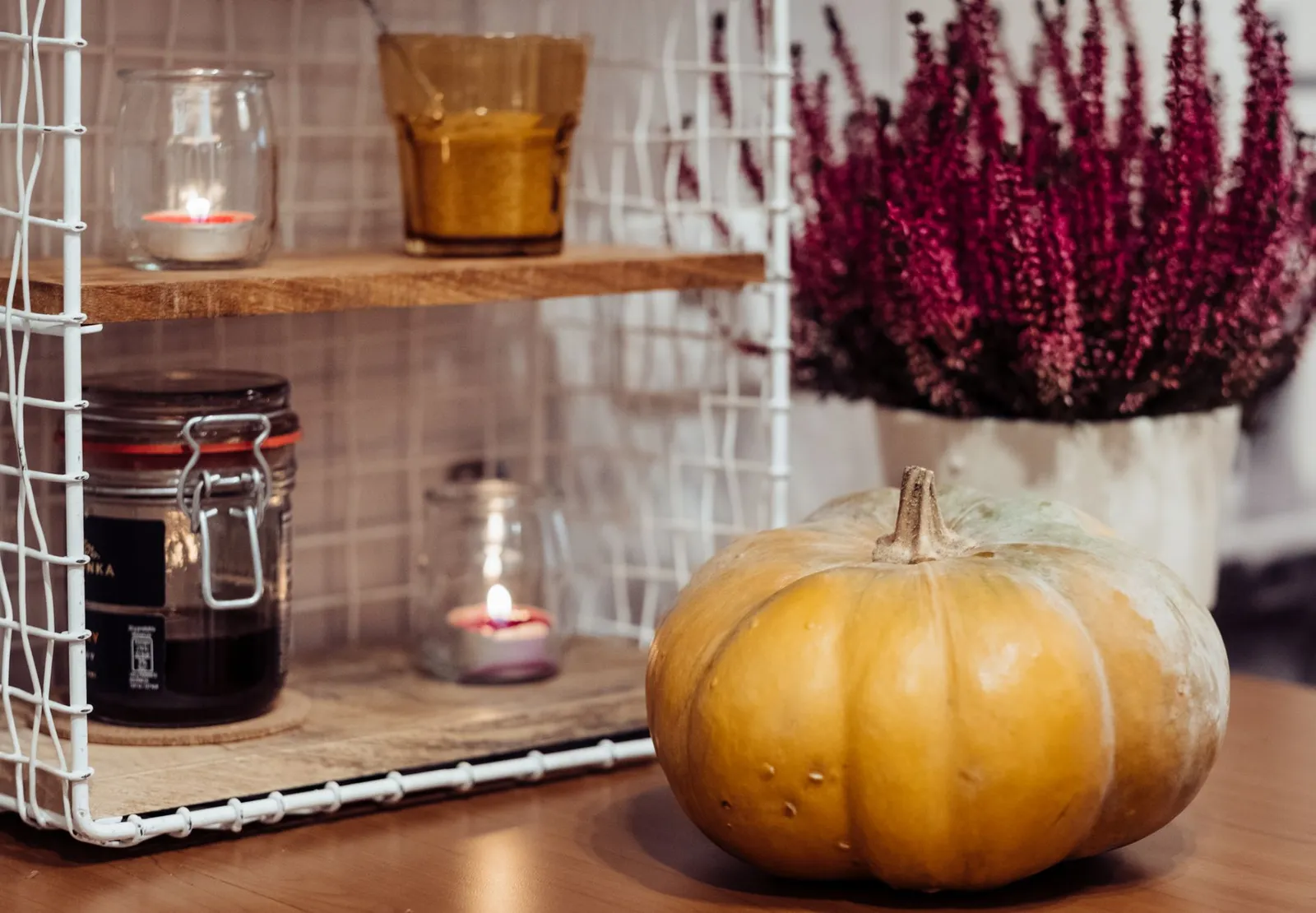
A fall home refresh doesn't require a renovation budget or a weekend of heavy labor. The most successful seasonal updates are targeted, reversible, and carefully chosen — a few well-placed changes that shift the entire character of a room from the light, airy quality of summer toward something warmer, richer, and more sheltering as temperatures drop. This guide covers the specific updates that deliver the highest seasonal impact across every room in the house, organized from no-cost to meaningful investment.
The Design Logic Behind a Fall Refresh
Seasonal interior updates work because human beings are wired to respond to environmental cues that align with the natural world. When your interior environment echoes what's happening outdoors — warmer colors, heavier textures, lower and warmer light — you feel more comfortable and at home in it. The inverse is also true: a space that stays in summer mode (light cotton curtains, bright overhead lighting, cool-toned accessories) during October and November creates a subtle but persistent sense of mismatch that affects how people feel in the space without being able to identify why.
The goal isn't to cover every surface in pumpkins and fall leaves. That's seasonal decoration, which has its place and then needs to be stored. A genuine fall refresh changes the room's material character — heavier fabrics, warmer light, richer colors — in ways that serve the space for the full October-through-February season.
Start With Light: The Fastest Fall Update
Before buying a single candle or pillow, change the light in the rooms where you spend evenings. Summer light is bright and cool — it mirrors long days and high sun. Fall and winter light should be warm and lower in intensity, mirroring the shorter days and lower angle of the sun.
Lighting Updates for Fall
- Replace cool-white or daylight bulbs: If your main living room, kitchen, or bedroom fixtures have 4000K or 5000K bulbs, replace them with 2700K warm white LEDs. This single $20 change will be the most impactful thing you do. The room will feel immediately warmer, cozier, and more inviting.
- Dim what you have: Most overhead light fixtures are simply too bright for evening use. If you don't have dimmers, use the floor and table lamps you already own as your primary light sources and turn overhead fixtures off or to minimum. The effect is transformative.
- Add candles: Pillar candles in glass hurricanes, taper candles in simple holders, or LED flame candles (the good ones are remarkably convincing) on a coffee table, mantel, or dining table. Candles are among the oldest ambient lighting tools for good reason — no technology has improved on their quality of light.
Textiles: The Seasonal Wardrobe of Your Home
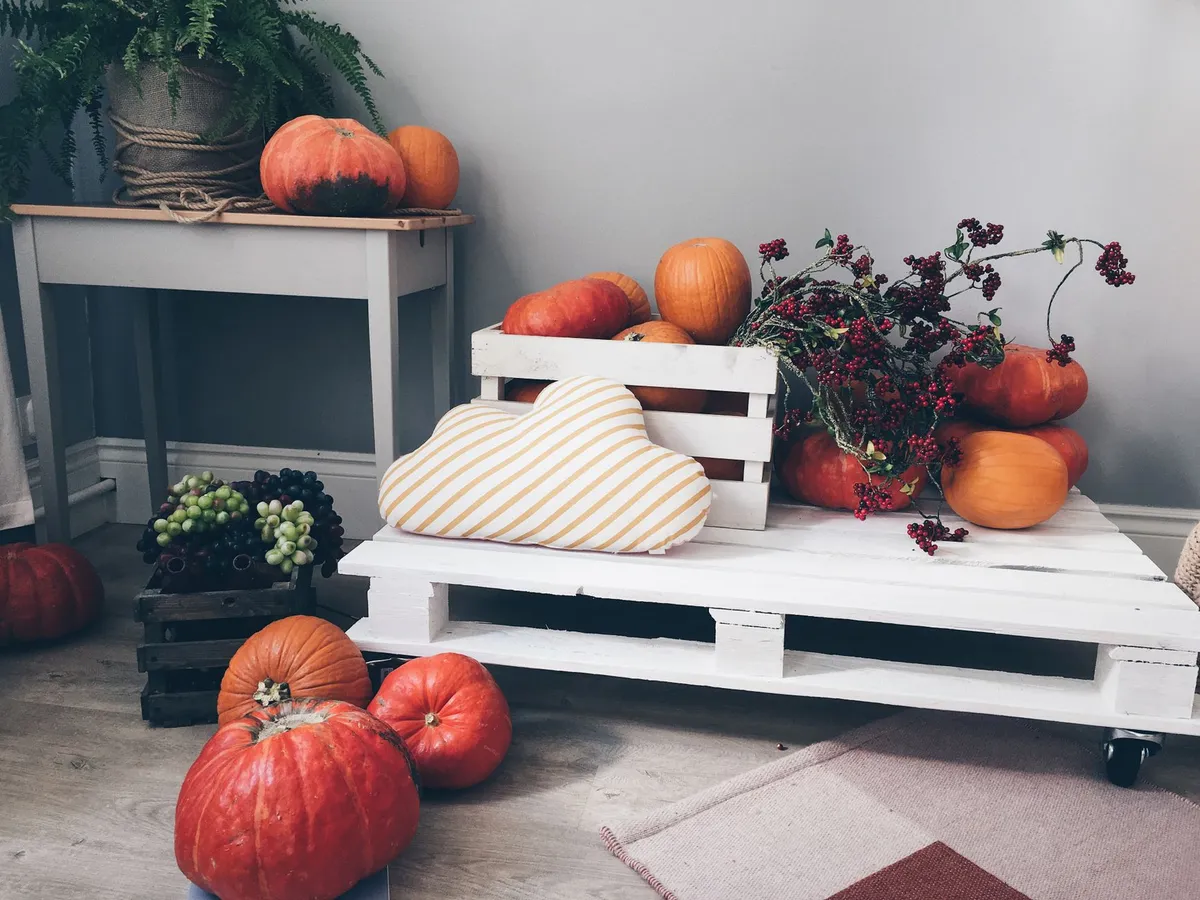
If lighting is the fastest fall change, textiles deliver the most comprehensive seasonal shift. Just as you swap your personal wardrobe when seasons change, swapping or layering seasonal textiles changes the room's character efficiently and reversibly.
Living Room Textile Updates
- Swap lightweight cotton throw pillow covers for velvet, chenille, or boucle covers in terracotta, rust, mustard, forest green, or burgundy ($15–$30 per cover; buy covers only, not full pillows)
- Add a chunky knit or wool throw blanket over the sofa arm — this signals coziness visually even before anyone uses it ($35–$80 for quality)
- Layer a smaller patterned rug over your existing area rug, or transition to a heavier wool or jute rug if you've been using a lighter summer option ($80–$350 depending on size)
Bedroom Textile Updates
- Pull out your heavier duvet or add a quilt at the foot of the bed for layered warmth
- Swap to a warmer-toned duvet cover — linen stays year-round for many people, but moving to a flannel or denser cotton cover in a deeper tone shifts the bedroom's seasonal character noticeably
- Add a bedside rug if your floors are hard — cold floors undermine the cozy atmosphere of every other update
Color: Seasonal Accents Without Repainting
Repainting a room for fall isn't practical or necessary — but introducing fall color through accessories, textiles, and plants shifts the palette effectively without permanence.
Fall Color Accents That Work
The fall colors that read as sophisticated rather than seasonal-decoration-store-generic are rooted in nature rather than in retail holiday palette decisions:
- Terracotta and rust: Ceramic vessels, candle holders, throw pillow covers in these tones feel genuinely autumnal and year-round elegant
- Forest and sage green: Especially effective as plant colors — a new fiddle-leaf fig or pothos placement in a warm ceramic pot adds fall green without any decoration effort
- Cognac and amber: Glass vessels, brass hardware, leather accessories in amber tones reinforce warm fall light beautifully
- Deep burgundy and wine: For throw pillow covers, a vase, or table linens — adds richness without going seasonally obvious
A practical approach: buy one ceramic vessel in terracotta, one set of throw pillow covers in a fall tone that suits your existing furniture, and one bundle of dried botanicals. These three additions to your existing room will accomplish most of the fall color shift you need.

Plants and Botanicals for Fall
Live plants are underused as seasonal design tools. Fall is a good time to add plants to your interior for practical and aesthetic reasons — indoor air quality benefits increase as windows close for winter, and the greenery of living plants creates a warmth-and-life quality that complements the richer colors and textures of fall design.
Good fall plant additions:
- Pothos and philodendron: Low-light tolerant, fast-growing, and reliably beautiful in ceramic pots
- Snake plants (sansevierias): Sculptural, very low maintenance, excellent in darker corners
- Rubber tree: A bold statement plant that adds height and presence to a room corner
- Mums (chrysanthemums): Short-lived but densely beautiful; use them as a seasonal color statement on a porch or coffee table
Dried botanicals — pampas grass, dried cotton stems, fall branches, dried wheat — add seasonal texture and can be found at craft stores and farmers markets for $15–$40 per bundle. Unlike live plants, they last for months without any care.
Kitchen and Dining Fall Updates
The kitchen and dining area express fall most naturally through seasonal food culture — harvest vegetables as decoration, warm-toned table settings, and the scent of cooking. These updates cost almost nothing and connect your environment to the actual season outside.
- Display seasonal produce: A bowl of pomegranates, winter squash varieties, Bosc pears, or small gourds on the counter or table is genuinely beautiful and edible. Cost: $10–$20 at a farmers market or grocery store.
- Swap table linens: A woven or linen runner in a warm tone, cloth napkins in terracotta or oatmeal, and simple ceramic holders replace summer's lighter options ($25–$60 for a coordinated set)
- Add warmth to the kitchen counter: A small bunch of dried botanicals, a wooden cutting board displayed vertically, or a group of ceramic vessels in warm tones — a simple, functional still-life arrangement
Using AI to Visualize Your Fall Refresh
One of the most useful applications of AI room visualization for seasonal updates is testing whether specific color combinations work in your actual room before committing to them. You might love rust orange in theory and discover that it actively clashes with your existing sofa fabric — or you might find that forest green you were uncertain about looks perfect against your wall color.
Upload a photo of your current room to the RoomRenovation.ai dashboard and generate a fall-refresh version. The render will show your specific room with warm-toned accessories, heavier textiles, and fall lighting applied — not a generic showroom but your actual space transformed. Try multiple color directions (terracotta versus burgundy versus forest green) and identify which genuinely suits your existing furniture before spending anything.
The free render is available without subscription. The examples gallery shows fall updates across room types and styles for additional inspiration. For more substantial fall renovations — painting a room a richer color, updating a kitchen, or adding a fireplace — the relevant cost guides provide 2026 budget ranges.
Complete Fall Refresh Checklist
Under $50
- Replace cool-white bulbs with 2700K warm white in living and dining rooms
- Display a seasonal produce arrangement on the kitchen counter or table
- Add a bundle of dried pampas grass or autumn branches to an existing vase
- Pull out any warm-toned blankets or throws you already own and stage them on seating
$50–$150
- Buy 2–3 velvet or chenille throw pillow covers in fall tones ($15–$30 each)
- Add 2–3 pillar candles with simple holders to your coffee table or mantel ($20–$40)
- Pick up one new ceramic vessel in terracotta for a side table or shelf ($15–$35)
- Add one new plant in a warm-toned ceramic pot ($20–$45)
$150–$400
- Invest in a quality chunky knit or wool throw blanket ($45–$80)
- Add a small area rug or layer a second rug to warm up hard floors ($80–$200)
- Switch table linens — runner, cloth napkins, ceramic placemats ($40–$80)
- Add a floor lamp to a seating corner ($60–$120)
FAQ
When should I start a fall home refresh? Late August through mid-September is ideal — early enough to enjoy the full season's atmosphere, late enough that the shorter evenings and cooler temperatures make warm textiles feel timely.
How do I prevent fall decor from looking cheap or clichéd? Stick to natural materials (ceramic, wood, jute, wool, dried botanicals) rather than plastic or synthetic decoration. Limit yourself to 2–3 fall tones rather than using all of them simultaneously. Prioritize texture over motif — a terracotta vessel says "fall" more subtly and elegantly than a leaf-print pillow.
Can these updates be used alongside other design styles? Yes. Fall refreshes work within any style framework — Scandinavian, modern minimalist, industrial, or bohemian. The seasonal layer adds warmth and texture without overriding the style direction already established in the room.
What's the most common fall refresh mistake? Overbuying seasonal decorations that have to be stored in January. The most effective fall updates are items that stay useful year-round — quality throw blankets, ceramic vessels, plants, and warm lighting — with a few reversible seasonal accents layered on top.
How much should a fall home refresh reasonably cost? A meaningful refresh that genuinely changes the felt quality of your main living spaces: $80–$250 for most homes. More than that and you're in renovation territory — which may be the right call if you've been wanting to make changes anyway. See the pricing guide for how AI visualization helps plan larger updates cost-effectively.