
Spring Home Renovation: Fresh Starts for Your Space
Embrace spring with these renovation tips. Lightening up spaces, outdoor improvements, and seasonal design updates.
RoomRenovation.AI Team
Updated March 24, 2026
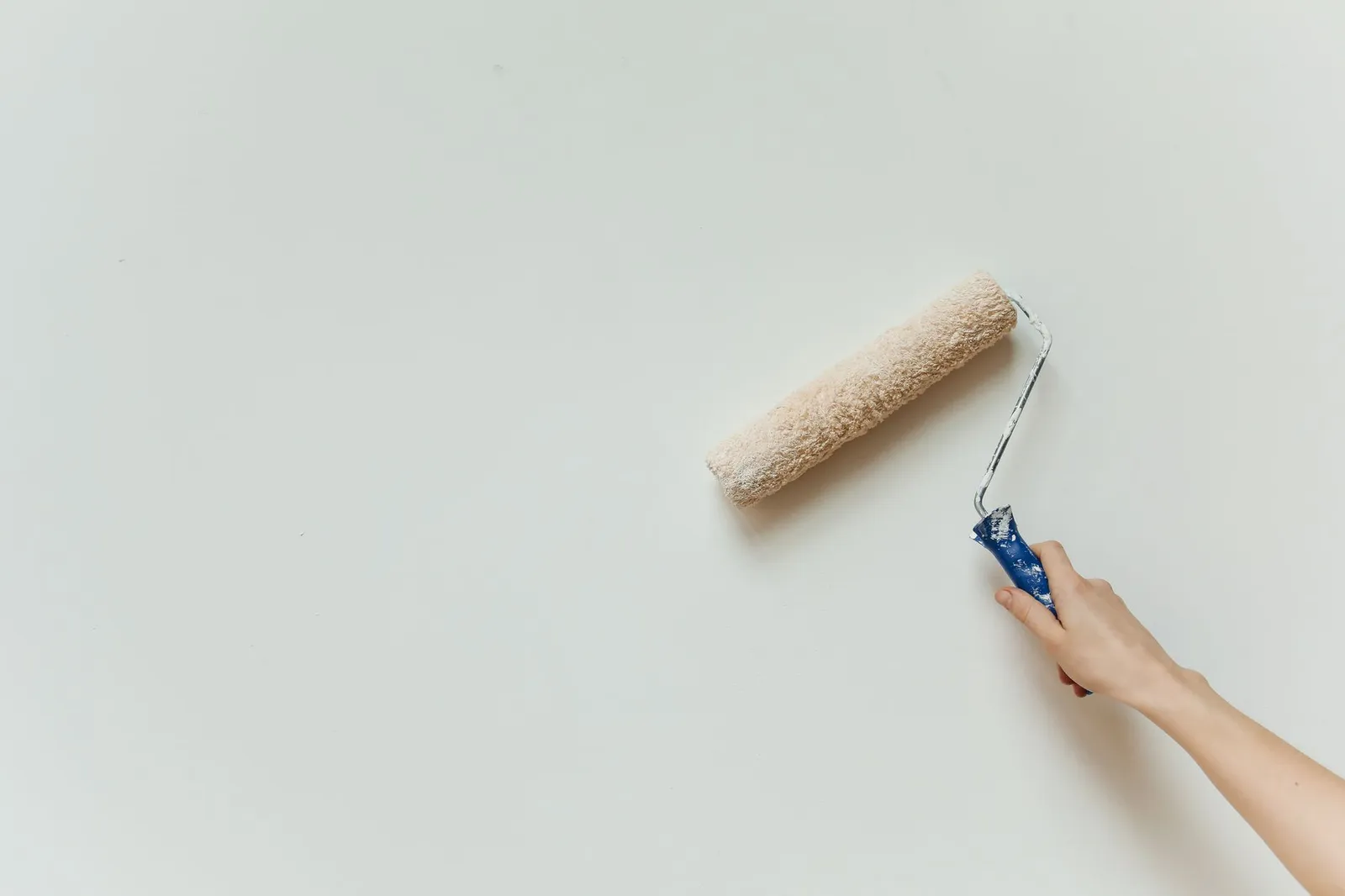
Spring is the most productive season for home renovation for a practical reason: the combination of mild temperatures, longer days, and post-winter clarity about what's working and what isn't creates natural momentum. Whether you're addressing maintenance that winter revealed, freshening interiors that feel heavy after months of closed windows, or starting a project that needs dry weather to complete, spring offers the best conditions for both indoor and outdoor work. These tips prioritize interventions with the highest return on investment — visually, functionally, and in terms of long-term home health.
Start with a Spring Home Audit
Before buying paint or scheduling contractors, walk through the house with a fresh perspective — ideally after a few days away — and note what immediately registers as a problem, what feels dated, and what's working. The exterior audit is especially important after winter: inspect the roof for missing or lifted shingles, check gutters and downspouts for debris and separation, look for foundation cracks that appeared or widened over freeze-thaw cycles, and examine exterior caulking around windows and doors for cracking. Water intrusion is the most expensive problem a home faces, and spring is when it reveals itself most clearly.
Interior Spring Checklist
- Test smoke and carbon monoxide detectors; replace batteries if needed
- Check HVAC filters and schedule a service call before summer cooling season begins
- Inspect under sinks for slow drips that have been accumulating on pipe fittings
- Open windows and identify rooms with poor air circulation or lingering odors
- Assess furniture, rugs, and flooring for winter wear

Freshening Interiors for Spring
Paint: The Highest-ROI Spring Refresh
Spring is an ideal painting season — the temperature and humidity conditions are optimal for paint curing, and the extended daylight hours make color evaluation during application more reliable. The most impactful spring paint interventions:
- Repaint high-traffic walls: Entryways, hallways, and kitchen walls accumulate scuffs and marks over winter that become obvious in spring light. A fresh coat of the same color is often sufficient and costs $50–$150 in paint plus an afternoon.
- Lighten a heavy room: Rooms painted in deep saturated colors during fall that felt cozy in winter can feel oppressive in spring light. Going two or three shades lighter on the same hue rather than a full color change is the least-commitment approach.
- Update trim: Bright white trim refreshes a room faster than painting walls, and trim paint is less expensive per square foot than wall paint.
Deep Cleaning as Design Intervention
Spring cleaning is not merely maintenance — it has a genuine design effect. Cleaning windows (inside and outside) can increase perceived natural light by 10–20% in rooms that haven't had professional window cleaning in a year or more. Cleaning light fixtures that have accumulated dust — particularly glass globes and crystal chandeliers — restores their intended brightness. Moving furniture away from walls to vacuum and clean underneath reveals floor condition and sometimes uncovers problems (water stains, scratches) that require addressing before a new rug is placed.
Seasonal Transitions in Decor
Spring décor doesn't require purchasing new items — it primarily involves editing and swapping what you already own. The seasonal transition involves:
- Replacing heavy wool and velvet throw blankets with linen, cotton, or lightweight knit alternatives
- Swapping dark, heavy window panels for sheer or lighter-weight curtains that allow spring light to filter in
- Adding fresh plants or seasonal cut flowers — hyacinths, tulips, and forced branches from the garden are traditional for a reason
- Clearing surfaces of the accumulation of winter — candles, decorative objects, seasonal items that have been there since November
- Rotating art and frames to introduce something visually fresh without purchasing new artwork
Exterior Spring Renovation Priorities
Landscaping and Curb Appeal
Front yard curb appeal affects home value more directly than most interior improvements, and spring is the ideal time to address it. High-impact, moderate-cost improvements:
- Front door repaint: A freshly painted front door in a strong color — navy, deep red, forest green, or matte black — upgrades curb appeal dramatically. A quart of exterior paint ($30–$50) and an afternoon of labor costs almost nothing relative to the visual impact.
- New house numbers and exterior hardware: Updated house numbers, a new door knocker, and refreshed mailbox hardware ($100–$300 total) create a polished first impression.
- Mulching beds: Fresh mulch in garden beds ($150–$400 for a typical front yard) is one of the fastest ways to make a property look intentionally cared for.
Deck and Patio Condition Assessment
Winter puts significant stress on outdoor decking. Spring inspection should check for boards that have lifted, split, or become loose, for rails that have separated from the structure, and for areas where water has pooled and created discoloration or rot. Composite decking requires cleaning (a pressure wash at 1200–1500 PSI) but not sealing. Natural wood decks should be cleaned and sealed every one to three years; spring, when the wood has dried out from winter moisture, is the optimal time for sealing applications.

Spring is Contractor Season: Plan and Book Early
Spring is peak demand for general contractors, painters, landscapers, HVAC technicians, and roofers. Booking in late winter for spring work is consistently better than waiting until April — prices are lower before seasonal demand peaks, and the best contractors have full schedules by mid-March in most markets. For projects that require contractor scheduling, the most useful spring start time is February planning, March booking, and April-May execution.
Visualizing Spring Renovation Outcomes with AI
One of the challenges of spring renovation planning is evaluating multiple options simultaneously: should the living room be lightened with paint, refreshed with new furniture, or transformed with a different style direction entirely? AI room visualization lets you preview each of these directions in your actual space before committing to any of them.
RoomRenovation.ai's free render tool lets you upload a photo of any room and see spring-appropriate style updates applied with photorealistic accuracy. You can compare how your living room would look with a lighter paint color, see whether new Scandinavian-style furniture would suit the space, or preview a full spring refresh before spending a dollar. The full tool covers 30+ styles and any room type, from living rooms to bedrooms.

Spring Renovation Projects That Add Long-Term Value
Not all spring updates are cosmetic. Several renovation categories that deliver measurable long-term return are better started in spring:
- Insulation upgrade: Adding attic insulation in spring (before summer cooling season) reduces energy costs year-round. The average payback period for additional attic insulation is 5–8 years; the improvement also qualifies for federal tax credits in 2026.
- Window replacement: Replacing single-pane or degraded double-pane windows improves energy efficiency and indoor comfort. Spring installation avoids extreme temperatures that complicate the weatherproofing stages of installation.
- Exterior waterproofing: Addressing foundation cracks, improving grading to direct water away from the house, and sealing basement walls in spring prevents water intrusion before summer rain and storm season peaks.
- Flooring replacement: Wood and LVP flooring should be installed after winter heating season ends, when indoor humidity has stabilized, to prevent gaps from seasonal expansion and contraction. Spring is the optimal installation window.
FAQ
What spring home renovation has the best ROI? Exterior projects consistently return the highest percentages in resale value: garage door replacement, entry door replacement, and exterior paint routinely return 80–100% of cost at resale. Interior, kitchen and bathroom refreshes that don't require structural changes have the best ROI relative to their cost.
Should I renovate before or after spring cleaning? Clean first. Deep cleaning reveals the actual condition of surfaces, flooring, and walls — and often shows that a room needs less renovation than it appeared to in its winter-accumulated state. Painting or replacing flooring over a room that hasn't been thoroughly cleaned wastes money.
What renovations should I avoid starting in spring? Major plumbing work that exposes pipes to freezing is now safe (in most climates), but exterior excavation projects should wait until the ground is fully thawed and dried. Interior projects that generate high dust (demolition, drywall work) should be completed before you open windows for spring ventilation — or sealed off carefully while ventilation is managed separately.
How do I prioritize spring renovation projects on a limited budget? Address deferred maintenance first (roof, gutters, water issues) — these compound in cost if ignored. Then tackle high-visibility cosmetic improvements: paint, front door, and lighting. These deliver the largest perceived improvement per dollar. Leave lower-urgency aesthetic updates for subsequent seasons.
How can AI tools help me plan a spring renovation? RoomRenovation.ai is particularly useful for spring planning because you can visualize multiple update directions — lighter paint, seasonal furniture swaps, style refresh — before committing to purchases. Upload a photo of your room and preview spring-ready looks in seconds, for the cost of a few dollars per render. See pricing options for all available packages.