
Fall Home Makeover: Warm Autumn Design Ideas for Every Room
Autumn interior design ideas for a cozy fall home makeover. See warm tones, layered textures, and seasonal updates visualized in your actual rooms.
RoomRenovation.AI Team
Updated March 22, 2026
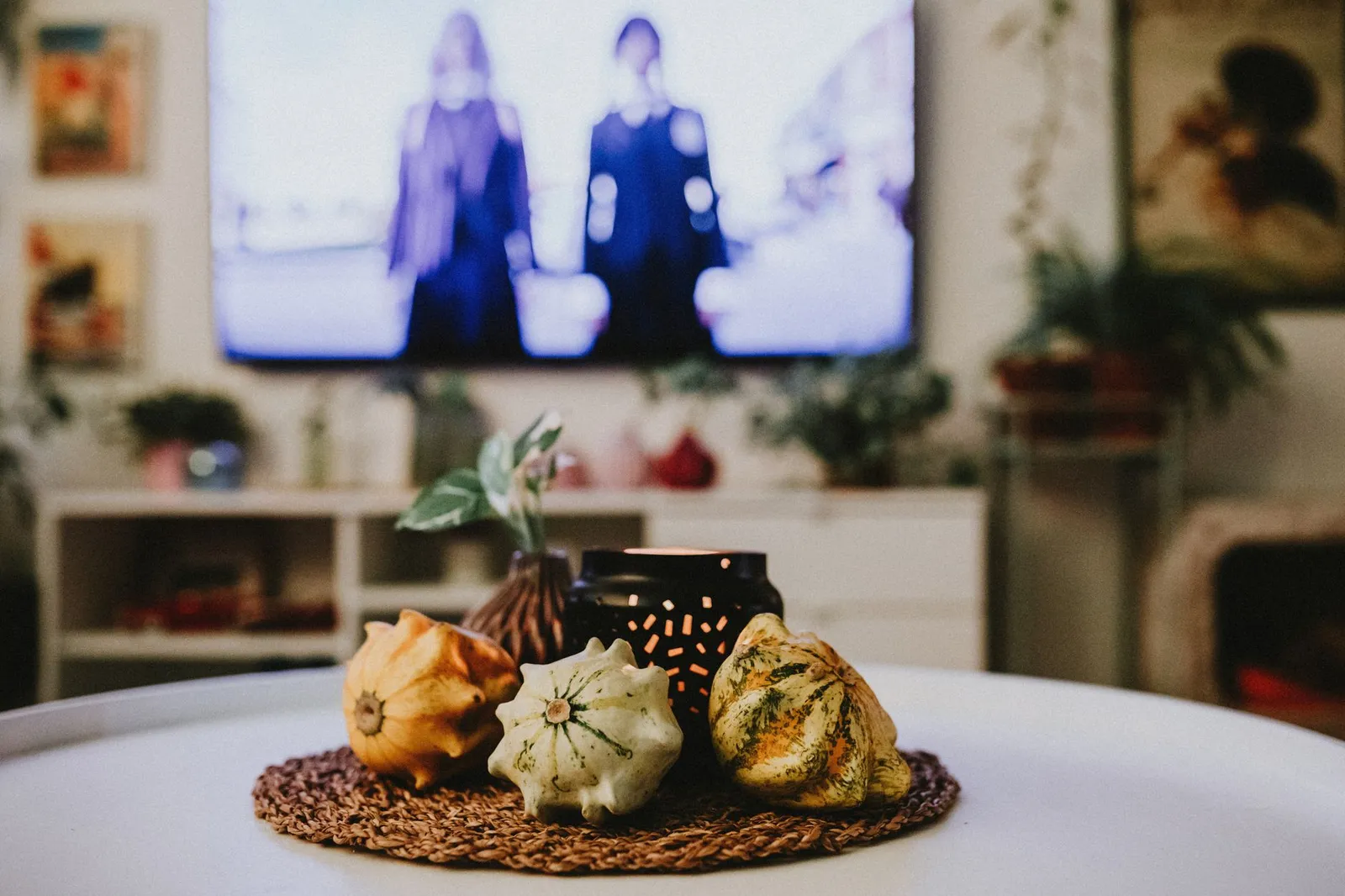
A fall home makeover doesn't require a full renovation or a significant budget. The rooms that feel most authentically autumnal in October are the ones where warm tones, layered textures, and richer lighting replace the crisp, light-filled aesthetic of summer — a seasonal transition that's as much about atmosphere as it is about actual objects. This guide covers the specific design moves that shift a room into fall, organized by room and impact level, with advice on using AI visualization to test your ideas in your actual space before you commit to a single purchase.
Why Fall Home Updates Feel So Effective
Seasonal design changes work because they align your living environment with your psychological state. Research consistently shows that people feel more comfortable and at home when their environment reflects what's happening outside. In fall, this means moving toward warmth: both literal warmth (heavier textiles, more candlelight, richer color) and emotional warmth (cozier arrangements, softer lighting, inviting focal points like fireplaces or reading corners).
The good news is that most fall design updates are reversible, inexpensive, and easily stored for next year. You're not renovating — you're curating.
The Fall Color Palette: What Actually Works
Not all "fall colors" translate well indoors. Forest green, rust orange, and burgundy work. Bright cartoon orange and baby yellow do not — they read as holiday decoration rather than interior design. The palette that consistently produces sophisticated fall interiors draws from these tones:
- Warm neutrals: Camel, sand, warm greige, oatmeal, cream
- Earth tones: Terracotta, rust, burnt sienna, raw umber, cognac
- Depth tones: Forest green, burgundy, deep teal, aubergine
- Accent metals: Brass and copper (not chrome or silver, which read as winter)
A reliable approach: update one or two accent pieces in rich fall tones rather than trying to shift the entire room's color story. A cognac leather throw pillow, a rust-toned vase, or a set of amber glass candleholders can shift a neutral room toward fall without disrupting your established palette.
Textiles: The Fastest Way to Shift a Room's Season
Nothing changes a room's seasonal character faster than textiles. In summer, rooms tend toward lighter fabrics — cotton, linen, lighter-weight throws. In fall, layering heavier, warmer textiles accomplishes most of the seasonal transition without touching anything structural.
Fall Textile Swaps by Room
Living Room
- Replace lightweight cotton throw pillows with velvet, chenille, or chunky-knit covers in terracotta, rust, forest green, or mustard
- Add a weighted blanket or wool throw draped over sofa or armchair
- Layer a smaller patterned rug over your existing rug, or swap entirely to a warmer-toned wool or jute option
- Swap sheer curtains for heavier linen or velvet panels in a warm neutral
Bedroom
- Transition from summer duvet cover to a warmer-toned, heavier weight option
- Add a quilt or wool blanket at the foot of the bed
- Layer throw pillows with mixed textures — velvet, cable-knit, and linen together read as deliberately layered
The estimated cost of a meaningful textile refresh: $80–$200 for a living room, $50–$120 for a bedroom, depending on quality level and whether you're buying new or rotating stored seasonal items.
Lighting: Shift From Cool to Warm
Summer lighting tends toward bright and cool — it mirrors long days and high sun. Fall lighting should shift toward warmth and intimacy. This is one of the highest-impact, lowest-cost changes available.
Lighting Changes for Fall
- Swap bulbs to 2700K: If your existing bulbs are daylight (5000K+), replace with warm white; the entire room immediately feels cozier
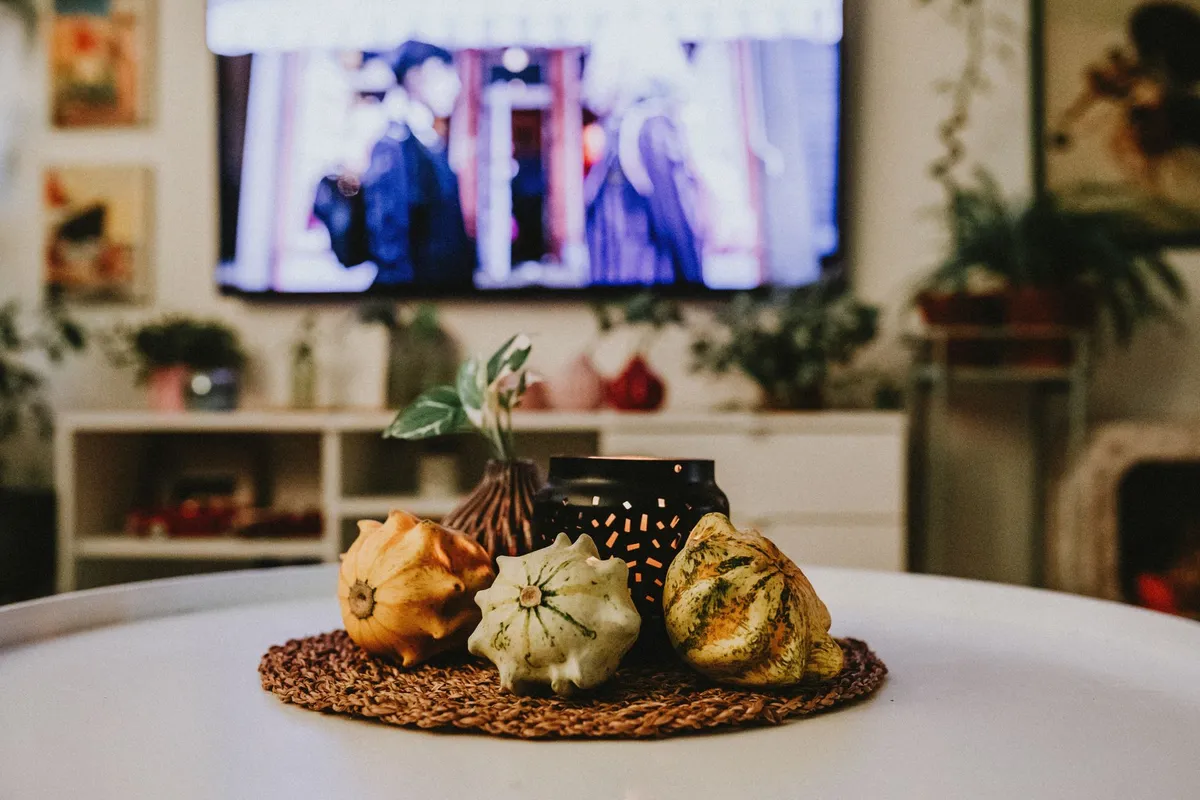
- Add candles: Pillar candles in glass hurricanes, taper candles in brass holders, or LED flame candles for living spaces — all add warmth without fire risk
- Use table and floor lamps more than overhead: Lower light sources create intimacy that ceiling fixtures can't
- Add a dimmer switch: $15–$30 per switch; the ability to dim your main overhead by 40% transforms evening atmosphere
Focal Points: Fireplaces and Reading Corners
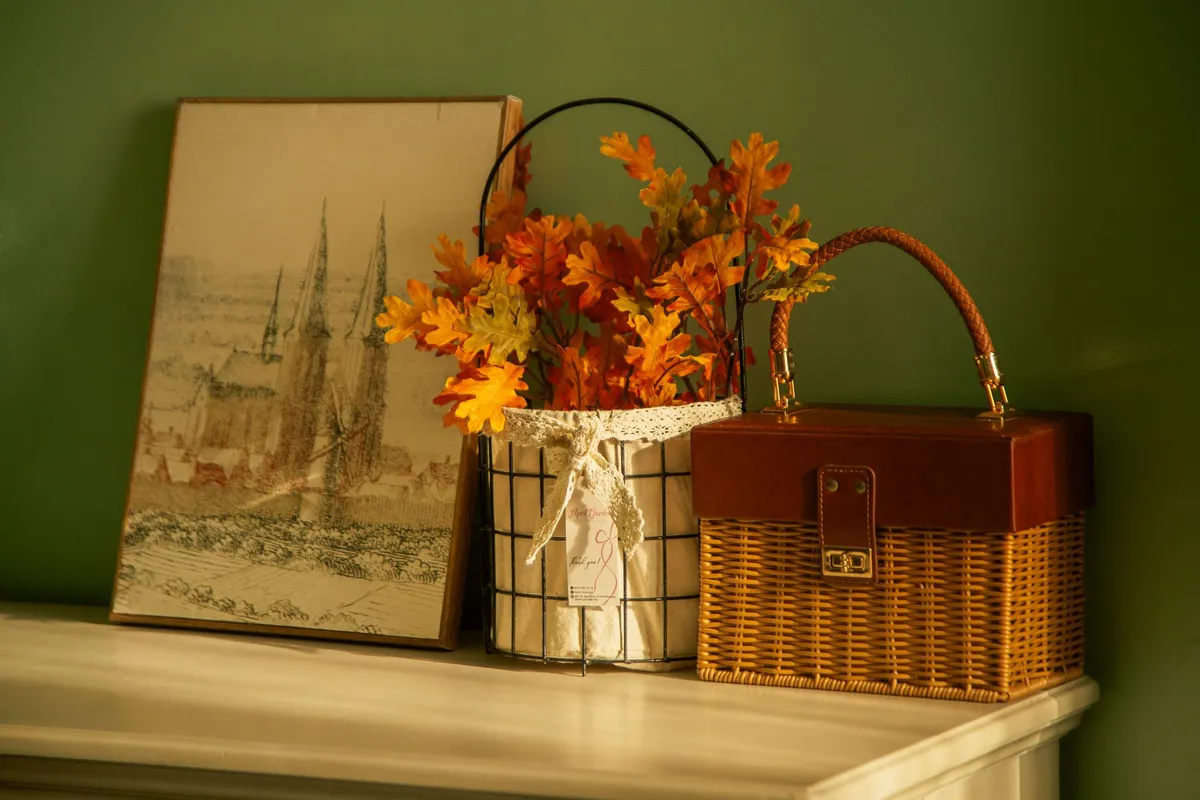
Fall is the season of focal points. A lit fireplace becomes the room's natural center — everything else arranges itself around it. If you have a fireplace, even a non-working one, fall is the moment to make it the visual anchor of the living room. Arrange seating to face it, dress the mantle with fall-toned candles, a simple botanical arrangement, and a single meaningful object (a ceramic vessel, a framed print).
If you don't have a fireplace, create an alternative cozy focal point:
- A floor lamp + armchair + side table with a stack of books creates a reading corner that reads as intentional and inviting
- A gallery wall or large-format artwork in autumnal tones gives a blank wall visual weight
- An electric or bio-ethanol fireplace insert in an existing non-working fireplace adds real warmth (ranges from $200–$800 for the unit)
Kitchen and Dining: Seasonal Updates
The kitchen and dining table are natural places for fall expression because seasonal vegetables, harvest motifs, and warm food culture all intersect here. Practical updates that work:
- Switch placemats and table runners to linen or woven options in warm tones
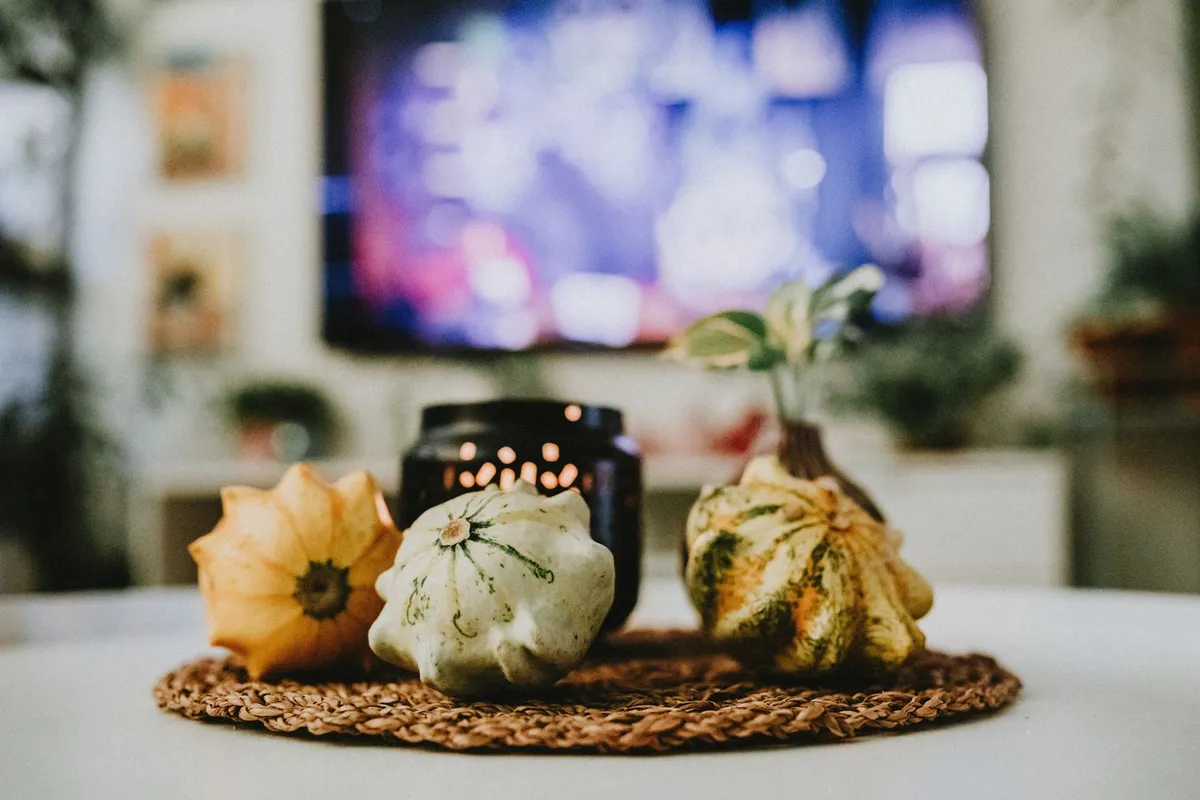
- Display a bowl of squash, gourds, and winter vegetables as centerpiece (inexpensive, beautiful, and edible)
- Swap dishware to stoneware or ceramic pieces with earthy tones if you have them
- Add a vase of dried botanicals (pampas grass, dried wheat, autumn branches) to the counter or table
For a larger kitchen fall update — new countertop material, tile backsplash, or cabinet hardware that shifts the kitchen's warmth level — the kitchen renovation cost guide covers realistic 2026 price ranges for these changes.
Using AI to Visualize Your Fall Makeover
The most common fall design mistake is buying seasonal pieces without knowing how they'll interact with your existing furniture and colors. A rust-orange throw pillow that looks perfect at the store can clash with an existing sofa fabric in a way that's obvious the moment you get home.
AI room visualization solves this before you spend. Upload a photo of your current room to the RoomRenovation.ai dashboard, and generate a fall-themed version of your space. The render will show warm-toned textiles, richer lighting, and seasonal accent pieces applied to your actual room — not a staged showroom. Test different directions (earthy terracotta versus forest green versus burgundy) and see which fall palette genuinely suits your existing furniture and flooring before buying anything.
The free room render is available without a subscription for an initial test. The transformation examples gallery shows fall makeovers across living rooms, bedrooms, and dining spaces for additional inspiration.
Budget Breakdown: Fall Makeover at Every Level
Under $100
- 2–3 new throw pillow covers in fall tones ($15–$30 each)
- A bundle of pillar candles and simple holders ($20–$30)
- A small bundle of dried botanicals ($15–$25)
- Seasonal gourds and vegetables for a display ($10–$15)
$100–$300
- A quality chunky-knit throw blanket ($50–$80)
- A table runner and placemats set ($30–$50)
- Dimmer switch installation ($15–$30 per switch)
- A statement autumn candle or diffuser ($25–$45)
- Small fall-toned accent pieces (vase, tray, bowl)
$300–$800
- A new area rug in warm tones ($150–$400)
- New curtain panels in heavier fall fabric ($80–$200)
- A floor lamp to add a cozy reading corner ($80–$200)
- A set of stoneware dishware in earthy tones ($60–$150)
FAQ
When should I start a fall home makeover? Late August through mid-September is ideal — early enough to enjoy the full season, late enough that the temperature shift makes warm textiles feel relevant rather than premature.
Is it worth storing seasonal decor versus keeping it year-round? For textiles, absolutely — rotating seasonal throws, pillows, and lighter accessories out when the season ends preserves their condition and keeps each season feeling fresh when it returns. Smaller decorative objects can stay year-round if they're neutral enough.
What's the single highest-impact fall design change? Lighting, consistently. Swapping cool-white bulbs for warm 2700K bulbs and adding a few candles changes the atmospheric quality of a room more dramatically than any furniture or textile change — and costs almost nothing.
How do I make fall design feel sophisticated rather than seasonal-decoration-store? Stick to a restrained palette (2–3 fall tones maximum), use natural materials (terracotta, wood, woven fiber) rather than plastic or synthetic decoration, and think about texture and layering rather than overt seasonal motifs.
Can I use AI to plan a larger fall renovation too? Yes — if you're considering more significant fall updates like painting a room, changing flooring, or remodeling a kitchen to achieve a warmer aesthetic, use RoomRenovation.ai to see those changes visualized in your actual space first, then reference the relevant cost guide for realistic budget planning.