
Winter Home Makeover: Cozy AI Design Ideas for Cold Weather
Winter interior design for warm, cozy spaces. See layered textiles, fireplace focal points, and rich tones visualized in your actual rooms for the cold season.
RoomRenovation.AI Team
Updated March 23, 2026
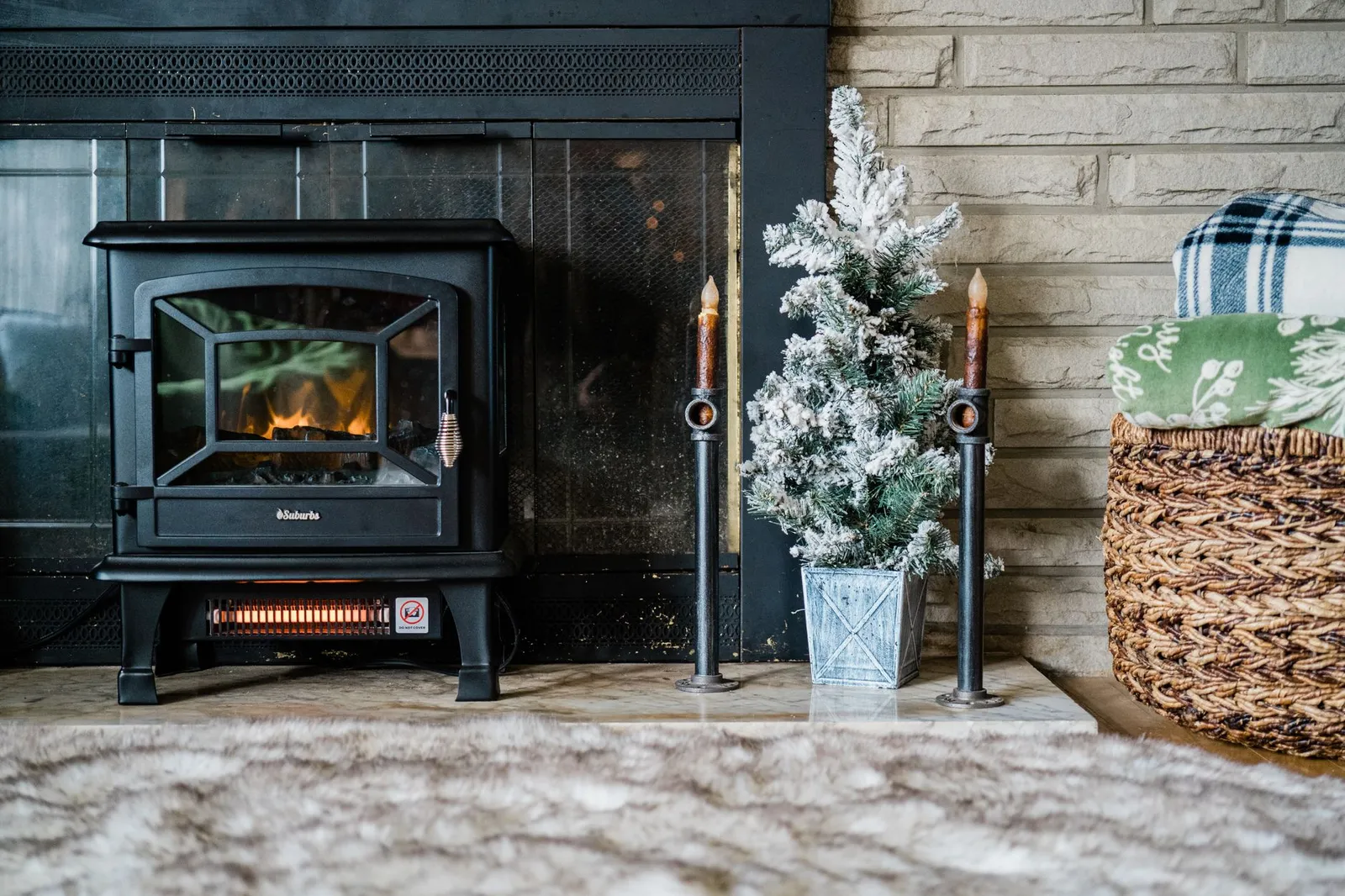
Winter is the season that most demands your home be a genuine refuge. When temperatures drop and outdoor time contracts, the quality of your interior environment becomes more important than any other time of year — which makes a winter home makeover one of the most rewarding seasonal investments you can make. This guide covers the specific design strategies that transform a room into a deeply cozy cold-weather sanctuary, with practical budget guidance and advice on using AI visualization to see how these changes would look in your specific space before spending anything.
What Makes a Room Feel Genuinely Cozy in Winter
Coziness isn't just about warmth — it's a specific cluster of sensory and psychological signals that make a space feel sheltered, intimate, and comfortable. The Nordic concept of hygge captures it well: an atmosphere created by warm light, soft textures, a focal point that draws people together (a fire, a table, a window), and the absence of visual noise. Understanding what actually generates that feeling helps you make targeted design decisions rather than buying random "cozy" objects.
The key signals of a cozy winter interior:
- Warm, layered lighting that avoids harsh overhead sources
- Textiles at multiple scales — rugs underfoot, throws on seating, curtains at windows
- A focal point that anchors the room (fireplace, statement reading corner, candlelit table)
- Enclosed visual fields — rooms that don't feel open to the outdoors in winter feel safer and warmer
- Rich materials: velvet, wool, natural wood, deep-toned ceramic
Lighting: The Foundation of Winter Atmosphere
Winter light is scarce and low-angled. Rooms that rely primarily on natural light look stark and cold for most of the day. Artificial lighting strategy becomes the most important design decision of the season.
The Layered Lighting Approach
Winter rooms need three layers of light operating simultaneously:
- Ambient layer: Overhead fixtures dimmed to 30–50% of their normal output; enough to navigate safely, not enough to kill atmosphere
- Task layer: Floor and table lamps near reading and activity zones, providing functional light where needed
- Accent layer: Candles, LED candles, string lights along a mantel or bookshelf, or dedicated accent fixtures highlighting art or architecture
All sources should use warm-white bulbs at 2700K — the warmer the better for winter. If you haven't already installed dimmer switches, they're one of the best $20–$30 investments you can make in any room you spend significant evening time in.

Textiles: The Warmest Investment
Winter is the season to commit to textiles fully. The rooms that feel most genuinely cozy in January aren't the ones with a single tasteful throw — they're the ones where you'd pull something warm over you without a second thought, where the floor is soft underfoot, and where every surface invites contact.
Textile Layering by Zone
Seating Area
- A large, heavy throw blanket (wool, cashmere blend, or quality chunky knit) draped over each primary seating piece
- Velvet or chenille throw pillow covers in rich tones — deep burgundy, forest green, navy, rust, or charcoal
- A second, smaller accent rug layered over your existing area rug, or a transition to a heavier wool rug for winter
Bedroom
- A high-fill-power down duvet (600+ fill power) or quality synthetic alternative if you run cold
- A quilt or wool blanket layered at the foot of the bed for additional warmth and visual texture
- Flannel or heavy cotton duvet cover (not linen, which reads better in warmer months)
- A bedside rug if you have hard flooring — stepping onto cold floor first thing in the morning undermines the entire cozy atmosphere
Windows
- Heavy curtain panels in linen, velvet, or insulated fabric reduce both drafts and cold-window radiant chill noticeably
- Floor-to-ceiling panels make ceilings feel higher and rooms feel more enclosed — both of which increase the perception of warmth
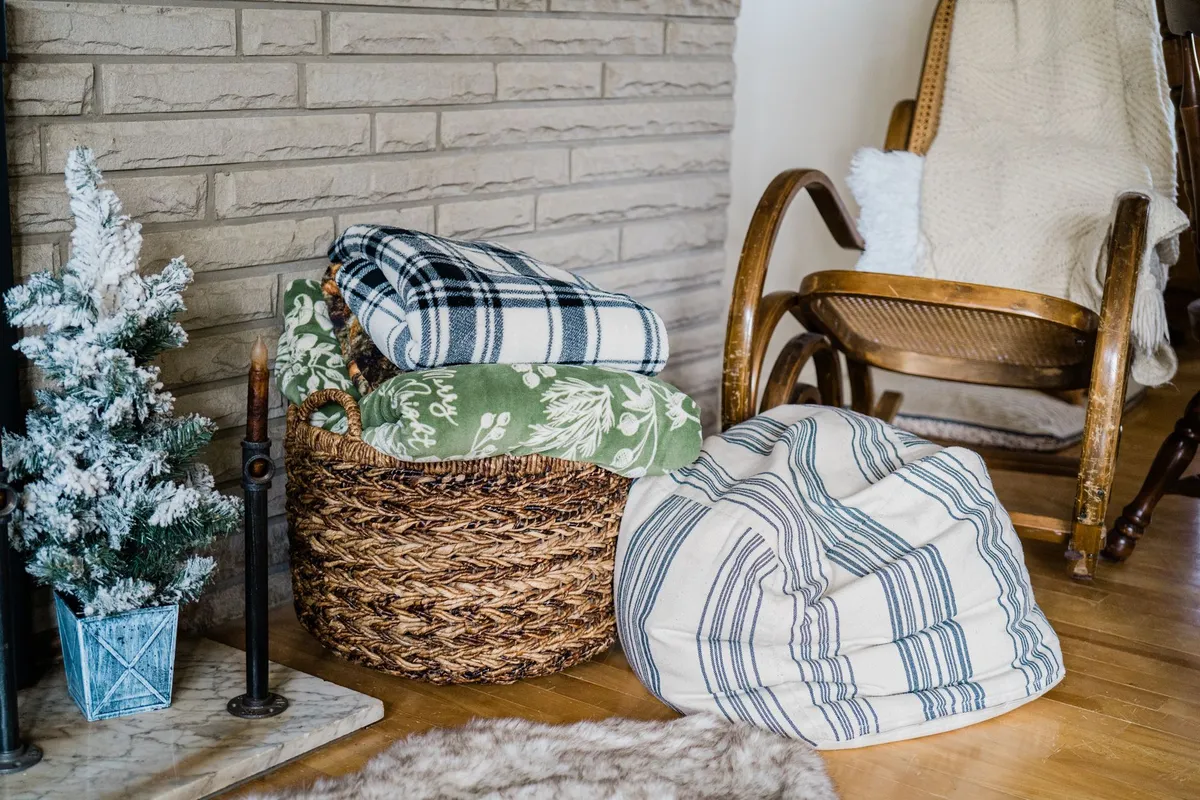
The Fireplace: Anatomy of a Cozy Focal Point
A working fireplace is the most powerful single asset a winter room can have. If you have one, it should become the undisputed center of the living space from November through March. Furniture should face it — even if that means temporarily rearranging from a television-centered layout. The coffee table should sit within conversation distance. Lighting from other sources should be reduced so the fire becomes the primary light source in the evenings.
Mantel styling for winter:
- A cluster of pillar candles in varying heights on one side (lit during fire-free evenings)
- A simple botanical element — dried eucalyptus, winter branches, or a small wreath — without crossing into seasonal decoration
- A mirror above the mantel to reflect firelight into the room
- Minimal, meaningful objects — 3–5 well-chosen pieces rather than a crowded display
If your fireplace doesn't work, a bio-ethanol or electric insert can restore the visual warmth and, in some cases, actual heat output. Quality electric inserts that produce convincing flame effects run $200–$600; bio-ethanol options with real flame start around $150.
Color Palette for Winter Interiors
Winter's most effective interior palette differs slightly from fall's earthier warmth. Fall draws on harvest tones (rust, terracotta, amber); winter moves toward richer, darker depth:
- Base neutrals: Warm charcoal, deep taupe, greige, warm off-white
- Rich tones: Midnight navy, forest green, deep burgundy, hunter green
- Warm accents: Cognac leather, amber glass, honey wood tones, aged brass
Winter rooms can absorb darker base colors that would feel oppressive in summer — a charcoal or deep navy wall feels sophisticated and sheltering in January in a way it simply doesn't in June. If you want to test a darker wall color without committing to paint, AI visualization shows the effect immediately.
Visualizing Your Winter Makeover
The challenge with winter design updates is that many of the most impactful changes — a darker wall color, heavier curtains, a rearranged furniture layout — are hard to commit to without seeing them first. Buying four new throw pillows and a heavy blanket is low-risk; painting the living room deep navy and then discovering it makes the room feel like a cave is expensive and time-consuming to reverse.
The RoomRenovation.ai dashboard lets you upload a photo of your current room and generate a winter-optimized version — heavier textiles, fireplace focal point, warm lighting, and richer color palette applied to your actual space. Generate several variations to find what resonates before spending anything. The free render is available to test the tool without a subscription, and the examples gallery includes winter transformations across room types for additional reference.
Scent and Sound: The Overlooked Cozy Factors
Interior designers rarely mention scent, but it's a significant contributor to the felt experience of a room. In winter specifically, scent has an outsized psychological effect. A room that smells of wood smoke, beeswax, sandalwood, cedar, or baked goods triggers warmth associations that reinforce everything the design is trying to achieve.
Options: beeswax candles (the most authentic and long-lasting), quality reed diffusers in woody or resinous scents, or a simple simmering pot of water with citrus peel, cinnamon sticks, and cloves on the stove. All are inexpensive and effective.

Room-by-Room Winter Updates
Living Room
Orient furniture toward the fireplace or main focal point; layer multiple textile types; add a second floor lamp; introduce a coffee table tray with candles and a few meaningful objects. See living room design ideas for winter-specific layout approaches.
Bedroom
The investment here is bedding quality and a bedside rug. A genuinely warm, high-quality duvet changes the quality of winter sleep significantly. Everything else (curtains, lighting, accent pieces) builds atmosphere around that foundation. Browse bedroom design ideas for winter-optimized layouts.
Kitchen and Dining
Winter is the season for the dining table to become a genuine gathering point. Heavy linen or woven table runners, a cluster of candles at center, warm ceramic tableware, and a pendant that focuses light downward on the table all contribute to a dining space that invites long winter meals. The kitchen design guide covers warm-season kitchen aesthetics in detail.
Budget Planning: Winter Makeover at Three Levels
Under $150
- 2–3 velvet or chunky-knit throw pillow covers ($20–$35 each)
- A set of pillar candles and simple holders ($25–$40)
- A quality throw blanket ($30–$60)
- Warm-white bulb swap for main rooms ($15–$25)
$150–$400
- Heavy curtain panels for the main living space ($80–$200)
- A bedside or bath rug to address cold-floor cold mornings ($40–$90)
- A dimmer switch for main overhead fixtures ($20–$30 per switch)
- Additional floor lamp for a reading corner ($60–$120)
$400–$1,000
- A quality wool area rug ($200–$500)
- An electric fireplace insert for non-working fireplace ($200–$600)
- New duvet and cover set ($150–$350 for quality)
FAQ
How different should winter design be from fall design? Winter and fall share the warmth and textile direction but diverge on depth and darkness. Fall leans terracotta and harvest; winter leans deep green, navy, charcoal, and burgundy. The lighting approach intensifies in winter — candle and lamp use increases as daylight shrinks further.
Is hygge a design style or a feeling? Both. As a feeling, hygge is the Danish concept of contentment through warmth, togetherness, and simplicity. As a design approach, it translates into warm lighting, natural materials, soft textiles, and comfortable gathering spaces — all achievable principles regardless of your overall style direction.
What's the best way to make a drafty room feel cozy? Address drafts at their source first (door draft stoppers, window insulation film, or caulk around frames), then layer heavy curtains and rugs to reduce radiant chill. Design moves can only do so much over genuine heat loss.
Can I use these ideas even if I live in a climate that doesn't get very cold? Absolutely. The cozy winter aesthetic is about atmosphere as much as temperature management. Candles, warm lighting, richer textiles, and a fireplace focal point all create a sheltered, inviting feeling regardless of the outdoor temperature.
How do I keep a cozy space from feeling cluttered? Edit between seasons. Before adding winter layers, remove lighter summer pieces from the same category — swap thin cotton pillows for velvet ones rather than adding to them. Each addition should replace something rather than accumulate on top of it.