
Transitional Interior Design: The Perfect Balance of Traditional and Modern
Transitional design blends classic and contemporary elements for timeless interiors. See how to balance warmth and sophistication in any room.
RoomRenovation.AI Team
Updated March 21, 2026
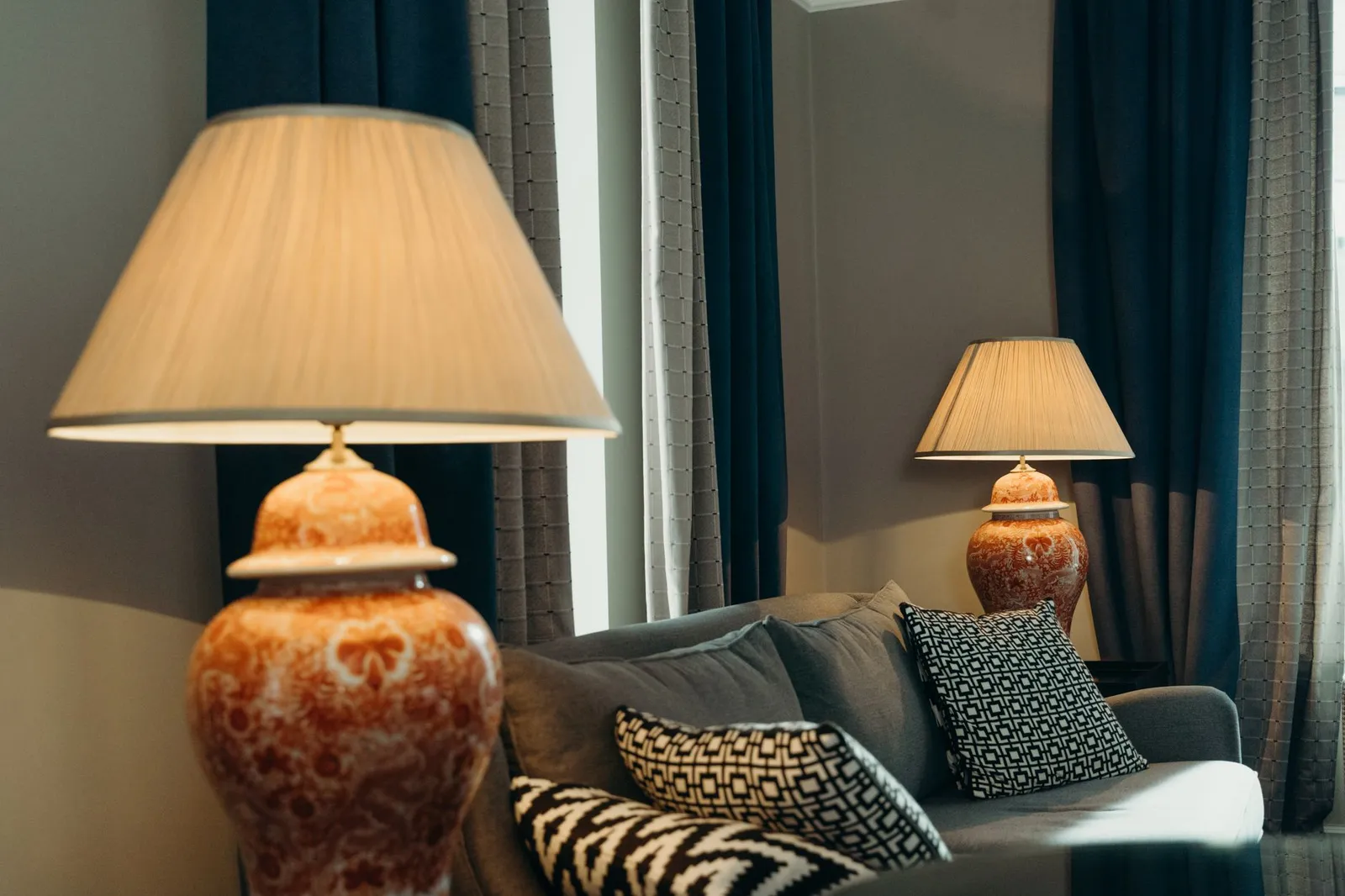
Transitional interior design is the style that more American homes actually live in than any other — even when the homeowner doesn't know what to call it. It sits at the deliberate midpoint between traditional ornamentation and contemporary restraint, drawing warmth from the first and clarity from the second. The result is interiors that feel neither dated nor cold, neither fussy nor sterile.
What Makes a Space Truly Transitional
Transitional design isn't a compromise or a hedge — it's an active design choice. The style requires more careful curation than a pure contemporary or traditional approach because both idioms must be present and in genuine conversation with each other. Get the balance wrong and the room reads as unresolved. Get it right and the space has a warmth and sophistication that purely period rooms often lack.
The core principle is that traditional shapes carry contemporary surfaces, and contemporary shapes carry traditional textures. A sofa with classic rolled arms upholstered in a crisp performance linen. A marble-topped coffee table on a gracefully curved base. An architecturally simple fireplace surround in honed limestone rather than elaborately carved wood. The forms reference history; the execution reads as modern.
The Foundational Palette
Transitional color schemes are intentionally anchored. The dominant palette runs from warm whites and creams through greige (beige-gray) and taupe, with deeper accents in navy, charcoal, or warm black. This neutrality serves the style well: it allows the layered textures — wood grain, woven fabric, natural stone — to provide the visual interest without competing colors fragmenting the room.
Accent color enters through accessories rather than architecture. A pair of armchairs in a warm sage green, a rug with muted jewel tones, or an arrangement of ceramic vessels in dusty terracotta all introduce color in quantities the room can absorb without the palette feeling chaotic.
Furniture: The Shape-Finish Equation
Seating
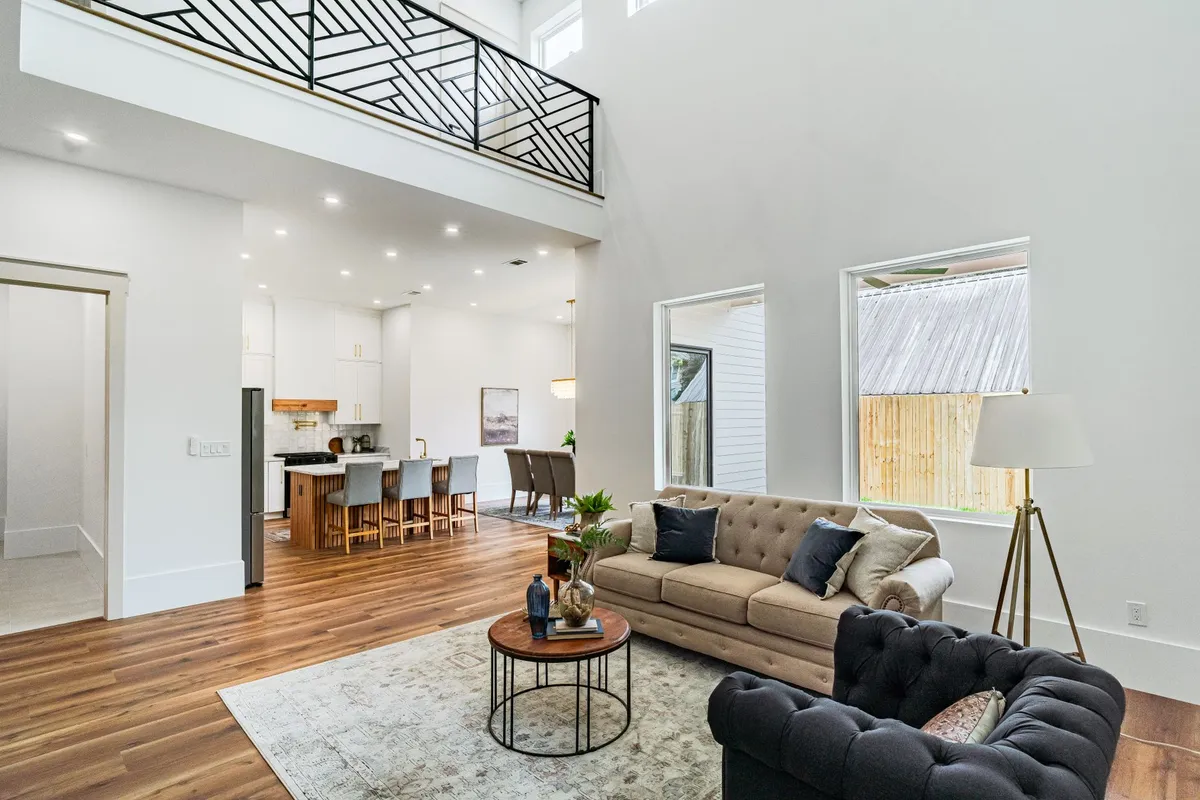
Transitional sofas and chairs typically have more shape than purely contemporary pieces — visible leg detail, track arms with slight curve, or tufting that references traditional upholstery — but the profiles are cleaner and less decorative than traditional counterparts. A Chesterfield sofa reupholstered in a textured velvet reads as transitional. A tight-back sofa on tapered legs in a twill fabric does too. A white slipcover sofa with a straight base skirt is at the contemporary edge of the range.
Casegoods (Tables, Cabinets, Shelving)
Wood tones lean toward medium-value walnuts and oaks rather than dark mahogany or light maple. The grain shows but the finish is typically a satin rather than a high gloss. Cabinet hardware in brushed nickel, aged brass, or oil-rubbed bronze rather than highly polished metals. Marble and quartzite surfaces provide visual luxury without requiring period detail in the case itself.
Case Study: The Transitional Dining Room
A practical example: a rectangular dining table in a warm walnut with simple tapered legs. Side chairs in a slubbed fabric with nail-head trim at the seat pad. A chandelier with clean geometric lines but natural material — perhaps woven rattan or aged iron. A credenza with raised panel doors in a painted finish. Individually, none of these pieces scream either traditional or contemporary; together, they produce a room that feels simultaneously elevated and livable.
Architectural Detail in Transitional Spaces
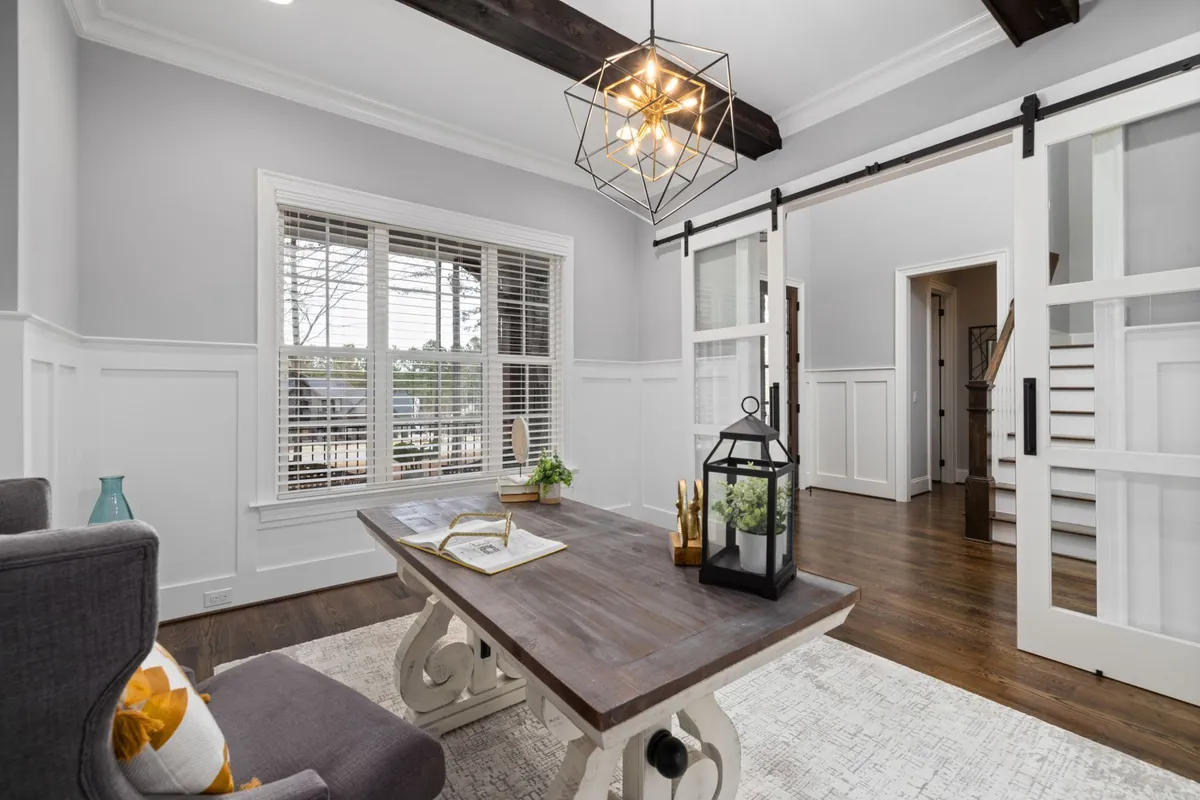
Traditional architecture — crown molding, wainscoting, paneled millwork, coffered ceilings — works in transitional spaces when it's rendered in a way that doesn't compete with contemporary furnishings. This usually means painting all trim and millwork in a single color (typically white or a soft warm neutral), so it reads as background texture rather than elaborate ornamentation.
A contemporary home can adopt transitional interior furnishings without architectural changes. The furniture, textiles, and accessories carry enough traditional reference that the architecture doesn't need to do the period work.
Textiles and Pattern
Transitional rooms use pattern more liberally than contemporary spaces but with considerably more restraint than traditional ones. The pattern vocabulary includes:
- Geometric patterns in classic proportions — Greek key, quatrefoil, lattice — that have traditional roots but contemporary legibility
- Organic weaves in linen, cotton, and wool that add texture rather than pattern
- Subtle stripes in two tones close in value — more texture than stripe
- Kilim and flat-weave rugs with muted color palettes that bridge both design vocabularies
Pattern mixing follows the transitional principle: one dominant pattern, one or two secondary textures, and solid grounds. A room with a geometric rug, solid upholstery, and one patterned accent pillow reads as carefully curated. A room with five competing patterns reads as cluttered regardless of their individual quality.
Lighting in Transitional Interiors
Transitional lighting sits between crystal chandeliers and bare-bulb pendants. The materials most characteristic of the style: aged brass, antique nickel, woven rattan, smoked or seeded glass, and forged iron with clean lines. A drum pendant in an aged brass finish. A table lamp with a white linen shade on a turned ceramic base. A floor lamp with a simple tripod base in a warm metal.
Layered lighting is essential: overhead fixtures for ambient light, table and floor lamps for warmth and task light, and candlelight for atmosphere. The combination produces the enveloping glow that makes transitional rooms feel so livable.
Visualizing Transitional Style in Your Space
The transitional look adapts well to nearly any room type and architecture, but the specific expression depends heavily on your existing architecture, natural light, and room proportions. What reads as perfectly balanced in a high-ceiling Georgian colonial may feel ponderous in a 1970s ranch.
This is where AI visualization is genuinely useful. Upload your room photo to RoomRenovation.AI and test the transitional style render before buying a piece of furniture or committing to a paint color. The free render shows you how the balanced mix of traditional and contemporary elements will read in your actual space — not a generic showroom version but your real room, your real light. Compare it against Scandinavian and modern minimalist to understand where the transitional approach differs and where it overlaps.
Room-Specific Notes
Living Room
The living room is where transitional style is most often executed and where the balance between warmth and sophistication pays off most visibly. See ideas for living room redesigns in the transitional direction.
Kitchen
Transitional kitchens pair white or cream shaker cabinets with marble or quartzite countertops, a polished nickel or aged brass faucet, and a tile backsplash in a classic format — subway, hex, or herringbone — that feels traditional in pattern but contemporary in grout color. See kitchen renovation cost context at kitchen renovation guide.
Bedroom
The transitional bedroom prioritizes comfort and calm over stylistic statement. Linen or high-thread-count cotton in whites and soft neutrals, a headboard with modest architectural presence, and a mix of wood and upholstered furniture in complementary but not identical finishes.
FAQ
Is transitional design the same as traditional design? No. Traditional design is period-specific — Colonial, French Country, Victorian — with characteristic ornamentation and scale. Transitional design borrows shapes and warmth from traditional sources but pairs them with contemporary simplicity, producing a timeless aesthetic rather than a period-specific one.
What colors work best in transitional interiors? Warm whites, cream, greige, taupe, and soft gray as the dominant palette, with accents in navy, sage green, warm black, and muted jewel tones through accessories and occasional upholstery choices.
Can transitional style work in a small space? Very well. The restraint of the contemporary influence prevents the ornamental overload that can make traditional style feel heavy in small rooms. Transitional small spaces feel warm and considered rather than cramped.
Is transitional style going out of fashion? Transitional design has been the dominant American residential style for over two decades precisely because it doesn't depend on trend cycles. Its combination of warmth and clarity appeals across generations and lifestyle changes, making it one of the most durable choices for a long-term renovation investment.
How much does a transitional renovation cost? The style doesn't require premium pricing — it requires considered selection. A transitional living room refresh can run $3,000–$8,000 (new sofa, rug, lighting, accessories). A full transitional kitchen renovation runs $25,000–$60,000 depending on scope and market; see kitchen renovation costs for current estimates.