
Eclectic Interior Design: Master the Art of Mix-and-Match
Eclectic interior design combines patterns, eras, and cultures into a cohesive look. Learn the rules that make mixing styles work instead of clashing.
RoomRenovation.AI Team
Updated March 21, 2026
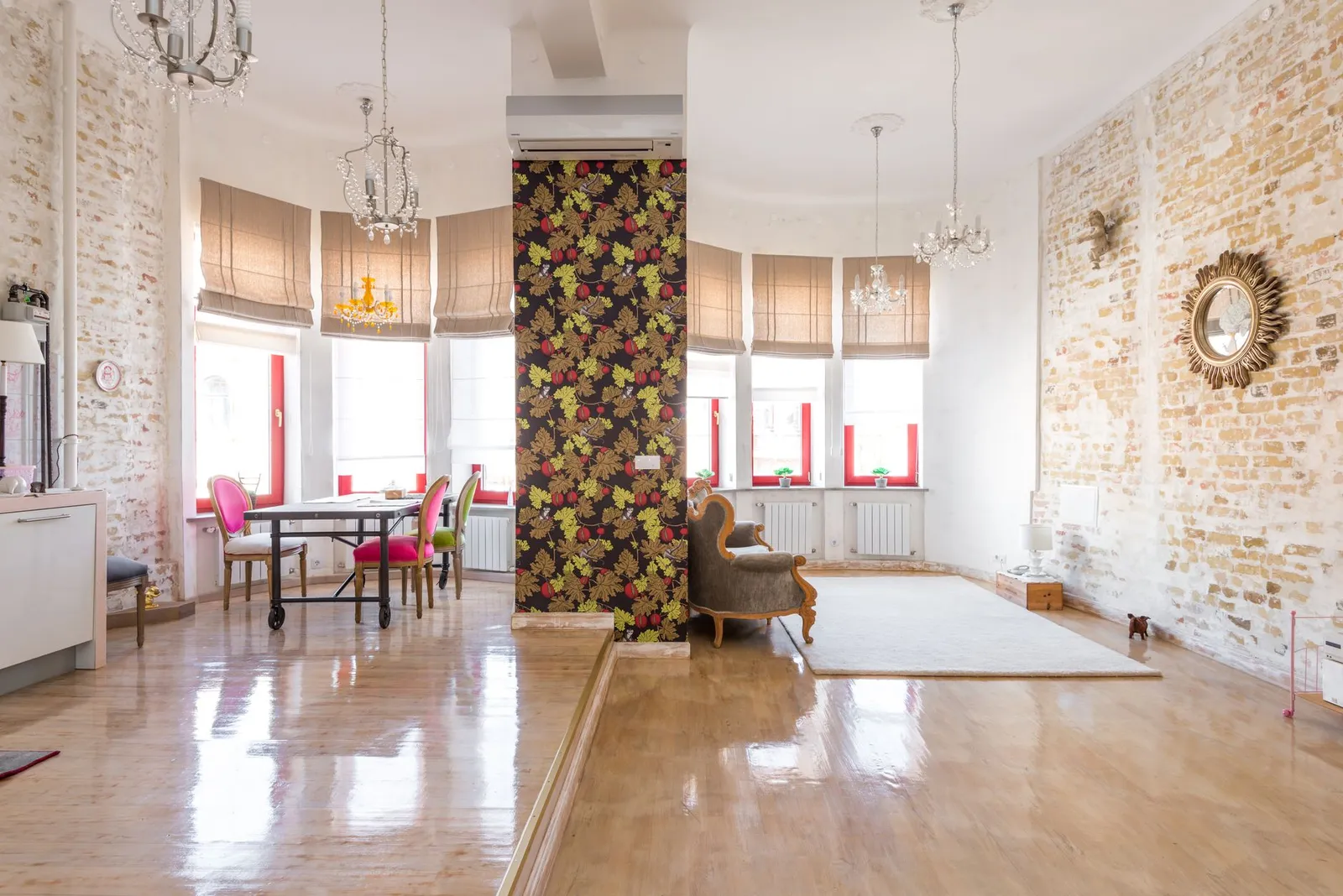
Eclectic interior design is the most misunderstood and most forgiving of all interior styles—when it's done well. At its best, an eclectic room tells a story about the person who lives in it, combining pieces from different eras, cultures, and aesthetics into a space that feels deeply personal and visually alive. At its worst, it's just a collection of random furniture that happens to occupy the same floor plan. The difference between the two is an understanding of the underlying rules that make mixing work.
What Eclectic Design Actually Means
Eclectic design isn't the absence of a style—it's the intentional combination of multiple styles under a shared organizing principle. The confusion arises because that principle isn't visible as a style label; it operates beneath the surface as a set of decisions about color, scale, texture, and weight that create coherence across dissimilar pieces.
Every successful eclectic room has an organizing thread, even if the homeowner can't articulate it. Often it's a color palette: everything from different eras and cultures but always pulled from the same 3–4-color family. Sometimes it's material: a room full of reclaimed wood and natural linen, regardless of the furniture's period. Sometimes it's a lighting style that unifies disparate pieces underneath it. Find your thread first, then mix.
The Five Rules of Successful Mixing
Rule 1: Establish a Dominant Color Palette
The most reliable organizing principle for eclectic rooms is a consistent color palette. Choose 3–4 colors and distribute them throughout the room so that no single piece exists in total isolation. A vintage Moroccan rug in rust, cream, and navy finds company in a navy velvet chair, a cream linen sofa, and rust-toned ceramic lamps. The pieces couldn't be more different in origin and period, but they speak the same color language.
Rule 2: Vary Scale Deliberately
Mix large-scale items with small-scale items, not everything at one size. A room full of petite, delicate furniture looks fussy and disconnected; a room full of oversized furniture feels claustrophobic. Eclectic design works best with at least one anchor statement piece per room—a large sectional, an oversized art piece, a dramatic ceiling fixture—balanced against smaller-scale companions.
Rule 3: Edit Without Mercy
The difference between curated eclecticism and visual noise is curation. Eclectic does not mean keeping everything. For every piece you add, ask whether it contributes to the room's palette, texture story, or visual rhythm. If it doesn't contribute to at least two of those three, it doesn't belong in the room—even if you love the object on its own terms.
Rule 4: Repeat Materials and Textures
If you have one brass item, add two more. If you have one piece of natural rattan, find a second. Material repetition creates visual connection between dissimilar pieces and prevents a room from feeling like a storage facility. Think in threes: a brass lamp, a brass-framed mirror, brass hardware on a cabinet ties those three disparate objects into a unified group.
Rule 5: Ground with a Strong Rug
In an eclectic room full of competing visual interests, the area rug is the one element that literally connects all the furniture pieces. A rug with a complex pattern—Persian, tribal, abstract—can absorb a lot of visual noise from dissimilar furniture. A solid or subtly textured rug creates breathing room that prevents the room from feeling too busy. Either can work; what doesn't work is no rug, or one that's too small.
Era Combinations That Work
Mid-Century Modern + Contemporary
One of the most reliable eclectic combinations. 1950s–70s furniture—walnut-legged sofas, tulip tables, Eames chairs—pairs naturally with contemporary minimalist pieces because both share clean lines and an appreciation for honest materials. The period furniture provides warmth and history; the contemporary pieces provide spaciousness and lightness.
Victorian + Industrial
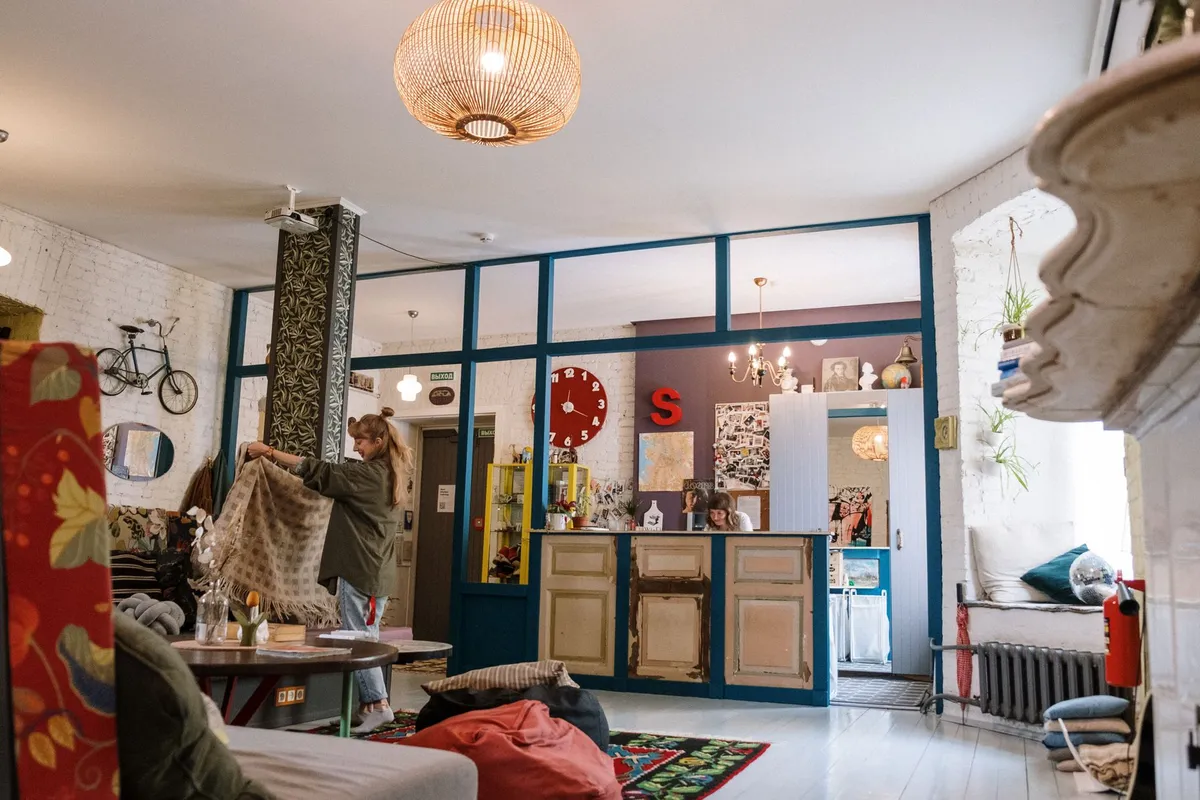
An unexpected pairing that creates compelling tension. Dark, carved Victorian furniture—a settee, a secretary desk, a carved armoire—sits surprisingly well in a room with exposed brick, Edison bulbs, and raw steel shelving. The ornate softens the rawness; the industrial grounds the ornate. Paint the walls a warm deep tone (charcoal, forest green, or burgundy) to tie both sensibilities together.
Bohemian + Scandinavian
The most popular eclectic combination in contemporary interiors. Scandinavian design—light woods, neutral tones, functional forms—provides a calm foundation that prevents boho's pattern-heavy textiles and global accents from becoming overwhelming. A Swedish white sofa, natural birch shelving, and a Navajo-print throw blanket with a Kilim pillow: the neutral foundation makes the global textiles pop without competing.
Traditional + Modern Minimalist
Traditional furniture—Queen Anne chairs, wingback sofas, mahogany case pieces—reads entirely differently against a minimalist backdrop of white walls, bare floors, and no window treatments than it does in a formal traditional room. The contrast makes the traditional pieces read as sculptural rather than stuffy. This combination works especially well in older homes where the architecture is inherently traditional.
Cultural Mixing: Global Accents Done Respectfully
Eclectic design draws from global traditions, and this requires thoughtfulness. The most successful global mixing treats objects from other cultures as design elements worthy of understanding—knowing what a Moroccan wedding blanket traditionally signifies before hanging it as wall art, or understanding the craftsmanship behind Japanese tansu furniture before pairing it with IKEA basics. This isn't a requirement of correctness so much as a path to better design: objects you understand deeply are objects you use more confidently.
Global accent categories that integrate well across eclectic rooms:
- Moroccan: Lanterns, carved plaster objects, Kilim and Beni Ourain rugs, hammered metal trays
- Japanese: Tansu chests, shoji screens, ceramic wabi-sabi vessels, low platforms
- Indian: Block-print textiles, carved teak furniture, embossed brass hardware
- Scandinavian: Woven textiles, pale wood furniture, functional ceramics in muted tones
- West African: Kente or mudcloth textiles, carved wooden masks as wall art, terracotta vessels
Using AI Visualization to Test Eclectic Combinations
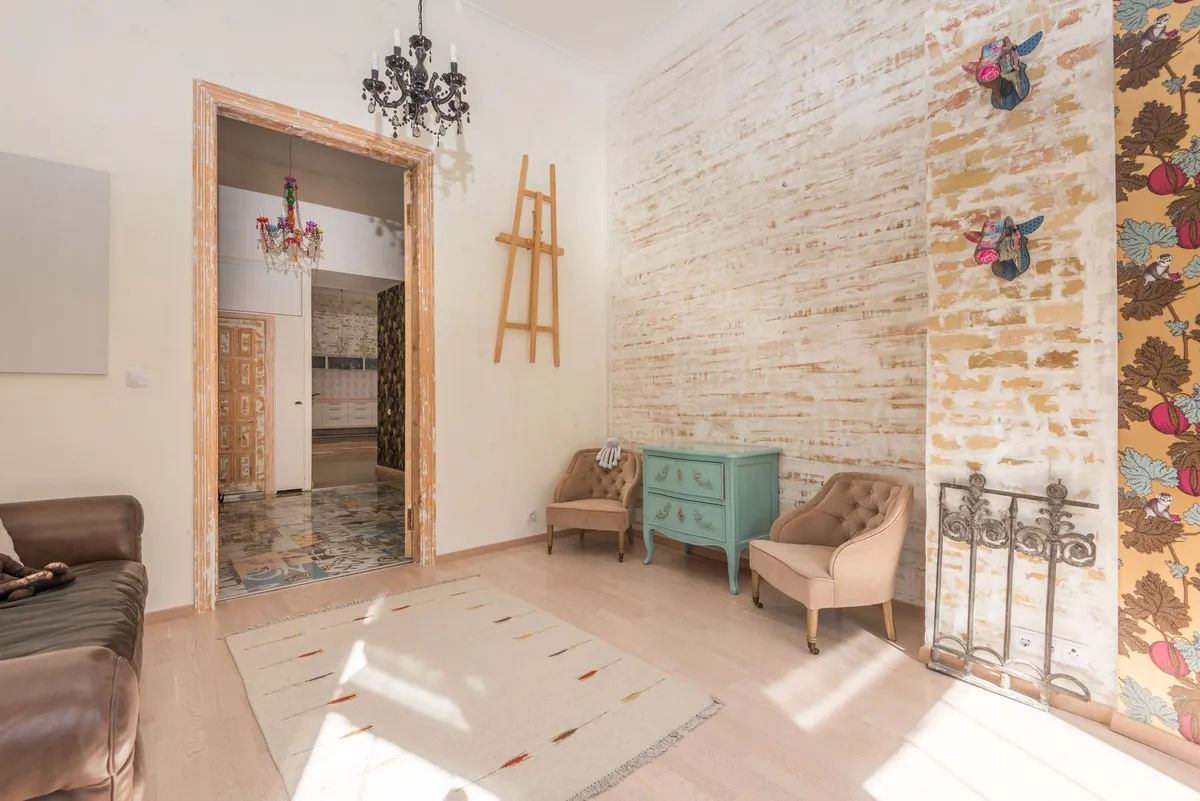
Eclectic design is particularly well-suited to AI room visualization because the style's risk of failure is higher than more prescriptive styles. When you're mixing a 1960s Danish sofa with a Moroccan rug and industrial shelving, the range of possible outcomes—from beautifully curated to genuinely chaotic—is wide, and individual elements that look perfect in isolation may clash at room scale.
The RoomRenovation.AI dashboard lets you render multiple eclectic combinations from the same base room photo. Start with a render in a defined eclectic style direction—browse examples for reference—then use the result as a template for your own mix. Try the free render tool to test your current room against several eclectic interpretations before purchasing anything.
Eclectic Design Room by Room
Living Room
The living room is the natural home for eclectic design because it's a gathering space that benefits from visual interest and conversation pieces. Anchor with a single large-scale neutral piece—typically the sofa—in a fabric that can hold its own against pattern-heavy companions (performance fabric, linen, or leather all work well). Then layer in the personality: a vintage coffee table, mismatched but complementary throw pillows, a gallery wall that mixes photography and print.
Bedroom
Eclectic bedrooms require more restraint than living rooms because the room's primary function is rest. Use the bed as your anchor statement—a dramatic upholstered headboard or a vintage carved wood frame—and keep surrounding pieces quieter. One global textile (a Beni Ourain rug, a block-print duvet cover) is usually enough accent pattern for a bedroom that successfully balances personality and calm.
Kitchen and Dining
The kitchen and dining area offer limited surfaces for eclectic expression—hardware, barstools, pendant lighting, and open shelf styling are your primary tools. Mismatched dining chairs around a single table (unified by color—all painted the same color, or all in the same material family) is one of the most achievable eclectic moves in residential design. It reads as intentional from the moment it's done right.
The Eclectic Shopping List: Starting Points That Always Work
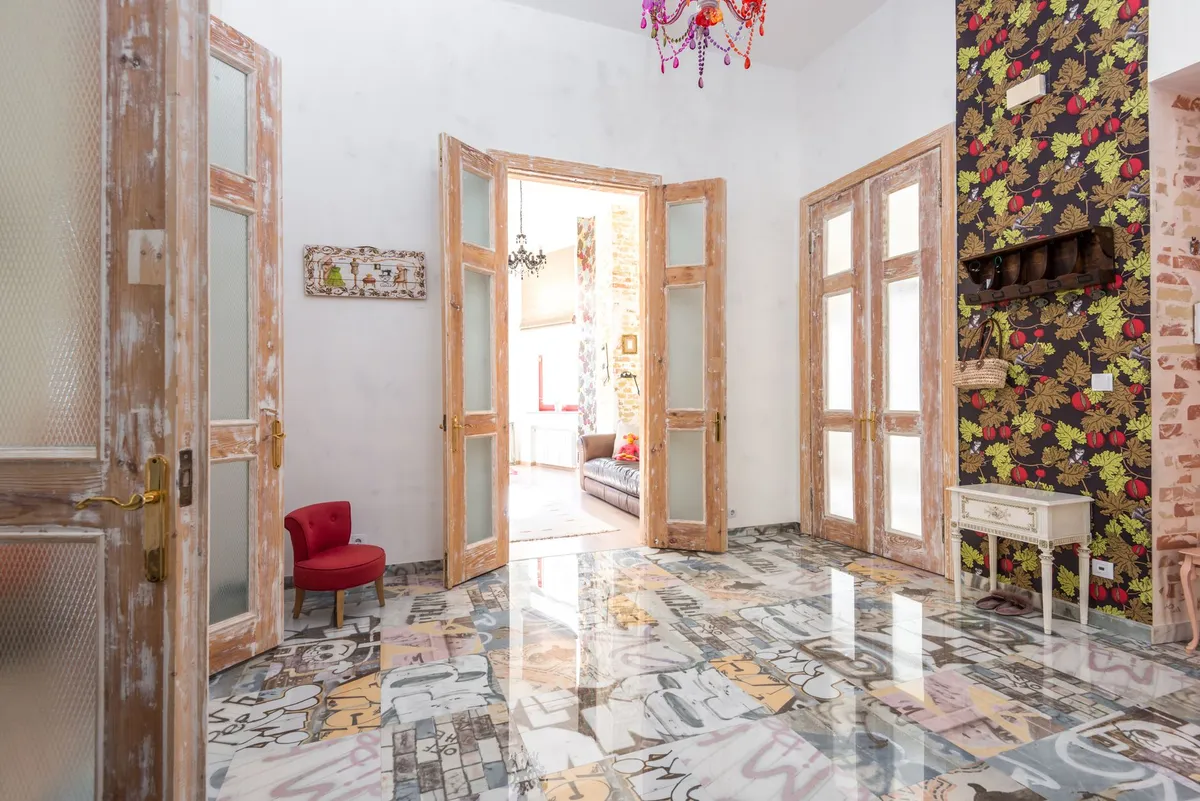
- A vintage or global-origin area rug as the room's anchor
- One large-scale neutral piece of upholstered furniture
- A gallery wall mixing at least three different frame styles unified by one metal finish
- Ceramic vessels or vases in 2–3 complementary earth tones
- At least two different lighting types (a floor lamp, a table lamp, a pendant)
- One genuinely old or antique piece with a story
FAQ
How do I know if my eclectic room looks curated or just messy? The test: can you articulate the organizing principle? If you can say "everything shares a warm, muted palette and at least one natural material," your room is curated. If you can't find the thread, the room likely needs editing—remove pieces until the coherence becomes visible again.
Can I mix patterns in an eclectic room? Yes, with a pattern-mixing hierarchy: one large-scale pattern (rug or wallpaper), one medium-scale pattern (throw pillow or curtain), one small-scale pattern (throw blanket or accent pillow). Varying the scale prevents patterns from competing at the same visual frequency.
How many "hero" pieces can a room handle? One per zone. In a living room with a seating area and a reading nook, each can have its own hero piece—but they should acknowledge each other through shared color or material, not compete for attention simultaneously.
Is eclectic design more expensive than a single-style approach? It can be, because you're sourcing from multiple places and often buying fewer pieces at a time. However, eclectic design also allows for secondhand sourcing in a way that prescriptive styles don't—vintage and antique pieces are often the most characterful elements in eclectic rooms, and they're frequently more affordable than new.