
Victorian Interior Design: Classic Elegance for Modern Homes
Victorian interior design guide with rich colors, ornate details, and period charm. Learn how to incorporate Victorian style into contemporary spaces.
RoomRenovation.AI Team
Updated March 20, 2026
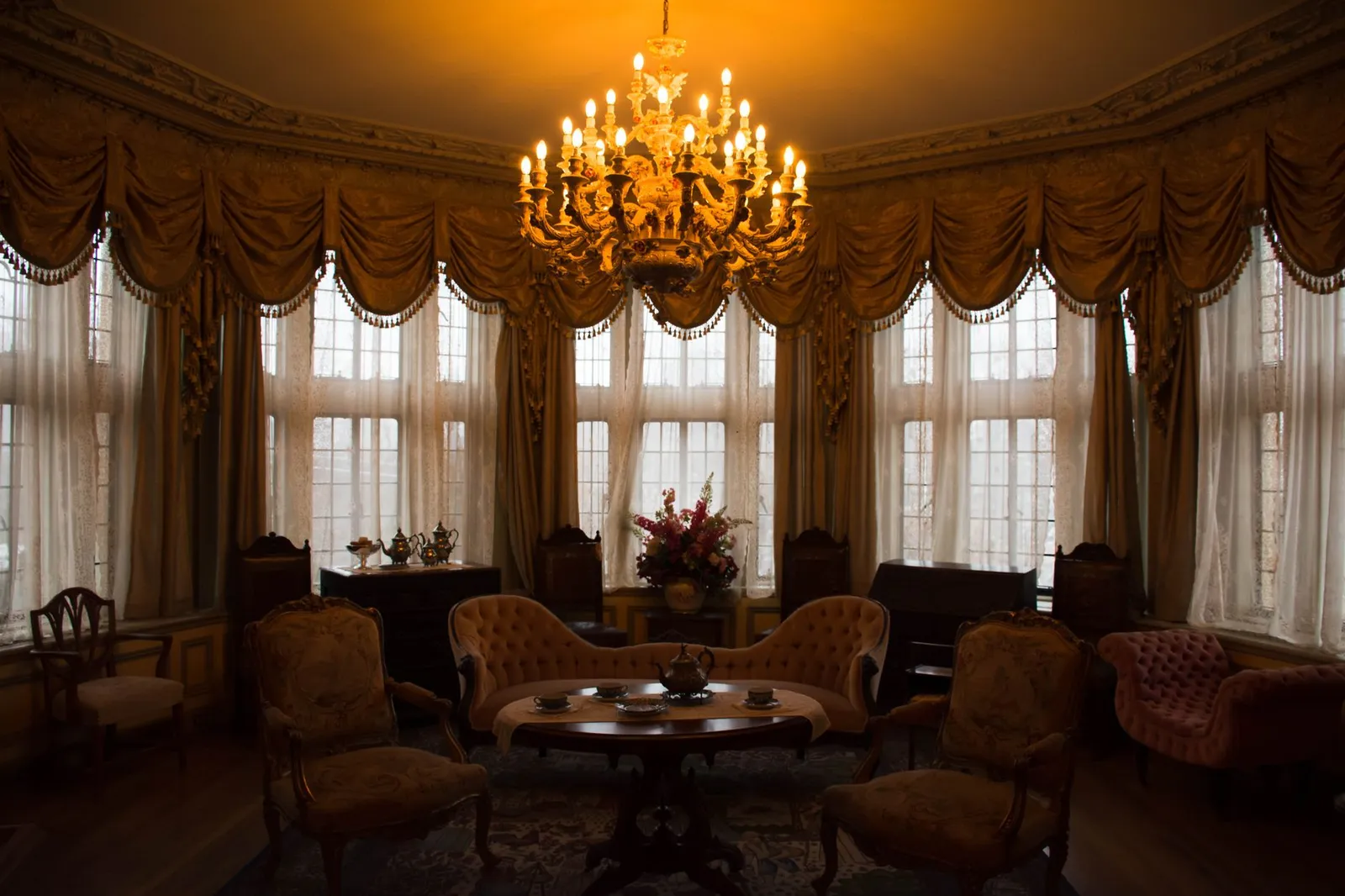
Victorian interior design carries a reputation for excess — and that reputation is mostly earned. The style that defined British and American middle- and upper-class interiors from 1837 to 1901 celebrated ornamentation, deep color, and the conspicuous display of wealth and taste. But the contemporary appeal of Victorian design lies precisely in its richness: a well-executed Victorian interior offers depth, warmth, and a sense of history that few modern styles can match. The challenge is learning which Victorian impulses to embrace and which to restrain.
The Historical Context Behind Victorian Design
Queen Victoria's reign coincided with the Industrial Revolution, which made mass-produced decorative goods available for the first time to the growing middle class. Homeowners who could previously afford only plain furnishings suddenly had access to patterned wallpapers, factory-made carpets, and machine-carved moldings. The result was an enthusiastic, sometimes undisciplined embrace of pattern, texture, and color that historians have alternately celebrated and criticized. Understanding this context helps when applying Victorian elements selectively to a modern home.
Signature Victorian Color Palettes
Victorian interiors are emphatically not white. The era favored:
- Deep jewel tones: Emerald green, sapphire blue, burgundy, and claret were common for walls and upholstery.
- Warm earth tones: Ochre, terracotta, and tobacco brown frequently appeared in libraries, dining rooms, and hallways.
- Layered patterns: Wallpaper, carpet, and upholstery all carried pattern simultaneously — the key was maintaining a consistent color family to prevent visual chaos.
In a contemporary application, choose one or two of these deep tones rather than stacking all of them. A dining room in claret with cream-painted millwork reads Victorian without feeling oppressive.
Wallpaper: The Defining Victorian Element
No element signals Victorian design more immediately than wallpaper — specifically the dense floral and botanical prints that William Morris and his contemporaries produced in the 1860s and 1870s. Morris's designs (Willow Bough, Strawberry Thief, Acanthus) are still in production through several manufacturers and remain the gold standard for authentic Victorian flavor.
Contemporary Victorian-inspired homes often limit patterned wallpaper to a single room — the study, bedroom, or dining room — rather than papering the entire house as the original style prescribed. This creates a punctuation point of Victorian drama without committing every surface to the aesthetic.
Architectural Details That Define the Style
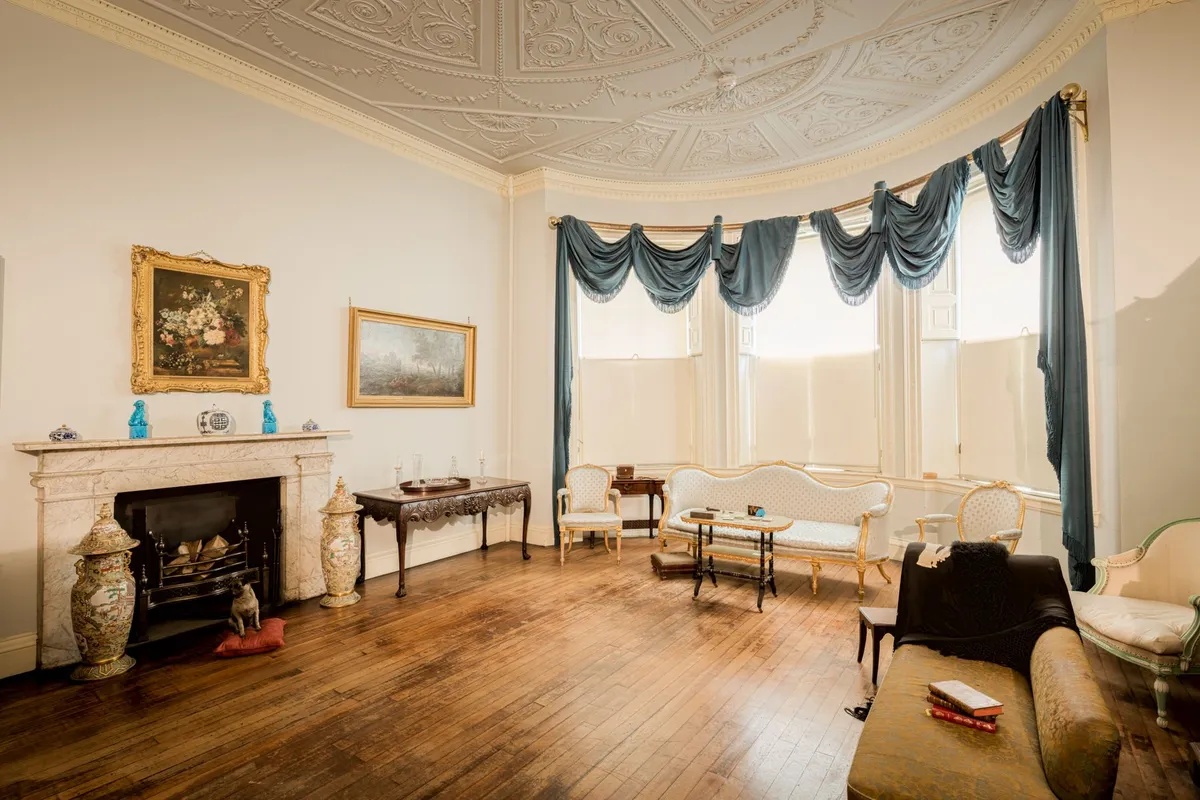
Victorian interiors depended on architecture as much as furnishings. If you're working in an actual Victorian-era home, preserving these features is the single most important design decision:
- Plaster ceiling medallions and cornices: The elaborate ceiling work in Victorian rooms creates visual height and grandeur. Restoration or replication is always worthwhile.
- Dado rails and picture rails: The horizontal division of the wall into dado (below), field (middle), and frieze (above) zones is a fundamentally Victorian approach that allows different surface treatments at each level.
- Fireplace surrounds: Carved marble, painted cast iron, and glazed tile surrounds are the heart of any Victorian room. An original fireplace surround can define the room's entire design program.
- Built-in cabinetry and bookcases: Dark-stained built-ins flanking a fireplace are quintessentially Victorian and provide both storage and visual weight.
In a new-build home without original features, these elements can be added — plaster medallions are available as lightweight resin reproductions; dado rails are a straightforward carpentry addition. The investment is relatively modest compared to the design impact.
Victorian Furniture: Key Pieces and Characteristics
Victorian furniture is substantial, often dark in finish, and elaborately worked. Key characteristics include:
- Carved details: Chair legs, table aprons, and cabinet doors feature carved floral motifs, cabriole curves, and turned elements.
- Button tufting: Deeply tufted upholstery in velvet, wool, or leather is the Victorian signature. Chesterfield sofas, tufted ottomans, and wingback chairs are all Victorian forms still in production.
- Dark wood finishes: Mahogany, ebonized wood, and dark walnut were standard. Light woods and blond finishes are distinctly not Victorian.
- Eclecticism: The Victorians freely mixed influences — Gothic Revival, Rococo, and Japanese export furniture all appeared in the same room. This eclectic confidence is actually very contemporary in spirit.
Textiles and Layering: The Victorian Interior's Warmth
Victorian rooms were layered to an extent that would seem cluttered by contemporary standards: curtains over lace sheers over roller blinds, Turkish carpets over bare floorboards, throws over upholstered sofas. This commitment to textile layering created genuinely warm, sound-absorbing rooms.
In a contemporary Victorian-inspired space, selective layering delivers the warmth without the clutter:
- Interlined floor-length curtains in a deep color or print
- An antique or antique-style area rug in warm reds, greens, and blues
- Velvet or damask throw pillows on upholstered seating
Adapting Victorian Style for Contemporary Homes
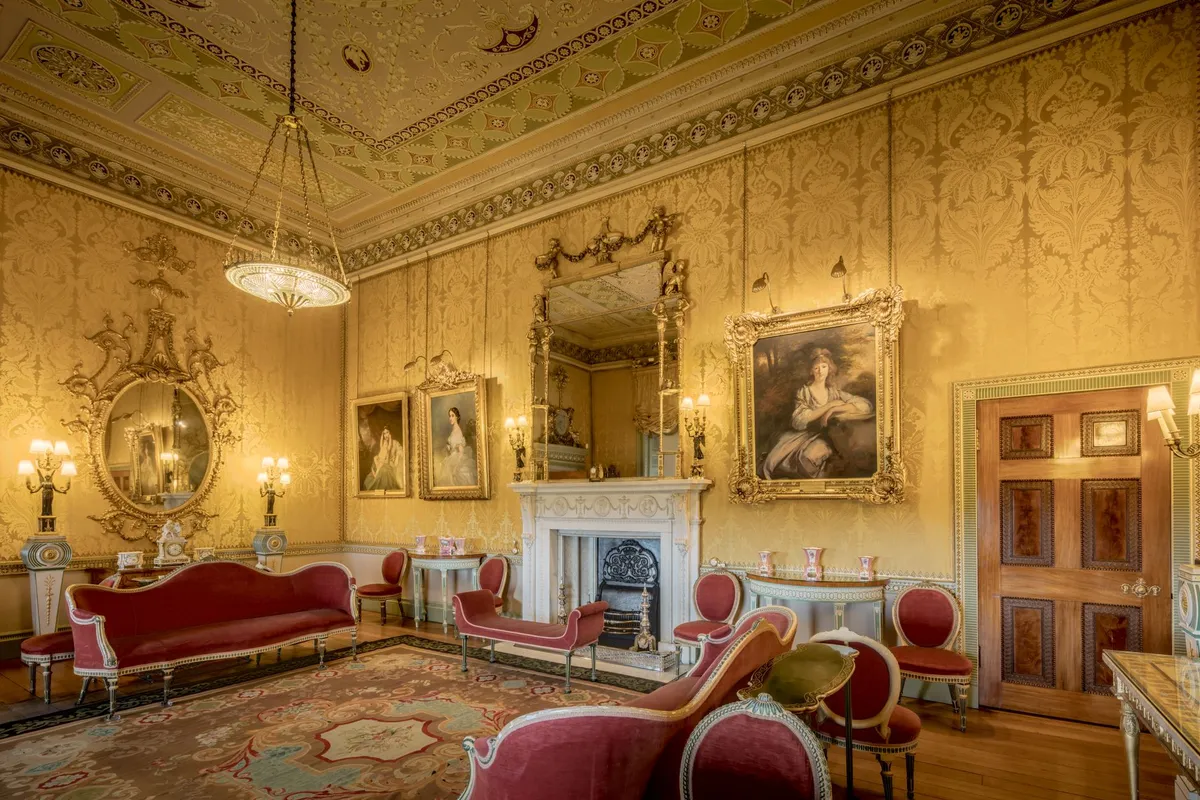
A full Victorian recreation in a modern home risks pastiche. The more effective approach is selective borrowing — taking the elements that read as sophisticated and warm in a 2026 context:
- One deeply colored room: A library or home office in dark green with picture-rail-hung art and a Persian rug is Victorian in spirit but perfectly contemporary in execution.
- A Chesterfield sofa: A tufted leather or velvet Chesterfield works in almost any setting that isn't aggressively minimalist. It adds historical depth to modern rooms.
- William Morris-influenced wallpaper: Even a single feature wall in a bedroom or bathroom with a Morris-style botanical print delivers strong Victorian character.
- Ornate lighting: Vintage-style chandeliers, wall sconces with Edison bulbs, and candle-style pendants all carry Victorian associations without committing to a fully period room.
Curious how these Victorian touches would read against your current walls and flooring? RoomRenovation.ai can render your room in a Victorian-inspired style in seconds, giving you a photorealistic preview before you commit to dark paint or expensive wallpaper.
Victorian vs. Gothic Revival vs. Edwardian
These three related styles are often confused:
- Victorian (1837–1901): The broadest category, encompassing multiple sub-styles. Heavy, eclectic, layered.
- Gothic Revival (1840s–1880s, within Victorian era): Pointed arches, church-inspired tracery, and dark ecclesiastical tones. Think Pugin rather than Morris.
- Edwardian (1901–1910): A lighter, more restrained response to Victorian excess. More white paint, lighter woods, less pattern. A transitional style that feels more accessible in contemporary homes.
FAQ
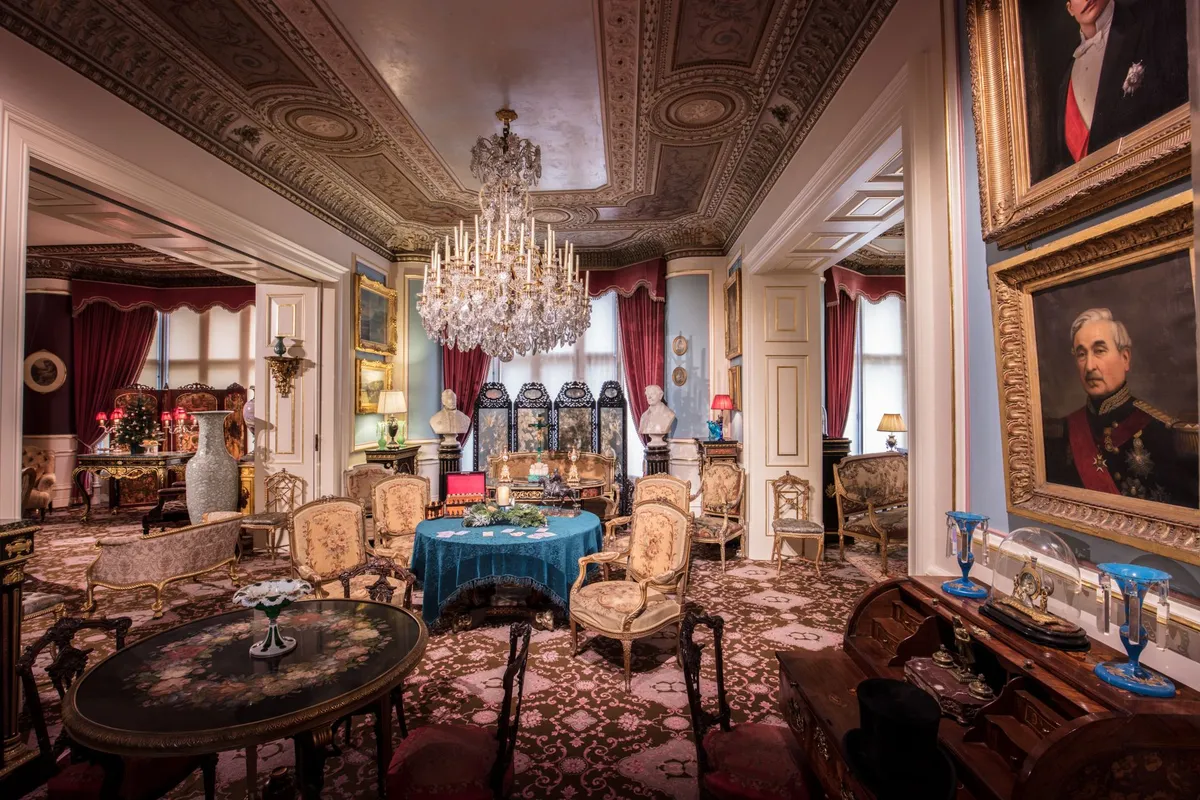
Can Victorian design work in an open-plan home? The style originated in compartmentalized rooms with specific purposes, so full Victorian treatment works better in defined spaces. In an open plan, use Victorian elements as accents — a Chesterfield grouping, botanical wallpaper on a kitchen island backsplash, pendant lights with exposed Edison bulbs — rather than attempting a comprehensive period interior.
What paint finish works best for Victorian walls? Matte or eggshell finishes were historically standard for Victorian walls and maintain authenticity. Satin is acceptable in rooms that need cleaning (kitchens, hallways). Avoid modern high-gloss finishes on Victorian-style walls — they look contemporary and undercut the period character.
How do I incorporate Victorian style without making the room dark? Keep ceilings white or near-white regardless of wall color. Use mirrors strategically — Victorians actually used a lot of mirrors. Choose upholstery in jewel tones rather than black or very dark colors. Position seating groupings near windows and ensure the pendant or chandelier provides sufficient ambient light.
Is Victorian interior design trending in 2026? Dark academia and maximalist interiors — both heavily influenced by Victorian design — have been growing consistently since 2022. The "collected over time" quality of Victorian rooms appeals to homeowners who find the perfection of algorithmic Scandi minimalism cold. Rich colors, natural materials, and layered textiles align with broader 2026 interior trends.
What's the best room in a modern home to try Victorian style? The home library or study is the most natural entry point. A room dedicated to books and intellectual work benefits enormously from dark colors, heavy shelving, a Chesterfield chair, and a statement desk lamp. The constraints of a small, defined room also make it easier to commit to the style fully without the expense of a larger space.