
Baroque Interior Design: Opulent Grandeur for Dramatic Spaces
Baroque interior design with rich velvets, gold accents, and dramatic architectural details. For those who believe more is more.
RoomRenovation.AI Team
Updated March 22, 2026
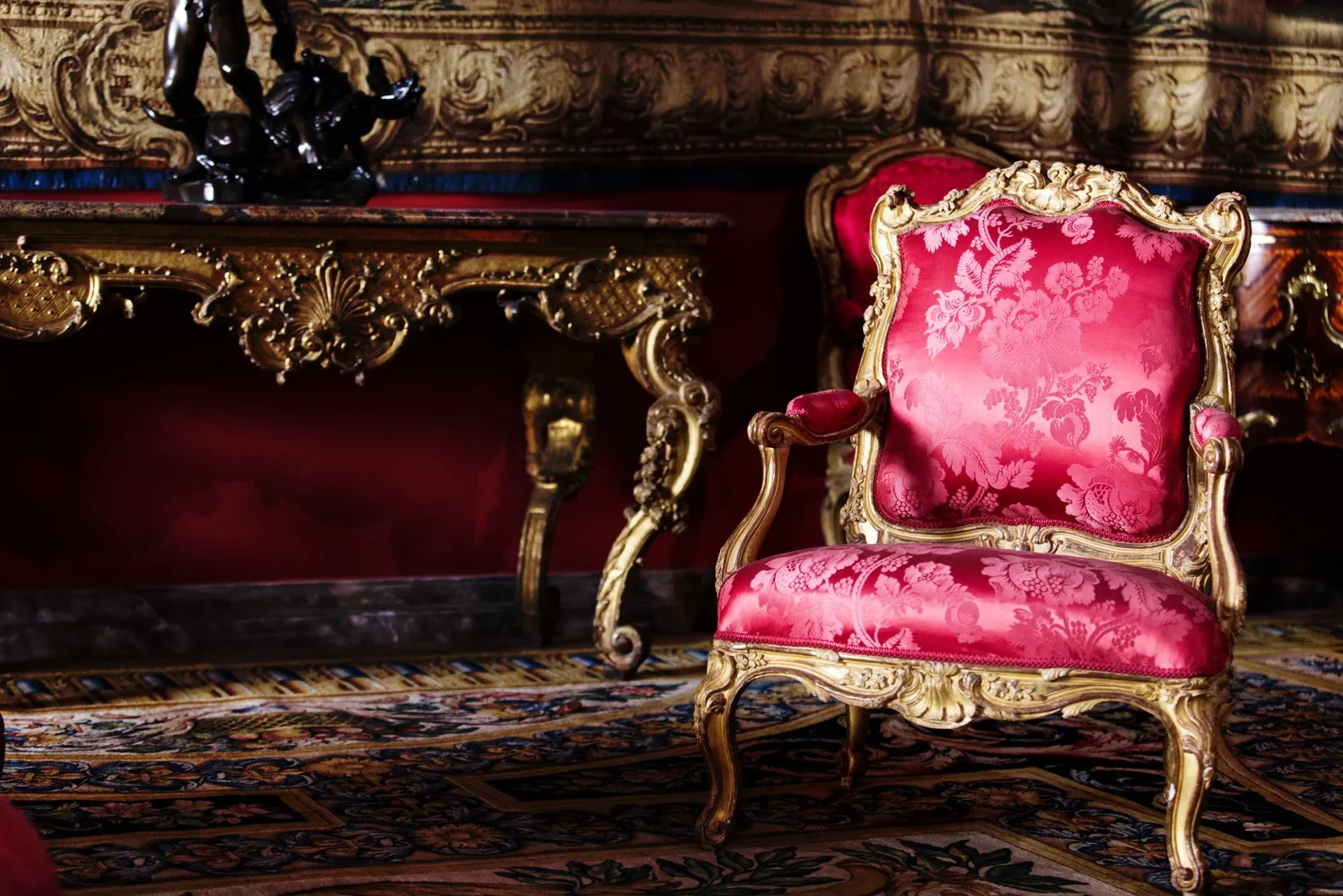
Baroque interior design is an argument — and a confident one — that grandeur, ornamentation, and emotional impact are legitimate and even necessary goals in a home. Originating in 17th-century Rome and spreading through the courts of France, Germany, and Austria, baroque aesthetics prioritize drama, contrast, and the overwhelming visual experience over restraint or simplicity. For homeowners who find minimalism emotionally cold and who believe that the right room should make your pulse rise slightly when you walk into it, baroque design offers an authoritative template.
The Core Principles of Baroque Interior Design
Baroque is not random accumulation. It has a coherent philosophy:
- Drama through contrast: Deep shadows against brilliant light, dark architectural molding against gilded mirrors, matte velvet against polished marble
- Ornament as structure: Decorative elements — carved plasterwork, painted ceilings, gilded frames — are not accessories but the architecture itself
- Scale and monumentality: Baroque rooms are intended to overwhelm. Twelve-foot ceilings, oversized mirrors, canopy beds — proportion leans large
- Rich material palette: Velvet, silk, brocade, marble, gilded wood, inlaid parquetry, hand-painted murals
- Asymmetric dynamism: Unlike classical symmetry, baroque compositions often build toward a single focal point through diagonal movement and layered complexity
The Baroque Color Palette
Baroque color is simultaneously rich and restrained in its range — it does not use every color, but it uses its chosen colors deeply and without apology.
Dominant Colors
- Deep burgundy and oxblood: The signature baroque red, often seen in velvet upholstery, wall coverings, and drapery
- Forest and hunter greens: Used in contrast with gold, particularly in libraries and studies
- Prussian blue and midnight navy: Dramatic, aristocratic, especially effective on decorative ceilings and behind gilded picture rails
- Warm chocolate and espresso browns: In walnut furniture, mahogany cabinets, and dark oak flooring
Metallics and Accent Colors
Gold is the defining metallic of baroque design — not yellow gold or brushed modern gold, but warm, slightly aged antique gold as seen in gilded furniture legs, chandelier arms, and picture frames. Silver and brass appear in secondary roles. Ivory and cream function as the "light" in the dramatic light-dark contrast that defines the style.
Furniture in Baroque Interiors
Baroque furniture is characterized by carved, curved, and heavily ornamented forms. Key characteristics:
- Cabriole legs — the S-curved furniture leg that defines baroque and rococo seating and case pieces
- Heavy carved crests on headboards, chair backs, and mirror frames — often featuring acanthus leaves, putti figures, shells, and scrollwork
- Upholstery in rich textiles: Silk damask, cut velvet, tapestry fabric, and brocade — usually in the deep red, green, or gold color palette
- Lacquered and gilded finishes: Vernis Martin (French lacquerwork), ebonized wood with ormolu mounts, or mahogany with applied gilt decoration
- Imposing proportions: A baroque armchair (fauteuil) is a throne-like object; baroque dining chairs are high-backed and architectural
Key Furniture Pieces to Source
- A gilded console table with carved legs and a marble top for an entry hall
- A canopy bed with rich fabric hangings for a master bedroom
- An oversized armoire with carved pediment for bedroom or living room storage
- A writing bureau or secretary desk in dark wood with brass fittings
- Upholstered seating in pairs — baroque rooms favor symmetrically paired sofas or bergère chairs flanking a fireplace
Architectural Details: Where Baroque Lives
More than any other style, baroque design depends on architectural elements rather than furnishings alone. Without the right bones, individual baroque pieces feel theatrical without purpose.
Ceiling Treatment
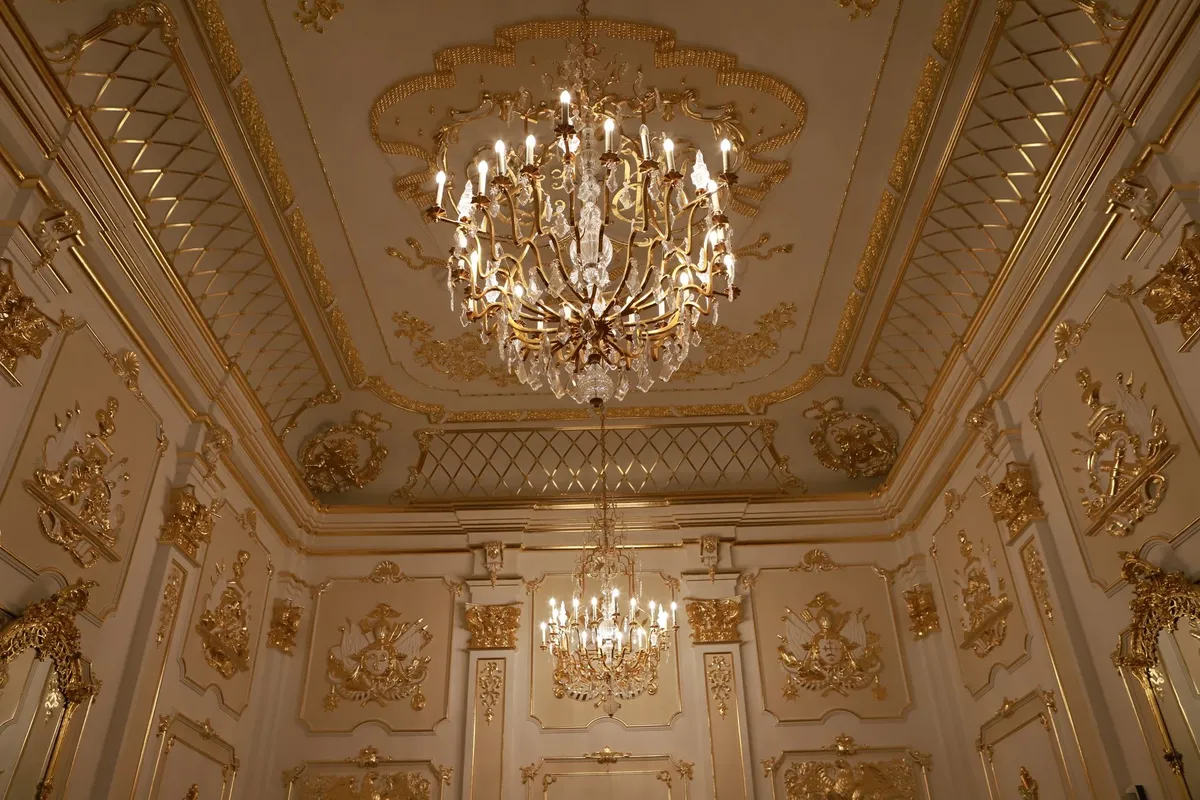
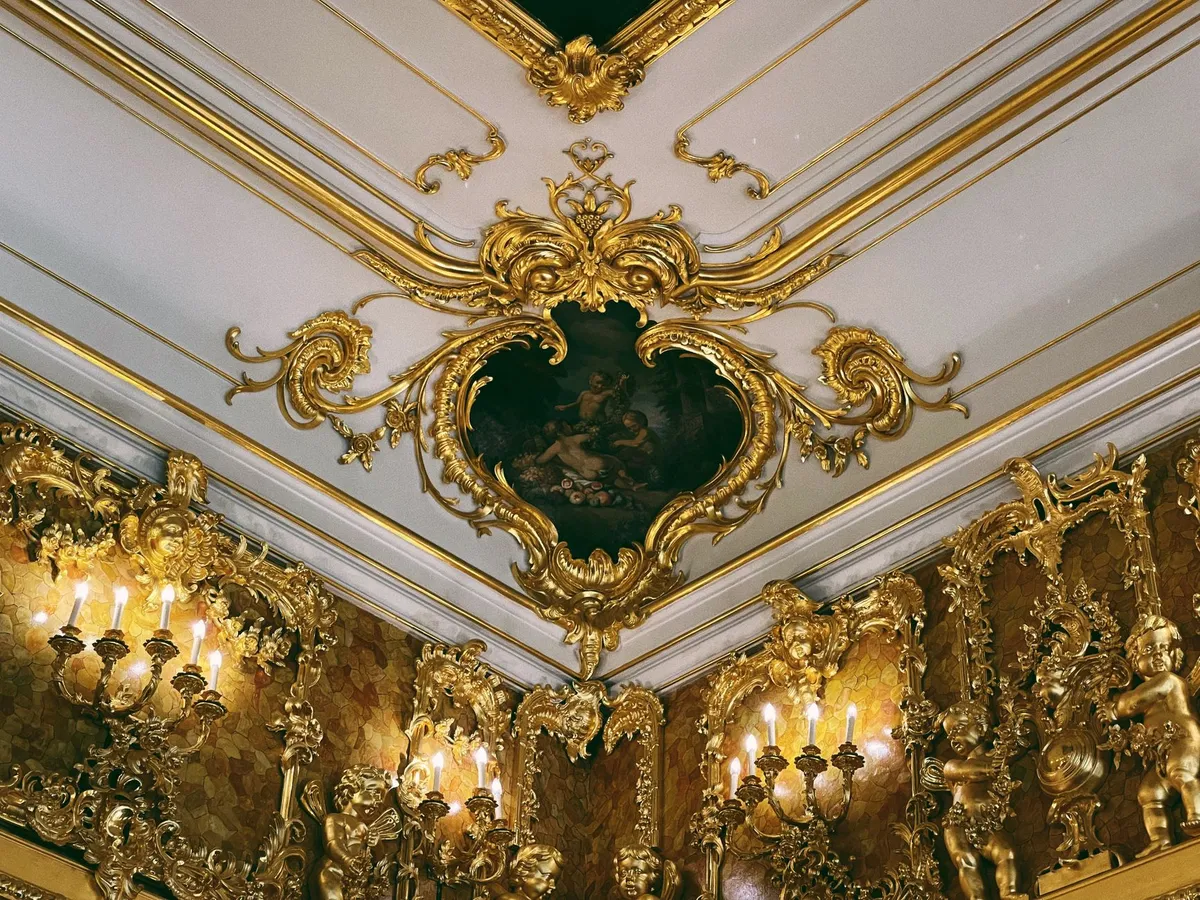
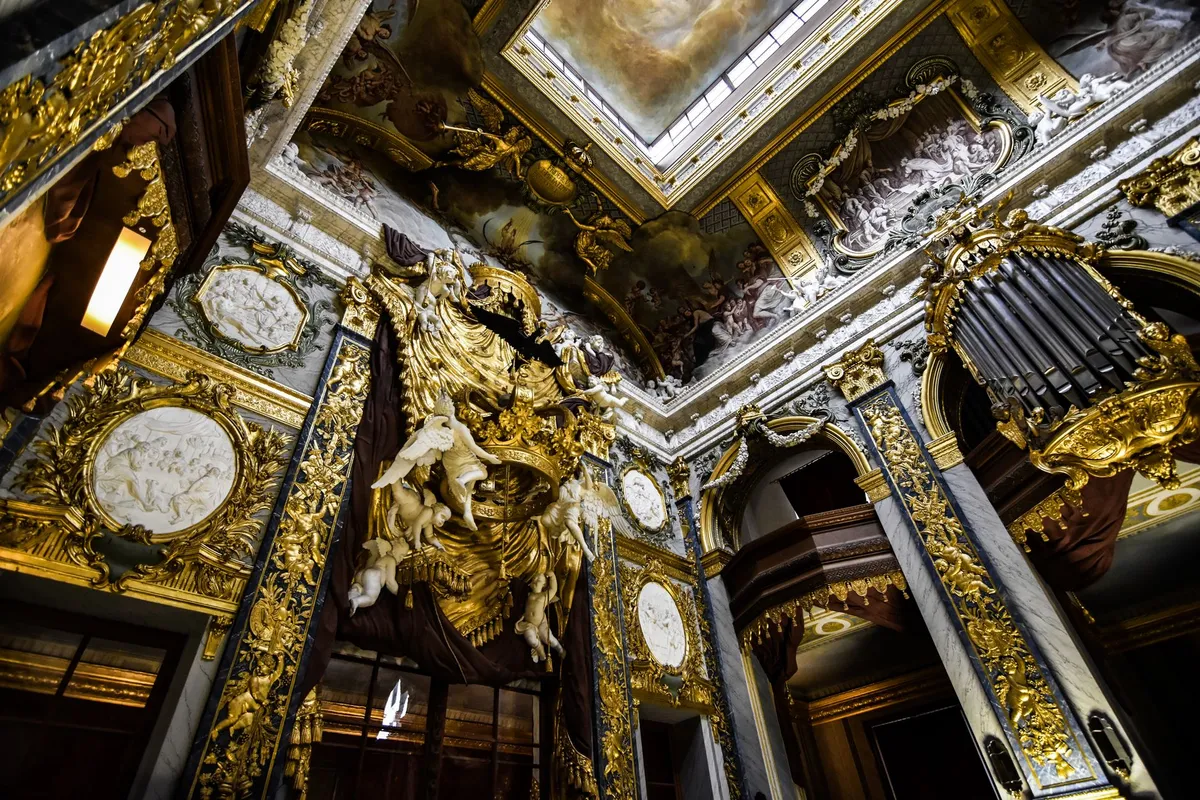
The baroque ceiling is a canvas. Tray ceilings with ornate molding, coffered ceilings with carved rosettes, painted plaster medallions, and trompe-l'œil cloud murals all derive from the baroque tradition. At minimum, an elaborate plaster ceiling medallion and wide crown molding with dentil details establish the architectural context for everything below.
Wall Treatments
Paneled walls — either actual wood wainscoting capped with elaborate molding, or high-quality wallpaper simulating paneled effects — define the baroque wall. Damask wallpaper in gold on ivory or deep red on gold is the most recognizable baroque wall choice. Alternatively, richly painted plaster walls in jewel tones with stenciled architectural borders can achieve similar effect.
Flooring
Baroque floors feature pattern and material contrast: parquet in herringbone or Versailles tile patterns, marble in black-and-white checkerboard or inlaid floral motifs, or wide-plank dark hardwood with decorative area rugs in Aubusson or Persian weaves.
Lighting: Chandeliers, Candles, and Drama
Lighting in baroque interiors is theatrical. The chandelier — crystal, gilded iron, or painted ceramic — is often the most important decorative object in the room:
- Crystal chandeliers with many arms scatter prismatic light across ceilings and walls, a baroque hallmark since Versailles
- Candelabras and sconces supplement overhead light with warm, directional side lighting — historically candle-based, now effectively replicated with warm incandescent or Edison-style bulbs
- Wall torchières — upward-facing wall-mounted fixtures — illuminate ceiling details and add vertical emphasis
- Avoid cool-white LED lighting entirely in a baroque room. The color temperature should be below 2700K to maintain the warm, golden quality that the style demands
Textiles and Drapery
Window treatments in baroque rooms are architectural events in themselves — not decorative afterthoughts. Characteristics to aim for:
- Floor-to-ceiling height — drapery hung from the highest possible point extends the perceived wall height and creates the grand sweep that baroque rooms require
- Heavy fabrics — velvet, silk taffeta, dupioni silk, brocade, and jacquard all belong here; linen and cotton do not
- Elaborate hardware — gilded poles, ornate rings, finials with carved or cast decorative motifs
- Layering — sheer silk undercurtains with heavy velvet overcurtains provide the light control and visual depth the style requires
Adapting Baroque Design for Contemporary Homes
Full baroque execution requires the architectural context to support it — high ceilings, large rooms, period-appropriate buildings. In a contemporary home, strategic application of baroque elements delivers the drama without requiring palatial dimensions:
- The statement mirror: A single heavily carved, gilded mirror in an otherwise spare entry hall or bathroom delivers baroque's visual impact at minimal cost
- One upholstered accent piece: A velvet tufted chair or chaise in deep burgundy anchors a modern living room without overwhelming it
- Ceiling medallion and crystal pendant: Adding a decorative plaster medallion and crystal chandelier to a plain ceiling transforms the room's character dramatically
- Rich wall color: Deep jewel-toned walls in a dining room or powder room are the most cost-effective way to achieve the baroque mood without renovating
Want to see how baroque elements would work in your actual room? Try an AI render at RoomRenovation.ai — upload your room photo and select the Baroque or Luxury style preset to see a photorealistic visualization before committing to anything.
Common Mistakes in Baroque-Inspired Interiors
- Gold everything: Baroque uses gold strategically, as an accent that earns its visual weight through contrast with dark or rich background tones. An all-gold room reads as tacky, not baroque.
- Mixing too many periods: Baroque, rococo, empire, and Victorian are related but distinct styles. Mixing without a disciplined editorial eye produces stylistic confusion rather than richness.
- Ignoring scale: A single small baroque piece in a contemporary room often looks out of place. Go large or go multiple — a pair of baroque chairs rather than one reads as intentional.
- Overlooking ceilings: Baroque rooms exist from floor to ceiling. A magnificent chandelier in a plain, low-ceilinged room loses most of its impact. Address the ceiling first.
FAQ
Is baroque interior design the same as maximalism? They overlap but are distinct. Baroque is a specific historical and aesthetic tradition with defined characteristics — particular furniture forms, specific material palettes, architectural dependence. Maximalism is a contemporary attitude toward abundance that may or may not draw on baroque traditions. A maximalist room might be colorful and layered without any baroque elements at all.
Can baroque design work in a small apartment? Yes, with deliberate editing. Choose two or three statement baroque elements — a mirror, a chandelier, velvet upholstery — and keep everything else simple. The contrast between one dramatic baroque piece and a pared-back background is often more effective than a fully furnished baroque room at full scale.
What's the difference between baroque and rococo? Baroque is the earlier and more austere of the two — grand, dramatic, architectural, and often somber in its color palette. Rococo (1730s–1780s) emerged as a lighter, more playful, more feminine development of baroque — pastel colors, asymmetric floral ornamentation, and more delicate forms. Marie Antoinette's Versailles apartments are rococo; Louis XIV's state rooms are baroque.
How do I source authentic or high-quality baroque furniture without spending a fortune? Auction houses and estate sales are the best sources for genuine period pieces at reasonable prices. For reproductions, look for pieces with solid wood construction, visible hand-carving detail, and quality upholstery — avoid resin-cast "carved" details or pressed wood frames. European antique dealers and specialty imports often offer the best ratio of quality to cost.