
Teen Bedroom Makeover Ideas: AI Visualization for Growing Spaces
Teen bedroom design ideas that balance style and function for adolescents. See layouts, color schemes, and furniture that work for study, sleep, and socializing.
RoomRenovation.AI Team
Updated March 24, 2026
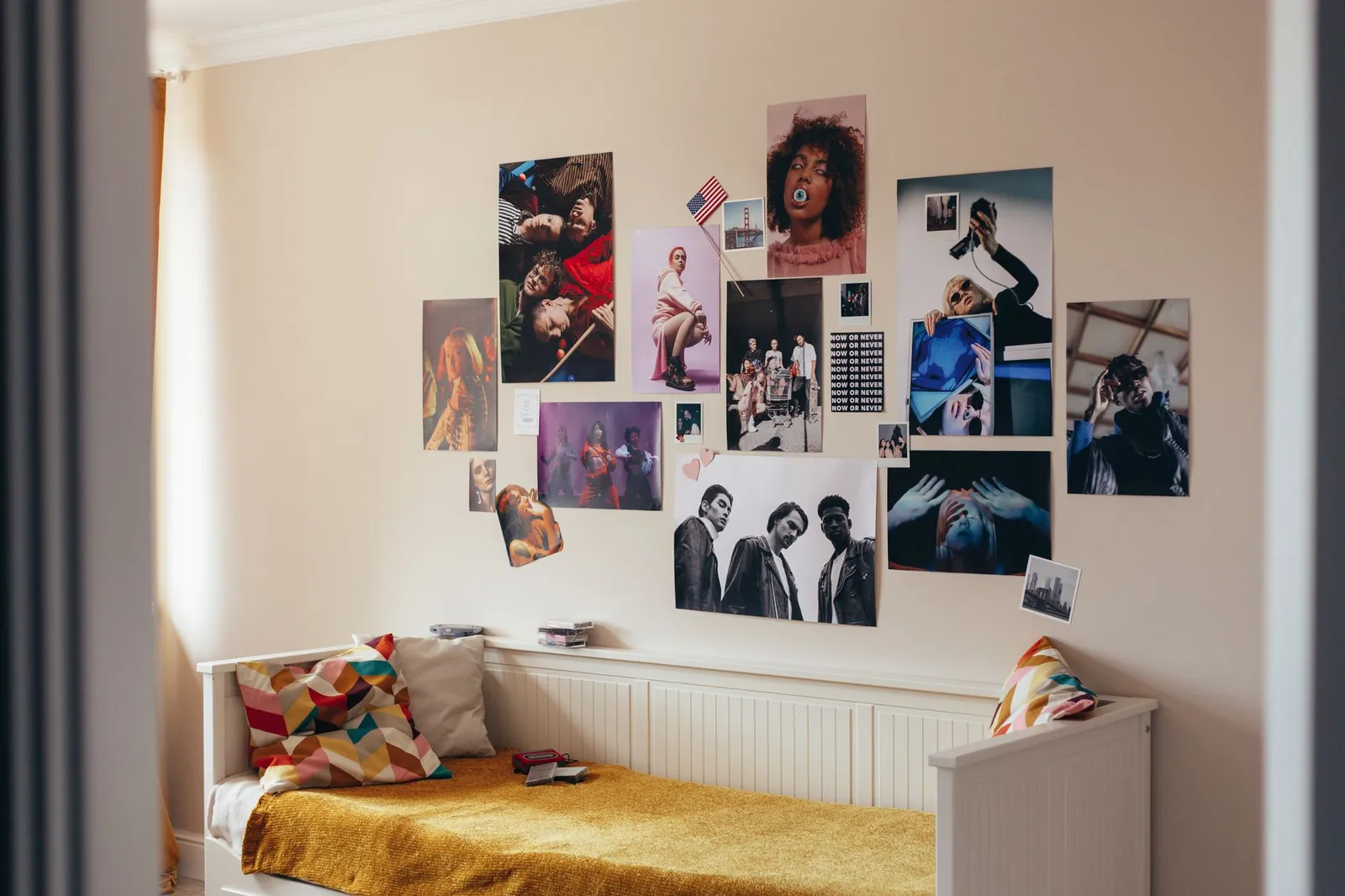
Teen bedroom design sits at a genuinely difficult intersection: the room must function as a study environment, a social space, a retreat for sleep, and an expression of an identity that's still forming — and it needs to serve all of these roles simultaneously in what is often the smallest bedroom in the house. AI visualization tools are especially useful here, because they let teenagers see multiple design directions in their actual room before committing to a paint color or furniture arrangement they might outgrow in 18 months.
Understanding What Teen Bedrooms Actually Need
Successful teen bedroom design starts by mapping the real uses of the space. A teenager who does homework at a desk, edits video at a second screen, hosts one or two friends after school, and needs darkness for irregular sleep hours has a genuinely complex brief. Most teen bedroom mistakes happen when one function (usually sleep aesthetics — the bed setup) consumes most of the design attention while the others are treated as afterthoughts. A better approach allocates square footage and design energy to each distinct zone proportionally to how many hours per day that zone is actually used.
The Three Essential Zones
Zone 1: Study and Work
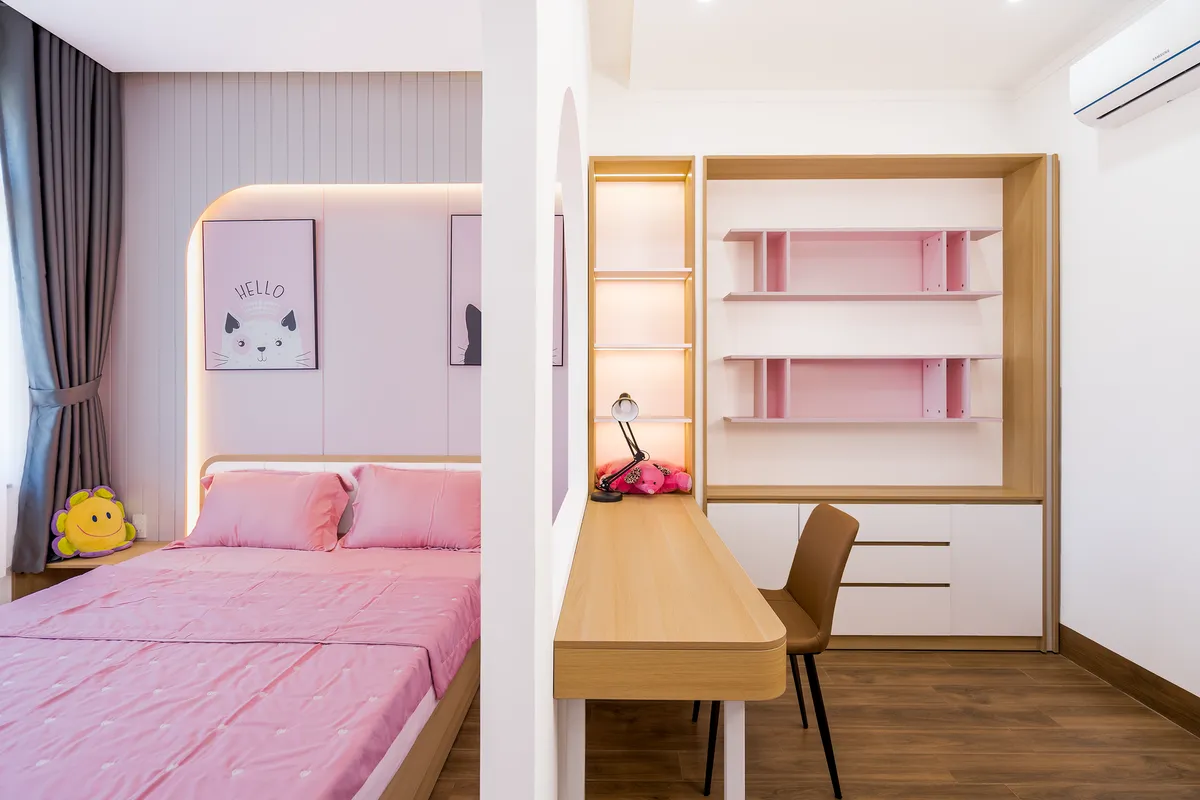
Teenagers spend a substantial portion of waking hours studying, doing homework, or working on screens. This zone deserves a proper desk (not a floating ledge too small for a laptop and notebook simultaneously), an ergonomic chair at the right height, good task lighting, and power access for devices. Minimum functional desk width: 48 inches. A 60-inch desk that accommodates two monitors, notebooks, and a lamp without crowding is ideal where space allows. The work zone should face a wall (for focus) with the door visible in peripheral vision — the same logic that applies to adult offices.
Zone 2: Sleep and Rest
The bed is still the largest piece of furniture and the room's natural focal point. Quality matters here: a teenager's sleep directly affects academic performance, mood regulation, and health. A decent mattress in the $400–$800 range is an investment with measurable returns. Bedding should be washable at home (not dry-clean only), durable, and appropriate for the teen's actual thermal preferences rather than chosen primarily for aesthetics. Blackout curtains or shades are valuable for teenagers, who often have shifted circadian rhythms and need help sleeping both later in the morning and in varying light conditions.
Zone 3: Personal Expression and Social Space
The teen bedroom is a privacy zone and identity incubator. The design should accommodate the things that matter most to the teenager specifically — whether that's a music setup, an art corner, a gaming station, or a hanging space for clothing they've curated. A gallery wall, a corkboard or magnetic panel for rotating displays, or a dedicated shelf for collectibles are low-cost ways to accommodate personal expression without requiring a complete room redesign every time preferences evolve.
Color Strategy for Teen Bedrooms
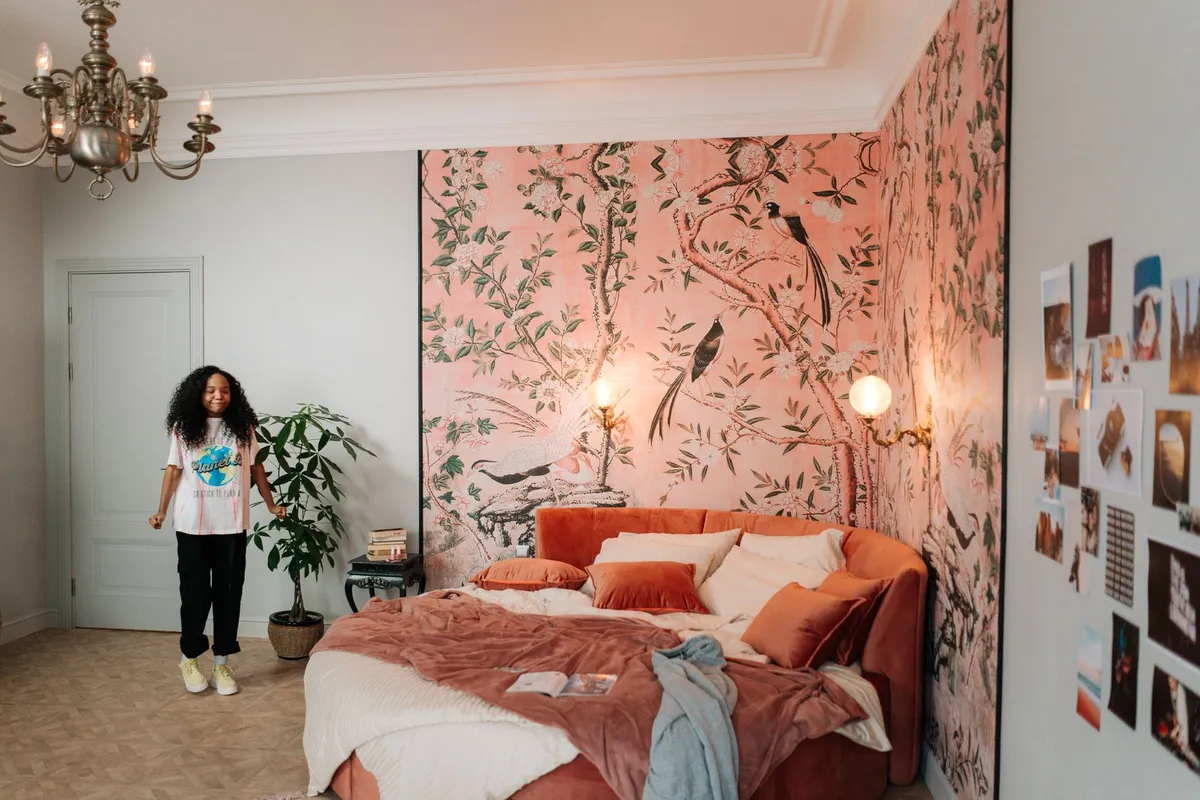
The most common teen bedroom color mistake is choosing trendy accent colors for permanent elements (painted walls, furniture upholstery) and having to redo them when the trend passes. A more durable approach: use a neutral or classic base — warm white, soft gray, dusty sage, or charcoal — for permanent elements, and express personality through replaceable accessories (bedding, throw pillows, wall art, desk accessories). A dusty green or warm terracotta accent wall is less risky than a primary-color full-room treatment because the base is still livable if tastes shift.
What Teens Actually Ask For (And What Usually Works)
When teenagers participate in design decisions (which they should — it's their space), they often request bold color, maximalist pattern, or very specific aesthetic themes. These can be honored in ways that also satisfy the practical requirements:
- Dark walls: Deep navy, forest green, or charcoal works well in a teen room if the ceiling stays light and the bedding is light enough to contrast. Add layered warm lighting to prevent cave-effect.
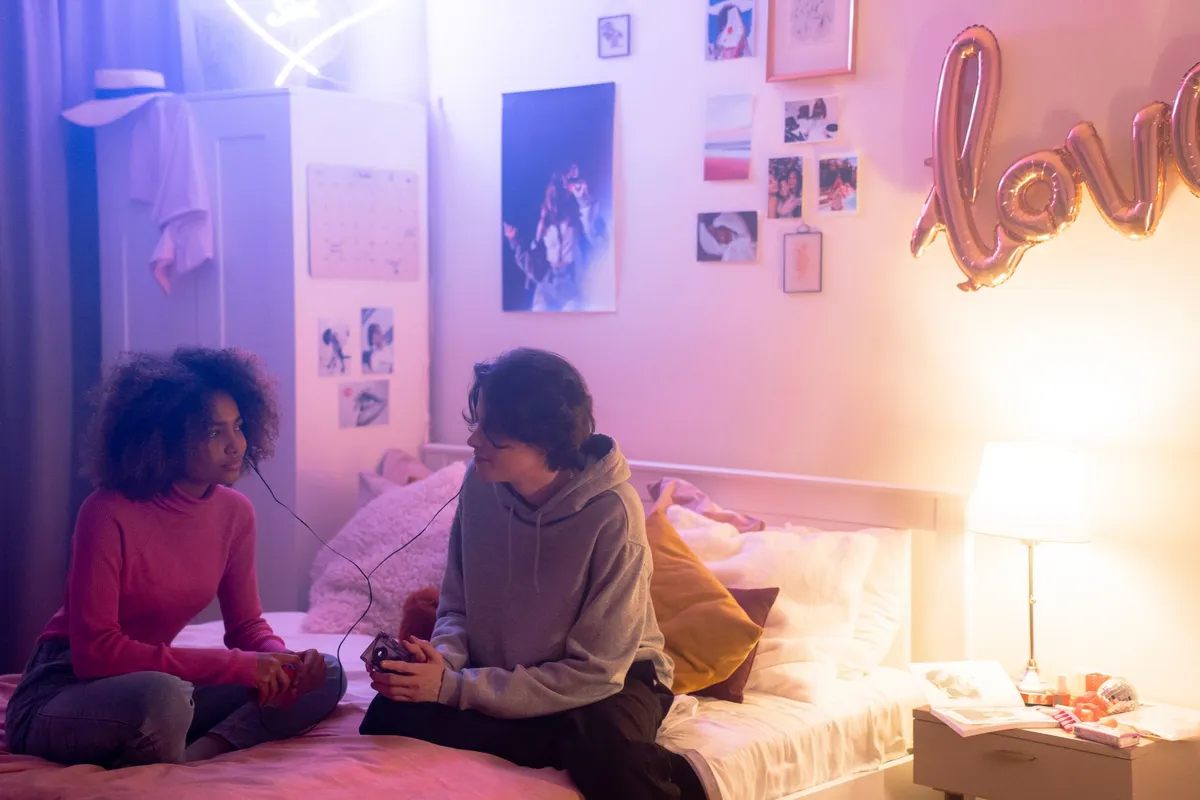
- Gaming aesthetic: Can be executed with good quality without LED strip light overload. Ergonomic gaming chair, adjustable monitor arm, a structured cable management system, and a feature lighting element (a single neon sign, quality backlit panel) reads as intentional rather than chaotic.
- Maximalist display: Gallery walls, shelf displays, and hanging textiles can accommodate maximum personal expression without structural commitment.
Furniture That Grows with Teenagers
The smartest furniture investments for teen bedrooms are pieces that remain useful through multiple style phases rather than being theme-specific:
- A solid bed frame in a neutral finish: Natural wood or matte black metal reads well with almost any bedding and style direction for five to ten years.
- A desk with storage: L-shaped or compact desk with a drawer unit underneath serves homework, screens, and creative work across changing interests.
- Adjustable shelving: Peg or slot-based shelving systems (IKEA Kallax, Elfa) let the storage configuration change without replacing the shelving unit.
- A comfortable reading or lounging chair: A quality accent chair provides a secondary seat for friends or solo relaxing that can be reupholstered if preferences change.
Small Teen Bedrooms: Maximizing Function in Limited Space
When the bedroom is small — which it often is in multi-child households — design strategies that consolidate functions into fewer square feet become essential:
- Loft beds: Elevating the sleeping zone frees the entire floor area beneath for a desk, wardrobe, or seating. Loft beds work well for teenagers who are comfortable with heights and whose ceilings are at least 9 feet (8.5 feet minimum). Budget $500–$1,500 for quality loft bed frames.
- Murphy beds: A wall-mounted fold-down bed converts the sleeping area into a full studio during waking hours. More practical for teenagers who have friends over frequently and want floor space for a specific purpose (dance, art, gaming on a floor mat).
- Built-in storage under the bed: Platform beds with integrated storage drawers recover the typically wasted under-bed zone. Look for options with full-extension drawers (not just two inches) that can actually store seasonal items, sports equipment, or extra bedding.
- Vertical storage: Floor-to-ceiling shelving uses the vertical dimension that teen bedrooms consistently waste. Books, equipment, display items, and baskets for folded clothing all work here.
Visualizing Teen Bedroom Makeovers with AI
Including teenagers in the design process improves both buy-in and the final result, but it also multiplies the directions to evaluate. AI visualization resolves this efficiently: instead of debating abstract descriptions of "dark moody" versus "light natural" aesthetics, you can upload a photo of the actual bedroom and generate photorealistic renders of each direction in minutes. The teenager sees exactly how a deep navy wall would look with their current furniture, or how a rearranged layout would change the feel of the room.
Try a free AI render of your teen's current bedroom to preview style directions before any decisions are made. The full tool lets you cycle through 30+ style directions in the same room — a practical shortcut to convergence on a design everyone is happy with. See the bedroom design hub for more inspiration across age groups and room sizes.
Budget Ranges for Teen Bedroom Makeovers in 2026
- Refresh ($300–$1,000): New bedding, paint, desk organization, gallery wall, and updated lighting. The highest-impact budget tier for teen rooms.
- Mid-range makeover ($1,000–$3,500): New desk and chair, updated bed frame and mattress, better storage, and a full style cohesion overhaul with paint and accessories.
- Full room renovation ($3,500–$8,000): New flooring, custom built-ins, loft or Murphy bed, quality ergonomic study setup, and professional lighting. Makes sense when the teenager will occupy the room for 5+ more years.
FAQ
How do I design a teen bedroom that won't look dated in two years? Use classic, neutral furniture in timeless shapes and express personality through replaceable accessories — bedding, art, desk items. A quality wood bed frame and a neutral desk in white or natural oak will accommodate multiple style phases without replacement.
Should teenagers participate in their bedroom design? Yes, actively. Teenagers who helped design their rooms are more likely to maintain them and feel genuine ownership of the space. Use AI visualization to make the conversation visual and concrete rather than abstract — it's much easier to reach agreement when everyone can see exactly what each direction would look like.
What's the most important furniture investment for a teen bedroom? A quality mattress, followed by a functional desk with adequate surface space. Sleep quality and study quality are the functional priorities — both directly affect school performance and wellbeing more than any aesthetic decision.
How do I create a gaming setup in a teen bedroom without it looking chaotic? Structured cable management is the first step — a cable tray under the desk and labeled power strip eliminates most visual chaos. A monitor arm keeps equipment at eye level without cluttering the desk surface. And choosing a color palette for the setup (rather than mixing unrelated RGB lighting colors) makes it feel intentional rather than accumulative.
What paint colors work well for teen bedrooms? Dusty green (sage to forest), deep navy, warm terracotta, and charcoal are popular in 2026 and readable as both trendy-now and classically interesting in a few years. Avoid neon primaries and highly saturated brights on large surfaces — they're exciting immediately but fatiguing for a room occupied eight or more hours a day.