
How to Renovate a Living Room on a Budget in 2026
Budget living room renovation ideas that deliver maximum impact. Low-cost transformations, DIY updates, and high-ROI improvements for every homeowner.
RoomRenovation.AI Team
Updated March 20, 2026
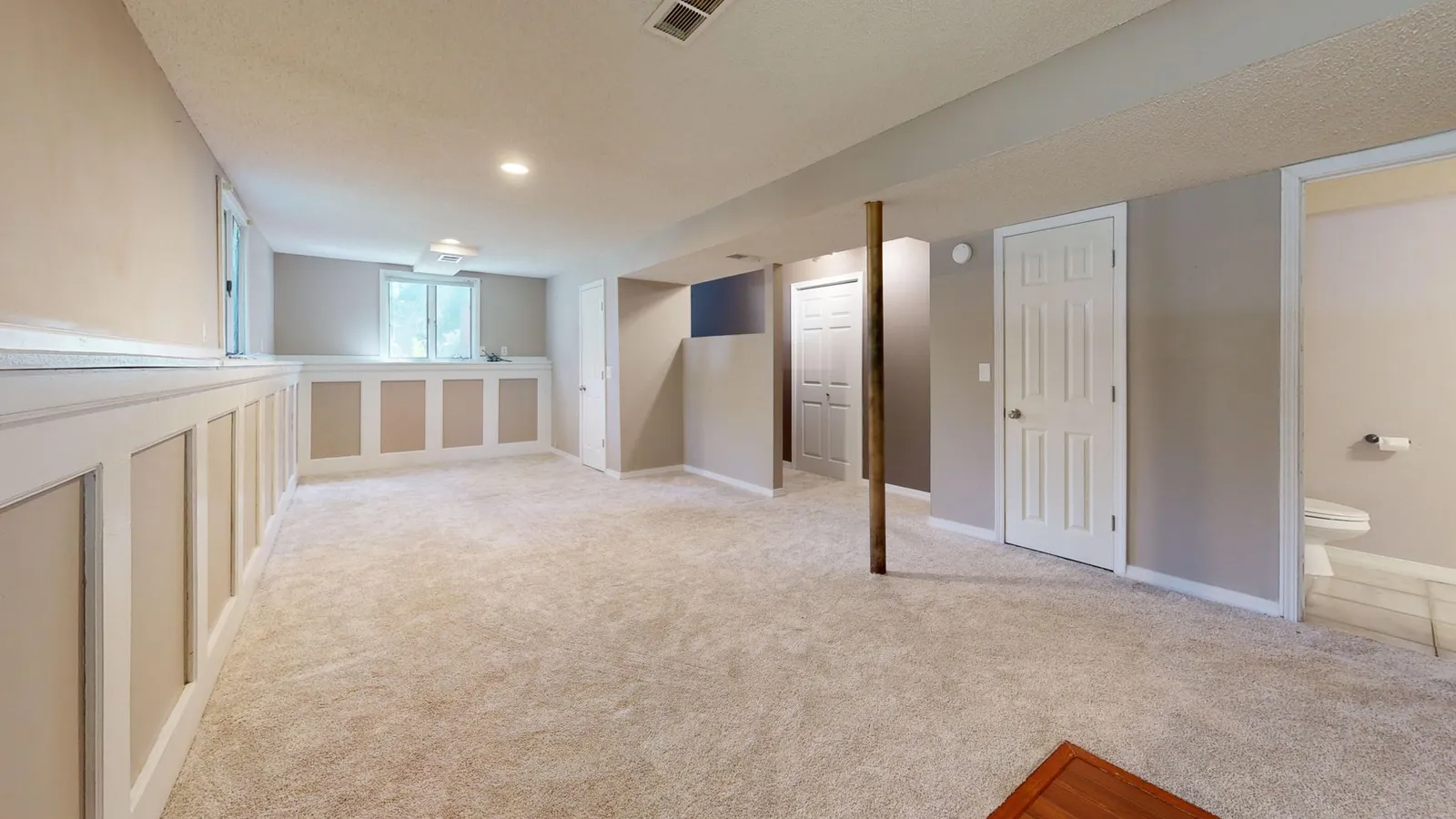
Renovating a living room on a budget in 2026 requires discipline about where money creates visible impact and where it gets absorbed without changing how the space feels. The good news is that living rooms have a higher ratio of high-impact-low-cost moves than almost any other room in the house. Paint, lighting, furniture arrangement, and a handful of well-chosen accessories can transform a dated space for under $1,000 — if you know which levers actually matter.
Set a Realistic Budget and Prioritize Ruthlessly
Before buying anything, audit your current living room honestly. List what genuinely needs replacing versus what needs cleaning, painting, or rearranging. Most people overestimate how much they need to replace and underestimate how much a coat of paint and better lighting can accomplish. A working budget breakdown for a meaningful living room refresh in 2026:
- Under $500: Paint (including primer and supplies), updated light switch plates and outlet covers, rearranged furniture, new throw pillows, and one statement plant.
- $500–$2,000: Everything above plus new lighting fixture, one quality area rug, updated window treatments, and small accent furniture (side table, bookshelf).
- $2,000–$5,000: A full refresh including a new sofa or sectional, full lighting update, custom window treatments, refinished or new floors, and a feature wall treatment.
Full gut renovations — knocking walls, rewiring, or replacing flooring throughout — start at $10,000 and go significantly higher. The living room renovation cost guide breaks down national averages for each project type.
The Highest-ROI Budget Living Room Updates
Paint: The Undisputed Leader
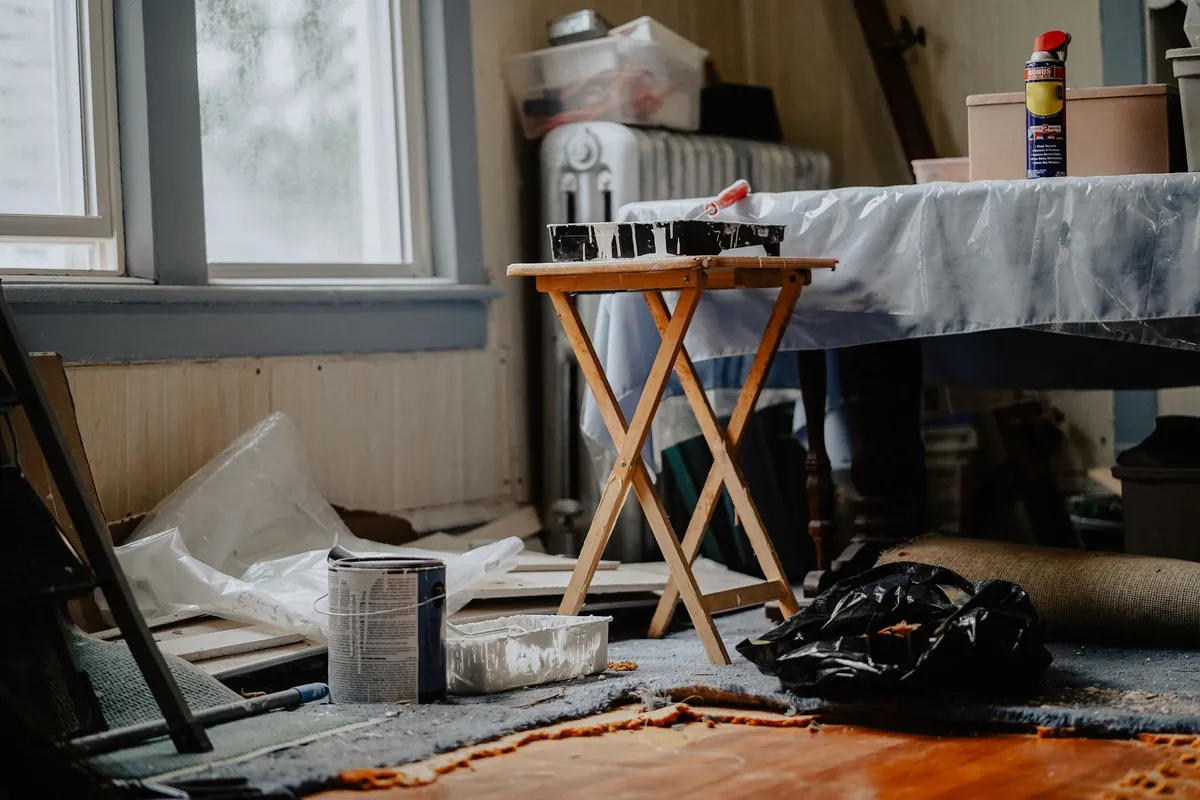
A gallon of quality interior paint costs $50–$80, and a full room's worth of paint and primer runs $150–$300 including supplies. No other investment comes close to delivering the visual change per dollar that a fresh coat of paint provides. The key decisions: go a shade darker or more saturated than you think you need (paint reads lighter on walls than on a chip), and don't skip the ceiling — painting it the same color as the walls or one shade lighter creates a sense of enclosure and intentionality that "builder beige" ceilings undermine.
Lighting: The Undervalued Transformer
Replacing a dated overhead fixture costs $80–$400 for the fixture and $100–$200 if you use an electrician. Adding floor and table lamps — layered rather than relying on one ceiling source — changes how a room feels more than almost any other single intervention. Warm white bulbs (2700K) create a cozier atmosphere than the cool white bulbs that often come stock in fixtures. Smart bulbs with dimmable warmth (Phillips Hue, Govee, or IKEA Tradfri) run $15–$30 per bulb and let you tune the atmosphere for time of day.
Furniture Arrangement
Before buying anything, try moving what you already own. The most common living room mistake is pushing all furniture to the walls — it makes the room feel larger in theory but actually creates a disjointed, waiting-room effect. Float the sofa away from the wall (12–18 inches is often enough), create a conversation grouping centered on a focal point (fireplace, TV, or a statement piece), and angle a chair slightly rather than squaring it to the room. This costs nothing and often reveals that the room works better than you thought with what you already have.
Rugs: Grounding the Space
An area rug defines the conversation zone and adds color, pattern, and acoustic absorption. The most common mistake is buying a rug that's too small — the front legs of all major seating should be on the rug. In a typical living room, that means an 8×10 or 9×12 rug. Quality rugs at accessible price points include Ruggable (washable, $200–$400), IKEA's flat-weave options ($99–$200), and Loloi through Target partnerships ($150–$450 for decent sizes).
Smart Spending on Living Room Furniture
Sofas are where budget renovations most often go wrong — buying cheap and replacing often costs more over a decade than buying one quality piece initially. A well-built sofa in a timeless shape (tight-back, kiln-dried hardwood frame, 8-way hand-tied springs) from a mid-tier brand runs $900–$2,500 and should last 15+ years. Avoid deeply discounted sofas with particleboard frames or polyester blend fabrics — they compress and pill within two or three years.
Accent furniture — side tables, ottomans, shelving, lamps — is where budget-friendly sources shine. IKEA, CB2 sale items, Facebook Marketplace, and estate sales regularly yield quality pieces at a fraction of retail. The living room's secondary pieces don't need to match the budget or standard of the primary seating.
Budget-Friendly Feature Wall Ideas
A feature wall adds architectural interest without requiring full-room treatment. Cost-effective approaches in 2026:
- Limewash paint: $60–$120 for the treatment, creates a textured, aged plaster effect that looks expensive. Brands include Portola Paints and Arborcoat.
- Shiplap or board-and-batten: Materials cost $150–$400 for a typical wall; DIY installation is straightforward for anyone with basic carpentry skills.
- Peel-and-stick wallpaper: $30–$80 per roll, removable, and available in patterns that would cost $150+ per roll in traditional wallpaper. Quality has improved dramatically; brands like Tempaper and Chasing Paper are renter-friendly options.
- Gallery wall: Frames from IKEA or thrift stores ($2–$15 each), personal photos or printed artwork (many art print services offer museum-quality prints for $15–$40), and a deliberate arrangement create a personalized feature that costs under $200 total.
Visualizing Your Budget Renovation Before You Spend
One of the costliest budget renovation mistakes is buying materials or furniture based on how they look in a showroom or website photo — and discovering they clash with your room's existing light, floor color, or proportions. AI room visualization lets you preview changes in your actual space before spending anything. Using RoomRenovation.ai's free render tool, upload a photo of your current living room and see how different paint colors, furniture arrangements, and style choices would actually look. You can preview modern minimalist, Scandinavian, or dozens of other looks applied to your specific room.
What to Skip on a Budget Renovation
Equally important as knowing where to spend is knowing where not to:
- Trendy accessories in quantity: One statement piece works; filling a room with this season's trending items looks dated the moment the trend passes and wastes money on things you'll want to remove in 18 months.
- Cheap "statement" furniture: An inexpensive sofa in an unusual shape or bold color makes a statement, but it's one you'll tire of quickly and that won't survive being reupholstered if you change your mind.
- Extensive built-ins on a tight budget: Custom cabinetry and built-in shelving are high-value upgrades, but their cost (typically $1,000–$3,000 for a wall of built-ins) means they crowd out other improvements on a tight budget. Consider flat-pack alternatives from IKEA's Billy or PAX systems instead.
FAQ
What is the cheapest way to update a living room? Rearrange your existing furniture, clean and declutter thoroughly, paint the walls, and change your light bulbs to warm-white LEDs. Done well, this package costs under $200 and has a larger visual impact than many more expensive interventions.
How much does a basic living room renovation cost in 2026? A meaningful cosmetic refresh — paint, new lighting, rug, and throw pillows — runs $500–$1,500. A full renovation with new floors, updated furniture, and window treatments typically costs $3,000–$8,000, depending on room size and material choices. See the living room cost guide for more detailed estimates.
Can I renovate a living room for $1,000? Yes, with selective choices. Prioritize paint, a quality rug, updated lighting, and two or three well-chosen accessories. Skip new major furniture unless you find exceptional value on Marketplace or at an estate sale. Many $1,000 refreshes look substantially better than $3,000 renovations with different prioritization.
Is it worth hiring an interior designer for a budget renovation? Most traditional interior designers charge $100–$250 per hour, making them difficult to justify on a budget under $5,000. AI visualization tools like RoomRenovation.ai provide the design preview and style exploration capability without the consultation fee, letting you make informed decisions independently.
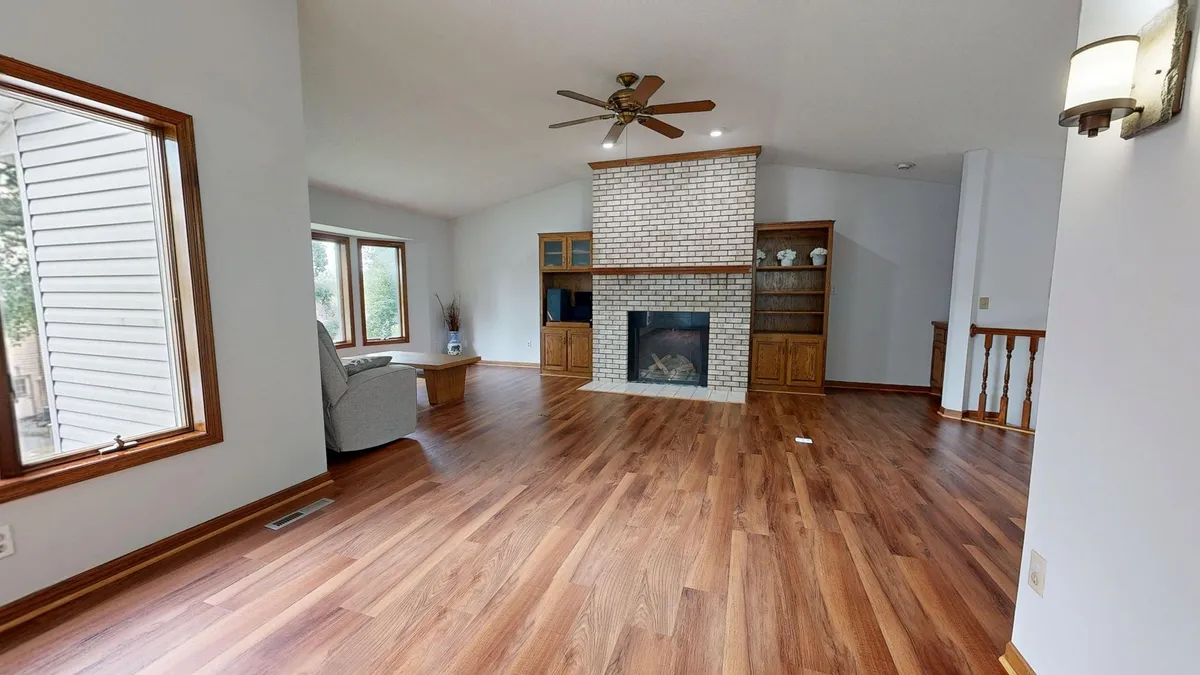
What flooring update is most affordable for a living room? Luxury vinyl plank (LVP) flooring is the most cost-effective upgrade for a living room floor, running $2–$5 per square foot for materials (installation adds $1–$3 per square foot). It's durable, waterproof, and available in realistic wood and stone looks. In a 200-square-foot living room, a full LVP floor replacement typically costs $600–$1,600 in materials.