
How to Renovate a Kitchen Without Breaking the Bank
Kitchen renovation on a budget. Smart updates including cabinet painting, backsplash ideas, and countertop alternatives that rival full gut renovations.
RoomRenovation.AI Team
Updated March 21, 2026
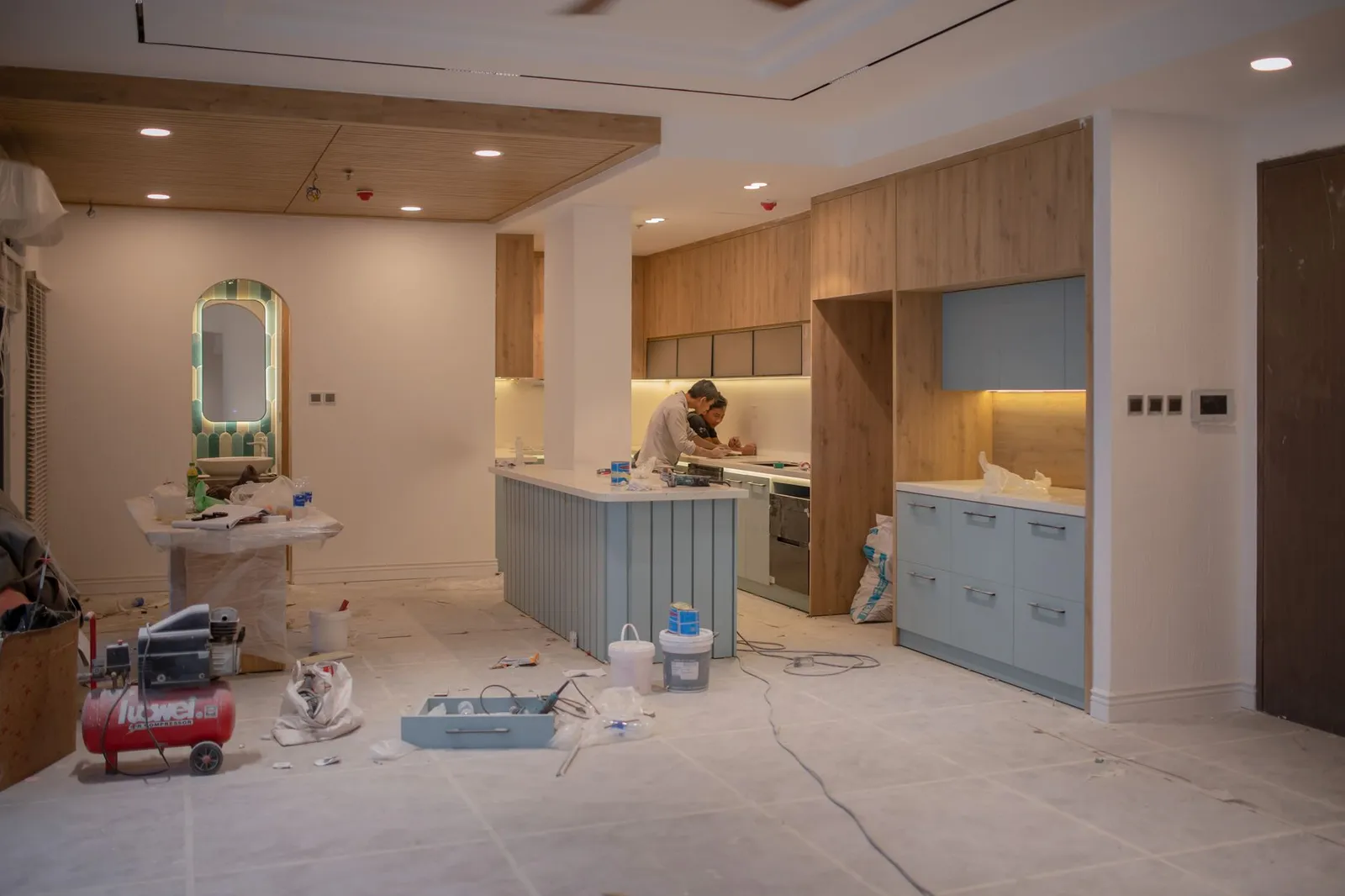
A full kitchen renovation without breaking the bank is more achievable than most homeowners believe — because the most expensive part of a kitchen remodel is usually the least necessary part. Full gut renovations that touch plumbing, electrical, and structural walls can run $40,000–$100,000. But the visual transformation people actually want — fresh cabinets, a new backsplash, modern countertops, updated hardware — can often be achieved for $3,000–$12,000 when you know which levers to pull. This guide covers exactly those levers.
Why Most Kitchen Renovations Cost More Than They Should
The core error most homeowners make is treating a cosmetic dissatisfaction as a structural problem. Kitchens that feel dated, dark, or cramped can usually be transformed through surface and finish updates alone. Moving a sink requires new plumbing. Extending a kitchen requires structural work. But repainting cabinets, replacing hardware, adding a tile backsplash, and swapping countertops? These are skilled trades work, but not engineering projects.
Before engaging a contractor for a full renovation, spend time understanding what specifically bothers you about your kitchen. Is it the cabinet color? The hardware? The countertop material? The lighting? Each of these has a targeted, affordable fix. You're far better served identifying the two or three high-impact changes than committing to a full gut renovation that disrupts your home for weeks and strains your finances.
One of the most effective ways to clarify your vision: upload a photo of your kitchen to RoomRenovation.AI and see how different style directions transform the space. Knowing what you're aiming for before calling anyone prevents the scope creep that inflates budgets.
Cabinet Painting: The Highest-ROI Kitchen Upgrade
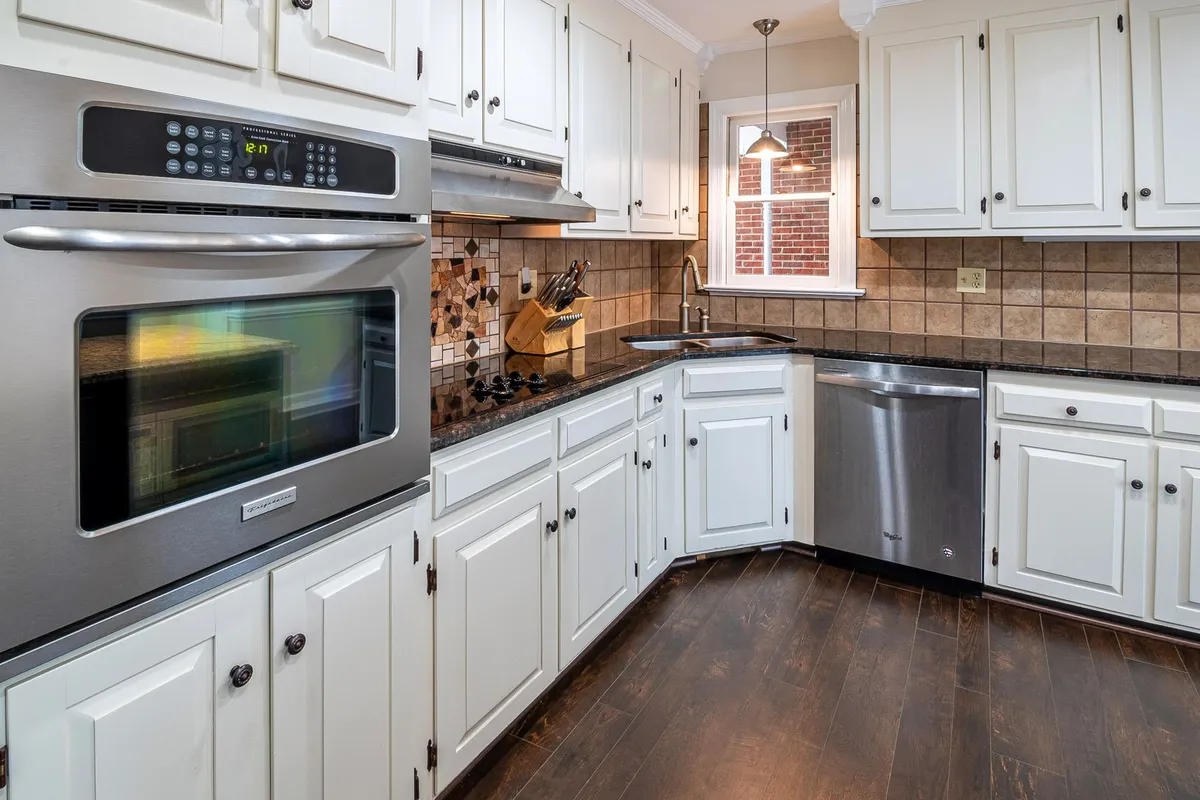
Cabinet painting is the single highest-return investment in a kitchen renovation. Cabinets dominate the visual field of a kitchen; their color sets the entire aesthetic tone. Fresh paint transforms a 1990s honey-oak kitchen into something that reads current and considered.
Professional cabinet painting costs: $1,200–$3,500 depending on kitchen size and cabinet count. This includes cleaning, light sanding, priming, and two finish coats. A skilled painter can do this in two to three days.
Color strategy:
- White and off-white (Sherwin-Williams Alabaster, Benjamin Moore Chantilly Lace): timeless, brightens small kitchens, highest resale appeal
- Soft gray-green (Sage, Eucalyptus): the dominant 2024–2026 kitchen trend, particularly for lower cabinets in two-tone configurations
- Deep navy or forest green: high-impact choice for upper or lower cabinets only; requires strong natural light
DIY cabinet painting: possible but demanding. The prep work — removing doors, cleaning with TSP, degreasing, sanding, and priming — is where most DIY projects fail. Brush marks, uneven coverage, and chipping within a year are common outcomes without professional-grade spraying equipment. Budget $400–$700 for materials and equipment if doing it yourself, and budget extra time for the learning curve.
Hardware Replacement: A $200 Upgrade That Looks Like $2,000
Cabinet hardware — pulls, knobs, and hinges — is disproportionately visible for its cost. Replacing brass or builder-grade chrome hardware with matte black, brushed brass, or satin nickel equivalents is a weekend project that costs $150–$400 total and immediately modernizes the kitchen's feel.
Match the finish to your faucet and appliances. Mixing brushed nickel with chrome or brass creates visual noise. Choose one metal and commit.
Backsplash: Where to Spend and Where to Save
A new backsplash is one of the most impactful visual upgrades in a kitchen because it sits at eye level and covers the most-noticed expanse of wall. Cost range:
- Peel-and-stick tile: $3–$6/sq ft, DIY-friendly, renter-safe, but shorter lifespan and less authentic appearance
- Subway tile (ceramic): $2–$5/sq ft for tile, plus $8–$15/sq ft labor. Classic, durable, and timeless. For a typical backsplash of 20–25 sq ft, expect $300–$700 all-in.
- Zellige or handmade tile: $15–$35/sq ft, creates a designer look with significant texture variation. Worth the premium if your kitchen can absorb the cost.
- Large-format porcelain slabs: $20–$50/sq ft installed. Modern, minimal, and grout-easy. Best in contemporary kitchens.
Countertop Alternatives That Don't Compromise on Quality
Countertops are where kitchen renovation budgets can spiral. Full granite or quartz replacement for a medium kitchen runs $2,500–$6,000. But there are strong alternatives:
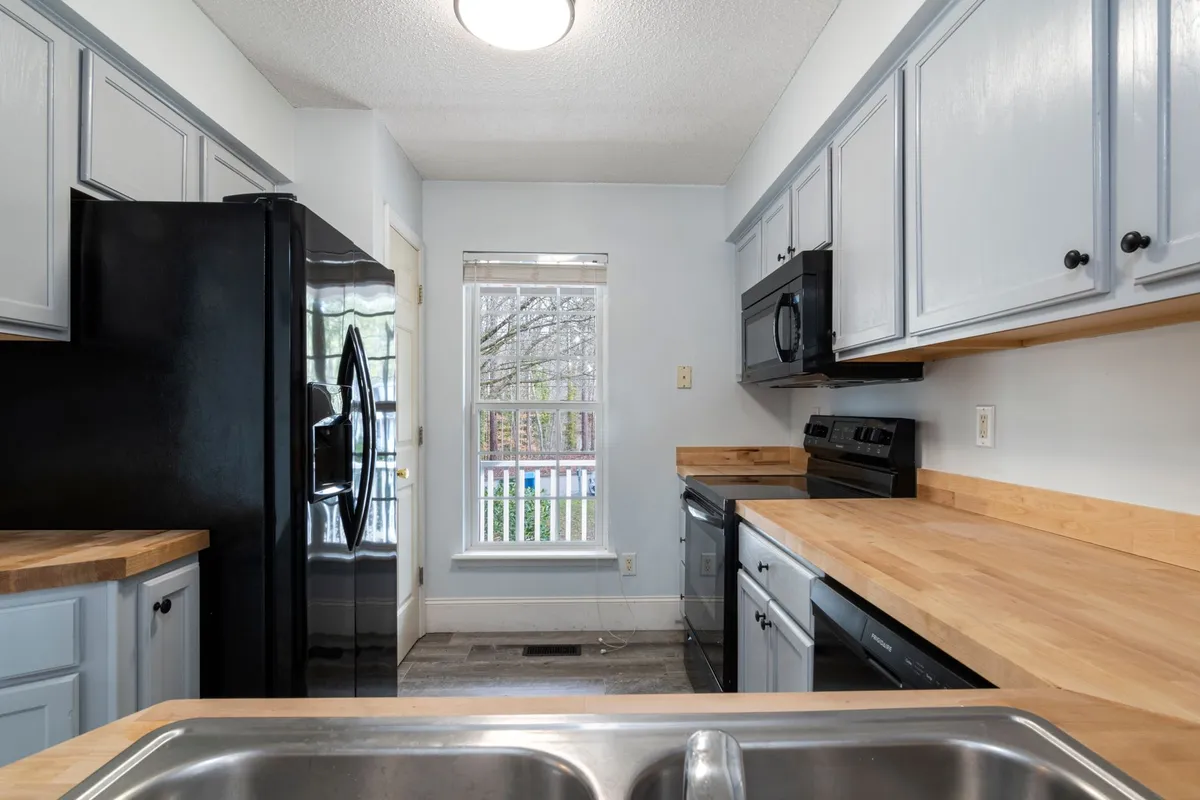
- Butcher block: $40–$100/linear ft installed. Warm, distinctive, and refinishable. Not for wet areas near sinks without proper sealing.
- Tile countertops: $10–$25/sq ft installed. Deeply traditional and durable; grout requires maintenance.
- Concrete countertops: $75–$200/sq ft custom-poured. High-design look with some maintenance requirements.
- Countertop refinishing/resurfacing: $300–$900 for a professional epoxy or skim-coat treatment over existing laminate or tile. Not permanent, but buys years of aesthetic improvement.
- Laminate (IKEA, Formica): Modern laminate has come a long way. Stone-look patterns are convincing at $15–$30/sq ft installed — a fraction of real stone.
See complete kitchen renovation cost breakdowns for realistic budgets by scope.
Lighting Upgrades That Transform the Kitchen
Poor lighting makes even well-designed kitchens feel oppressive and dated. Three targeted improvements:
- Under-cabinet lighting: LED strip kits cost $50–$150 and take two hours to install. They illuminate work surfaces and make the kitchen feel larger and more intentional.
- Replace overhead fixtures: Swapping a fluorescent panel or builder-grade chandelier for modern pendant lights ($80–$250 each) over an island or peninsula changes the entire room hierarchy.
- Add a statement pendant: A single dramatic pendant light in a kitchen with minimal other design moves can read as the room's defining feature.
Planning the Sequence
Order matters when layering budget kitchen updates. The right sequence:
- Paint cabinets (largest visual impact; do this first before committing to hardware or backsplash colors)
- Install backsplash (after cabinets are painted so color decisions inform tile selection)
- Replace hardware (final step — now you can match finishes to both cabinet color and backsplash)
- Upgrade lighting (independent of the surface work but finalize after you know the palette)
- Consider countertops last — if cabinets, backsplash, and hardware already transformed the space, you may find the countertop is acceptable as-is
Where to Visualize Before You Commit
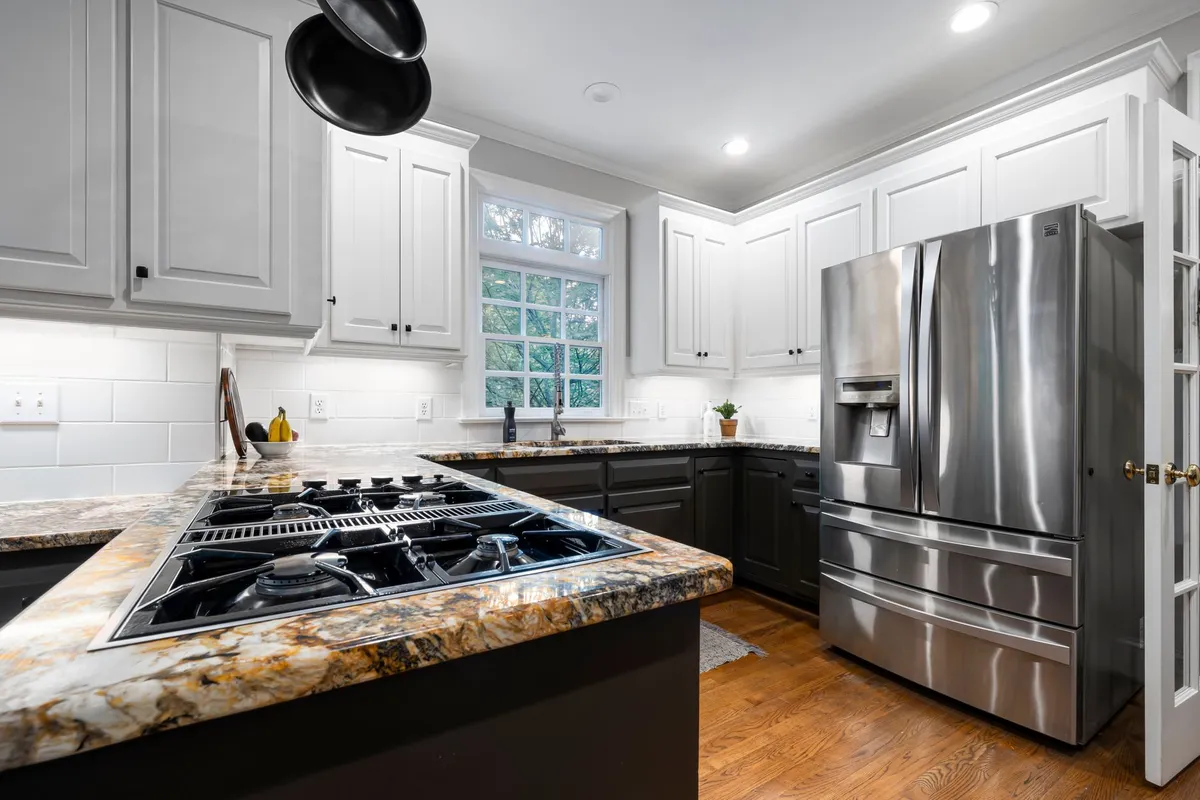
The mistake most homeowners make is buying paint, tile, and hardware before seeing how they work together in the actual room. Before purchasing a single thing, upload a photo of your kitchen to RoomRenovation.AI and generate a render in the style direction you're considering. You'll see how cabinet color, texture, and light interact in your specific space — saving you from expensive color regret.
For more on budget planning across your home, read our guide on how to budget for home renovation in 2026.
FAQ
What is the cheapest way to renovate a kitchen without moving anything structural? Cabinet painting ($1,200–$3,500 professional) combined with new hardware ($150–$400) and a tile backsplash ($300–$700) is the most cost-effective combination. These three changes together can transform a dated kitchen for under $5,000.
Is it worth painting kitchen cabinets instead of replacing them? Yes, if the cabinet boxes are structurally sound. Cabinet box replacement costs $200–$600 per cabinet for stock sizes; painting the same cabinet costs a fraction of that. Save replacement for genuinely damaged or warped cabinets.
How do I choose a backsplash tile that won't look dated in five years? Classic subway tile in white or off-white is the most durable choice trend-wise. More distinctive tiles (zellige, handmade, patterned) look beautiful now but carry more risk of feeling dated. Choose personality tiles if you love them; choose classics if longevity matters more than distinctiveness.
Can I renovate a kitchen for under $5,000? Yes, if you focus on cosmetic changes: paint, hardware, backsplash, and lighting upgrades. Full countertop replacement or new appliances push costs above that threshold quickly.