
Dining Room Makeover Ideas for Better Entertaining
Entertainment-focused dining room designs visualized with AI. From dinner party elegance to family gathering warmth, see styles that make meals memorable.
RoomRenovation.AI Team
Updated March 22, 2026
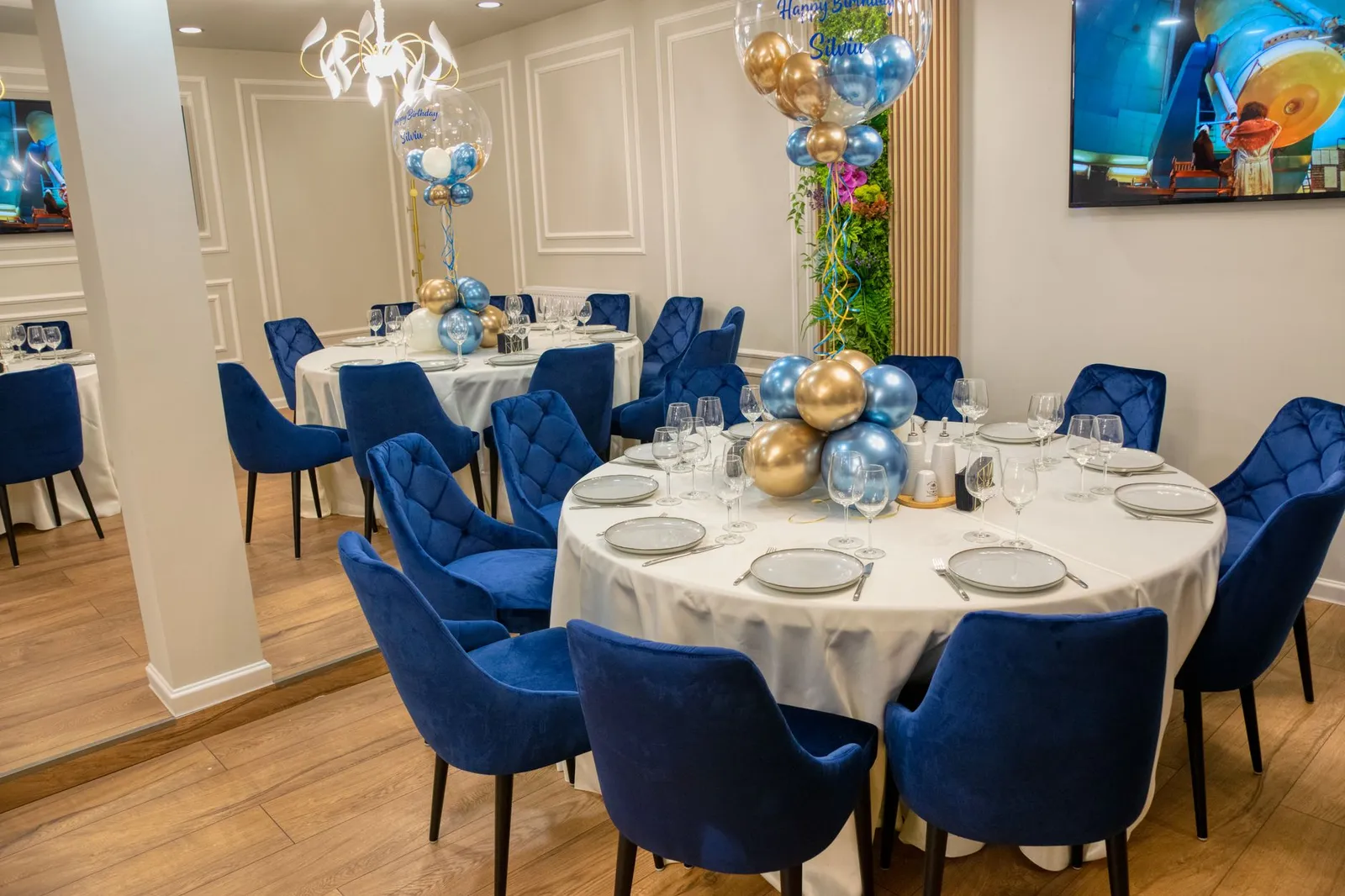
The dining room holds a unique position in the home: it's both the most formal space most people own and the one they use least frequently in daily life. But when it's used — for dinner parties, holiday meals, family celebrations — it's the room that forms lasting memories. A dining room makeover focused on entertaining isn't about creating a space that photographs well; it's about creating the conditions for exceptional evenings. AI visualization makes it possible to design that space specifically before spending anything on furniture or renovation.
What Makes a Dining Room Great for Entertaining
Before choosing a style, understand the functional requirements that separate a good hosting space from a great one. The best entertaining dining rooms share specific qualities:
- Flexible seating: A table that expands to accommodate unexpected guests without looking patched together
- Dimmer-controlled lighting: The single most important controllable atmosphere variable in a dining room
- Sideboard or buffet storage: Serving dishes, extra glassware, linens — all accessible without a trip to the kitchen
- Acoustic comfort: Hard surfaces make noise. A rug under the table, upholstered chairs, and fabric elements absorb sound and make conversation possible
- Clear traffic flow: 36 inches minimum between the table edge and any wall or furniture when chairs are pulled out
Dining Room Styles That Work for Entertaining
Classic Formal: The Dinner Party Standard
A formal dining room communicates that the meal matters. Dark wood furniture, upholstered dining chairs, a statement chandelier hung 30–34 inches above the table surface, and walls in a rich, enveloping color (navy, forest green, burgundy) create an atmosphere that signals intention. Crown molding, wainscoting, and heavy drapes reinforce the formality. This style performs best for dinner parties of eight to twelve people where the meal is the event rather than a backdrop to something else.
The investment range for a full formal dining room renovation: $8,000–$25,000 including furniture, lighting, and finishes. Visualize your dining room in this style using RoomRenovation.ai before committing — the dark walls that look sophisticated in a magazine can feel oppressive in a room with limited natural light.
Modern Bistro: The Everyday Dinner Party
Not every entertaining occasion calls for formal. The bistro-influenced dining room is dressed up enough to feel special but casual enough that guests relax immediately. Think a marble-topped table (or marble look), bentwood or metal chairs with seat cushions, pendant lighting in aged brass or matte black, and walls in a warm white or very pale color that lets the table become the focal point. Add an interesting art piece, a ceramic vessel with simple stems, and linen napkins. The result is somewhere between a neighborhood restaurant and a well-edited home.
Warm Contemporary: For the Family That Hosts Often
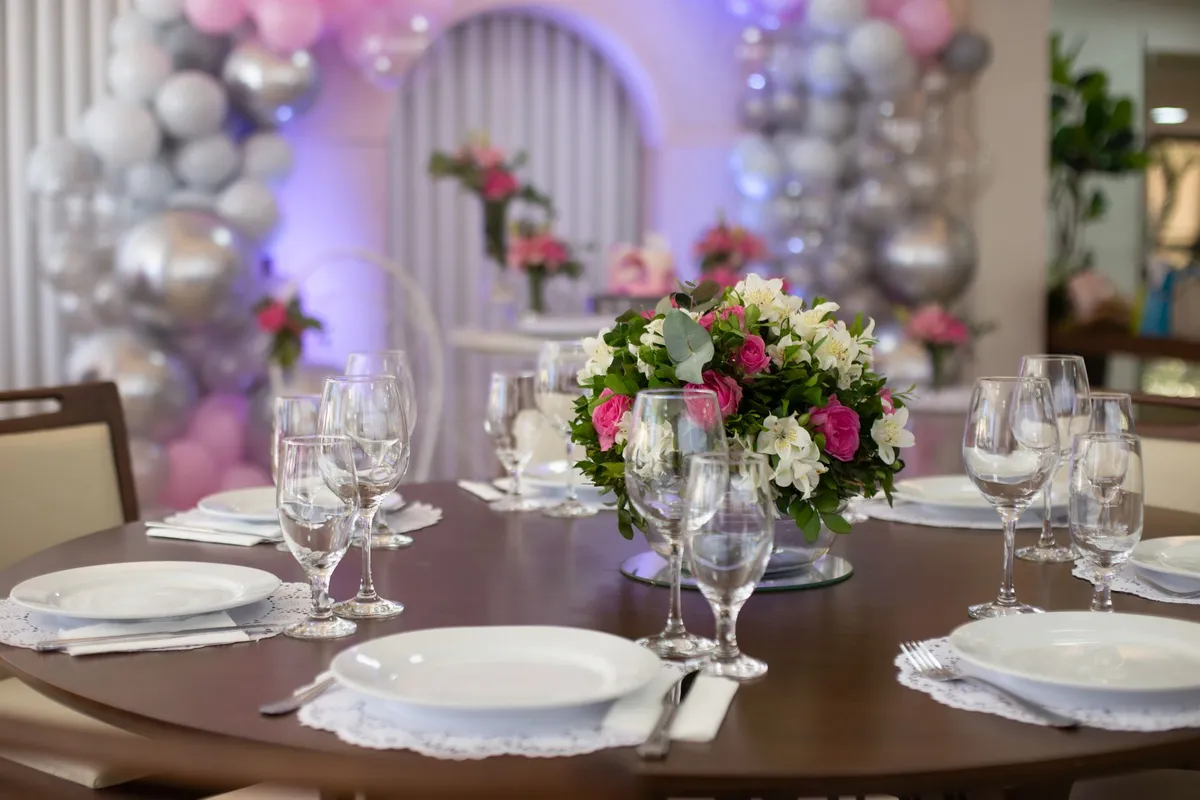
The family that hosts frequently — weeknight dinners, kids' birthday parties, Sunday brunches — needs a dining space that functions beautifully in chaos. Round tables (which distribute conversation more equally) on statement area rugs in washable materials, bench seating along one side for flexible occupancy, and chairs in wipeable fabric or leather. Color should be warm and welcoming rather than precious — caramel, terracotta, deep olive. The light fixture should be warm-toned (2700K or lower color temperature) and dimmer-controlled.
Industrial Chic: The Unexpected Host
Concrete floors or polished concrete overlays, a raw wood trestle table that seats ten, Edison pendant lights on exposed track, and mismatched industrial chairs create a dining room that surprises guests — this isn't what they expected, and it's memorably different from the predictable farmhouse or traditional spaces they've been to this year. Works best in open-plan loft spaces or homes with architectural character that leans industrial. The industrial style guide covers specific material and fixture choices.
The Light Question: Most Important Decision in Your Dining Room
Lighting transforms a dining room more than any other single element. The rule: every dining room should have layered lighting — ambient (overhead), accent (sconces or under-cabinet), and focal (the table chandelier or pendant). All layers should be dimmer-controlled.
Chandelier Sizing
The most common dining room lighting mistake is a fixture that's too small. Add the room's dimensions in feet (for example, a 12×14 foot room = 26), and that number in inches is the minimum diameter of a dining chandelier. For a dramatic, correct scale, go 6–8 inches larger. Hung too high is the second most common mistake — 30–34 inches above the table surface is the standard that works for most ceiling heights.
Warm Light for Warm Meals
Select bulbs at 2700K or even 2400K color temperature — warmer than most people use in other rooms. This spectrum makes food look appetizing (critical), makes skin tones warm and flattering (which makes guests feel better about themselves and by extension about the evening), and creates an atmosphere that feels intimate and intentional rather than clinical. At full brightness for family dinners, then dimmed for after-dinner conversation, a good dimmer system does more for the entertaining atmosphere than any renovation element at the same price.
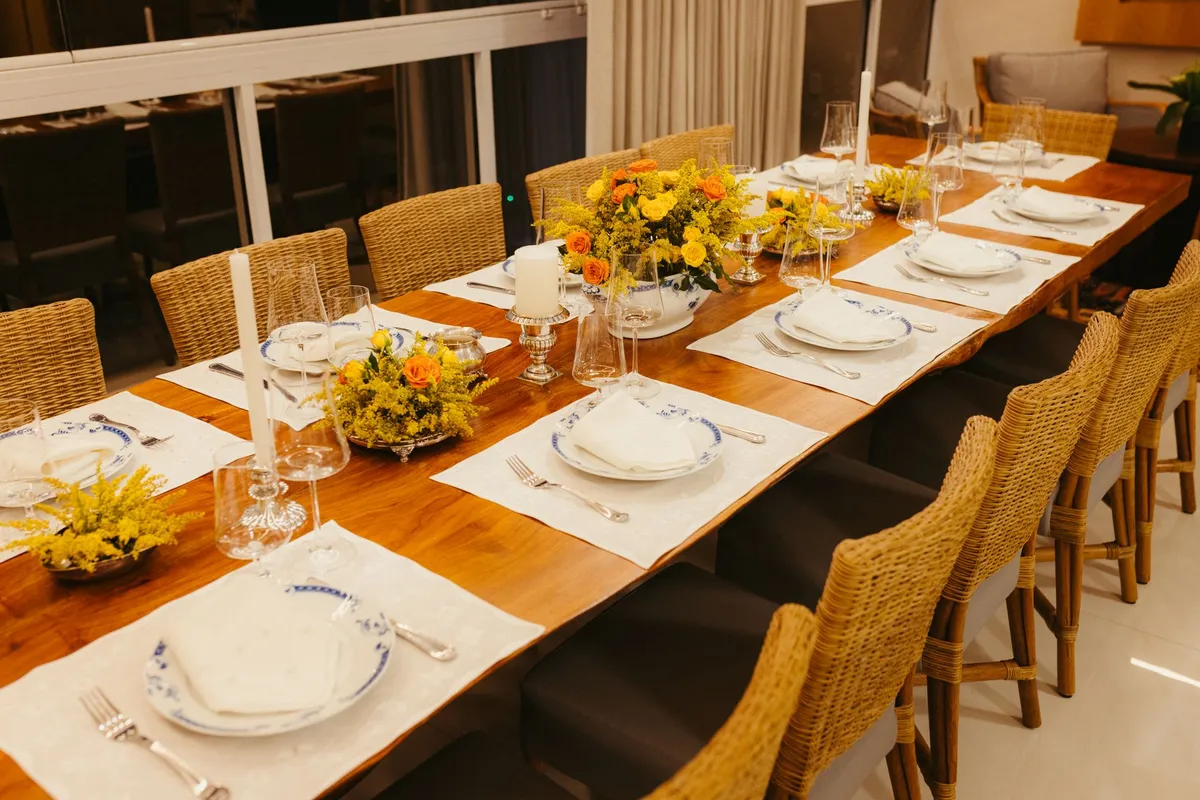
Table and Seating Choices for Serious Entertainers
Extension Tables: The Non-Negotiable
If you host more than six people more than twice a year, an extension table is non-negotiable. The best extension tables look beautiful at their smallest size — not like a table waiting to be extended — and expand smoothly without visible seams. Budget $800–$3,000 for a quality extension table; the hardware difference between a $300 and a $1,200 table is significant and directly affects how consistently the leaves align.
Seating Mix: Not All the Same
Matching dining chairs are predictable. A host and hostess chair (armchairs) at each table end, with side chairs along the long sides, creates hierarchy and visual interest without looking assembled piecemeal. Adding a bench along one side accommodates flexible numbers and adds an informal note that relaxes guests. The rule for mixing: keep one material constant (all legs in the same wood or metal finish) and vary the form.
Chair Height and Comfort
Dining chairs in America are typically 17–19 inches from floor to seat, pairing with tables that are 28–30 inches tall. The 10–12 inch relationship between seat and tabletop is the functional requirement — deviate from it and the dining experience becomes physically uncomfortable. Standard dining chairs with backs that support the lower lumbar make multi-hour dinner party seating comfortable; stools and benches work for shorter meals.
The Sideboard: Underused Entertaining Asset
A sideboard or buffet positioned against the dining room wall is more useful for entertaining than any other piece of furniture the space could contain. It provides a staging surface for serving dishes, keeps extra silverware and glassware accessible without a kitchen trip mid-service, and creates a visual anchor for the wall behind it. A well-styled sideboard — with a mirror above, candlesticks, a single ceramic object, and good art — becomes the dining room's secondary focal point. Budget $400–$2,500 depending on quality and new versus vintage.
Using AI to Plan Your Entertaining Dining Room
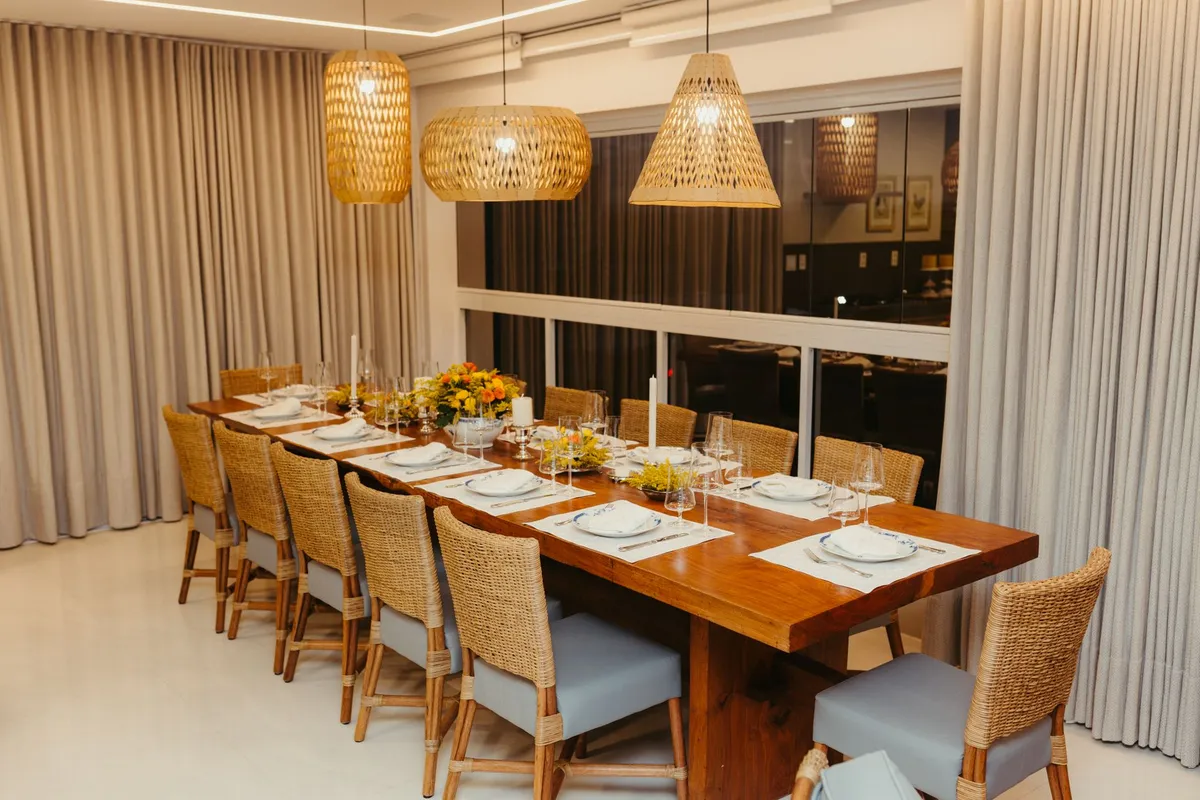
The decision that benefits most from AI visualization in a dining room is color. Dark walls — which create the best dinner party atmosphere — look very different in a room with good natural light versus one with limited windows. Before committing to navy or hunter green walls, upload your dining room photo and see it rendered in those colors at different times of day. The AI shows you how the color interacts with your existing floors, trim, and natural light in a way no paint chip can replicate.
Try at least three style approaches: the formal dramatic (dark walls, traditional furniture), the warm contemporary (lighter walls, mixed seating), and something unexpected. The unexpected render frequently reveals possibilities you hadn't considered. The free room render tool lets you start this exploration at no cost — upload your dining room photo and try the first transformation.
When you're ready to plan the full renovation, see our pricing options for credit packs that cover multi-room visualization projects, and browse the before and after examples to see real dining room transformations.
FAQ
What's the single highest-impact dining room upgrade for entertaining? Lighting, specifically a quality chandelier on a dimmer. A $500 light fixture with a $30 dimmer switch transforms a dining room's entertaining capability more effectively than any furniture purchase.
How big should a dining table be for serious entertaining? Allow 24 inches of table width per person and 36 inches per seat length. A table seating eight comfortably is typically 36×72 inches; seating ten requires 36×84 inches or a round table at 60 inches in diameter.
Should a dining room have a rug? For entertaining purposes, yes. A rug absorbs sound (critical for conversation), defines the space visually, and adds warmth. Size rule: the rug should extend at least 24 inches beyond each side of the table so chairs remain on the rug when pulled out. In an average dining room, this means a 9×12 or 8×10 rug.
What wall color works best for a dinner party atmosphere? Deep, saturating colors — navy, forest green, burgundy, charcoal — create the most memorable dinner party atmosphere. They work best with warm-toned lighting and light-colored trim. Rooms with limited natural light can handle even darker values than you'd expect because the entertaining happens primarily at night.
Can AI show me how a dark wall color will look in my specific room? Yes. Upload your dining room photo and apply style transformations that feature deep wall colors. The render accounts for your room's specific window placement, floor color, and trim to show you a realistic outcome rather than a generic example.