
Dining Room Renovation Ideas for Modern Families
Transform your dining room with these renovation ideas. From open-concept layouts to multi-functional spaces for modern family living.
RoomRenovation.AI Team
Updated March 24, 2026
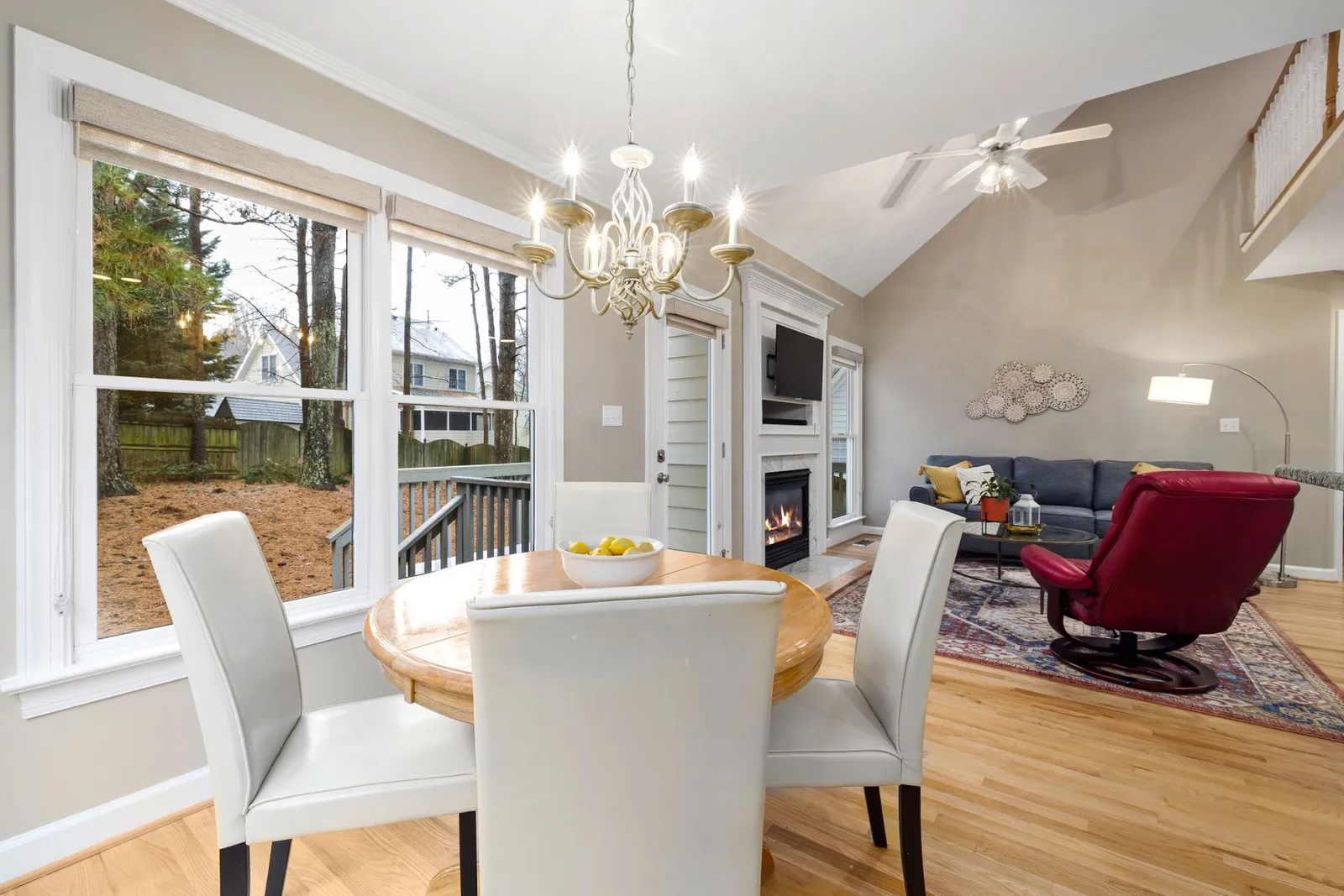
Dining room renovation ideas for modern families need to solve a specific problem: the traditional formal dining room — used twice a year for holidays, otherwise gathering dust — no longer fits how most households actually live. Contemporary dining room design serves multiple functions simultaneously: family dinners, homework sessions, remote work spillover, entertaining, and crafting. The best renovations build a room that does all of this gracefully.
Rethink the Function Before You Renovate
Before making any material or layout decisions, be honest about how your household actually uses the dining room. Families with school-age children often need a dining room that doubles as homework central — which has implications for lighting (task lighting, not just a single pendant), storage (shelves for school supplies, not just a china cabinet), and surface selection (a table finish that handles pencils and tape, not polished veneer).
Households that entertain frequently have different priorities: accommodating expansion (tables that extend, chairs that can pull from other rooms), a bar or beverage station, and lighting that can shift from functional to atmospheric. Knowing your actual primary use case shapes every decision that follows.
Open-Concept Dining: Benefits and Trade-offs
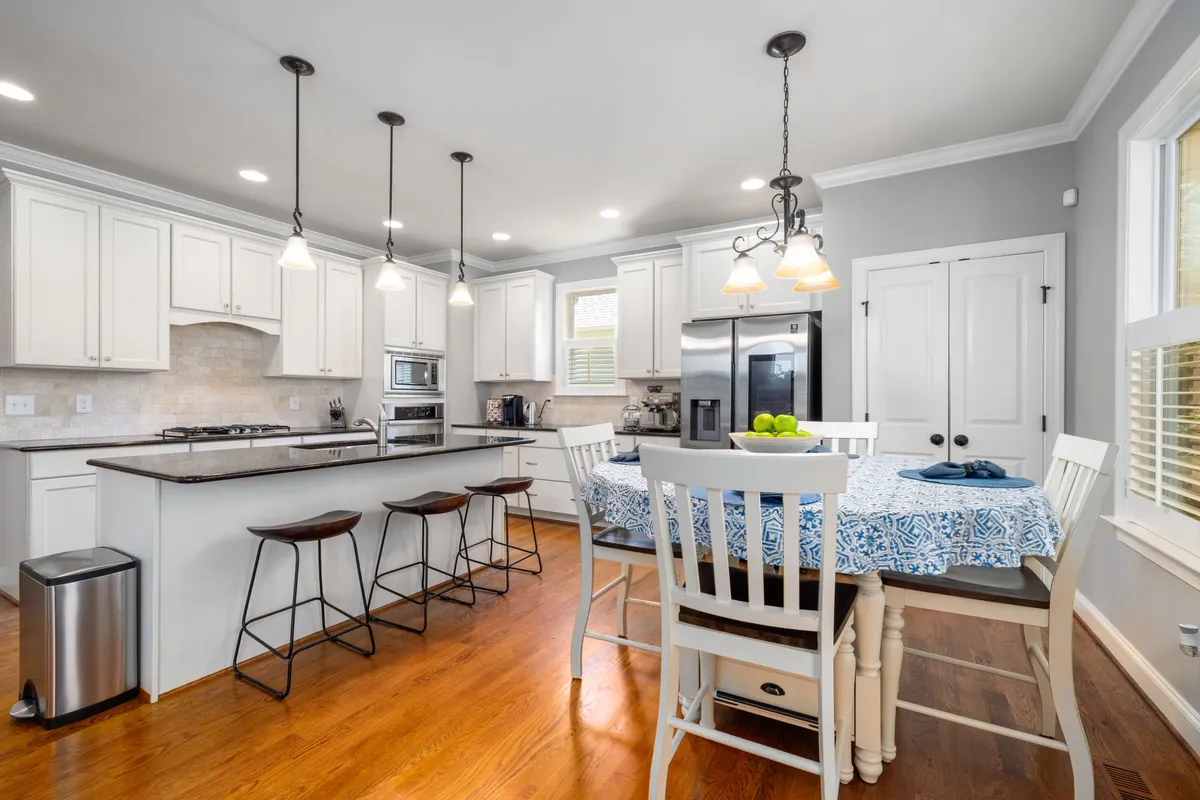
Opening a formal dining room to the kitchen and living areas remains one of the most impactful structural renovations available to families. The benefits are real: larger effective living space, better flow for entertaining, the ability to watch children while cooking, and a more connected family living experience.
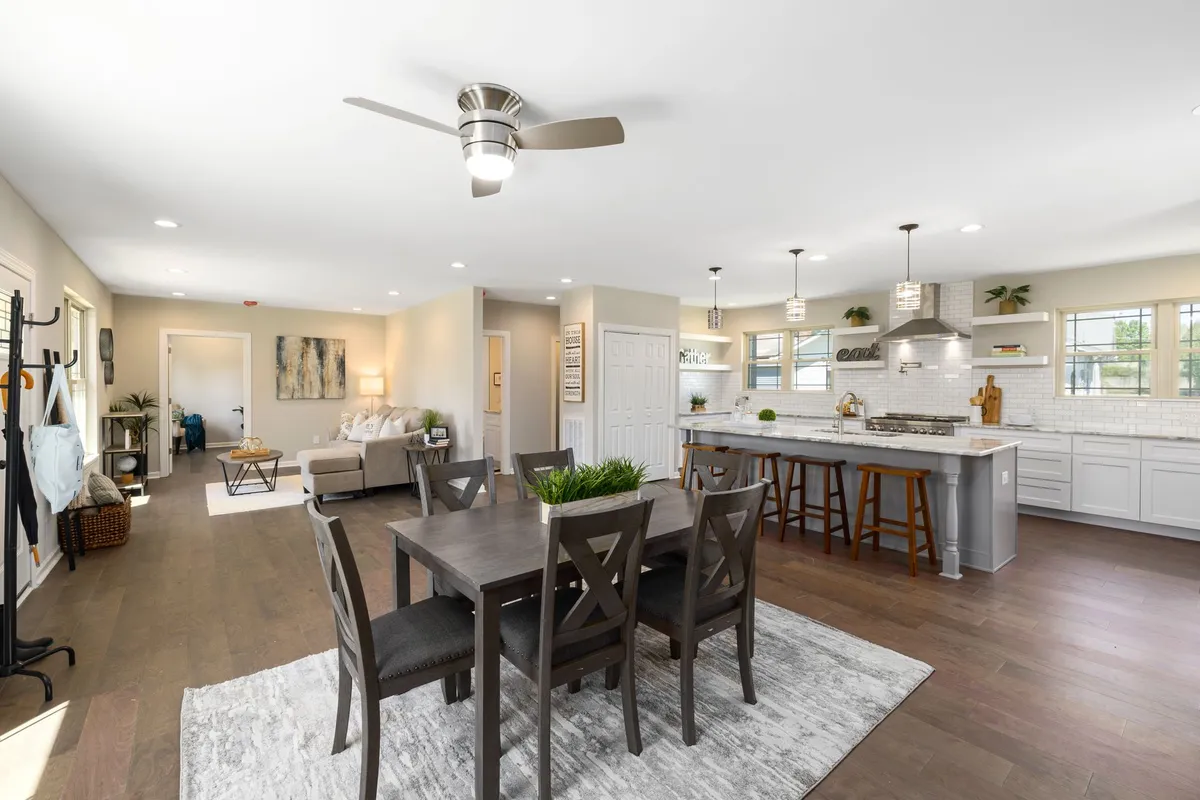
But open-concept dining requires careful acoustic and visual management. Without walls to absorb sound, multi-use family spaces can become noisy quickly. Area rugs, upholstered seating, and acoustic ceiling panels all help. Visual management — defining the dining zone clearly within an open floor plan — requires a well-sized area rug under the table, a distinctive pendant light over the table, and thoughtful furniture selection that creates zone identity without walls.
Structural wall removal for open-concept conversion runs $3,000–$15,000 in 2026 depending on whether load-bearing walls are involved. Always consult a structural engineer before removing walls. See our living room renovation cost guide for adjacent project budgets.
Dining Table Choices: Sizing and Material
Getting the Size Right
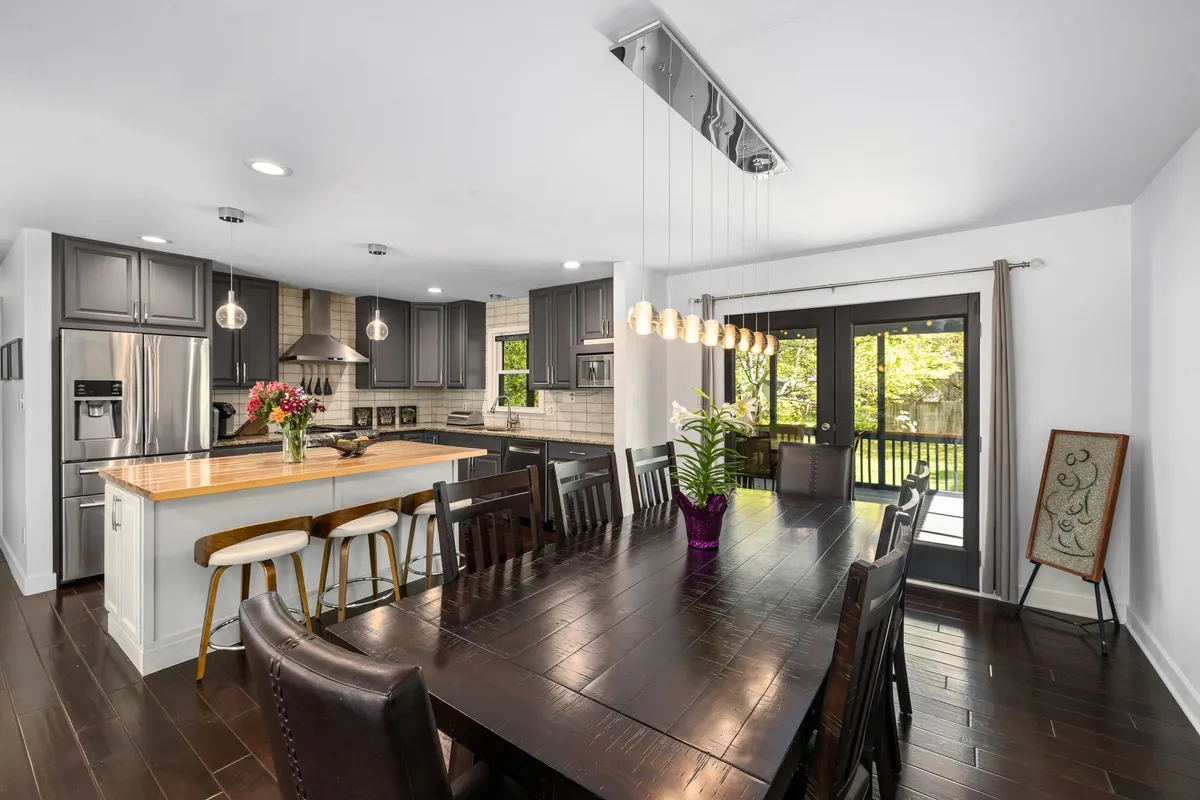
The most common dining room mistake is an undersized table. For comfortable seating, allow at least 24 inches of width per person. A family of four needs a minimum 72-inch (6-foot) table for genuine comfort, not the 60-inch tables commonly sold as "seats 4-6." For a family that entertains, an 84–96 inch extendable table provides flexibility without permanent bulk.
Allow 36–42 inches of clearance between the table edge and any wall or furniture — enough for someone to push back their chair and walk behind a seated person. Dining rooms that feel cramped are almost always undersized on table clearance, not table size itself.
Table Material for Modern Families
Material selection for a family dining table is a durability decision as much as an aesthetic one:
- Solid wood: Warm, repairable, develops character with use. Scratches and dings can be sanded out. Best choice for longevity.
- Marble or stone: Beautiful but requires regular sealing and is permanently stained by acidic foods, wine, and marker. Better for households without young children.
- Concrete: Durable and distinctive but heavy and requires sealing. Excellent durability once sealed properly.
- Laminate or veneer: Most budget-friendly but not repairable if damaged; avoid for long-term family tables.
Seating: Mixing Chairs and Benches
The most functional and visually interesting family dining tables pair chairs on two sides with a bench on the wall side. Benches accommodate variable numbers of people (two adults or three children on the same bench), are easier for young children to climb in and out of, and read as less formal than matched chair sets. The chair-plus-bench approach is also more space-efficient — benches pushed under the table take less floor space than chairs pulled out.
Mix chair styles within a cohesive material palette rather than buying matched sets. Two upholstered armchairs at the table heads, four simple wooden side chairs on one side, and a upholstered bench on the other creates a curated, non-furniture-showroom look that reads as more designerly and comfortable.
Dining Room Lighting: The Most Impactful Single Change
If there's one renovation that transforms a dining room most dramatically relative to cost, it's changing the light fixture. The standard builder-grade ceiling fan or basic flush mount over a dining table is one of the most common and most correctible design mistakes in residential homes.
A pendant or chandelier hung properly over the dining table — centered, at the right height (30–36 inches above the tabletop) — immediately defines the space and creates the kind of atmospheric pooled light that makes dining feel special rather than institutional.
Pendant sizing: the fixture diameter in inches should roughly equal the table width in inches minus 12. A 42-inch-wide table takes a 30-inch pendant or cluster of 2–3 smaller pendants. Go larger rather than smaller — undersized pendants over dining tables are extremely common and always read as underpowered.
Layer the lighting: the pendant provides ambient and task light for the table; wall sconces or a buffet lamp provide secondary ambient light. A dimmer switch on every dining circuit is non-negotiable for a functional modern dining room.
Storage and the Modern Dining Room
The china cabinet — the traditional dining room storage solution — has become largely obsolete for families who don't use formal china regularly. Modern dining room storage solves different problems:
- A credenza or buffet with closed storage and a flat top for serving during dinner parties
- A bar or beverage station with wine storage, glassware, and a mini-fridge — increasingly popular in open-plan dining rooms adjacent to kitchens
- Built-in window seat with storage below — particularly valuable in dining rooms that overlook a yard
- A small work corner with a drawer for school supplies if the room doubles as homework space
Flooring in the Dining Room
Hardwood flooring in dining rooms reads warmly and ages well. Choose a finish that handles chair-dragging scratches — penetrating oil finishes develop character with use and are spot-repairable in ways that polyurethane-finished floors are not. Tile in dining rooms reads formal in some contexts and contemporary-casual in others, depending on material and size: large-format natural stone tile reads sophisticated; small mosaic or encaustic cement tile reads eclectic and casual.
An area rug under the dining table is both a design and acoustic choice. Size matters critically: the rug must be large enough that all four chair legs sit on the rug even when pulled back from the table. A rug too small to meet this requirement makes the dining zone feel unanchored. Typical dining table rugs are 8×10 feet minimum.
Visualize Your Renovation First
Dining room renovations involve several interdependent decisions — table size and material, lighting, seating configuration, storage, flooring — that interact with each other and with your existing room's proportions and light. Upload a photo of your current dining room to RoomRenovation.ai to visualize different design directions before committing to purchases or contractor work. Try a free render to see your room transformed. For related renovation budgets, see our living room guide.
2026 Dining Room Renovation Cost Ranges
A realistic dining room renovation budget in 2026:
- Paint and lighting swap: $500–$2,000 (highest ROI improvement)
- New furniture (table + 6 chairs): $1,500–$8,000 depending on material quality
- New flooring (hardwood): $8–$15 per square foot installed for solid wood
- Open-concept wall removal: $3,000–$15,000 depending on structural involvement
- Full dining room renovation (all of the above + built-ins): $15,000–$40,000
FAQ
How large should my dining room rug be? Large enough that all four legs of each chair remain on the rug even when pulled out from the table. For a standard 6-person dining table, this typically requires a 9×12 foot rug. Most homeowners undersize dining rugs significantly.
Is open-concept dining worth the structural cost? For families who want a more connected, functional living space, yes. The structural cost is front-loaded; the ongoing benefit is daily. But it permanently changes the home's acoustic character — think through the noise implications if you have young children or work from home.
What dining room lighting heights work best? The bottom of a pendant or chandelier should hang 30–36 inches above the tabletop. In rooms with ceilings above 8 feet, raise the fixture 3 inches per additional foot of ceiling height to maintain proportions.
Can I use the same material for the dining table and kitchen countertops? In open-plan spaces, it's often better to contrast than to match. A wood dining table with stone kitchen countertops reads more interesting than two surfaces in the same material. In separate rooms, material continuity matters less.