
Rustic Interior Design: Warm, Natural, and Unapologetically Real
Rustic interior design celebrates natural materials, raw textures, and cozy warmth. See how to bring cabin charm into any home with AI visualization.
RoomRenovation.AI Team
Updated March 21, 2026
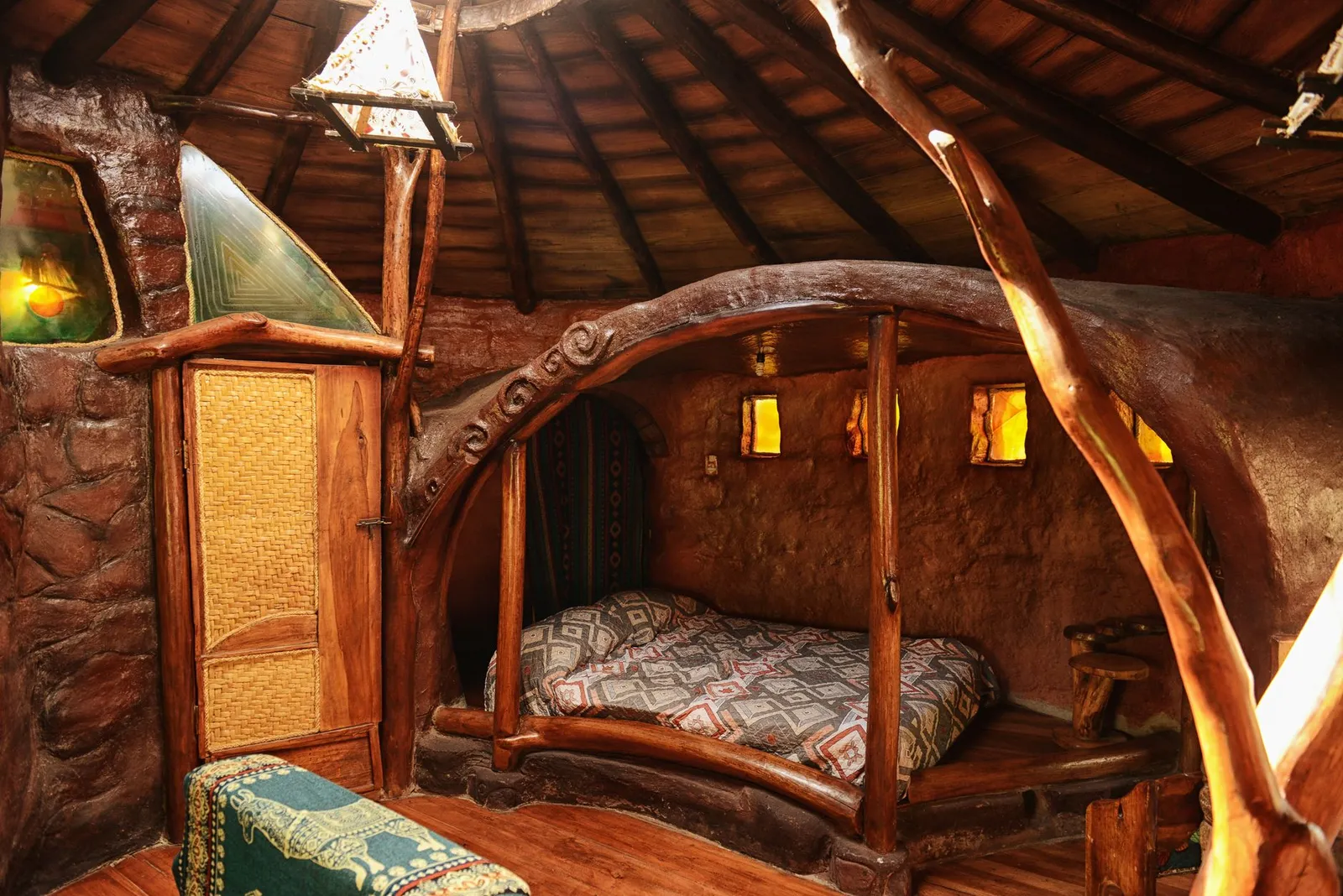
Rustic interior design is the deliberate celebration of things that have lived — weathered wood, hand-forged iron, stone pulled from the earth, wool woven on a loom. It's the design philosophy that values patina over polish, texture over smoothness, and warmth over precision. Done well, a rustic room feels like it has always existed, as if the house grew out of the land it sits on.
What Rustic Design Actually Means
Rustic style is often confused with shabby, dated, or simply "country." That misreads it significantly. True rustic design is intentional and architectural. It requires sourcing genuine materials — reclaimed timber, natural stone, unfinished leather — and arranging them with restraint. The goal isn't nostalgia for its own sake; it's creating a room that connects you to natural materials and the honest character that comes from them.
The style emerged from vernacular architecture: the log cabin, the stone farmhouse, the mountain lodge. These buildings used what was locally available, and that material honesty is the through-line of rustic design across cultures and centuries. American rustic tends toward pine and leather; European rustic emphasizes stone and iron; Japanese rustic (closely related to wabi-sabi) focuses on exposed timber joinery and clay plaster.
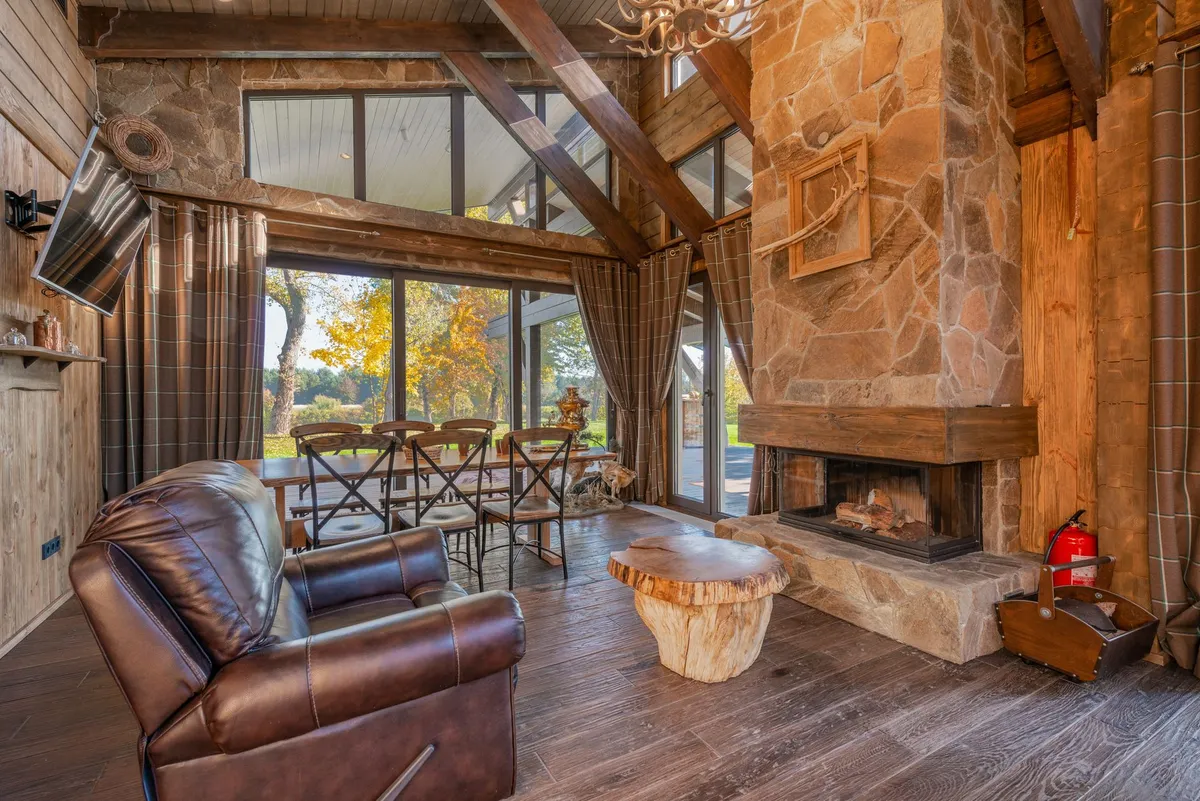
Core Materials of Rustic Design
Reclaimed and Live-Edge Wood
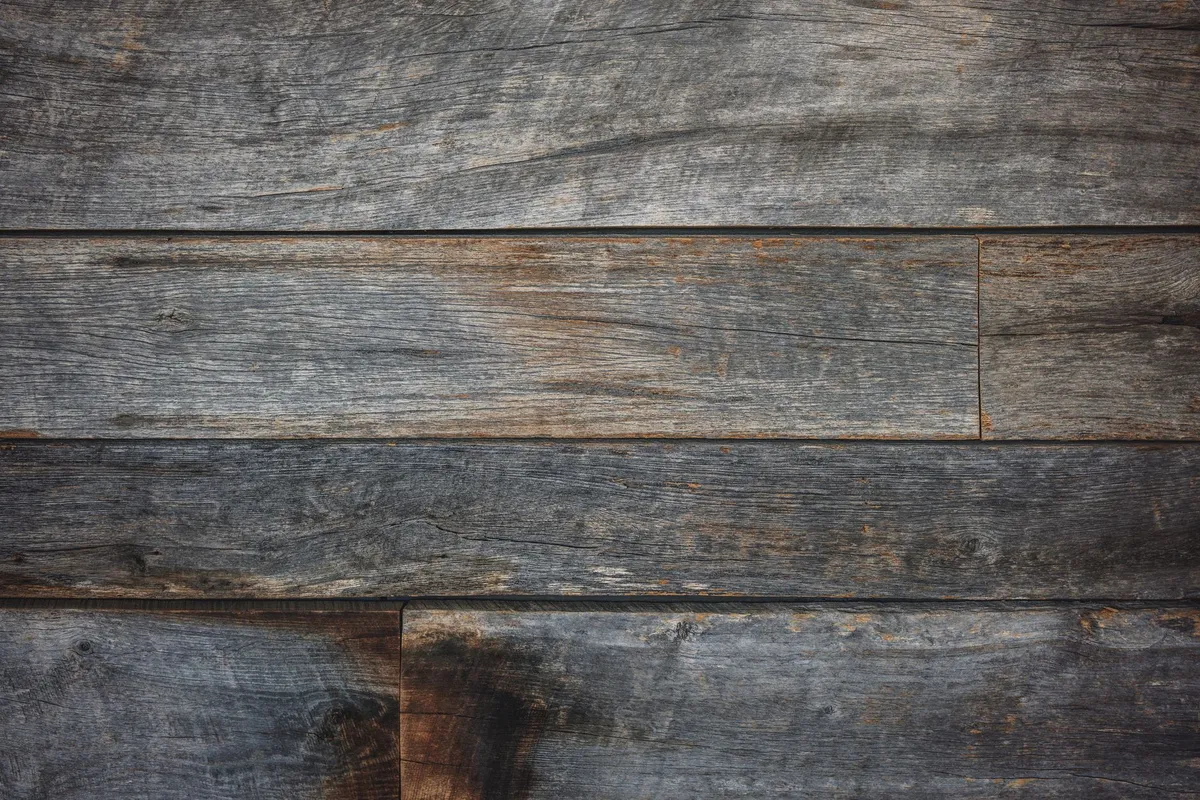
Wood is the defining material of rustic interiors. Reclaimed barn wood brings visible history — nail holes, saw marks, weathered gray tones — that no new lumber replicates. Live-edge slabs (where the natural edge of the tree is preserved in a tabletop or countertop) read as the ultimate expression of rustic design, because the organic form of the material itself becomes the design.
Beamed ceilings — whether original to the structure or decorative — are the single most impactful rustic element in a room. Exposed timber beams transform a standard ceiling into an architectural statement and work in nearly any room type, from living rooms to kitchens and even master bedrooms.
Natural Stone
Stone appears in rustic interiors as fireplace surrounds, feature walls, kitchen backsplashes, and flooring. Field stone, slate, limestone, and bluestone all read appropriately. The key is avoiding precision cuts and grout lines that are too regular — rustic stonework has variation in size, color, and jointing that machine-cut tile lacks.
Wrought Iron and Aged Steel
Hardware, lighting fixtures, fireplace tools, and railings in wrought iron or blackened steel are natural companions to wood and stone. The darkness and weight of iron provides visual contrast to warm wood tones and creates the kind of handcrafted quality that rustic interiors require.
Natural Textiles
Wool, cotton canvas, burlap, leather, and chunky-knit throws are the textile vocabulary of rustic design. Animal hides (authentic or well-made faux) on floors read as authentically rustic. Avoid synthetics, high-gloss fabrics, or anything that looks engineered rather than made.
Color in Rustic Interiors
The rustic palette derives entirely from the materials themselves: warm wood tones ranging from honey to dark walnut, the gray of weathered timber, the orange-red of clay, the deep green of moss and pine, the creamy white of limestone, and the near-black of wrought iron.
Wall colors in rustic rooms are typically warm neutrals — off-white, warm gray, sage green, warm taupe — that don't compete with the material textures. Dramatic wall colors work against the rustic aesthetic, which wants the materials to speak.
Accent through textiles: a deep burgundy or forest green wool throw, a rust-colored leather armchair, or a navy patterned rug introduce color without moving the room away from its earthy, natural foundation.
Furniture Approach: Built to Last
Rustic furniture is heavy, solid, and unpretentious. Trestle dining tables, Windsor chairs, spindle-back benches, turned-leg side tables, and upholstered pieces in leather or heavy-weave fabric. The common thread is construction quality and material honesty — these pieces should look like they could survive another century.
Avoid anything with visible MDF or particleboard, thin veneer finishes, or excessive ornamentation. The decoration in rustic furniture is structural: the joinery, the wood grain, the shape of a turned leg.
Proportions tend toward generous. Low, wide sofas with substantial arms. Dining tables that could seat eight. Coffee tables from single timber slabs. Rustic rooms aren't minimalist — they're full, but with weight rather than clutter.
Rustic Fireplaces and Hearths
No element defines a rustic room more than a fireplace. A stone surround with a rough-hewn timber mantel is the archetype, and for good reason: it works. Even in rooms where a wood-burning fireplace isn't feasible, a gas or electric insert in a stone surround achieves a similar effect. The proportions of the fireplace opening relative to the room matter — rustic fireplaces tend to be large, commanding, the visual anchor of the space.
Rustic Kitchens
The rustic kitchen marries function with material authenticity. Open shelving in reclaimed wood, farmhouse sinks in cast iron or fireclay, butcher block countertops, and cabinet hardware in hand-forged iron or oil-rubbed bronze. Tile backsplashes in hand-glazed ceramic or subway tile with a slightly irregular glaze read appropriately. See our full kitchen renovation cost guide for what a rustic kitchen overhaul costs to execute.
Visualizing Rustic Before You Commit
Rustic design requires material investment — reclaimed wood, stone, and quality iron fixtures aren't cheap — making pre-visualization particularly valuable. RoomRenovation.ai renders your room in rustic style, showing you how exposed beam ceilings, stone accents, and warm wood tones would interact with your actual space, light, and proportions. Start with a free room render to explore the rustic direction before committing to material purchases.
Rustic vs. Farmhouse vs. Cottage
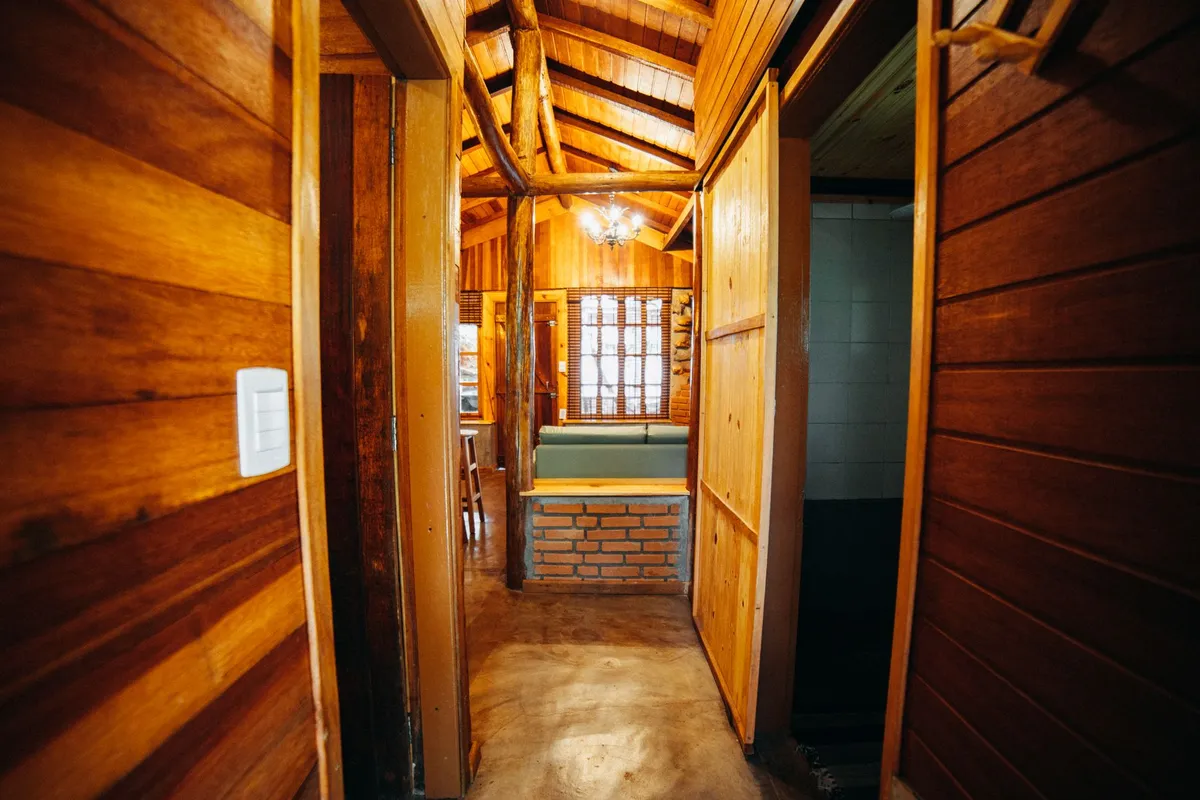
These three styles share DNA but have distinct personalities. Rustic is the most raw and unrefined — it doesn't shy away from knots, grain variation, or dark iron hardware. Farmhouse softens rustic with shiplap, white paint, and more curated accessories. Cottage takes the warmth of rustic but shifts toward more color, floral textiles, and decorative detail. The rustic direction is the most architectural of the three: it's about structural materials and honest construction rather than styling.
2026 Cost Ranges for Rustic Renovations
Key rustic renovation elements and their typical 2026 costs:
- Exposed beam installation (decorative): $1,500–$6,000 depending on room size and material
- Stone fireplace surround: $3,000–$12,000 for natural field stone; $1,500–$4,500 for stacked stone panels
- Reclaimed wood flooring: $8–$20 per square foot installed
- Live-edge dining table: $800–$5,000 depending on slab size and species
- Farmhouse kitchen sink (cast iron): $400–$1,200 for the fixture alone
FAQ
Can rustic design work in a modern house? Absolutely. Rustic elements — exposed beams, stone accents, reclaimed wood — introduce warmth and texture that balances the hard geometry of modern architecture. The combination is often called "rustic contemporary" and is one of the most livable design approaches for contemporary homes.
Is rustic design expensive to achieve? It depends entirely on how authentic you want to go. Genuine reclaimed timber and natural stone are premium materials. But rustic aesthetic can also be achieved through careful paint color selection, secondhand furniture, and a few strategic material investments like a live-edge coffee table or wrought iron light fixtures.
How do I prevent a rustic room from looking like a log cabin theme park? Restraint and editing. Choose two or three hero rustic elements (beams, a stone fireplace, a reclaimed wood dining table) and let the rest of the room breathe in neutral, complementary tones. Don't install rustic elements on every surface simultaneously.
What flooring works best with rustic design? Wide-plank hardwood (ideally in oak, pine, or hickory with visible grain and character marks), natural slate or flagstone, and reclaimed terracotta tiles all read authentically rustic. Avoid smooth, glossy, or highly uniform flooring.