
Cabin Interior Design: Cozy Mountain Retreat Aesthetics
Cabin and mountain retreat interior design. Rustic wood, stone fireplaces, and quilted textiles for warm, inviting getaways. See it with AI.
RoomRenovation.AI Team
Updated March 22, 2026
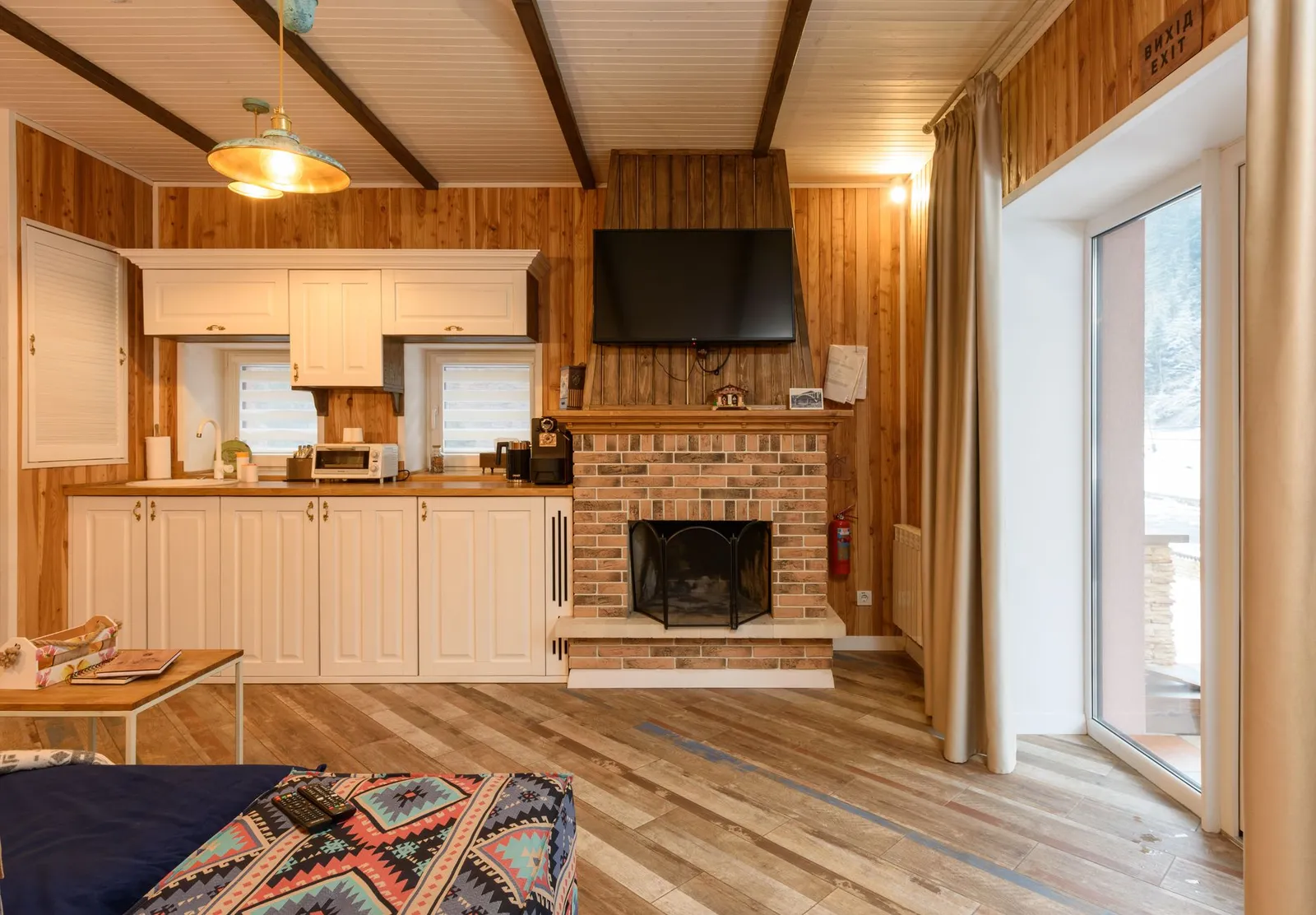
Cabin interior design occupies a rare category in American home aesthetics: it's one of the few styles that actually improves with imperfection. The scuffed log wall, the worn leather chair, the quilt that's been through twenty winters—these aren't failures of maintenance, they're the point. Getting cabin interior design right means understanding that warmth is a material property, not a decorative afterthought, and that every element in a mountain retreat should look like it earned its place there.
The Foundational Materials of Cabin Design
Before choosing a single piece of furniture, understand the material hierarchy that separates a convincing cabin interior from a theme-park approximation of one. The most important materials are structural, not decorative.
Wood: The Load-Bearing Aesthetic Element
In cabin interiors, wood doesn't merely appear—it governs. Exposed ceiling beams, plank floors in wide-cut white oak or reclaimed Douglas fir, paneled walls in tongue-and-groove pine, log-framed windows: these structural wood elements set the register for everything that follows. Reclaimed wood is the strongest choice because it carries genuine patina that takes decades to develop artificially. Expect to pay $8–$18 per square foot for reclaimed barn wood planking installed, versus $4–$9 for new pine with a distressed finish.
The critical rule: keep the wood species consistent. Mixing cherry cabinetry with pine paneling and walnut floors reads as confused rather than layered. Pick a dominant species and let secondary wood elements be variations in finish rather than entirely different materials.
Stone: Mass and Permanence
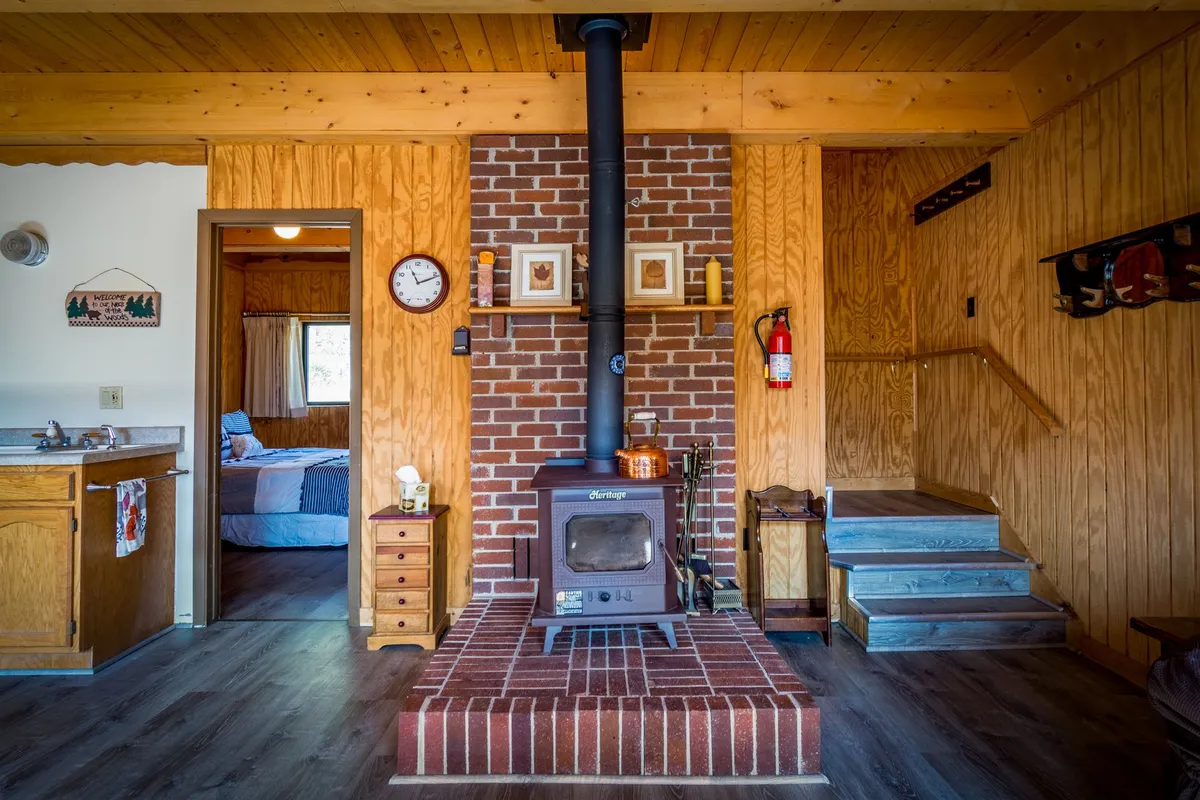
Every serious cabin interior has a fireplace, and the fireplace surround is where stone earns its place. Fieldstone, river rock, and dry-stacked slate are the most authentic choices—they reference the building traditions of actual mountain cabins rather than manufactured stone veneer, which tends to read as hollow no matter how well it's installed. A floor-to-ceiling stone fireplace wall is the single most impactful investment in a cabin renovation, typically running $8,000–$25,000 depending on stone type and mason labor in your region.
Stone also works on kitchen countertops (leathered granite or soapstone hold up better than polished marble in heavy-use mountain homes) and as an entryway floor treatment where boots and wet gear come in.
Color Palette and Textile Approach
The Base Palette
Cabin palettes work from the outside in. The mountain environment—evergreen, granite gray, bark brown, snow white, the deep blue of high-altitude sky—provides the entire palette you need. Warm off-whites and cream for walls, forest green or slate blue for painted accents, natural linen and wool in undyed or earth-tone variants for upholstery. Avoid stark white walls: they fight the warm wood tones and make a cabin feel like a ski lodge lobby rather than a private retreat.
Painted elements—doors, built-in cabinetry, window casings—are an opportunity to introduce depth. Deep hunter green, navy, dark charcoal, and brick red all work beautifully against natural wood paneling and keep the cabin grounded rather than rustic-sweet.
Textiles That Do Real Work
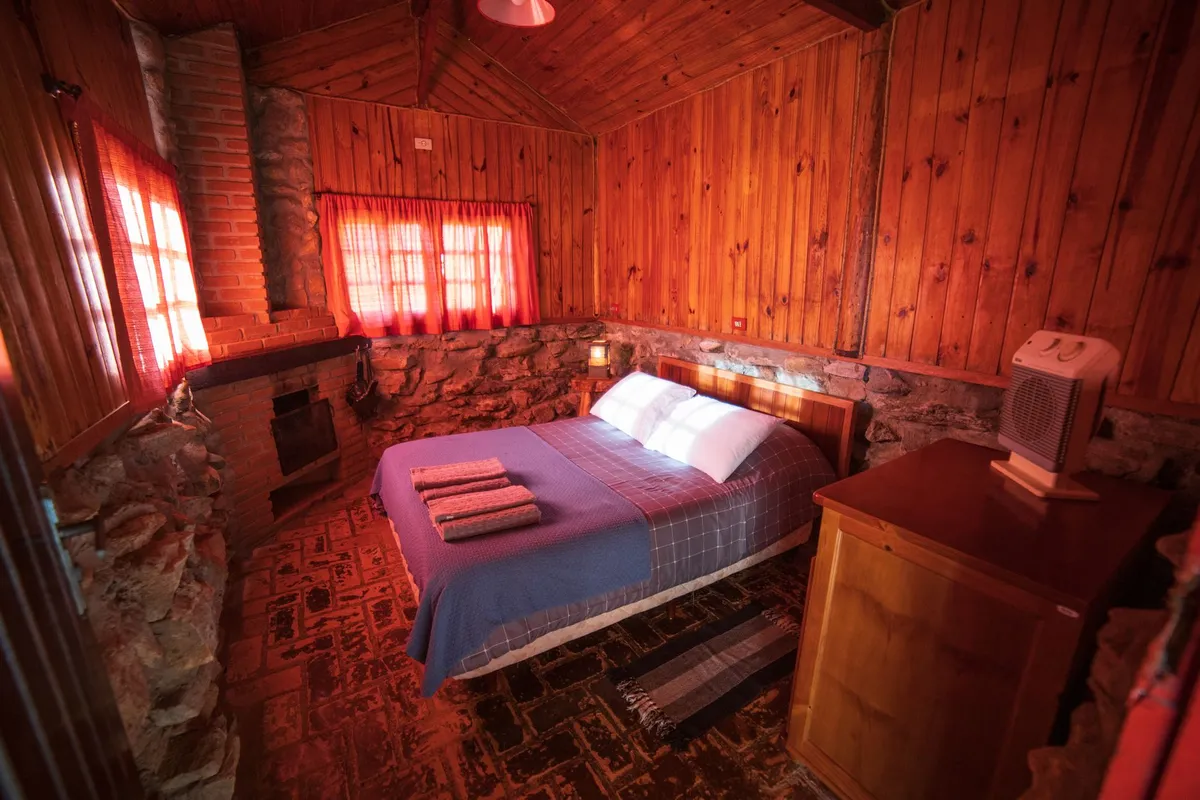
Cabin textiles should be genuinely warm and genuinely durable. Wool plaid blankets (not acrylic approximations), quilts in traditional patterns like log cabin or bear paw, canvas and waxed cotton for throw pillow covers, Pendleton-weight wool for curtains. Layering matters more than matching: a linen base, a wool throw, a quilted accent all coexisting is exactly right.
Avoid overly refined textiles. Silk, fine cotton, and delicate embroidery look wrong in a cabin environment the same way a barn door looks wrong in a Manhattan apartment. The materials should suggest that the room could get muddy boots tracked through it and recover.
Furniture Selection for Mountain Retreats
Seating That Invites Staying
The best cabin seating is oversized, deeply cushioned, and covered in materials that improve with use. Full-grain leather is the gold standard—it develops a patina over years that new leather can't replicate, and it holds up to heavy use, pet claws, and the general punishment that vacation homes receive. A pair of leather club chairs flanking a stone fireplace, a large sectional or sofa in a warm cognac or saddle brown: these are pieces you buy once.
Rustic wood furniture—Adirondack chairs, twig furniture, hand-hewn tables—works best as accent pieces rather than the primary seating group. A single Adirondack rocker by the window has character; a roomful of them reads as a camp dining hall.
Storage with Purpose
Mountain cabins need practical storage that integrates into the aesthetic. Built-in mudrooms with wood bench seating, hooks, and lower cubbies handle wet gear at entry. Open shelving in the kitchen keeps frequently used items accessible and contributes to the lived-in quality. A cedar-lined blanket chest at the foot of the bed is both storage and a textile display. The furniture that earns its place in a cabin is furniture that does something.
Lighting in Cabin Interiors
Cabin lighting should be warm and layered. Overhead fixtures in iron, antler, or bronze work well—chandeliers made from elk antler or wrought iron rings with candle-style bulbs are cabin classics that haven't become clichéd because they're genuinely appropriate to the setting. Wall sconces in aged bronze with amber glass add warmth without the overhead harshness that recessed LEDs produce.
The fireplace is a light source, too, and cabin layouts that orient primary seating toward the fire rather than treating it as a background element use this correctly. A well-lit cabin at night, with firelight supplemented by a few warm lamps, is one of the most satisfying interiors in American residential design.
For practical lighting needs—kitchen task, reading nooks, bathroom vanities—stick to warm-white LEDs in the 2700K range. Daylight-spectrum bulbs at 5000K turn a warm cabin interior clinical.
Cabin Design for Four-Season Use
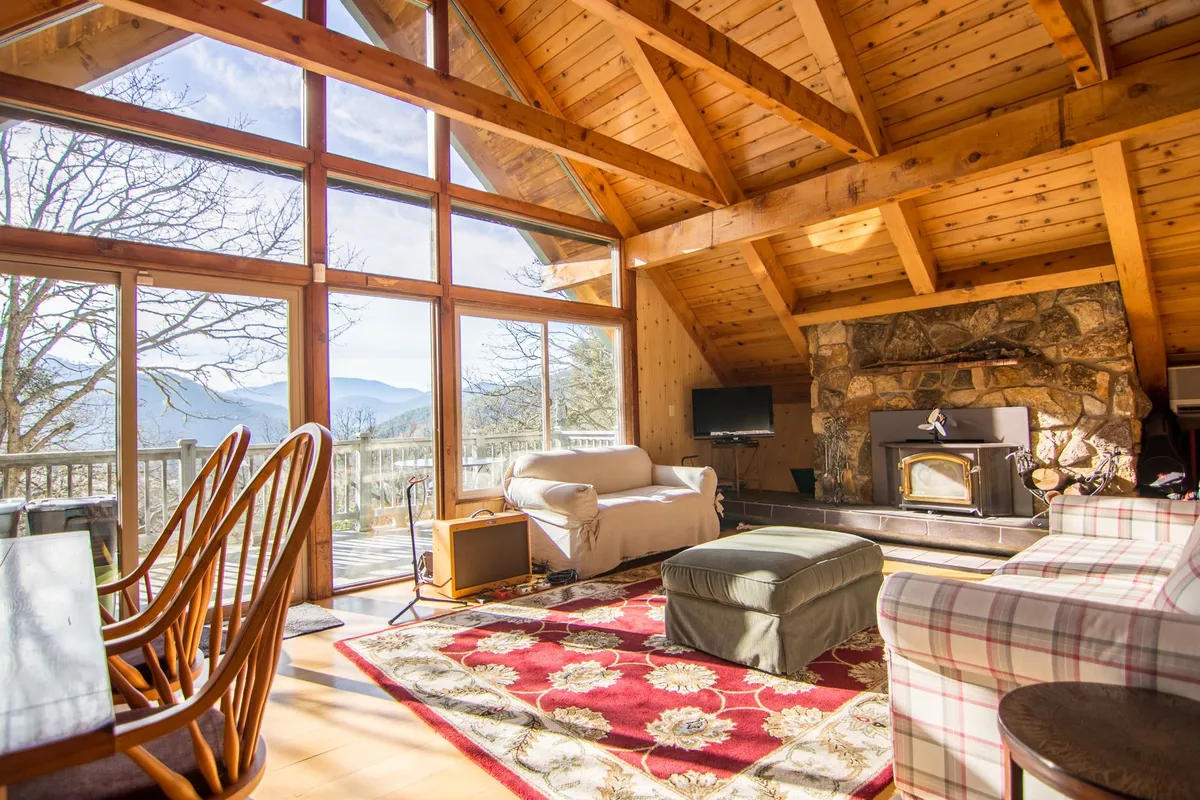
A cabin used only in summer has different requirements than one that sees January use at elevation. Four-season mountain cabins need proper insulation at walls and ceiling (this often means addressing the aesthetic later, after the building envelope is right), radiant floor heating under stone or tile entries and bathrooms, and a heating system robust enough to warm a stone-and-wood structure quickly after it's sat cold. The design choices that look good—exposed stone, high ceilings, large windows—are also the choices that lose heat fastest, so HVAC and envelope details are genuinely part of the design conversation.
If you're renovating an existing cabin, the bathroom renovation cost guide covers what to expect for updating a mountain cabin bath, and the kitchen renovation guide includes ranges for remote-location premiums that apply in mountain settings.
Visualizing Your Cabin Interior Before Renovating
Cabin renovations often involve committing to irreversible structural choices—removing a wall, adding a fireplace, installing paneling—that are expensive to undo. Seeing a realistic render of the finished space before ordering materials is genuinely useful. Upload a photo of your existing cabin interior to the free room render tool and see how reclaimed wood paneling, a stone fireplace surround, or different ceiling beam configurations would actually look in your space. For a broader exploration comparing rustic, modern mountain, or Scandinavian lodge aesthetics, the full design dashboard lets you run multiple interpretations side by side.
Common Cabin Interior Mistakes
- Overloading on taxidermy and antler: One antler chandelier or one mounted head is a statement; five is a hunting lodge parody. Edit aggressively.
- All-new furniture: A cabin where every piece is visibly brand-new loses the authenticity that makes the style work. Mix new structural pieces with genuinely used or antique items.
- Ignoring natural light: Mountain cabins often have spectacular views that get blocked by heavy window treatments. Use cellular shades or simple Roman shades that stack out of the way rather than heavy drapes that compete with the landscape.
- Skipping the mudroom: A cabin without a proper entry buffer gets its entire interior tracked up within a season. Even a small bench-and-hook setup prevents the rest of the design from being destroyed by regular use.
- Painted knotty pine: White-painted knotty pine is currently popular but it fights the material—the knots bleed through paint, and the combination of rustic wood grain under white paint often looks unfinished rather than intentionally casual. If you want light walls, drywall is easier to work with than painted pine.
Cabin Interior Design FAQ
What's the difference between cabin style and rustic style? Cabin design is a subset of rustic that references specifically American mountain and woodland building traditions—log construction, fieldstone fireplaces, plaid and quilted textiles. Rustic is a broader category that includes farmhouse, industrial loft, and various European country styles. Cabin is more specific in its material references and more oriented around wood as the primary aesthetic driver.
Can cabin interior design work in a suburban house, not an actual cabin? Yes, selectively. The key is using materials that carry the aesthetic rather than graphic motifs that reference it. Reclaimed wood floors, a stone accent wall, linen and wool textiles, and warm bronze lighting can bring cabin warmth to a suburban living room without requiring log walls or a mountain setting. Avoid the decorative shorthand—bear art, "CABIN" signs, novelty antler hooks—that reads as theme rather than design.
How do I balance cabin aesthetics with modern amenities? The most effective approach is to hide or integrate modern technology rather than fight it. A built-in cabinet conceals a television; in-floor radiant heat eliminates the visual intrusion of baseboard heaters; a panel-ready refrigerator with a wood-front insert fits into a cabin kitchen without breaking the material logic of the room. The goal is a space that feels genuinely off-grid while actually being fully equipped.
What flooring works best in a mountain cabin? Wide-plank hardwood in white oak, hickory, or reclaimed Douglas fir is the canonical choice and the most durable for heavy use. Stone tile works well in entries and bathrooms. Avoid carpet throughout a mountain cabin—it holds moisture, pet dander, and mountain dirt in ways that are difficult to clean and can promote mold growth in environments with snow and rain exposure.