
Farmhouse Interior Design: Rustic Charm Meets Modern Comfort
Create a cozy farmhouse aesthetic with exposed beams, vintage finds, and warm neutrals. Perfect blend of rustic and refined.
RoomRenovation.AI Team
Updated March 24, 2026
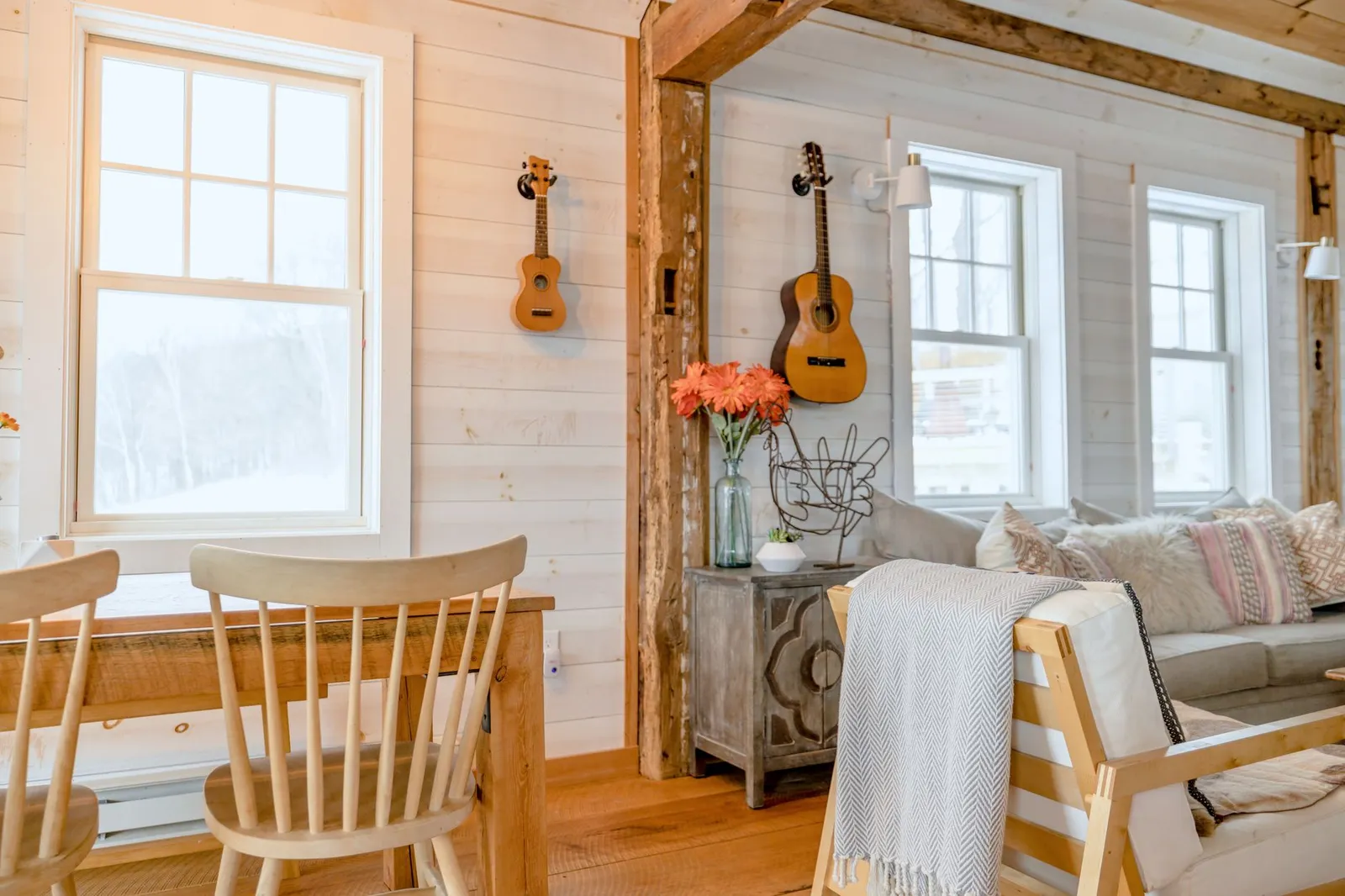
Farmhouse interior design is one of the most enduring aesthetic movements in American homes — and also one of the most frequently misunderstood. At its best, it's a sophisticated combination of rustic materials, warm neutrals, handcrafted objects, and genuine architectural character. At its most diluted, it's a white shiplap wall and a "gather" sign. This guide focuses on the real thing: how farmhouse design actually works, why it feels so consistently livable, and how to execute it with restraint and authenticity.
The Authentic Roots of Farmhouse Style
American farmhouse design has deep practical origins. Nineteenth-century farm homes prioritized function over ornament: wide plank floors that were easy to clean, exposed structural timbers (because concealing them was expensive), simple millwork, generous windows for light and ventilation, and furniture built to last generations of heavy use.
Contemporary farmhouse design keeps the material vocabulary — wood, linen, iron, stone, ceramic — while updating the layout, comfort standards, and scale for modern living. The "modern farmhouse" that emerged prominently in the 2010s (largely through Joanna Gaines' design work) introduced cleaner lines and less ornament than traditional farmhouse, making it more versatile across different home architectures.
The Foundational Elements
Wood in Every Form
No material is more central to farmhouse design than wood. It appears in:
- Exposed ceiling beams: real structural beams, box beams applied to flat ceilings, or reclaimed barn wood lengths. The most transformative architectural farmhouse detail.
- Wide-plank hardwood floors: the wider the plank, the more traditional the character. White oak, pine, and hickory are the authentic choices. Wire-brushing or hand-scraping adds texture.
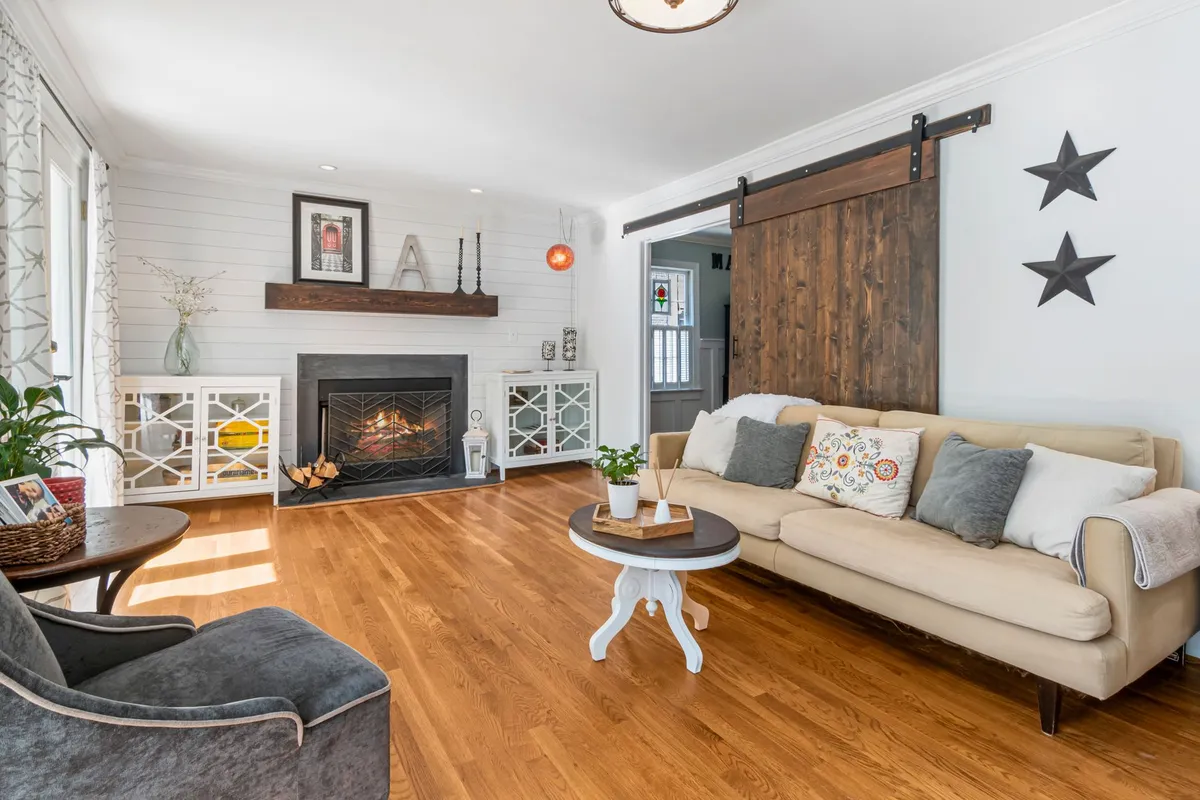
- Shiplap walls and ceilings: the signature modern farmhouse detail. Works best as an accent wall or ceiling treatment rather than as full-room coverage, which can feel like a stage set.
- Reclaimed wood accents: floating shelves, barn door hardware, fireplace mantels, kitchen island tops
- Wood furniture: dining tables with natural grain, farmhouse-style chairs, wooden bed frames with simple profiles
The Farmhouse Color Palette
Farmhouse interiors are almost universally warm-neutral in their wall colors and large upholstery:
- Whites: not stark pure white, but warm white (Sherwin-Williams Alabaster, Benjamin Moore White Dove) that picks up the warmth of wood tones
- Creams and ivory: for rooms where pure white would feel cold
- Warm grays: Repose Gray, Agreeable Gray — the reliable backdrop for warm wood and iron accents
- Muted greens and blues: as accent colors — sage green kitchen cabinets, slate blue in a reading nook, dusty teal pillows
- Warm clay and terracotta: in current farmhouse interiors as a modern update to the standard gray-and-white palette
Metals: Iron and Aged Brass
The farmhouse palette for metals runs from black iron to aged brass with minimal chrome or nickel. Black iron is the most consistent farmhouse metal: in window hardware, pendant lights, plumbing fixtures, cabinet pulls, and curtain rods. Aged or unlacquered brass appears as a softer counterpoint, particularly in kitchen and bathroom hardware.
Key Furniture Pieces in the Farmhouse Interior
Farmhouse furniture should feel substantial, simple, and built to last. Avoid anything that looks precious or fragile:
- Farm table: the dining centerpiece. A solid wood table — natural or painted — that seats the whole family with room for mismatched chairs and benches
- Slipcovered sofas: white or natural linen slipcovers that can be washed. Comfortable, casual, impossible to ruin.
- Windsor and ladder-back chairs: the classic American farmhouse chair profile. Mix different stains or painted colors around a dining table for an unfussy, collected look
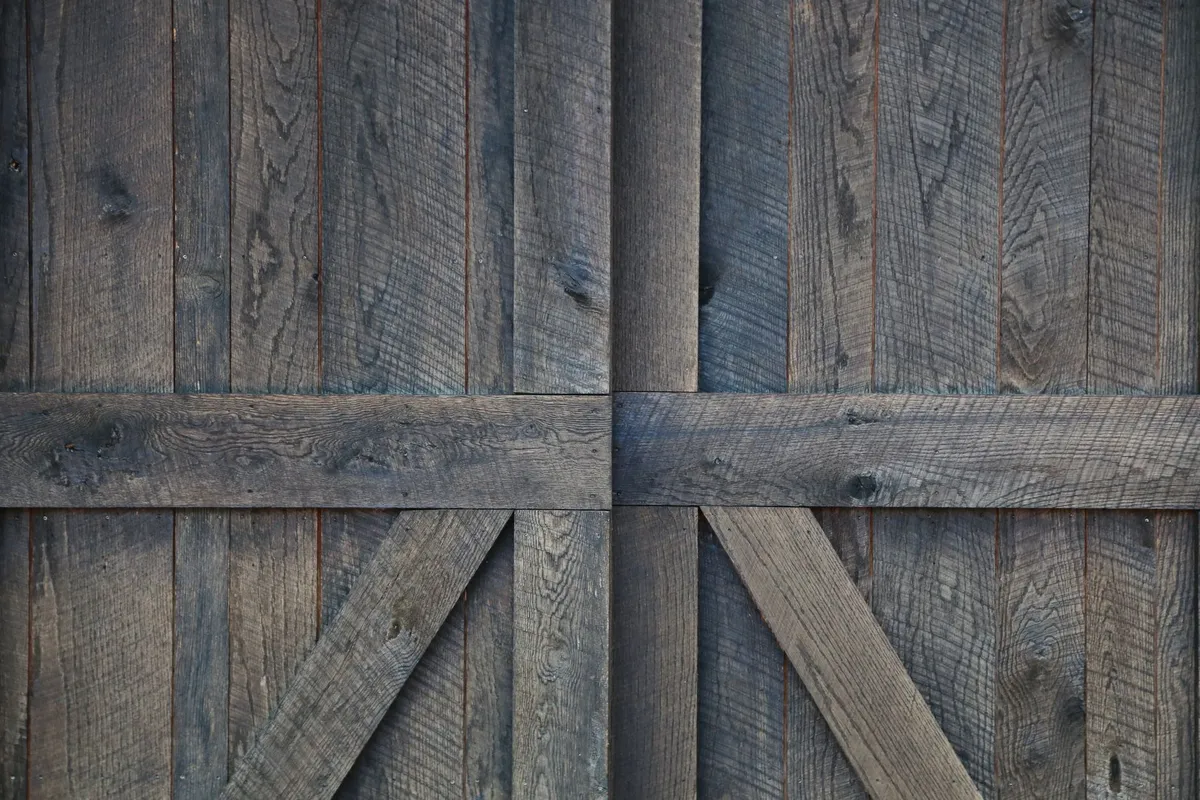
- Barn doors: sliding barn door hardware on interior doors is the signature modern farmhouse architectural detail. Functions as a space-saver and visual focal point simultaneously
- Hutch or freestanding cabinet: for displaying farmhouse ceramics, collecting vintage finds, or organizing linens and tableware
Textiles That Define Farmhouse Comfort
Farmhouse design is tactilely warm and layered. Textiles that carry the aesthetic:
- Linen: on sofas, dining chair seats, curtains. Natural, washed linen is the defining farmhouse textile — unpretentious and beautiful when wrinkled.
- Cotton throws: chunky cable-knit cotton throws, muslin blankets, and striped tea-towel textiles
- Jute rugs: the natural-fiber rug of choice. Durable, texturally rich, and in harmony with wood floors
- Grain-sack stripe: the classic farmhouse textile pattern — cream or natural with blue, red, or black ticking stripes, originally used on grain and flour bags
- Quilts: vintage or new patchwork quilts as bed coverlets, wall art, or chair throws
The Farmhouse Kitchen: Design Details That Matter
The kitchen is where farmhouse design has its most concentrated expression:
- Apron-front (farmhouse) sink: the most iconic single fixture in the farmhouse kitchen. Available in white porcelain, fireclay, or hammered copper
- Open shelving: replacing upper cabinets with floating wood shelves creates the open, airy quality that photographs beautifully and keeps everyday dishware accessible
- Painted lower cabinets: white or sage green painted Shaker-profile cabinets are the farmhouse standard
- Butcher block island top: functional, warm, and authentically farmhouse — pair with stone or quartz perimeter countertops for durability
- Subway tile or brick backsplash: in warm white or cream; avoid bright white that reads too contemporary
Thinking about a kitchen update? See our kitchen renovation cost guide or try a farmhouse style render on your actual kitchen photo at RoomRenovation.AI.
Vintage and Found Objects: The Character Layer
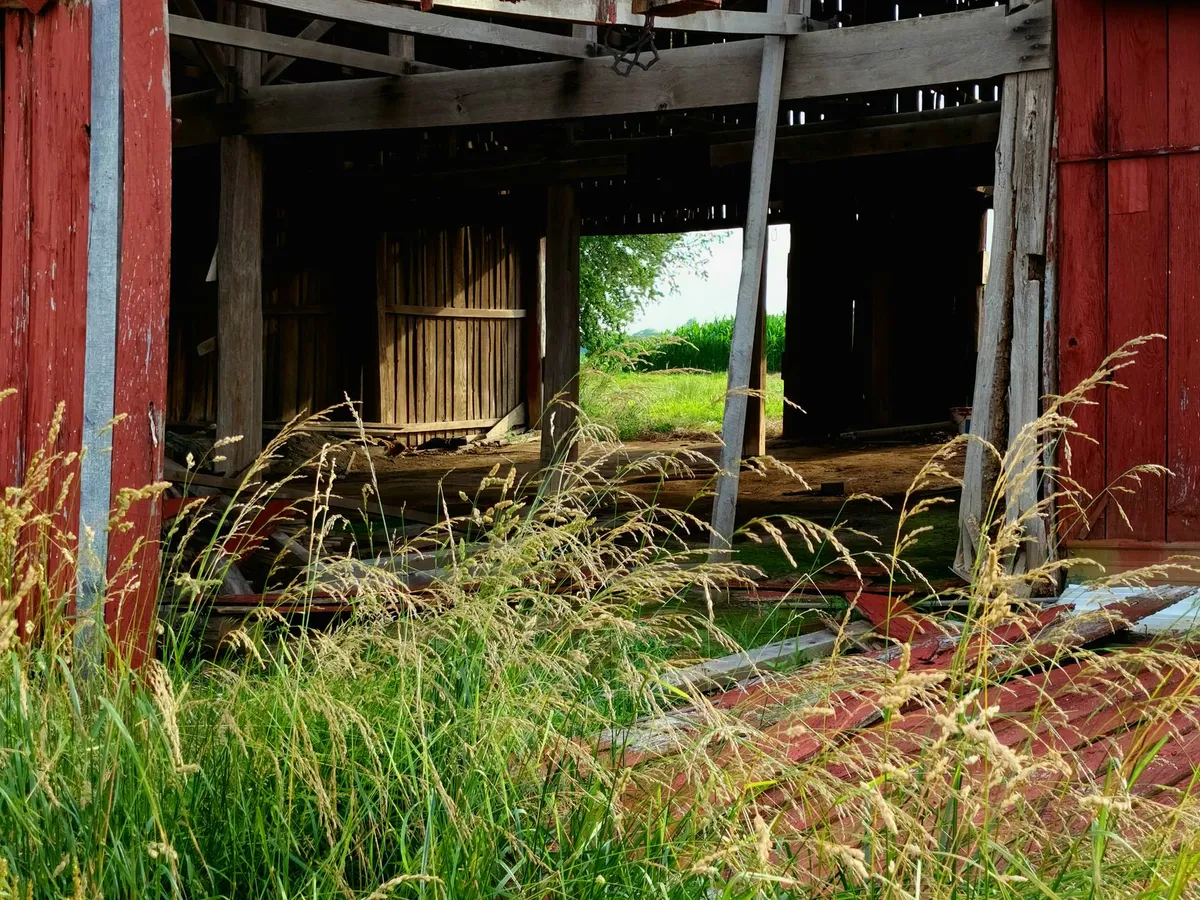
What separates a farmhouse-styled room from a farmhouse room is the presence of genuinely old or found objects: a wooden crate repurposed as a side table, vintage enamelware arranged on open shelves, an antique clock on the mantel, a collection of clay crocks, a faded grain-sack pillow in linen. These are the elements that create the "lived in for generations" quality that new farmhouse furniture alone cannot.
Practical sources: estate sales, antique malls, rural auction houses, architectural salvage dealers, and family inheritance. You don't need everything to be old — even one or two genuinely vintage objects elevate the authenticity of everything around them.
Modern Farmhouse vs. Traditional Farmhouse
The distinction is mostly in the level of ornament and the architectural profile of furniture:
- Traditional farmhouse: more furniture detail, more vintage objects, more pattern in textiles, cozier and denser in feel
- Modern farmhouse: cleaner lines, more white, less ornament, more architectural impact (shiplap, barn doors), references to Scandinavian minimalism
Most successful contemporary farmhouse interiors sit between these poles — the warmth of traditional with the edit of modern. Try a render at RoomRenovation.AI to see which direction works better in your specific room, or explore how farmhouse compares to related styles like Scandinavian in our style library.
FAQ
What is the difference between modern farmhouse and traditional farmhouse design? Traditional farmhouse is denser, warmer, and more ornament-rich, with more vintage objects and textile pattern. Modern farmhouse is cleaner, more architecturally driven (shiplap, barn doors), and incorporates elements of Scandinavian minimalism while keeping the warm material palette.
Is farmhouse design out of style in 2026? No. While the trend peaked in the mid-2010s, farmhouse design has earned lasting relevance because its core qualities — warmth, natural materials, livability — remain genuinely appealing. What has changed is that the most clichéd expressions (the "gather" sign, the mason jar centerpiece) are being replaced by more considered, personal interpretations.
What are the key farmhouse design elements to prioritize first? Paint the walls a warm white or cream, add a jute rug and a linen sofa throw, and replace overhead lighting with black iron pendants. These three changes establish the farmhouse foundation before any larger investments.
Can I get a farmhouse render of my living room? Yes — upload a photo to RoomRenovation.AI and select the farmhouse style. You'll see exactly how the aesthetic translates to your specific room before buying anything.