
Rustic Contemporary Interior Design: Refined Country Living
Rustic contemporary design blends farmhouse charm with clean modern lines. See how to warm up a modern space with natural textures without going overly country.
RoomRenovation.AI Team
Updated March 23, 2026
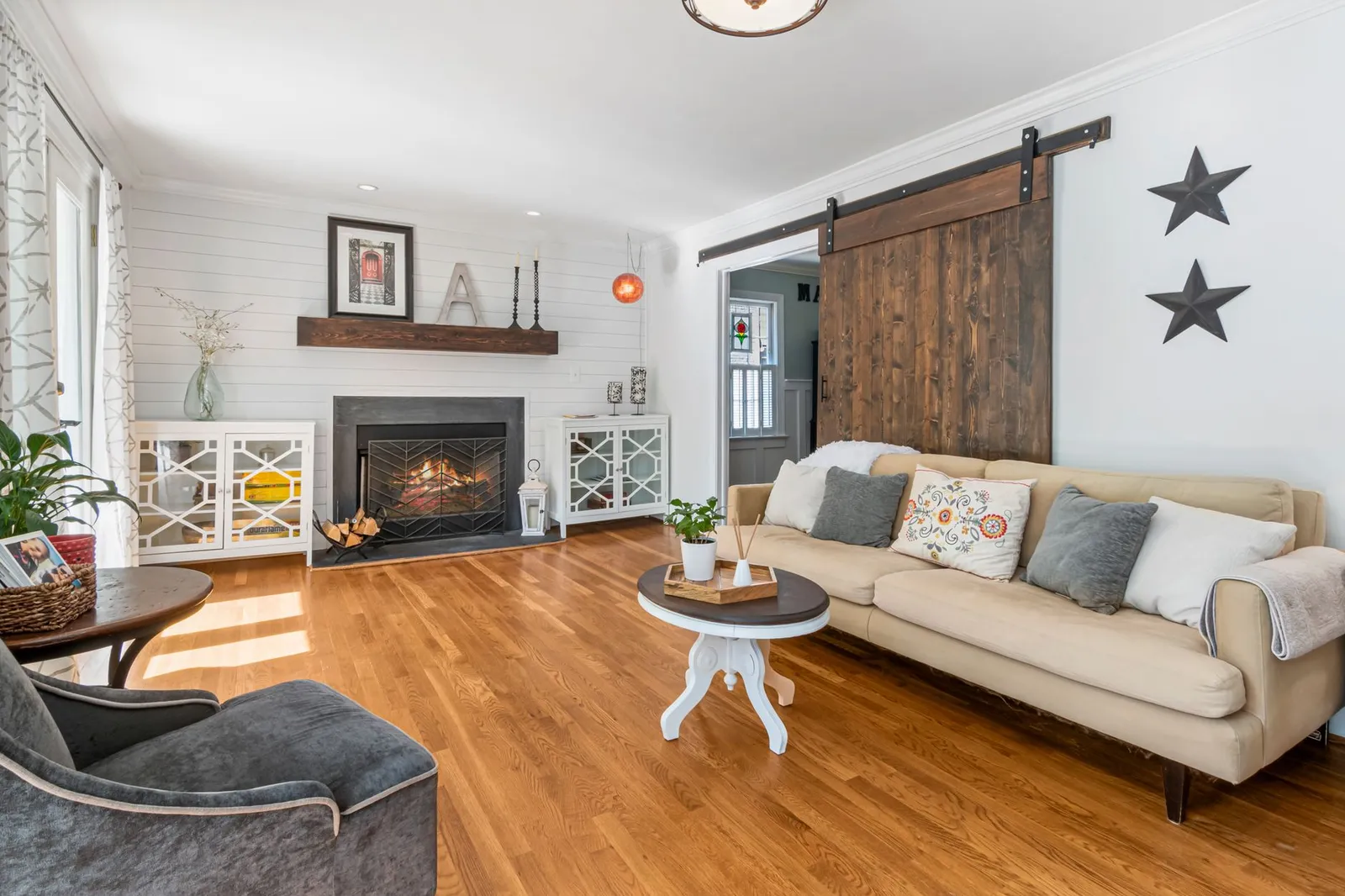
Rustic contemporary interior design is the art of holding two seemingly opposing impulses in productive tension: the raw warmth of natural materials and imperfect craft, and the clean geometry and precision of contemporary design. The result — when executed thoughtfully — produces rooms that are warm without being dated, polished without being cold, and effortlessly livable in a way that purely rustic or purely contemporary rooms sometimes struggle to achieve.
Why Rustic Contemporary Works So Well
The design logic is sound. Pure rustic interiors can feel heavy, theme-y, or like they belong in a mountain lodge rather than a suburban home. Pure contemporary interiors, with their emphasis on geometric precision and edited palettes, can feel cold or impersonal — technically beautiful but not particularly inviting. Rustic contemporary solves both problems simultaneously: natural materials and warm textures address the cold-contemporary problem, while contemporary restraint and clean lines prevent the rustic elements from becoming overwhelming.
The style has become particularly resonant in 2026 because it aligns with where interior design has been heading: away from maximalist decoration and toward meaningful material quality, natural textures, and spaces that support slow living rather than visual performance.
Core Principles of Rustic Contemporary Design
Let Natural Materials Carry the Warmth
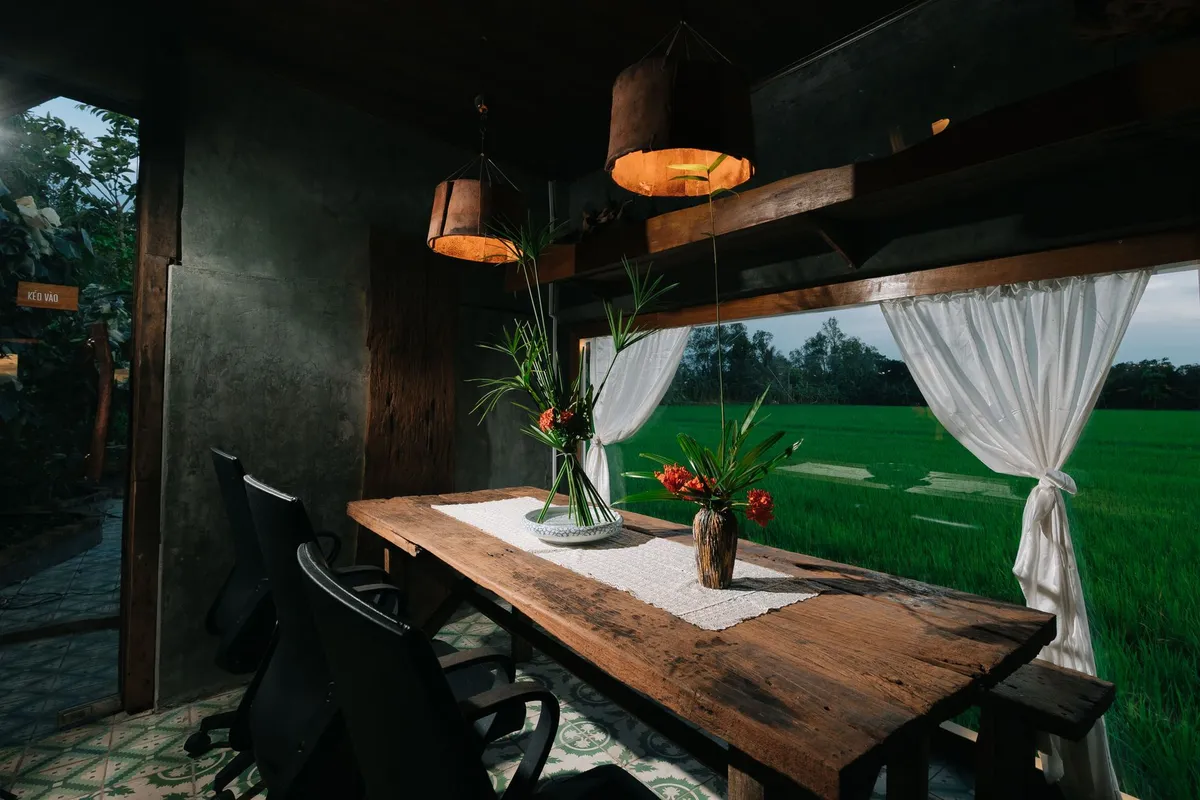
In rustic contemporary design, warmth comes from material rather than decoration. A white oak floor with visible grain and a matte oil finish, a live-edge wood coffee table, exposed timber ceiling beams, a stone fireplace surround — these elements deliver the warmth of rustic design without requiring rustic-coded accessories or styling. The contemporary elements (clean-lined furniture, precise geometry, restrained palette) can then coexist with that material warmth rather than fighting against it.
Keep Furniture Lines Clean
The furniture in rustic contemporary interiors is contemporary in silhouette — low-profile, geometric, without carved ornamentation or overly sculpted legs. What makes it rustic is upholstery choice (leather, heavy linen, chunky wool) and occasionally material (a solid wood side table, a leather bench) rather than form. This is the critical distinction: rustic contemporary expresses its rustic character through material and texture, not through furniture styling.
Contrast as a Design Tool
Rustic contemporary design is explicitly about contrast — smooth surfaces against rough ones, dark iron against pale limestone, raw wood against white plaster, precision joinery against organic form. This contrast creates visual interest and prevents either aesthetic tendency from dominating. A concrete fireplace surround gains character from the rough-hewn timber mantel above it. A sleek contemporary kitchen becomes warmer with reclaimed wood open shelving.
Material Vocabulary
The rustic contemporary material palette is specific and should be applied with some discipline:
- Wood: White oak, walnut, reclaimed pine — always with visible grain and a matte or natural oil finish, never lacquered or high-gloss
- Stone: Honed limestone, slate, or concrete — not polished marble (too glamorous) and not rough field stone (too rustic)
- Metal: Blackened steel, aged brass, or unlacquered copper — not chrome or brushed nickel
- Textiles: Linen, heavyweight cotton, leather, natural wool — in muted, natural tones
- Ceramics: Handmade pottery, matte-glazed vessels — not machine-perfect porcelain
Color: Warm Neutrals as the Foundation
The rustic contemporary palette centers on warm neutrals — warm white, warm greige, soft taupe, and the natural tones of wood and stone. Wall colors are almost always neutral to let material textures speak. Accent colors emerge from the materials: the warm amber of oak, the deep charcoal of blackened steel, the green-gray of slate.
Where color is introduced intentionally, it tends toward earthy, slightly muted tones: sage green, warm rust, deep navy, or a rich forest green. Nothing neon, nothing high-chroma in the rustic contemporary vocabulary.
Rustic Contemporary Kitchen Design
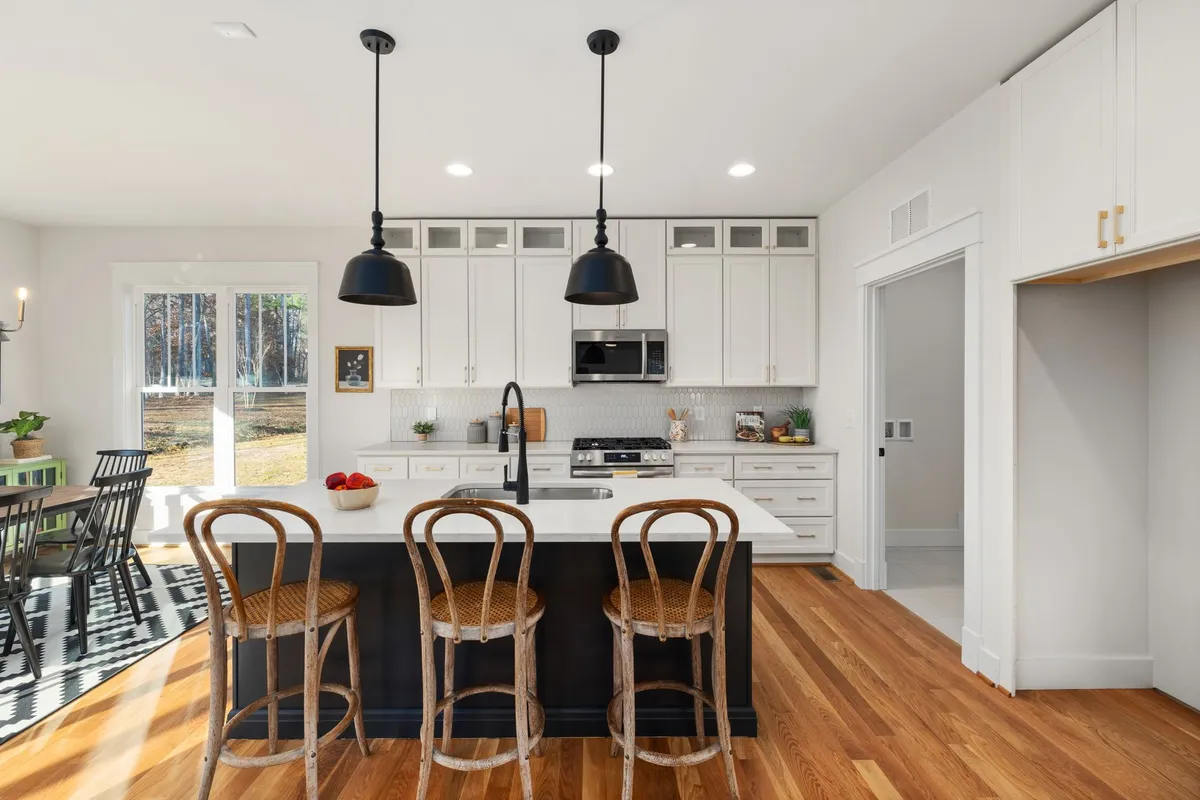
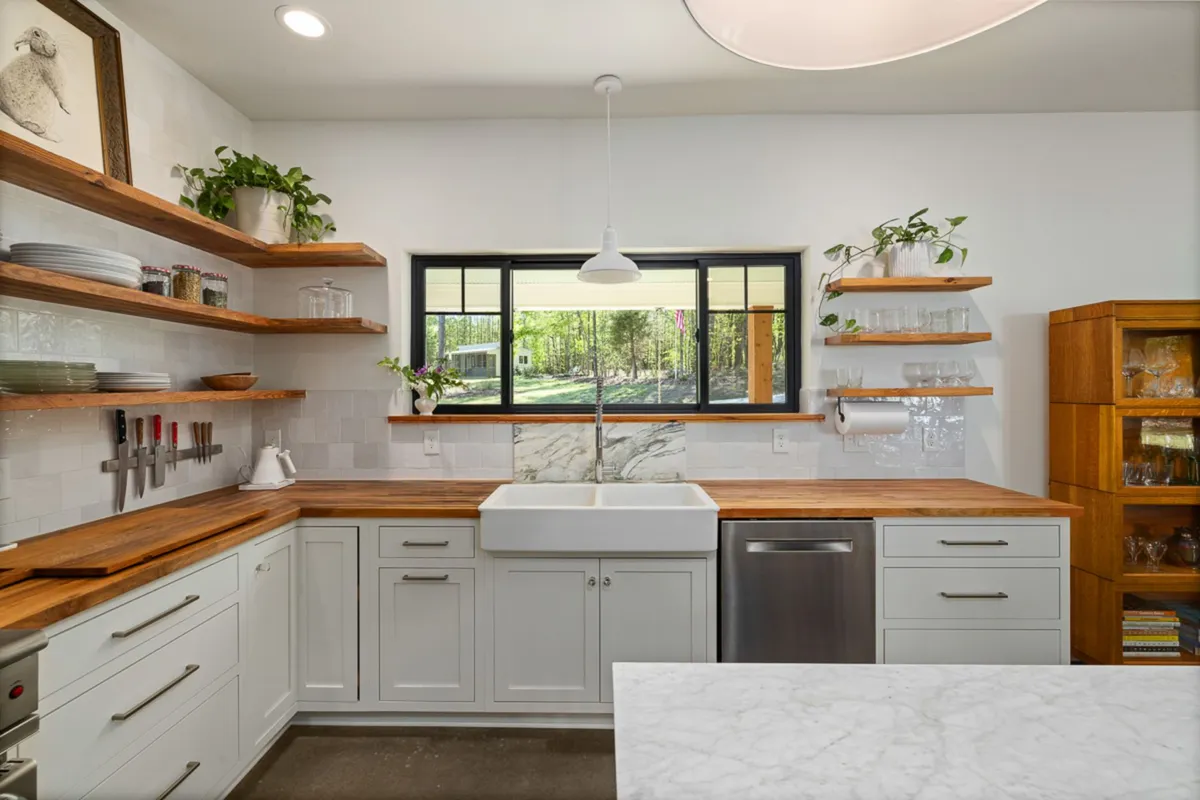
The kitchen is where rustic contemporary design often produces its most compelling results. The contemporary structure — flat-front cabinetry, integrated appliances, clean lines — provides the framework. Rustic materials add warmth: a walnut waterfall island, open shelving in reclaimed wood, a concrete or honed stone countertop, a farmhouse sink, and hardware in blackened steel or aged brass.
This approach avoids the two most common kitchen design failures: the cold, showroom-quality contemporary kitchen that nobody wants to spend time in, and the over-themed farmhouse kitchen that dates quickly. See our kitchen renovation cost guide for realistic budget planning.
Rustic Contemporary Living Rooms
A rustic contemporary living room is anchored by one major rustic structural element — typically exposed timber beams, a stone fireplace, or a live-edge dining or coffee table — and then furnished with contemporary pieces. A low sectional sofa in warm linen, a concrete or steel-base coffee table, a natural jute or wool rug, and minimal but carefully selected accessories.
Lighting is contemporary in form — architectural pendants, wall sconces with clean profiles — but with metal finishes that lean rustic: matte black, aged brass, or hammered iron rather than brushed nickel or chrome.
Rustic Contemporary Bedrooms
In the bedroom, rustic contemporary produces particularly warm results. A platform bed with an upholstered headboard in textured linen or leather, wide-plank oak floors, a reclaimed wood dresser or nightstand alongside a contemporary LED wall sconce, and bedding in heavy linen or organic cotton. The room has the calm geometry of contemporary design and the material warmth of rustic without tipping into log-cabin territory.
Common Mistakes to Avoid
- Overdoing the rustic elements — a stone fireplace, live-edge coffee table, beam ceiling, AND reclaimed wood floors is too much; pick one or two hero rustic features
- Using rustic-style furniture shapes alongside contemporary architecture — the mismatched language creates visual noise
- Bringing in too many vintage or antique accessories — rustic contemporary is about material, not collected objects
- High-gloss surfaces on anything — lacquered furniture, polished marble, or chrome fixtures break the aesthetic immediately
Visualizing the Combination in Your Room
Because rustic contemporary requires calibrating the balance between two aesthetic tendencies, pre-visualization is genuinely useful. Upload your room to RoomRenovation.ai and explore both rustic and contemporary style options to understand how your room's specific architecture and light respond to each. You can also try a free render to see the rustic contemporary direction in your actual space before making material commitments. The examples gallery shows the style applied across different room types.
2026 Budget for a Rustic Contemporary Room
A living room transformed to rustic contemporary character might involve:
- Decorative beam installation: $2,000–$5,000
- Contemporary sofa in quality linen: $1,800–$4,000
- Live-edge coffee table: $600–$2,500
- Natural wool or jute area rug: $300–$1,200
- Blackened steel pendant or floor lamp: $200–$800
Total for a room transformation: $5,000–$13,500, with wide variation based on material choices and room size. For a kitchen, see our detailed cost guide.
FAQ
Is rustic contemporary the same as farmhouse style? They overlap but aren't identical. Farmhouse leans more decorative — shiplap, vintage signs, mason jar accessories — while rustic contemporary is more architectural and restrained. Rustic contemporary tends to have a higher design IQ and reads more sophisticated.
Can rustic contemporary work in a small apartment? Yes, though with more restraint on the rustic elements. In a small space, one live-edge piece (a coffee table or dining table), warm wood flooring, and linen upholstery can establish the aesthetic without the structural rustic elements that require more architectural space.
What's the difference between rustic contemporary and industrial design? Industrial design also uses raw materials but leans toward steel, concrete, exposed brick, and an urban-warehouse aesthetic. Rustic contemporary draws from nature: timber, stone, organic forms. The emotional register is different — industrial is urban and edgy; rustic contemporary is warm and grounded.
How do I know if I've struck the right balance between rustic and contemporary? A good test: can you describe the room as "warm but uncluttered"? If it reads as cabin-themed or over-decorated with rustic accessories, you've gone too rustic. If it feels cold or lacks personality, you've gone too contemporary. The balance point is warm, specific, and visually calm.