
Mid-Century Modern Interior Design: Timeless Retro Style
Master mid-century modern design with iconic furniture, clean lines, and warm wood tones. Create a retro-chic aesthetic.
RoomRenovation.AI Team
Updated March 24, 2026
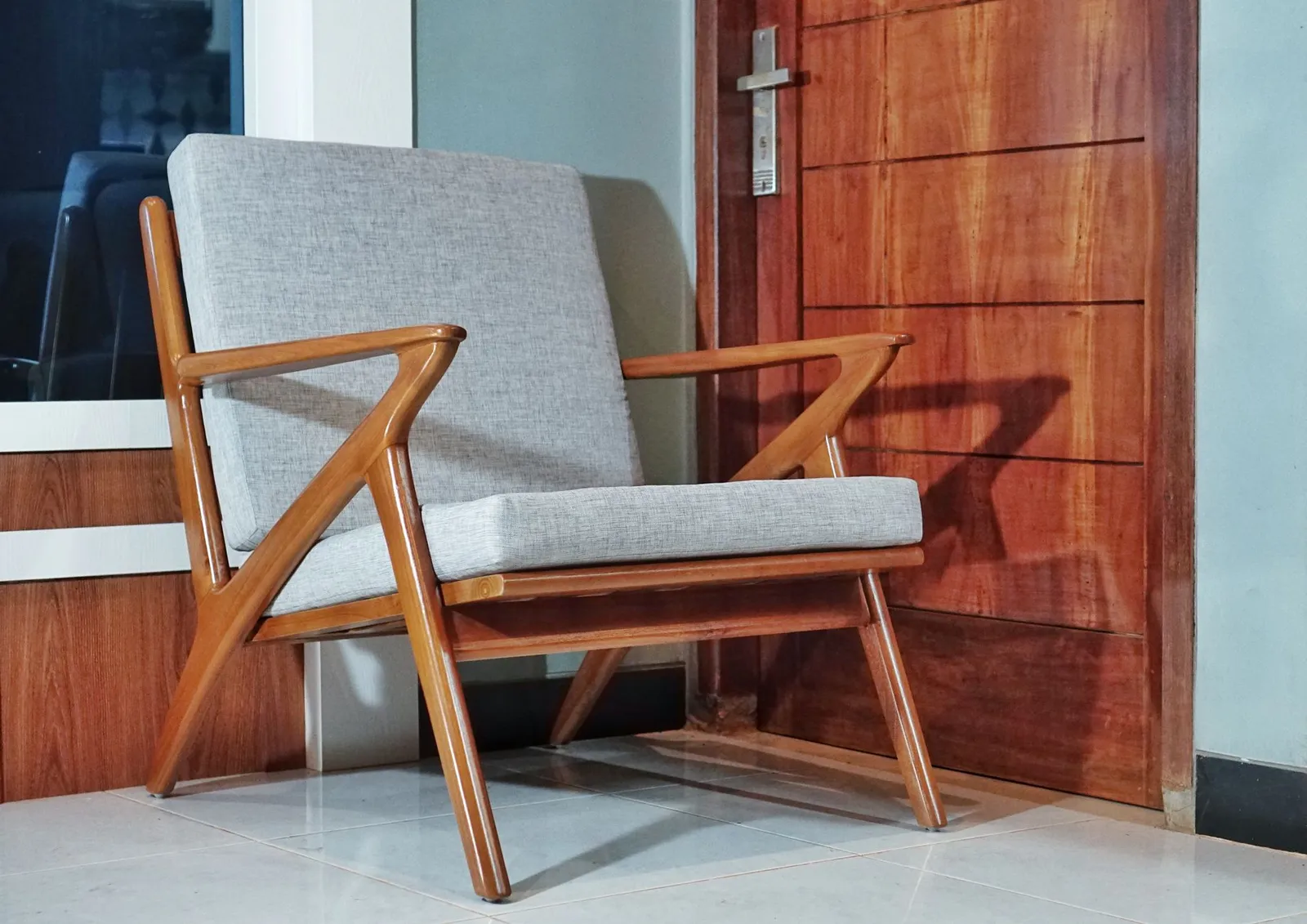
Mid-century modern is the most enduringly popular interior design style of the last hundred years—and probably the most misunderstood. The term gets applied to anything with tapered legs and a walnut finish, but mid-century modern design is a precise aesthetic philosophy rooted in the post-war optimism of 1945–1975: honest materials, functional beauty, the marriage of craftsmanship and industrial production, and a faith that good design should be accessible rather than reserved for the wealthy.
The Defining Characteristics of Mid-Century Modern
Before styling a room, understand the principles that make mid-century modern distinctive from other retro or vintage aesthetics.
Organic and Geometric Shapes Together
Mid-century modern is unusual in combining two normally opposed formal languages. Organic, sculptural shapes (the kidney-shaped coffee table, the tulip chair's single pedestal form, the shell chair's curved seat) coexist with geometric lines and grid-based layouts. This tension between organic and geometric is what gives the style its visual energy—it never fully relaxes into either pure softness or pure angularity.
Honest Use of Materials
The movement was explicit about material honesty: wood should look and behave like wood, not be covered in paint that hides its grain; concrete should reveal its poured texture; glass and steel should be transparent about what they are. Veneers were acceptable (and common, for production reasons), but faux finishes that imitate other materials were philosophically opposed to the aesthetic. This is why genuine mid-century modern furniture tends to age gracefully—its materials are what they appear to be.
Warm Woods as the Material Foundation
The iconic material of mid-century modern is warm-toned wood: teak, walnut, and rosewood in the highest-quality pieces; birch and beech in more accessible Danish production furniture. These species were chosen partly for their beauty and partly because they responded well to the production techniques of the era. The warm gold and brown tones of these woods set the color temperature of mid-century modern rooms more than any paint color or textile.
Low Profile and Horizontal Lines
Mid-century modern furniture sits low to the ground relative to traditional furniture. Sofas have seat heights of 14"–16" (traditional sofas are 17"–19"); beds are often platform-height or feature low-profile frames; case pieces hug the wall rather than reaching toward the ceiling. This horizontal emphasis creates a sense of expansiveness and a visual connection to the outdoors—a deliberate choice in the post-war era when indoor-outdoor living became an aspiration rather than just a weather accommodation.
Furniture Icons and How to Use Them
The Eames Lounge Chair and Ottoman
Perhaps the most recognized piece of 20th-century furniture design: the molded plywood shell chair with leather upholstery, designed by Charles and Ray Eames for Herman Miller in 1956. Genuine examples (Herman Miller or Vitra) run $5,000–$8,000 new; excellent reproductions from licensed manufacturers are available at $800–$2,000. The chair functions best as a reading or conversation piece rather than a primary seating element—its reclined angle and enclosed form are contemplative rather than social.
The Tulip Table and Chairs
Eero Saarinen's Tulip table (1956) solved the "slum of legs" problem he identified under tables and chairs by creating a single-pedestal form that reads as elegantly simple from any angle. The fiberglass shell seats and the Tulip table work particularly well in small dining areas where the leg-free pedestal base prevents visual crowding. Authentic Knoll pieces are $2,000–$6,000; credible reproductions $300–$800.
The Credenza or Sideboard
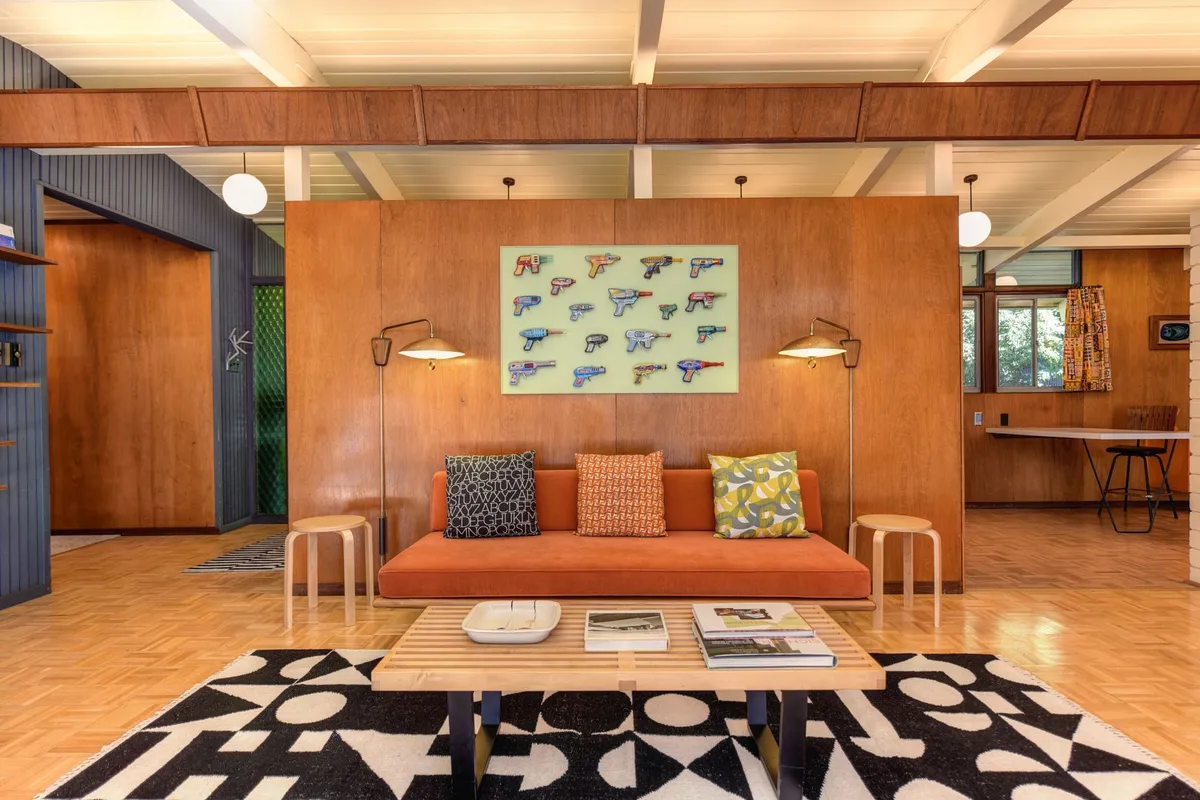
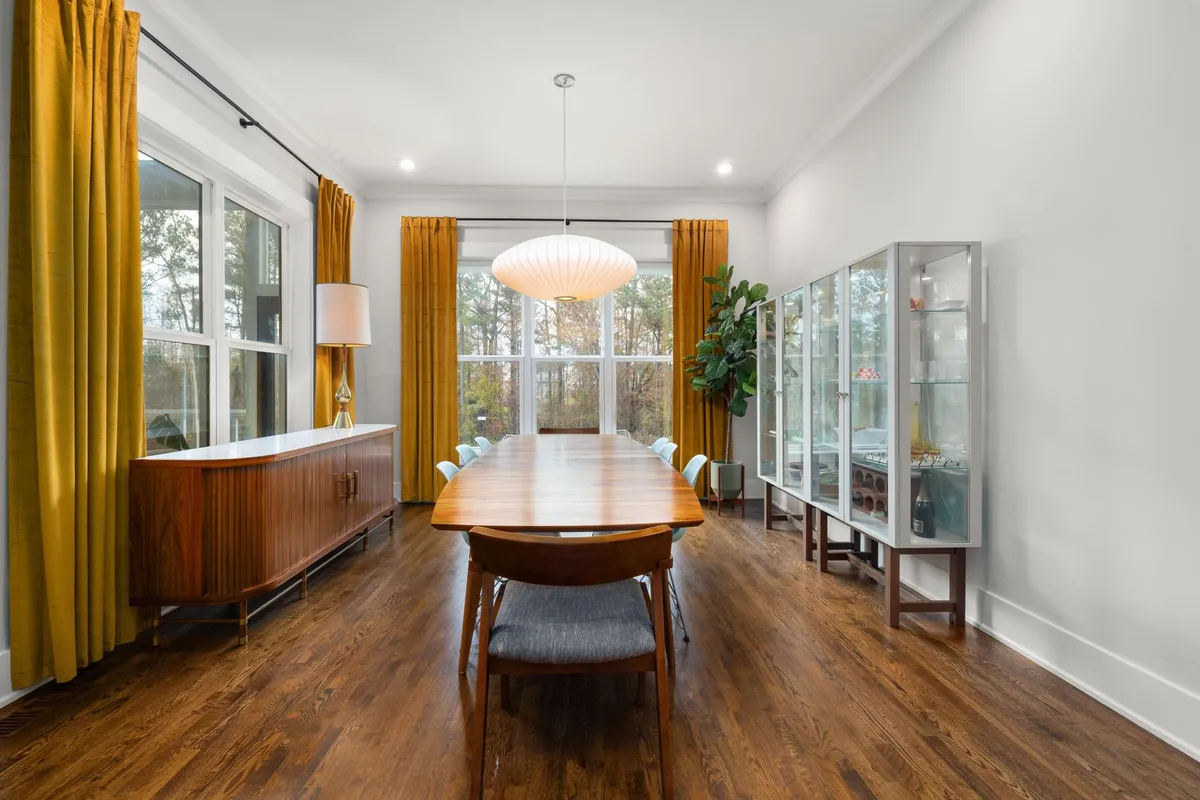
Low, wide sideboards and credenzas on splayed tapered legs are the single most versatile mid-century modern furniture investment. They function as dining room storage, living room media consoles, bedroom dressers, and entryway consoles equally well. The horizontal proportion grounds a room and provides a surface for the lamp-object-plant groupings that are the standard mid-century modern styling approach. Quality credenzas from vintage markets run $400–$2,500; new reproductions from West Elm, CB2, and Article run $600–$2,000.
The Arc Floor Lamp
The arc lamp—a weighted base sweeping a long curved arm over a seating area—is as much a mid-century modern icon as any piece of furniture. It provides overhead light without requiring a ceiling fixture, a practical solution in open-plan spaces where ceiling fixtures couldn't be positioned over furniture without appearing in the middle of the floor. Budget $150–$500 from CB2, West Elm, and similar retailers; vintage originals from the 1960s–70s run $200–$800 from estate sales.
Color Palette: Getting It Right
The Warm Neutral Foundation
Mid-century modern rooms typically begin with a warm neutral base: warm white or cream walls (Benjamin Moore White Dove OC-17, Sherwin-Williams Accessible Beige, or similar) that don't compete with the warm wood tones of the furniture. Cool gray—which has dominated interior design for the past decade—fights with teak and walnut. Warm whites and off-whites let the wood do its work.
The Accent Palette
Mid-century modern accent colors come in two modes: muted earth tones (olive green, terracotta, mustard yellow, deep teal) in the Scandinavian-influenced tradition, or bold primaries and saturated hues (orange, turquoise, chartreuse) in the more playful American modernist tradition. Both are historically authentic; the choice depends on how much visual energy you want the room to carry.
The most versatile 2026 mid-century modern accent palette: warm terracotta, olive or sage green, and warm camel—three tones that reference the era without the dated quality that primary-color accent schemes can carry in contemporary contexts.
Room-by-Room Mid-Century Modern Design
Living Room
The mid-century living room organizes around a low-slung sofa in a solid fabric—olive velvet, camel boucle, or cognac leather—facing a walnut credenza that serves as a media console. A Saarinen oval coffee table or a rectangular walnut slab with hairpin legs lives between them. The arc lamp pulls over the sofa; a ceramic table lamp sits on the credenza. Textile layering (a geometric wool rug, a throw blanket in a contrasting tone) adds warmth without pattern complexity.
Wall art in a mid-century living room should be large-format and relatively simple: abstract prints, line-drawing prints, large-format photography, or a single significant painting. Gallery walls work if they're organized with the same editorial restraint that governs the furniture choices—not a collection of everything.
Bedroom
The mid-century modern bedroom begins with a low-profile platform bed in walnut or teak with a simple slatted or upholstered headboard. Flanking nightstands should have the same period character: tapered legs, clean drawer fronts, warm wood finish. Overhead lighting in the bedroom can be a simple globe pendant or flush mount; the floor or table lamp at each bedside supplements it for reading.
Keep the minimalist principle in mind for bedrooms: fewer pieces, better executed, with open negative space that makes the room feel restful rather than furnished.
Kitchen and Dining
Mid-century modern kitchen character is introduced through hardware (simple cylindrical pulls in brass or brushed nickel), pendant lighting (globe pendants in smoked glass or opal white over the island), and open shelving styled with ceramics and glassware. The dining table should be walnut or teak with the characteristic tapered legs; chairs can mix wood shell forms with cushioned dining chairs for a balanced composition.
Authentic vs. Contemporary Mid-Century
A room of genuine vintage mid-century modern furniture has a quality that contemporary reproductions rarely match—partly material (the rosewood and teak in original Scandinavian pieces is denser and richer than contemporary woods), partly patina, partly the proportional subtlety that's hard to reproduce at production scale. But genuine period furniture, particularly in good condition, requires hunting: estate sales, auction houses, antique markets, and online platforms like 1stDibs and Chairish are the primary sources.
Contemporary pieces from West Elm, CB2, Article, and IKEA's Stockholm and Lisabo lines offer accessible mid-century modern at quality that has improved significantly in the past decade. The strategy most interior designers recommend: invest in 1–2 genuine vintage pieces (usually the most visible—the coffee table, a lounge chair, a credenza) and supplement with quality contemporary reproductions for the rest.
Testing Your Mid-Century Vision
Before committing to a significant furniture investment, AI visualization lets you see mid-century modern applied to your specific room's dimensions, light quality, and existing elements. Upload your room photo to RoomRenovation.AI and render it in a mid-century modern style to confirm the aesthetic works in your space and to test color palette options. Try the free render as your starting point.
What to Avoid in Mid-Century Modern Rooms
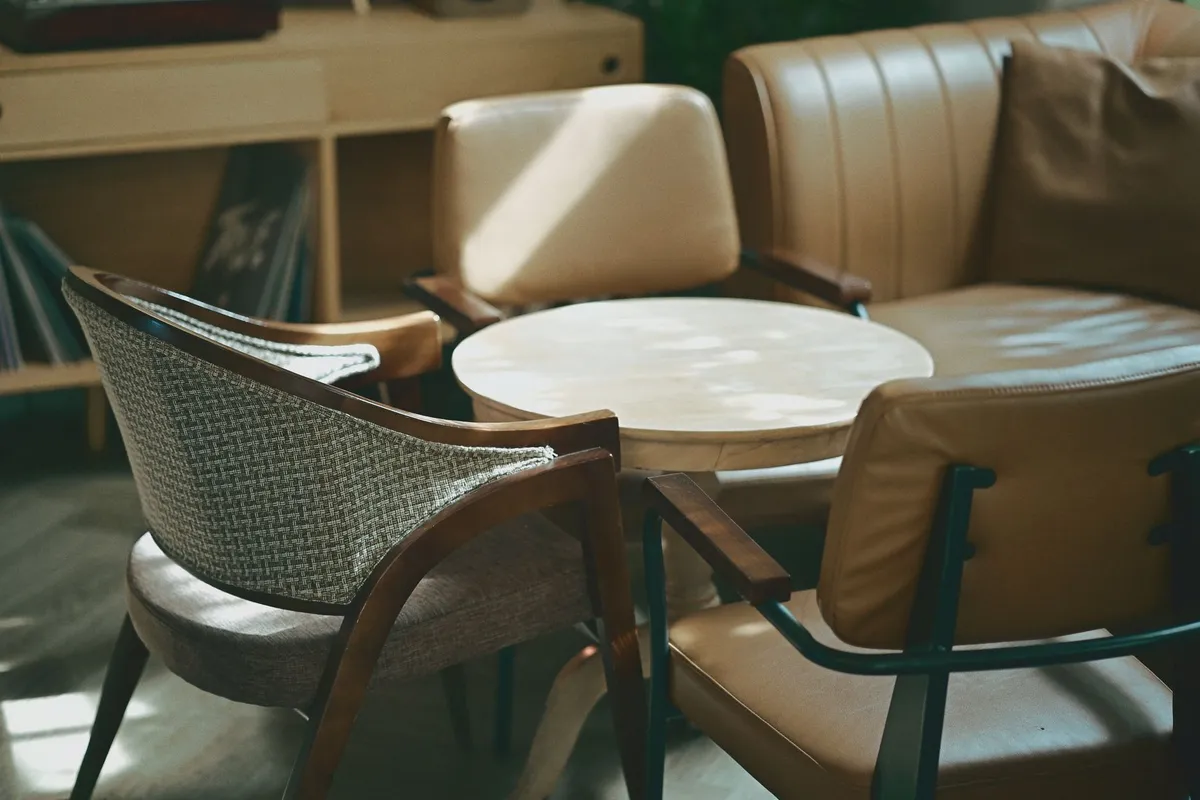
- Too many tapered-leg pieces: Every piece having tapered legs creates repetitive visual rhythm that reads as costume rather than design. Mix tapered-leg pieces with a solid-base piece or two.
- Cold gray walls: Cool gray wall colors fight with warm wood tones. Stick to warm whites, off-whites, and warm neutrals as the room's base.
- Oversized furniture: Mid-century modern furniture is characteristically lower and lighter than contemporary furniture. Oversized contemporary sectionals don't belong in a room built around this aesthetic.
- Clutter: The aesthetic requires restraint. Every object on a surface should be there intentionally. More objects don't create more mid-century character—they dilute it.
- Mixing unrelated vintage styles: Baroque, Victorian, and mid-century furniture don't share enough visual language to coexist without strong editorial control. Be selective about what other periods you introduce.
FAQ
What's the difference between mid-century modern and Danish modern? Danish modern is a subset of mid-century modern rooted in the Scandinavian furniture tradition—particularly the work of Hans Wegner, Finn Juhl, and Arne Jacobsen. It emphasizes superb craftsmanship, organic wood forms, and a quieter palette. American mid-century modern (Eames, Saarinen, Noguchi) is more eclectic in material use and more influenced by industrial production. Both fall under the mid-century modern umbrella but have distinct character.
Can mid-century modern work in a traditional or craftsman-style home? Yes—the contrast between period architecture and mid-century modern furniture is often more successful than matching the furniture period to the architecture. Craftsman homes in particular, with their warm wood trim and earthy tones, pair naturally with the warm wood furniture of mid-century modern.
How do I find authentic mid-century modern furniture? Estate sales (either in-person or via EstateSales.net), local antique dealers, Chairish, 1stDibs, and eBay "vintage" categories are the primary sources. Look for maker's marks or labels from Danish manufacturers (Fritz Hansen, Carl Hansen, PP Møbler), American manufacturers (Herman Miller, Knoll), and Italian manufacturers (Cassina, Arflex). Provenance documentation increases value significantly.
Is mid-century modern suitable for a family with young children? The style's low, stable furniture and durable natural materials (solid teak, wool upholstery) are more kid-compatible than many people assume. Performance fabric slipcovers on upholstered pieces and tempered glass table surfaces handle the demands of young families without abandoning the aesthetic.