
Shabby Chic Interior Design: Soft, Romantic, and Perfectly Worn
Shabby chic interior design with painted furniture, floral fabrics, and soft pastels. See this romantic, lived-in style visualized for any room.
RoomRenovation.AI Team
Updated March 23, 2026
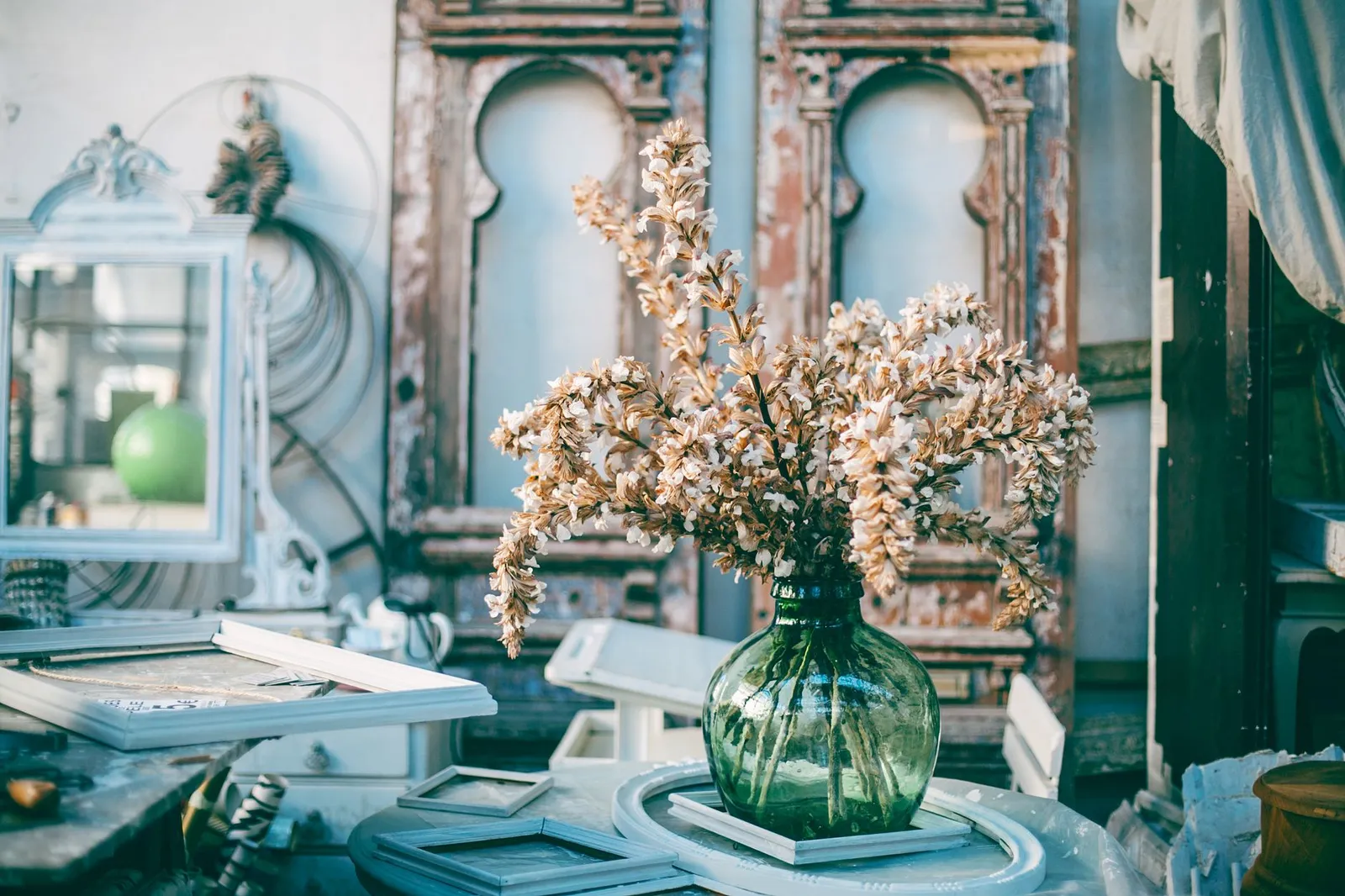
Shabby chic interior design is one of the most misunderstood styles in American decorating, largely because the word "shabby" gets taken literally. The aesthetic isn't about neglect or randomness—it's a precisely composed look that combines soft pastels, deliberately distressed surfaces, and layered floral textiles to produce rooms that feel both romantic and genuinely comfortable. Done well, shabby chic design achieves something most decorating styles only aim for: spaces that look as though they've been loved into their current condition over generations.
The Core Principles of Shabby Chic
The style was formalized by Rachel Ashwell in the late 1980s and drew from a specific reference pool: English country houses, French farmhouses, Scandinavian whitewashed interiors, and flea market finds that showed their age gracefully. Understanding these source traditions helps distinguish considered shabby chic from rooms that are simply worn out.
Softness as the Primary Design Principle
Everything in a shabby chic interior is soft in some dimension—visually, texturally, or chromatically. Hard edges are avoided or softened: furniture legs are turned or cabriole rather than squared, crown moldings are curved, surfaces are distressed to remove the visual sharpness of new material. Color is the most immediate carrier of this softness: dusty rose, sage green, lavender, cream, powder blue, and pale gray are the palette. Saturated primaries, stark white, and dark colors are largely absent.
The Role of Age and Wear
What distinguishes shabby chic from simply old furniture is intentionality. In a properly executed shabby chic room, the distressing is selective and concentrated on edges and high-touch areas—exactly where genuine wear would occur. A piece that's been randomly sanded all over reads as vandalized; a piece where the paint has worn through at the corners, drawer pulls, and seat edges reads as genuinely used. This distinction matters when purchasing or creating distressed furniture.
Color Palette and Paint Finishes
Building the Palette
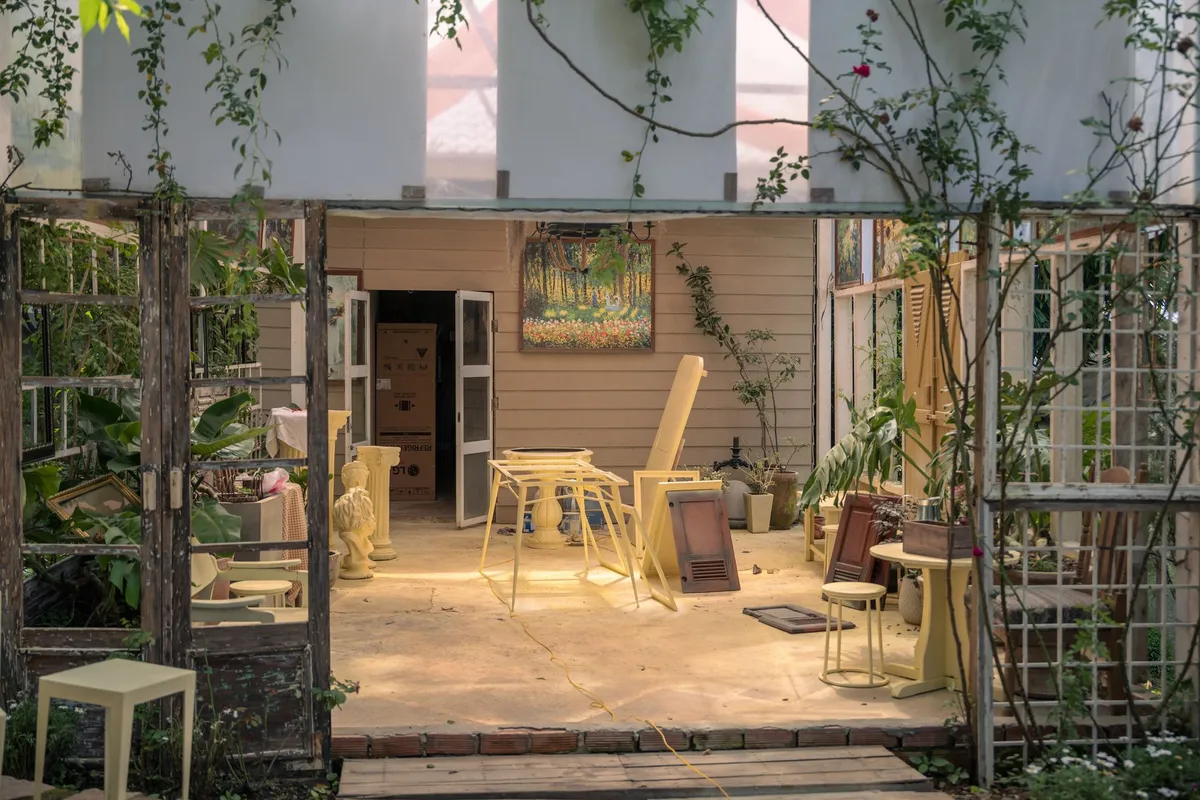
A shabby chic palette starts with a warm or cool white as the base—not stark bright white, but a white with a hint of pink, cream, or gray in it. From that base, pull in two or three pastel accents. The classic combination is white with dusty rose and sage; a cooler alternative is white with powder blue and soft lavender. The palette should feel like it faded gently over decades, not like it was chosen from a current paint deck.
For painted furniture, chalk paint and milk paint are the most authentic choices because they produce a matte, porous finish that absorbs subsequent wax or glaze correctly and chips at edges in ways that look genuinely old rather than deliberately damaged. Brands like Annie Sloan and Rust-Oleum Chalked both produce consistent results for furniture distressing projects.
Paint Techniques Worth Knowing
The most useful distressing technique for wood furniture is the dry-brush layering method: apply a base coat in white or cream, let it cure fully, then sand edges and raised details through to the base wood with 120-grit paper, then apply a thin glaze in raw umber or gray, wipe most of it away immediately, and let the remainder settle in recesses. The result mimics decades of wax buildup and surface oxidation without looking artificially aged. Finish with clear furniture wax rather than polyurethane, which produces a plastic sheen that kills the aesthetic entirely.
Furniture Selection and Arrangement
Forms That Belong in Shabby Chic Rooms
Shabby chic furniture is defined by curved silhouettes, carved wood details, and upholstery in natural fibers. Look for: slipcovered sofas and chairs in linen or cotton muslin (slipcovers are a signature because they can be washed and are inherently casual), painted armoires and dressers in cream or white, iron or brass beds with scrolled or spindle headboards, distressed farmhouse tables, and upholstered benches with cane or carved wood legs.
Avoid furniture with sharp contemporary lines, dark stained wood that hasn't been painted, leather upholstery (it fights the soft feminine quality of the style), and chrome or brushed nickel hardware. Oil-rubbed bronze, aged brass, and white porcelain are the hardware finishes that integrate correctly.
The Art of Arrangement
Shabby chic rooms are layered rather than sparse. The composition should feel like a room that accumulated thoughtfully over time rather than one that was designed in an afternoon. In practice this means: bookshelves with a mix of books, small framed prints, and decorative objects; side tables that hold a lamp, a small vase of flowers, and a few books; dressers with trays of perfume bottles, a small mirror, and a dish of jewelry. The goal is a sense of curated abundance, not clutter.
Textiles: Florals, Linen, and Layering
The Floral Print Hierarchy
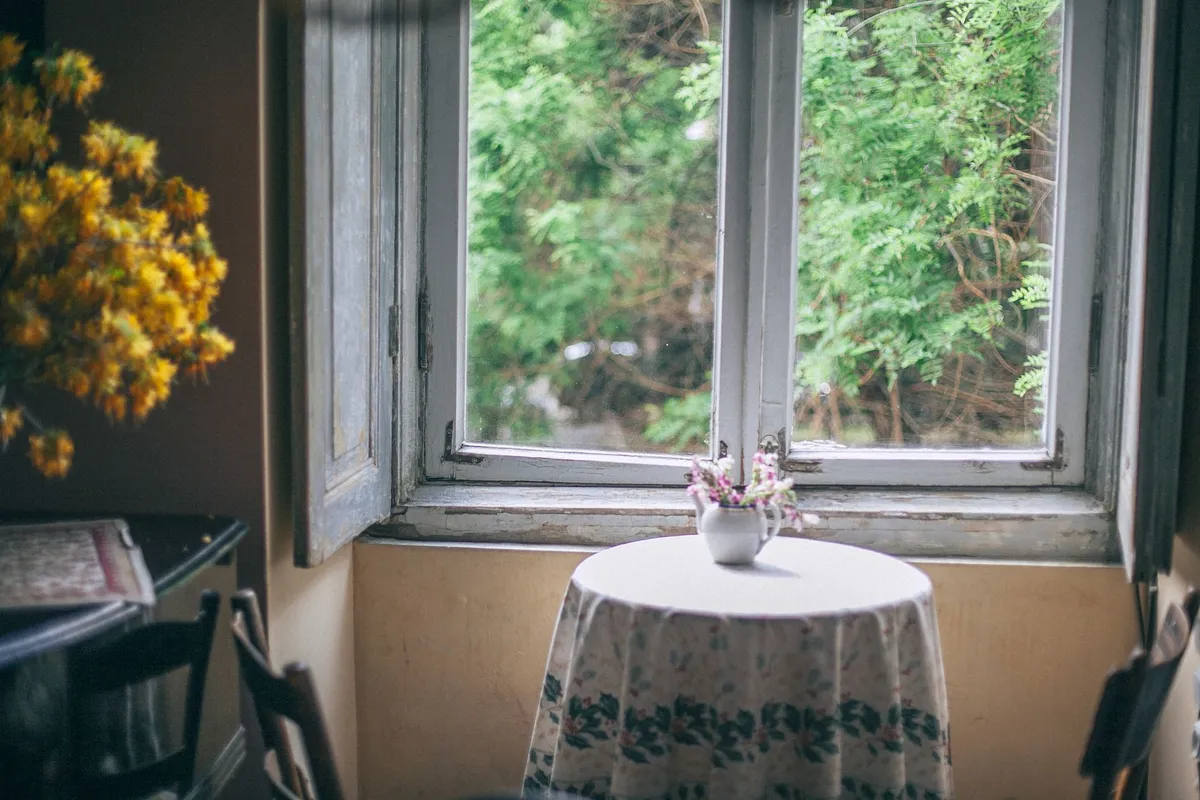
Florals are the signature textile of shabby chic, and getting their scale and relationship right is what separates rooms that feel designed from rooms that feel busy. The rule: use one dominant floral—typically larger-scale in a faded or watercolor rendering—and one or two smaller-scale florals or botanical prints as supporting patterns. Mix with solids in linen or cotton muslin to give the eye places to rest. Combining three florals of similar scale produces visual chaos rather than the romantic layering the style depends on.
Look for florals with a soft, slightly faded quality—roses in dusty pink and cream, English garden florals with a botanical illustration quality, vintage-style chintz that reads old rather than bright. Contemporary florals in saturated color fight the softness of the palette.
Bedding and Drapery
The shabby chic bedroom is the style's strongest setting. Layer the bed: a fitted sheet in plain white or pale stripe, a quilt or coverlet in a vintage floral, a linen duvet in cream, and two or three pillow shams in mixed patterns that share the same palette. Drape a soft cotton or linen blanket over the foot. Window treatments should be light: linen sheers, simple tab-top panels in muslin or voile, or cafe curtains in a small floral print. Heavy draping blocks the natural light that makes pale pastel rooms sing.
Room-by-Room Application
Living Room
The shabby chic living room centers on a slipcovered sofa in white or cream linen—washable covers are practical and aesthetic in equal measure. Layer with throw pillows in mixed florals and solid linen, a large garden-style area rug in faded soft colors, and a painted coffee table with distressed edges. Group framed botanical prints or vintage roses artwork above a painted fireplace mantel. Keep the color palette disciplined: the room should feel as though all the pinks and creams belong to the same extended family.
Kitchen
A shabby chic kitchen translates through painted cabinetry in soft white or pale sage with glass-front uppers, open shelving with stacked white dishes and glass jars, a farmhouse sink, and small-scale floral or toile curtains at the window. Countertops in white marble, butcher block, or painted concrete suit the style better than polished granite in dark colors. Vintage-style apothecary jars, a ceramic crock of wooden spoons, and a small vase of fresh or dried flowers on the counter are the finishing details that make the kitchen feel inhabited.
Sourcing Shabby Chic Pieces
Estate sales, thrift stores, and online vintage markets like Chairish, Facebook Marketplace, and local flea markets are the best sources for genuine painted furniture with authentic wear. The advantage of secondhand pieces over reproduction furniture is that the distressing has happened naturally and reads as real. Reproduction pieces from Pottery Barn, Anthropologie, and similar retailers can supplement a room, but they work best alongside authentic vintage items rather than as the entire furniture plan.
For textiles, Liberty London, Cath Kidston, and Waverly produce florals that have the right quality for this style. Vintage linens, embroidered pillowcases, and antique quilts sourced at estate sales are authentic and often inexpensive relative to their quality.
Visualizing Shabby Chic in Your Space
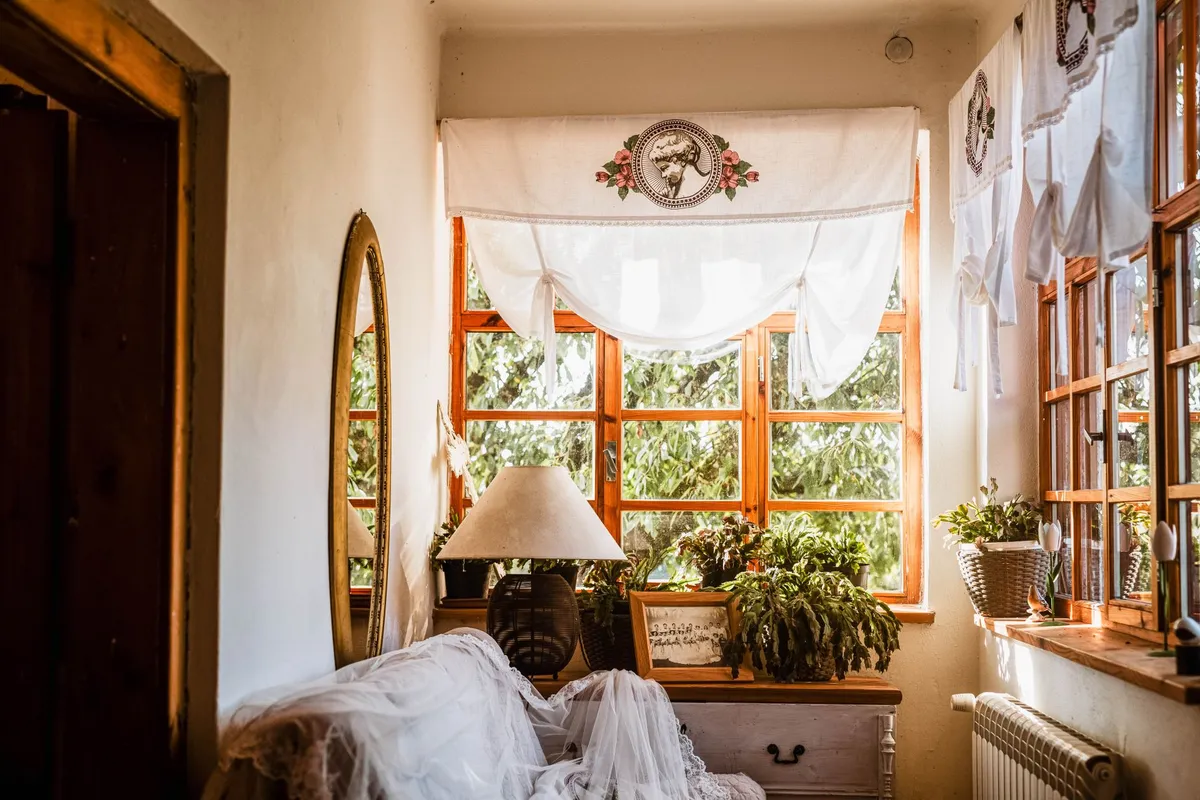
The challenge of applying shabby chic to an existing space is that the style depends so heavily on how soft colors interact with your specific light conditions and architectural details. A dusty rose that looks romantic in a south-facing room with warm afternoon light can read as washed-out in a north-facing room with cool natural light. Upload a photo of your room to the free AI room render to see how different shabby chic interpretations would actually read in your light before committing to paint colors or furniture purchases. The design dashboard also lets you compare the style against related aesthetics like French Country or Scandinavian to see which direction fits your space best.
Shabby Chic Interior Design FAQ
Is shabby chic still current in 2026? The style has evolved rather than disappeared. The maximalist, roses-everywhere version popular in the 2000s has given way to a more restrained interpretation that draws from French and Scandinavian sources—fewer tchotchkes, cleaner furniture forms, still soft and floral but more edited. It works particularly well in older homes with original trim and molding that gives the soft palette something to work against architecturally.
Can I mix shabby chic with modern elements? Selectively, yes. The combination that works best is a neutral modern architectural shell—painted drywall, simple moldings, clean-lined built-ins—with shabby chic furniture and textiles layered in. What doesn't work is mixing the furniture forms: a sharp-lined contemporary sofa alongside cabriole-legged armchairs reads as unresolved rather than eclectic. Keep the furniture language consistent and let the textiles and accessories carry the softness.
How do I DIY distressed furniture for a shabby chic room? The most reliable method: sand the piece lightly with 220-grit paper to de-gloss it, apply chalk paint in your chosen color (two coats, letting each dry fully), then sand through the paint at natural wear points—corners, edges, around hardware—with 120-grit paper to expose the wood or primer beneath. Finish with clear furniture wax worked in with a brush and buffed to a soft sheen. The total material cost for a dresser or side table runs $25–$60.
What's the difference between shabby chic and French country style? French country is more rustic and architecture-forward, drawing from Provençal farmhouse traditions with terra cotta, aged stone, heavy linen, and toile prints. Shabby chic is softer, more floral, more painted-furniture-dependent, and more explicitly romantic in its references. They share soft palettes and a love of natural materials, and many rooms blend elements of both successfully.