
Maximalist Interior Design: More is More — Done Right
Maximalist interior design with bold patterns, layered collections, and unapologetic color. See how to embrace abundance without chaos.
RoomRenovation.AI Team
Updated March 24, 2026
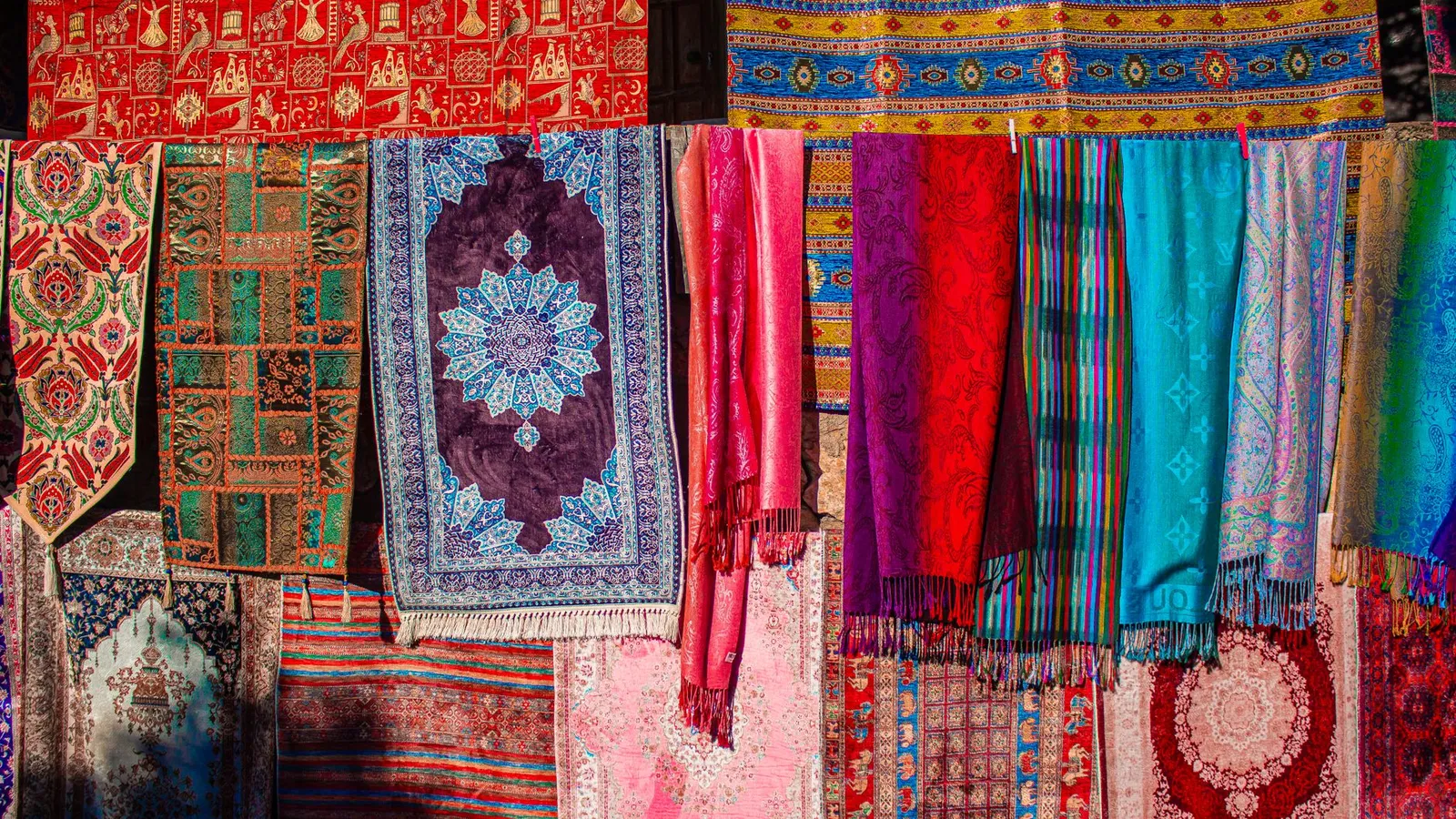
Maximalist interior design is a deliberate aesthetic philosophy, not a failure of editing — and the distinction matters enormously when you're trying to achieve it well. Where minimalism asks you to subtract until only what's essential remains, maximalism asks what happens when you add everything that matters, curate it thoughtfully, and let the result tell a complex story about who lives there. The challenge is not acquiring more, but orchestrating abundance so it reads as rich and intentional rather than overwhelming or chaotic.
What Maximalism Is (and Isn't)
Maximalism is sometimes conflated with clutter, with hoarding, with "too much stuff." The confusion is understandable but incorrect. True maximalist design has an internal logic:
- Curated abundance: Everything in a maximalist room is there by choice. The difference between a maximalist room and a chaotic room is that every object in the former has been deliberately selected and positioned.
- Pattern and color coherence: Maximalist rooms use many patterns and many colors, but within a controlled palette. The patterns may vary in scale and type, but they share a color family that unifies them.
- Storytelling through objects: Collections, travel souvenirs, art, books, and inherited objects are the material of maximalist rooms. The room reveals something true about the inhabitant.
- Layering rather than stacking: Textiles, art, furniture, and lighting are layered — each element relates to what's around it, creating depth rather than pile-up.
What maximalism is not: randomly acquiring things because you like them individually without considering how they work together. The failure mode of maximalism is a room with no visual anchor where the eye has nowhere to rest.
The Maximalist Color Approach
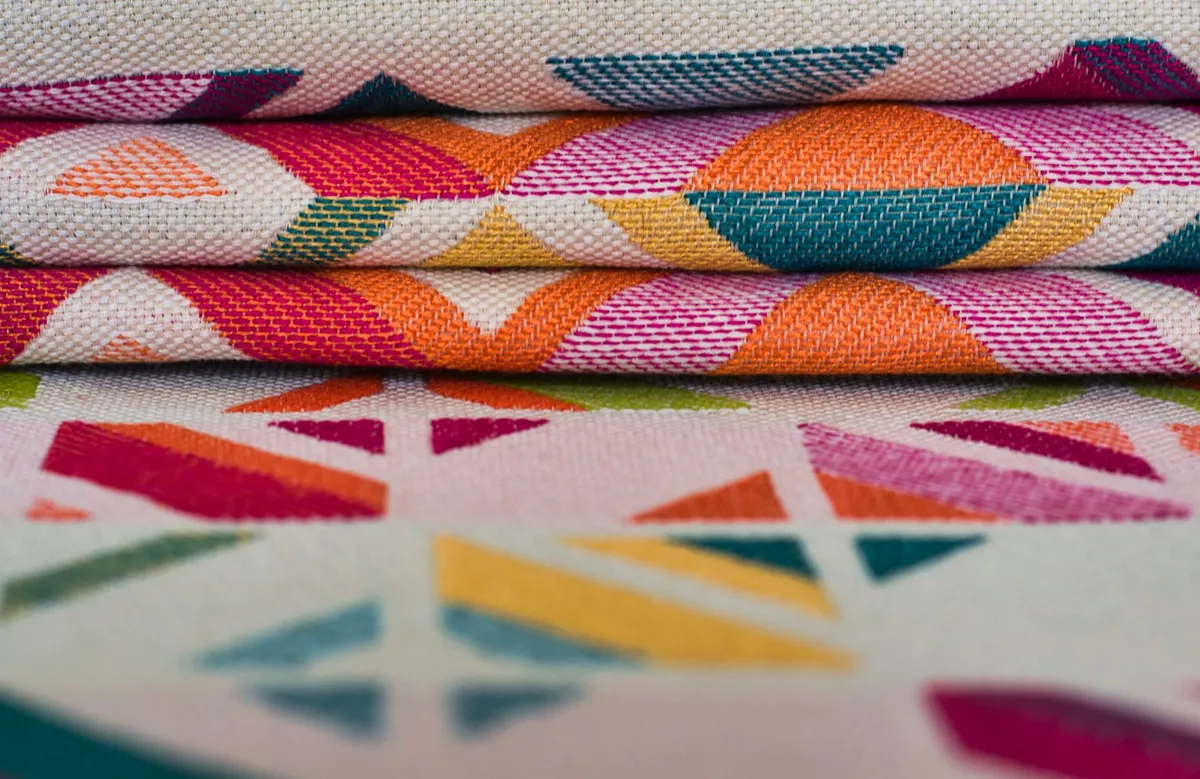
Color is where maximalism is most distinct from other design philosophies. A maximalist color scheme embraces multiple strong hues, but it has a structural logic:
Anchor Color
Every successful maximalist room has one or two dominant colors that anchor the palette. Deep emerald green, cobalt blue, oxblood red, and aubergine are classic maximalist anchors — rich enough to hold ground against everything else in the room. The anchor color usually appears in the largest surfaces: walls, major upholstery, or primary rugs.
Supporting and Accent Colors
Three to five additional colors build the palette. The relationship between them matters — they should share a similar temperature (all warm or a controlled warm-cool mix), similar saturation level (all vivid, or all muted jewel tones), or a deliberate complementary contrast. A maximalist room in which all the colors happen to be right next to each other on the color wheel tends toward monotony; one with colors at opposite ends of the spectrum (warm amber sofa, cool teal wall) has energy and tension.
The Grounding Neutral
Even the most lavish maximalist room typically has at least one significant neutral surface — a natural wood floor, cream molding, plaster ceiling — that the eye can rest on momentarily. Without it, the room becomes visually exhausting rather than stimulating.
Pattern Mixing: The Core Skill of Maximalism
Pattern mixing is what most people find most intimidating about maximalism, and most confusing when it fails. The key principles:
Vary Pattern Scale
The most reliable pattern mixing rule: combine patterns of different scales. A large-scale floral wallpaper works with a medium-scale geometric rug because the eye can distinguish between them. Two similar-scale patterns compete and create visual noise rather than visual interest.
Stay Within a Palette
Patterns can vary dramatically in type (florals, geometrics, stripes, abstracts) as long as they share colors from the room's established palette. A teal-and-ochre floral cushion, an ochre-and-cream geometric rug, and a teal-and-indigo striped throw all work together because they draw from the same color family.
Use Solid Color as a Visual Pause
In a heavily patterned room, solid-color upholstery or walls give the eye a moment to rest. A deep solid-color velvet sofa becomes the visual anchor in a room with patterned wallpaper, patterned rug, and patterned cushions — without it, the room tips from rich into chaotic.

Maximalist Wallpaper: The Biggest Impact Statement
Wallpaper is the single most efficient way to establish a maximalist aesthetic in a room. It sets the scale, palette, and mood simultaneously:
- Large-scale botanical or floral prints — Grandmillennial and botanical maximalism's defining choice. William Morris-style designs, tropical leaf prints, overscale flower patterns.
- Geometric and tile-inspired patterns — High-contrast repeating geometrics that cover a wall with visual energy without requiring any additional decor.
- Animal and nature scenes — Chinoiserie panels, bird-of-paradise prints, and other illustrative wallpapers that function as art across an entire surface.
- Maximalist textured finishes: Grasscloth, lacquered paper, fabric-backed wallcoverings — texture that adds depth even in a single color.
Don't overlook ceilings. A patterned ceiling — "the fifth wall" — is one of the most underused maximalist opportunities in Western interiors.
Collections and Displays
Maximalist rooms are often defined by collections — art, ceramics, books, objects from travel, inherited pieces, handmade work. The challenge is transforming a collection into a composition:
The Gallery Wall
A gallery wall is maximalism's most recognizable display format. Key principles for one that works:
- Unify frames in one or two finishes (all black, all gold, or a deliberate mix of the two) rather than using completely random frame styles
- Lay the arrangement out on the floor before hanging — adjusting position is infinitely easier horizontally than on the wall
- Mix photograph, illustration, oil painting, textile, and three-dimensional object — variety of medium prevents the wall from feeling like a photography exhibition
- Include at least one large anchor piece that grounds the composition
Shelf Displays
Books, ceramics, sculptural objects, and plants on open shelving are the backbone of maximalist room composition. Organize shelves by color family first, then vary height and depth within each section. Break up uniform objects (rows of books) with singular objects (a ceramic, a small sculpture) to create visual rhythm.
Furniture in Maximalist Rooms
Maximalist furniture has scale and visual presence:
- Statement upholstered sofas and chairs: Velvet in jewel tones, patterned fabrics, and unusual forms — curved silhouettes, tufting, fringe — over anonymous contemporary upholstery
- Mixed material dining furniture: A carved wood dining table with upholstered chairs in varied complementary fabrics is a classic maximalist dining room formula
- Lacquered and painted case goods: Painted furniture — an emerald green sideboard, a cobalt blue dresser — adds color depth while serving storage function
- Layered rugs: Overlapping two rugs — a natural-fiber base layer under a patterned area rug — is the maximalist floor treatment par excellence

Maximalist Lighting
Lighting in maximalist rooms is itself a decorative statement:
- A chandelier in an unexpected material or color — a beaded chandelier, a ceramic floral pendant, an oversized rattan globe
- A cluster of multiple pendant lights at varying heights over a dining table
- Table lamps with decorated bases — hand-painted porcelain, carved wood, sculptural ceramic — and patterned or colored shades
- Floor lamps with an architectural or sculptural quality, not just a functional pole with a shade
Maximalist rooms use lighting to add another layer of texture and pattern, not just to illuminate. A lamp base with an interesting form adds to the room's visual story even when switched off.
Visualizing Maximalism in Your Room
Because maximalism requires careful coordination of many elements, testing your ideas before committing is especially valuable. RoomRenovation.ai's AI render tool lets you upload a photo of your room and see a maximalist redesign with bold pattern, layered color, and abundant furnishing — so you know whether the direction works in your specific space before spending anything. Rendering starts at just a few dollars, making it an easy first step before a bold project. You can also explore examples from the gallery to see the full range of maximalist styles the platform can generate.
FAQ
How do I stop maximalism from looking chaotic? The key is establishing a disciplined color palette first, then only introducing objects and patterns that draw from it. If every new item you add must contain at least one color from your established palette, the room develops coherence even at high visual density. Color consistency is the primary organizing principle of successful maximalism.
Is maximalism expensive to achieve? It can be, but it doesn't have to be. Maximalism actually rewards thrift shopping, antiques markets, and inherited objects — it's one of the few styles that integrates genuine vintage finds, imperfect objects, and things with personal history more effectively than anything purchased new. The cost is in curation and patience, not in purchasing expensive individual items.
Can you do maximalist design in a rental apartment? Yes — focus on areas that don't require wall modification. Layered rugs, gallery walls on picture rails or adhesive strips, abundant textiles, open shelf displays, and decorative furniture all create maximalist effect without touching the walls. When you leave, everything comes with you.
How is Grandmillennial style related to maximalism? Grandmillennial is a maximalist subcategory defined specifically by the nostalgic integration of traditional and antique elements — chintz, embroidered linens, ruffled lampshades, floral wallpaper, collected porcelain — into otherwise contemporary lives. It's maximalism filtered through a specifically vintage, grandmother's-house aesthetic.
What's the first step to transitioning from minimalism to maximalism? Add pattern before you add volume. A patterned wallpaper or a boldly patterned rug in an otherwise minimal room establishes the maximalist direction while keeping the space manageable. Once the pattern anchor is in place, you can build up layers of color, texture, and objects from a stable foundation.