
Loft Conversion Ideas: Adding Value and Space to Your Home
Loft conversion ideas for extra bedrooms, home offices, or entertainment spaces. AI visualization shows you the potential before you commit to construction.
RoomRenovation.AI Team
Updated March 23, 2026
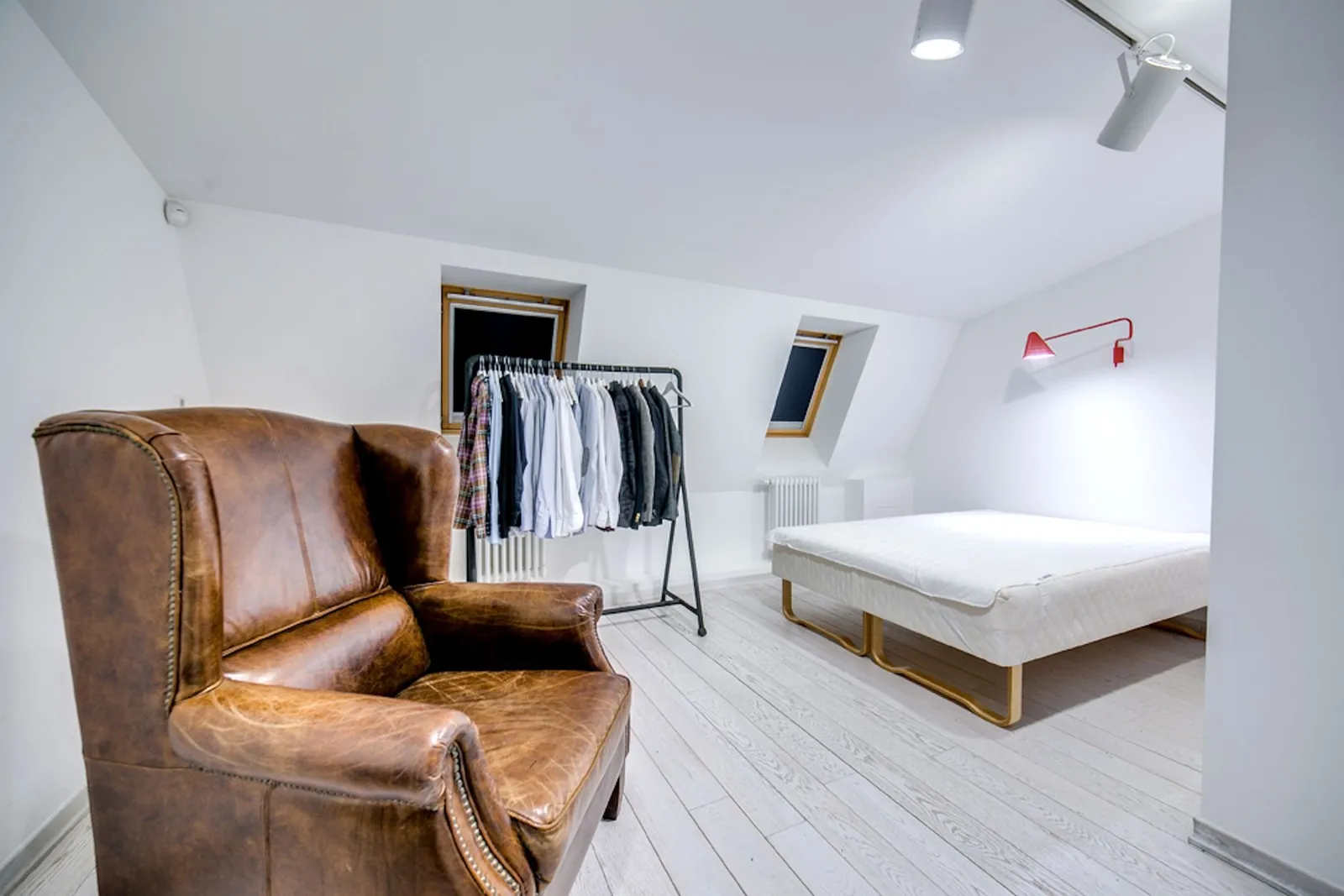
A loft conversion is one of the most financially efficient ways to add livable square footage to a house. Unlike a ground-floor extension, which requires foundation work and often loses garden space, converting an existing attic or unused upper volume makes use of structural space that is already heated, already enclosed, and already sitting above your head. Done well, a loft conversion adds a bedroom, home office, or studio that feels genuinely different from the rest of the house — quieter, more private, and often with the best natural light in the building.
Types of Loft Conversions and What They Cost
Not all attic spaces are the same, and the conversion type you can achieve depends on your roof structure, head height, and local planning regulations.
Velux Conversion (Rooflight Conversion)
The simplest and cheapest option. Dormers or rooflight windows are inserted into the existing roof slope without changing the roofline. Requires a minimum head height of approximately 7.5 feet at the ridge. Cost range: $20,000–$40,000. Suitable for bedrooms, home offices, and hobby rooms. Planning permission is often not required in jurisdictions that allow permitted development for rooflight additions.
Dormer Conversion
A dormer extends the existing roof to create vertical wall space and additional floor area. A rear dormer (extending the back roof slope outward) dramatically increases usable square footage and head height. Cost range: $40,000–$75,000. This is the most popular conversion type for Victorian and Edwardian terrace homes. Usually requires planning permission but is commonly approved for rear extensions.
Hip-to-Gable Conversion
On hipped roofs (where all four sides slope), converting the sloping side of the hip to a vertical gable wall creates a large rectangular floor area. Typically combined with a rear dormer. Cost range: $55,000–$95,000. Common on semi-detached houses. Always requires planning permission.
Mansard Conversion
The most extensive alteration, changing the roof structure to create a near-flat roof with steeply sloped sides. Maximizes interior volume but requires significant structural work and always needs planning approval. Cost range: $80,000–$150,000. Common in dense urban areas where the additional space justifies the cost.
What Makes a Loft Conversion Work as Living Space
Converting the structural space is the engineering challenge. Making it genuinely pleasant to live in is the design challenge. Several elements determine whether a converted loft feels like a premium room or an afterthought:
Head Height and Proportion
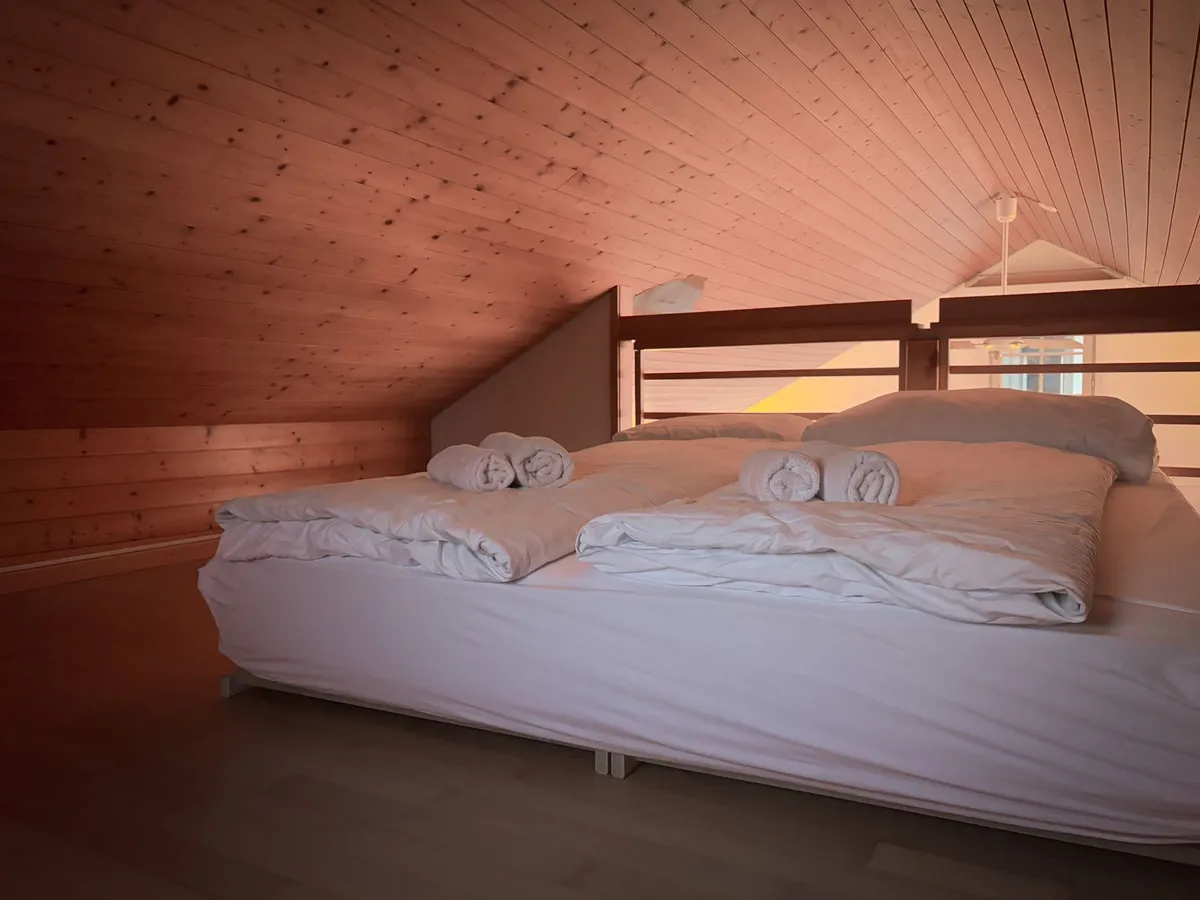
Building codes typically require 7.5 feet of head height over at least half the usable floor area. But livability and the feeling of quality require more than code minimum. Where you place furniture matters: beds can go under low points where you only need sitting-up height; seating areas, desks, and wardrobes need full standing height. Designing the furniture layout in dialogue with the roof slope, not against it, is what separates a well-designed loft from one that feels cramped.
Natural Light
Roof windows provide dramatically more light than vertical windows of the same area — typically three times more, because they face the sky rather than adjacent buildings or ground surfaces. Velux and Fakro are the quality standards for roof windows; avoid budget alternatives that seal poorly and fog quickly. For bedrooms, blackout blinds are essential: roof windows admit light aggressively at sunrise.
Staircase Design
The stair from the floor below is the conversion's biggest space consumer. A spiral staircase uses the minimum floor area but is impractical for furniture moving and less comfortable for daily use. A straight-run stair with a space-saver profile (alternating-tread design) is a reasonable compromise for non-primary routes. If the loft will serve as a primary bedroom or regular living space, a standard straight or quarter-turn stair is worth the floor area sacrifice.
Best Uses for a Converted Loft
Primary Bedroom Suite
The most common and highest-value conversion use. The privacy of being one floor above the rest of the house, combined with the additional ceiling interest from the roof slope, makes lofts particularly suitable as primary suites. Add an en-suite bathroom (typically in a dormer or above the staircase head), a fitted wardrobe along the lowest eaves space, and roof windows for natural light. See the bedroom design guide for style directions.
Home Office
The separation from household activity and the typically excellent natural light make lofts ideal home office spaces. The acoustic dampening from being top-of-house reduces noise intrusion. A well-designed loft office with a dedicated stair and proper ventilation can function almost as a garden office — separate enough to focus, without leaving the building.
Children's Bedroom or Teen Suite
Children love loft spaces. The elevated position, the interesting roof geometry, and the private feeling make them intrinsically appealing to young occupants. The sloped ceilings that challenge adult furniture work perfectly for lower children's beds and built-in storage under the eaves. As children age into teenagers, the loft's natural separation from parent-floor activity is an asset.
Entertainment or Media Room
A loft's separation makes it a good candidate for a home cinema or gaming room — the sound stays contained and the space can be heavily treated for acoustics. The roof slope lends itself naturally to tiered seating or a sunken floor area for the front viewing zone.
Planning and Visualizing Your Conversion
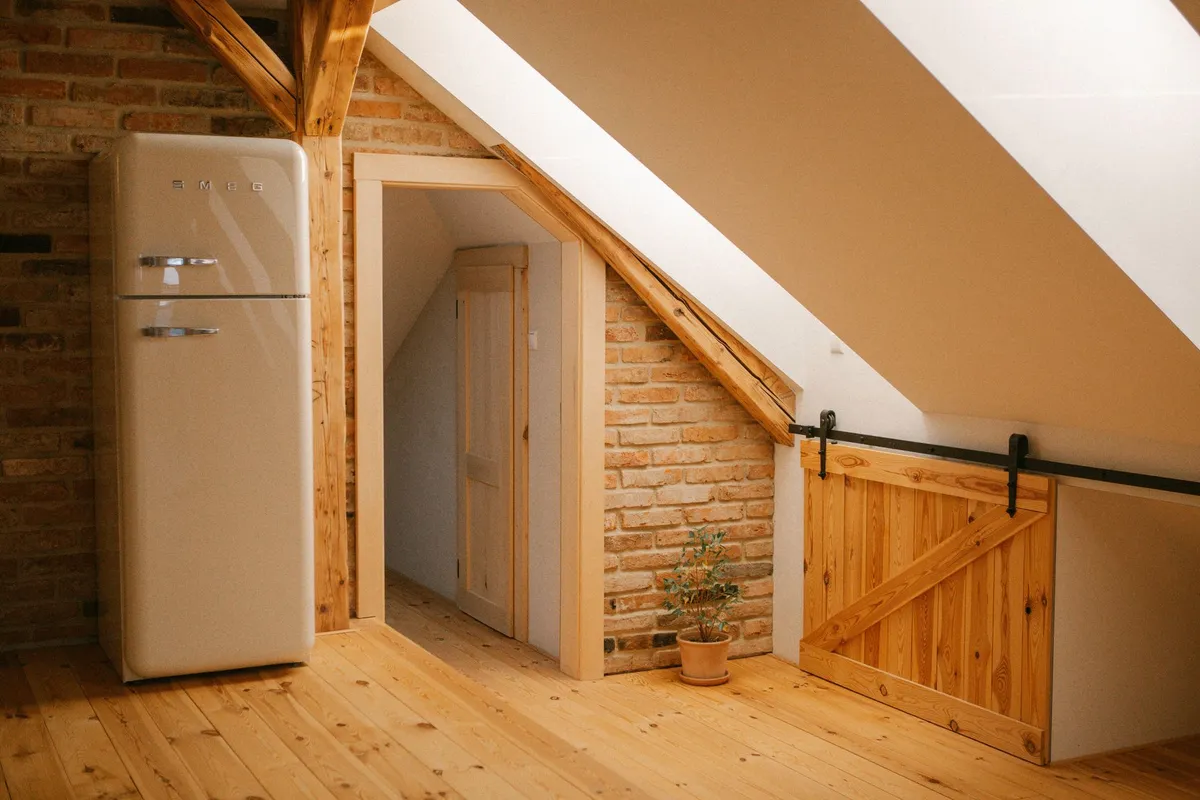
One of the most useful things you can do early in a loft conversion project is see the finished space before construction begins. AI room visualization lets you upload a photo of your current loft space (even if it is rough and unfinished) and see rendered versions of the completed room in different styles — Scandinavian, modern minimalist, or whichever direction suits your home's character.
Use the free room render to test your initial concept, then the full design dashboard to compare multiple layouts and style directions before finalizing your brief with an architect or loft conversion specialist. This is particularly valuable when discussing the conversion with a contractor because you can show specific visual references rather than describing abstract preferences.
Common Loft Conversion Mistakes to Avoid
- Undersizing the roof windows. The minimum specified by many architects is also the minimum for adequate light. Go larger; the incremental cost is modest and the quality-of-life improvement is significant.
- Ignoring thermal performance. A roof is the building's most exposed surface. Insulation to at least current code minimum (typically R-38 or better in most US climates) is essential; under-insulated lofts are cold in winter and unbearable in summer.
- Insufficient electrical planning. Run conduit for extra circuits during construction; adding circuits later requires opening finished ceilings. Loft spaces used as home offices particularly need generous data and power provision.
- Compromising on stair width. A stair too narrow to move furniture up is a permanent practical problem. Minimum 36-inch clear width; 42 inches is significantly better.
Return on Investment
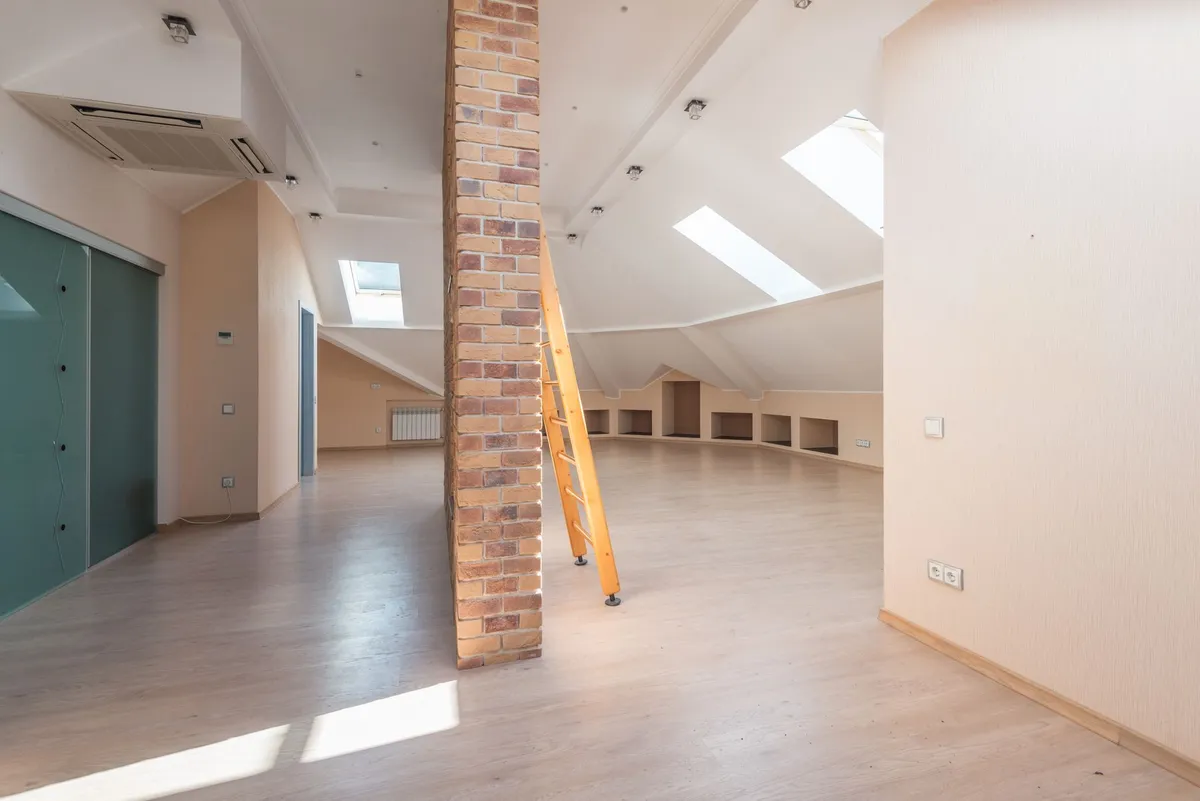
A well-executed loft conversion typically adds value equivalent to 15–20% of the pre-conversion house value, depending on market and conversion quality. In dense urban areas where additional bedrooms command significant premiums, the return can exceed the construction cost. Even in softer markets, the added square footage improves the home's competitive position against comparable properties that lack the additional room.
Use our renovation cost guides to benchmark loft conversion costs against other renovation options, and explore before-and-after examples of room transformations to calibrate what the finished space could look like.
FAQ
Do I need planning permission for a loft conversion? In the US, most loft conversions require a building permit for structural work, electrical, and plumbing. Whether additional zoning approval is needed depends on whether you are changing the exterior roofline. Velux-only conversions typically need only a building permit. Dormer and mansard conversions usually require a variance or special use permit in many municipalities.
How long does a loft conversion take? A straightforward velux conversion takes 4–6 weeks. A full dormer conversion runs 8–12 weeks. Mansard conversions can take 4–6 months. Add 4–8 weeks for planning approvals if required.
What is the minimum attic height for a loft conversion? Most building codes require 7.5 feet at the ridge to achieve the minimum code-compliant head height after floor and ceiling structure are added. Measure from the attic floor joists (top of ceiling below) to the ridge board. Heights below 7 feet typically make a habitable conversion impractical without changing the roof structure.
Can I visualize my loft conversion before building? Yes. Upload a photo of your current attic or an empty room with similar proportions to the free render tool. The AI will show you how the finished space could look in your chosen style, which is invaluable for briefing contractors and making design decisions before construction starts.