
Attic Renovation: Convert Dead Space into Dream Rooms
Turn your attic into a bedroom, office, or creative studio with proper insulation, lighting, and design strategies.
RoomRenovation.AI Team
Updated March 24, 2026
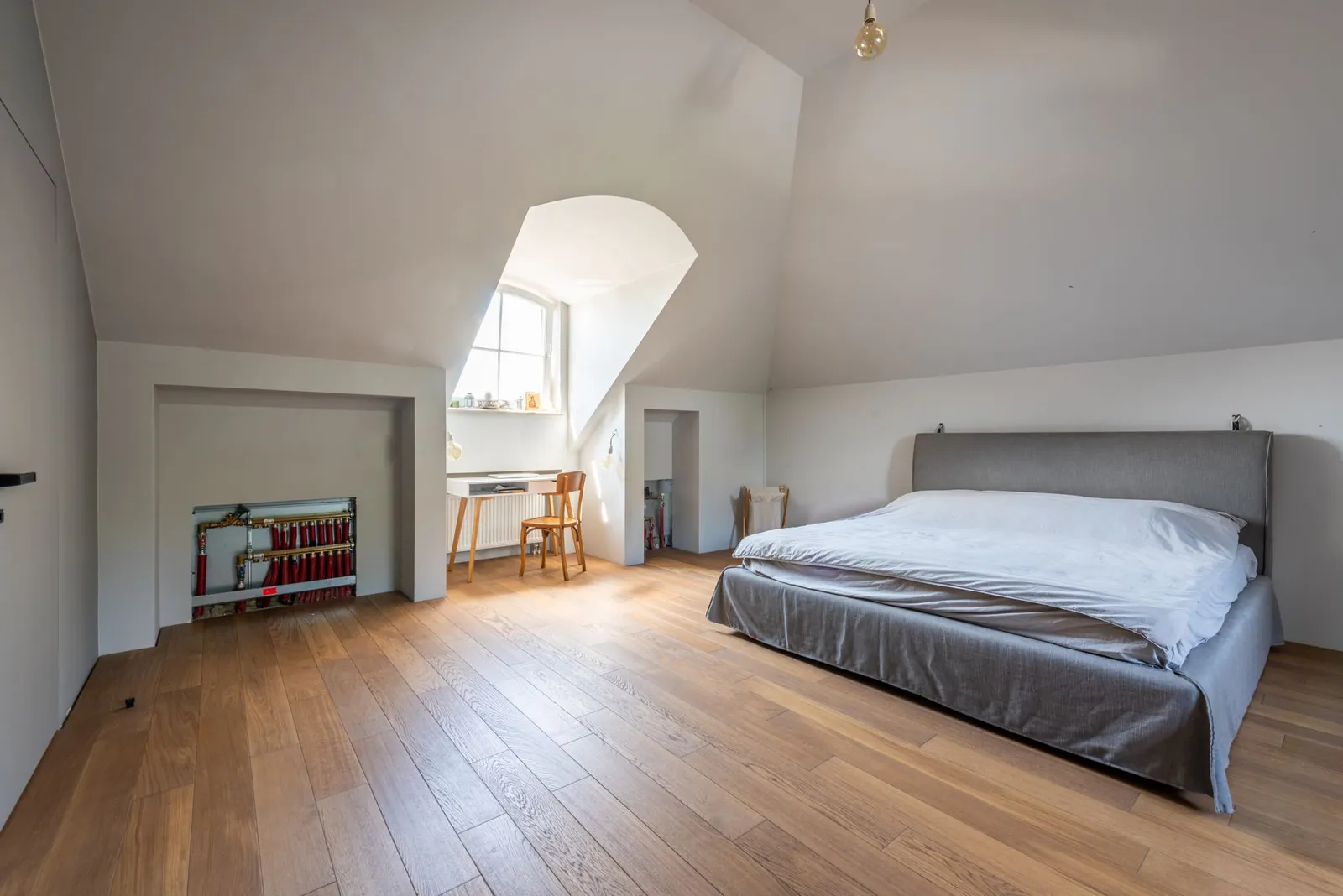
An unfinished attic represents some of the most valuable underutilized space in any home — a structural shell already enclosed, protected from weather, and positioned at the top of the house where natural light and quiet are often best. Converting that dead storage zone into a functional bedroom, office, creative studio, or lounge requires navigating specific challenges that don't apply to ground-floor renovations: limited headroom, irregular geometry, insulation requirements, and access constraints. This guide walks through the complete attic renovation process, from structural assessment through finish decisions, with realistic cost figures for 2026.
Is Your Attic a Good Conversion Candidate?
Before budgeting anything, a structural assessment determines whether conversion is practical:
Headroom: The Critical Minimum
Most residential building codes in the US require a minimum ceiling height of 7 feet over at least 50% of the floor area for a room to count as habitable space. The "usable" portion of an attic — where you can stand comfortably — depends on roof pitch:
- A 3:12 pitch (3 inches rise per foot of run) creates very little usable headroom — conversion is difficult and often impractical
- A 5:12 to 6:12 pitch creates a reasonable amount of usable floor area but requires careful furniture placement planning
- A 7:12 pitch or steeper gives generous headroom at center and practical knee-wall alcoves at the sides
Floor Joist Capacity
Attic floors designed for storage only may be built with 2×6 joists spaced 24 inches apart — adequate for boxes and holiday decorations, inadequate for people, furniture, and live loads. A structural engineer or experienced contractor must assess whether the existing joists can bear habitable floor loads (typically 40 lbs/sq ft) or need sistering (doubling) or replacement. This is a non-negotiable step that cannot be skipped based on budget considerations.
Roof Structure: Rafters vs. Trusses
A traditional rafter-framed attic with an open interior is a strong conversion candidate. A truss-framed attic — the "W" or "M" shaped engineered trusses common in tract construction after the 1970s — is substantially more difficult and expensive to convert because modifying trusses requires professional engineering. Some truss configurations make attic conversion impractical without roof reconstruction.
Insulation: The Biggest Attic-Specific Challenge
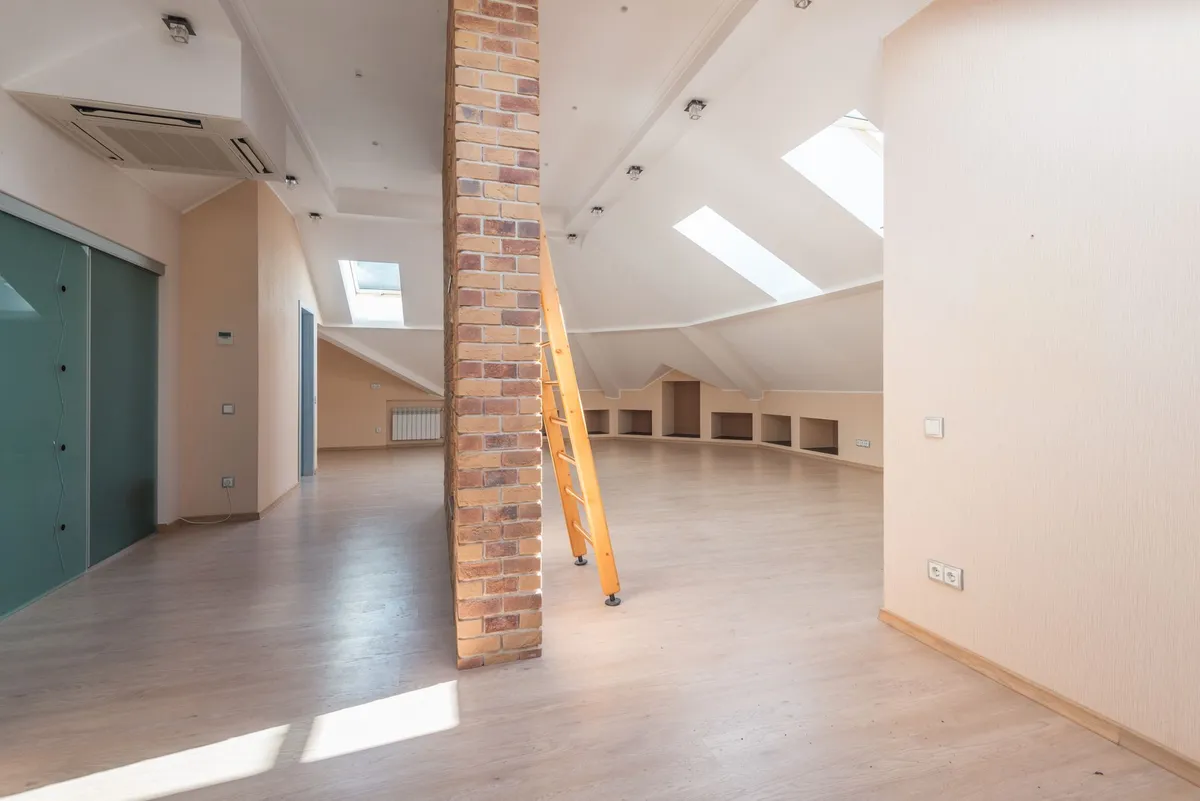
Attics experience temperature extremes that no other room in the house faces. Without proper insulation and ventilation, a converted attic will be unbearably hot in summer and cold in winter — and mechanically conditioning it will drive up energy bills dramatically.
Insulation Approaches
- Spray foam between rafters: The highest-performance approach for a vaulted or cathedral ceiling conversion. Closed-cell spray foam provides the best thermal resistance and acts as a vapor barrier, but at significantly higher cost than batt insulation. In many climate zones, spray foam is the only option that achieves code-compliant R-values within the rafter depth.
- Rigid foam plus batt: Installing rigid foam board to the underside of the roof deck and filling remaining rafter cavities with batt insulation achieves competitive R-values at lower cost than full spray foam. Requires careful air-sealing at transitions.
- Continuous soffit-to-ridge ventilation: If any rafter cavity remains uninsulated (as in a "cold roof" design), it must be ventilated from eave to ridge to prevent moisture accumulation, ice dams, and sheathing rot. This ventilation space must be preserved, typically 1–1.5 inches of clear airspace, which reduces the effective depth available for insulation.
R-Value Targets
In Climate Zones 3–4 (most of the Southern and transition US), a minimum R-30 roof assembly is typical. In Zones 5–7 (the Upper Midwest, Northeast, and Mountain West), R-49 to R-60 is required or strongly recommended. These targets are harder to achieve in shallow rafter cavities — which is one reason spray foam is often the only practical solution in high-performance conversions.
Access: Stairs vs. Ship Ladder
The difference between an attic bedroom and a genuinely livable attic room often comes down to access. Pull-down stairs work for storage; they are not acceptable for a room you sleep in regularly.
Stair Options
- Straight stairs: The code-compliant standard — 36 inches minimum width, 7¾-inch maximum riser height, 10-inch minimum tread depth, handrails required. A straight run requires roughly 45–55 square feet of floor plan below, making it impractical in some homes.
- L-shaped or switchback stairs: Reduces the plan footprint required below at some additional construction cost. Often the practical solution when a straight run would consume too much lower-floor area.
- Alternating tread stairs: Permitted in some jurisdictions for secondary or single-occupant rooms (bonus rooms, not primary bedrooms). They have a smaller footprint but are not comfortable for most people and are not acceptable as egress for sleeping rooms under most US building codes.
Egress matters: a sleeping room (bedroom) requires a window with a minimum 5.7 square feet of clear opening area at a maximum sill height of 44 inches from the floor. Dormers often serve dual purpose as egress windows and headroom additions.
Natural Light: Dormers and Skylights
The most transformative single investment in an attic conversion is often more natural light. Options:
- Dormer addition: A dormer (a structural projection through the roof plane) adds both headroom and natural light — and is usually the only way to achieve meaningful floor-to-ceiling height at the perimeter of an attic. Shed dormers add the most usable space; gable dormers add light and aesthetic character with less floor area gain. Dormers are significant construction projects, adding $20,000–$70,000+ to a conversion depending on size and complexity.
- Skylights: A well-placed pair of skylights dramatically increases light levels in an attic with minimal structural impact. Venting skylights provide both light and passive ventilation — important in a space that can overheat. Cost: $1,500–$3,500 each installed for quality fixed or venting skylights.
- Gable end windows: If the attic has gable walls, adding or enlarging windows in them is the lowest-cost way to introduce significant natural light.
HVAC and Mechanical Considerations
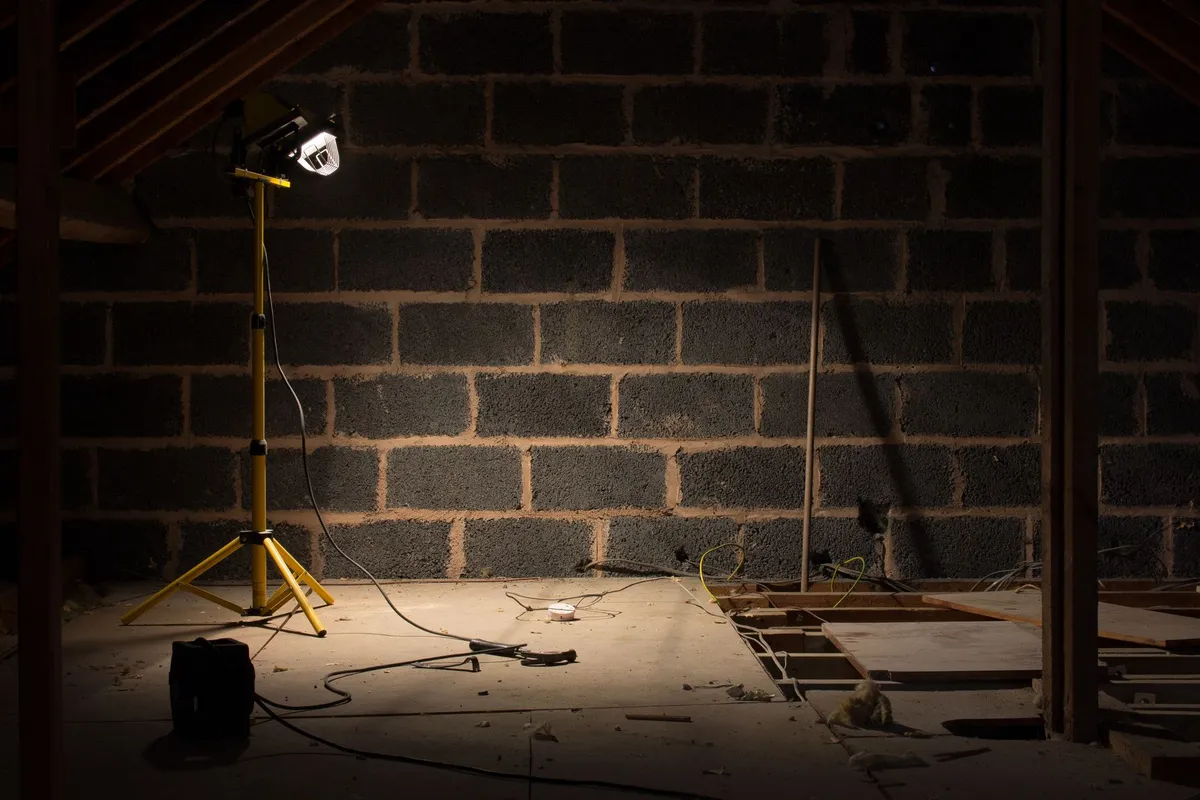
Extending the home's existing HVAC to the attic is rarely straightforward:
- Ductwork runs from existing air handlers may be long and require larger supply and return registers than average rooms
- An attic that receives significant solar gain may need its own zone or mini-split system to maintain comfortable temperatures without overworking the primary system
- A ductless mini-split (single-zone heat pump) is often the best solution for attic conversions — it conditions the space independently, requires no ductwork, and can run in both heating and cooling modes
- Electrical must be extended to the new space with dedicated circuits for HVAC, lighting, and receptacles per code
Budget $3,000–$8,000 for HVAC in a typical attic conversion. A ductless mini-split at the high end of that range is usually worth the investment for comfort and energy efficiency.
Attic Conversion Costs in 2026
Realistic budget ranges for a finished attic conversion:
- Basic attic finish (insulation, drywall, flooring, lighting): $25,000–$45,000 for 400–600 square feet, assuming existing adequate structure and no dormer
- Full conversion with bathroom addition: $50,000–$90,000 depending on bathroom scope and plumbing run distance
- Conversion with dormer addition: $65,000–$120,000+ — dormer construction is the largest variable cost
- Luxury conversion with multiple dormers, full bathroom, and premium finishes: $100,000–$200,000+
These figures assume typical contractor rates in US mid-tier metro areas. Coastal markets (New York, San Francisco, Seattle) run 30–50% higher. Rural areas may run 20–30% lower. Always get three independent contractor bids and verify that each includes the full scope before comparing numbers.
Design Ideas for Converted Attic Rooms
The sloped ceilings that create headroom challenges also create design opportunities if you work with them rather than against them:
- Built-in storage under knee walls: The triangular space where a sloped ceiling meets the floor is unusable as standing room but ideal for built-in drawers, closets, or shelving. Custom built-ins here make use of space that would otherwise be inaccessible.
- Low-profile furniture: Platform beds, low-slung sofas, and floor cushions work beautifully under sloped ceilings where a standard headboard or tall armchair would feel cramped.
- Dormer window seats: A dormer creates a natural window seat alcove — built-in bench with storage below is the most common and effective treatment.
- Exposed rafter design: Rather than framing around every rafter to create a flat-ish ceiling, leaving some structural elements exposed can create an architectural quality unique to attic spaces.
Before finalizing your design direction, run your attic room through an AI visualization. RoomRenovation.ai lets you upload a photo of the rough space and see it rendered in different styles — from Scandinavian minimal to industrial — to decide which approach works best for the specific proportions and light of your attic conversion.
FAQ
Do I need a permit to convert an attic? In almost all US jurisdictions, yes. Converting an attic to habitable space requires permits for structural changes, electrical, mechanical (HVAC), and often plumbing. Building without permits creates legal, insurance, and resale complications. Budget 2–3 months for the permit process in most municipalities.
How long does an attic conversion take? A straightforward conversion without dormer addition typically takes 8–16 weeks from permit approval to completion. Adding a dormer extends the timeline significantly, particularly if it requires a structural engineer's drawings and multiple inspections.
Will an attic conversion add value to my home? Generally yes — adding livable square footage is one of the most reliable ways to increase home value. Return on investment varies by market; in supply-constrained housing markets, finished attic bedrooms and offices are particularly sought after. Consult a local appraiser to estimate the value impact in your specific market.
What's the biggest mistake people make in attic conversions? Under-budgeting for insulation and HVAC. Cutting corners on thermal performance produces a room that's too hot in summer and too cold in winter regardless of how beautiful the finishes are. Insulation and mechanical conditioning should be treated as the foundational investments before any aesthetic decisions are made.
Can I use the attic as a home office if the structure isn't strong enough for a bedroom? Home offices have lower live load requirements than bedrooms in some jurisdictions. However, any habitable use of an attic space should be assessed by a structural engineer before proceeding. The risk of overloading inadequate joists is structural, not merely a code compliance question.