
Bedroom Renovation Guide: Create Your Dream Sanctuary
Complete bedroom renovation guide with design ideas, budget tips, and layout optimization. Transform your bedroom into a peaceful retreat.
RoomRenovation.AI Team
Updated March 24, 2026
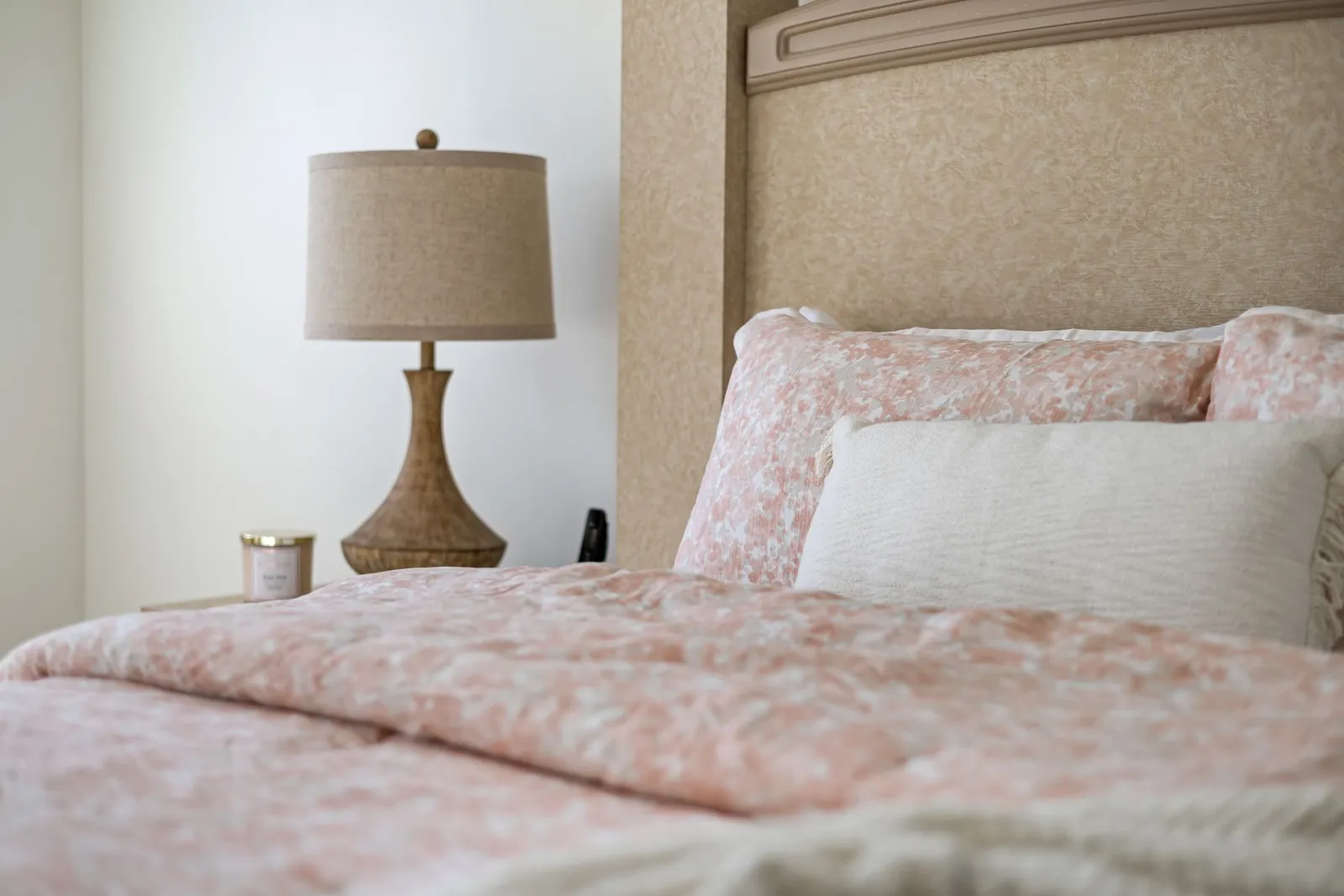
A bedroom renovation is one of the most personally meaningful home improvement projects you can undertake — this is the room you begin and end every day in, the space most directly responsible for your sleep quality and morning mindset. Done well, it becomes a genuine sanctuary: a place that reliably produces rest and calm. Done poorly, it's an expensive room you still don't like sleeping in.
Start with Function, Then Aesthetics
Most bedroom renovations fail because they start with the look rather than the function. Before selecting a paint color or a headboard style, answer these questions: What's wrong with the room right now that prevents it from feeling like a sanctuary? Is it too much light in the morning? A closet that doesn't work and creates clutter? A mattress on the wrong wall? Poor temperature regulation? Acoustics that let in street noise?
Each of these functional issues has a design solution, and addressing them first ensures that whatever aesthetic choices you make later land in a room that already works. A beautifully decorated bedroom with inadequate window treatment for light control is still a bedroom that wakes you up an hour early.
Layout Optimization: The Most Underrated Renovation Step
Most people inherit the furniture arrangement of their bedroom without questioning it. The bed is where it was when they moved in; the dresser is where the dresser has always been. Before any other renovation work, invest 30 minutes in considering whether the current arrangement is actually optimal.
The primary bed placement principle: position the headboard against a solid wall (not under a window, not on an exterior wall if the climate is cold, and not directly opposite the entry door in most room configurations). The bed should command a sightline to the door without being in direct line with it — this produces the "command position" that sleep researchers and interior designers agree produces a sense of safety and restfulness.
Secondary considerations: nightstand access on both sides (even in a single-occupancy room — the asymmetry of a one-sided nightstand creates visual imbalance), clear walking paths around all three non-wall-adjacent sides of the bed, and adequate space for closet doors to open fully without forcing awkward furniture placement.
Before physically moving furniture, use RoomRenovation.AI's free render tool to visualize different layout and style combinations in your actual room. The AI renders test style direction; for precise layout, photograph from multiple angles and compare.
The Surface Renovation: Walls, Floors, and Ceiling
Walls
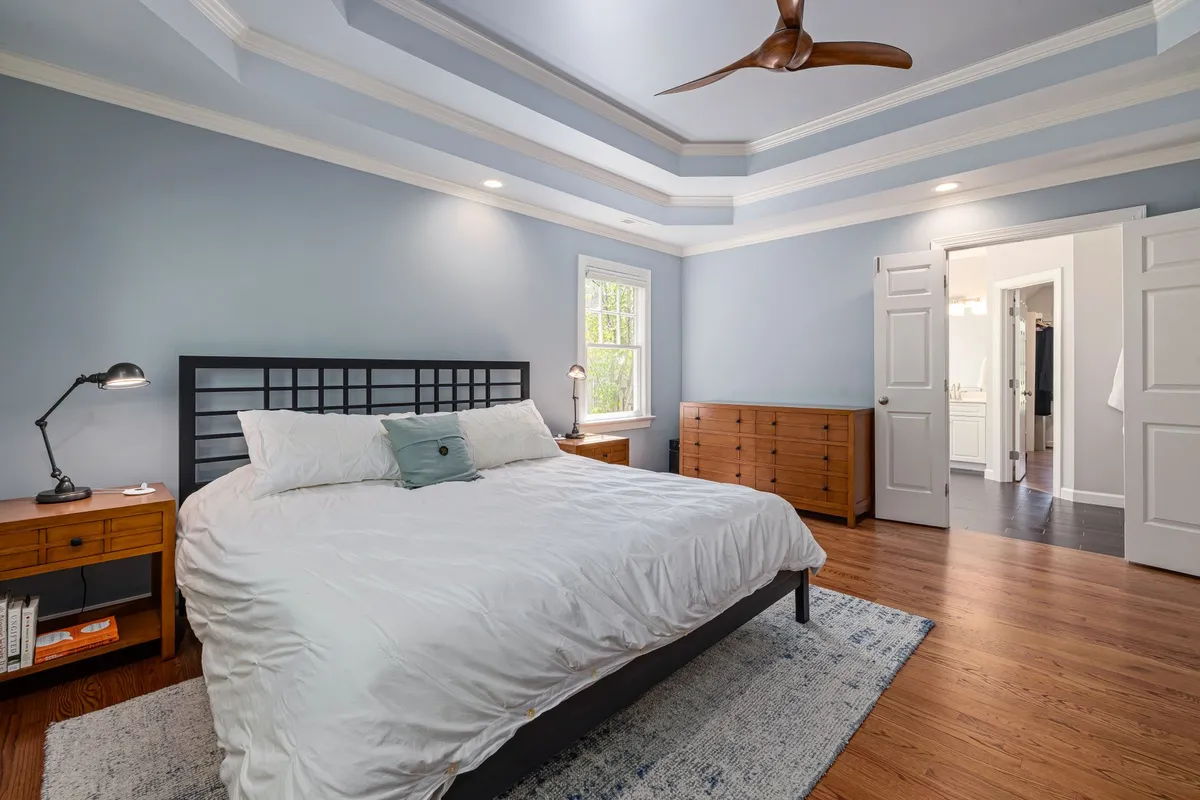
Bedroom walls benefit from colors in the soft-to-mid range: muted blues, sage greens, warm whites, soft taupes, and dusty lilacs are all scientifically associated with improved sleep quality. Saturated colors — vivid red, orange, or bright yellow — are stimulating in a way that works against relaxation. If you want drama, achieve it through a single accent wall (behind the headboard is the natural choice) in a deeper version of your dominant soft color or through a textured wallpaper in a subtle pattern.
Limewash and color-wash paint techniques are having a moment in bedroom design — they create soft, layered depth without the hard edges of standard paint, and they work particularly well in rooms with imperfect walls since the texture reads as intentional.
Flooring
Hardwood or luxury vinyl plank paired with an area rug is the contemporary bedroom standard. The rug should be large enough that both nightstands sit on it, or at minimum that the rug extends 18–24 inches beyond the bed on the sides and foot. A rug that's too small makes the room feel mismatched. For warmth underfoot (critical in cold climates), wool or wool-blend rugs provide the best thermal and tactile quality; for pets and ease of care, polypropylene flatweaves clean more easily.
Carpet remains a valid bedroom choice for acoustic and thermal comfort, but if you're renovating and replacing carpet, hardwood or LVP with a rug is a more versatile and longer-lasting foundation.
Ceiling
The bedroom ceiling gets overlooked in most renovations but is always in your sightline when lying in bed — make it intentional. Options: a simple coat of paint in a soft white one shade lighter than the walls (creates an airy floating feeling), a coffered or beamed detail (adds architectural character in traditional and transitional styles), or a wallpaper applied to the ceiling (a sophisticated accent that photographs dramatically and costs less than a wallpapered wall).
Closet: The Renovation That Changes Daily Life Most
No bedroom renovation delivers more daily quality-of-life improvement than a well-organized closet. A custom closet system ($800–$3,000 for a reach-in from California Closets, Container Store, or similar) turns a chaotic storage space into one that begins and ends the day with calm efficiency.
The fundamental closet organization principle: everything visible and accessible without moving other things. Items hidden behind other items get ignored; items that require rearranging to reach create friction. Double-hang sections for shirts and jackets, single hang for dresses and suits, divided shelving for folded items, and a designated spot for shoes.
Lighting: The Most Transformative Low-Budget Change
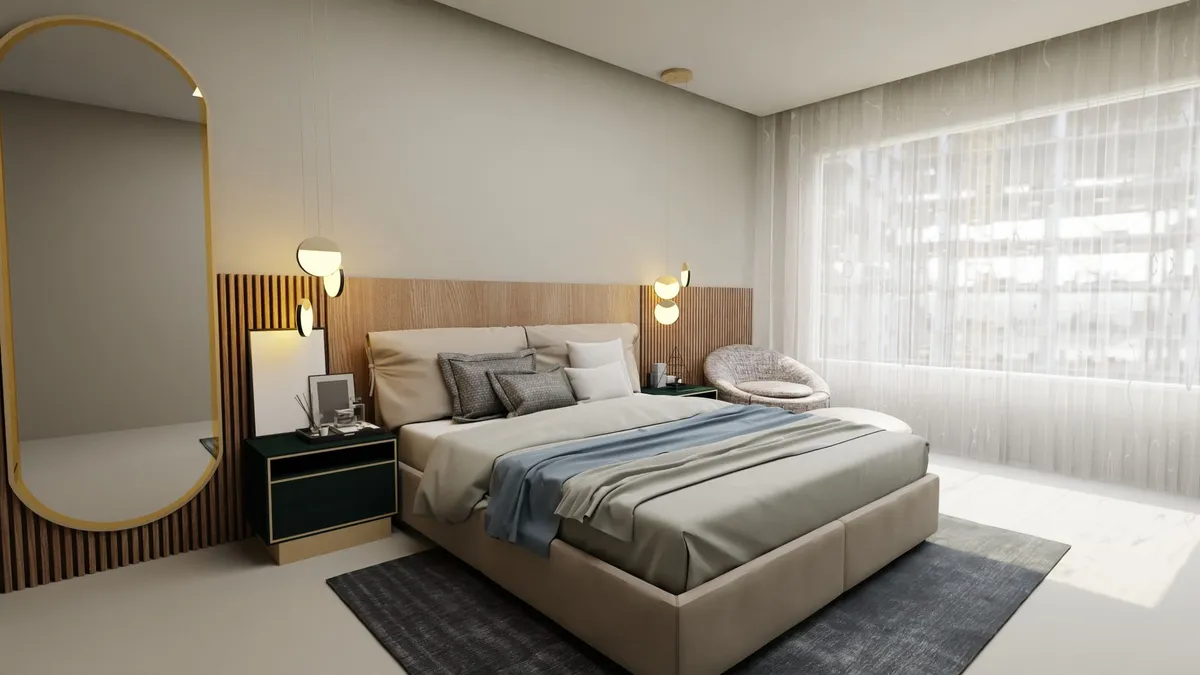
Most bedroom lighting is flat and unflattering — a single overhead fixture that produces even, shadowless light in a space that needs warm, layered illumination. The fix is straightforward:
- Overhead fixture: Replace with a dimmable flush-mount or pendant that emits warm (2700K or lower) light. A ceiling fan with a dimmable light kit serves double duty in warm climates.
- Bedside sconces or lamps: Wall-mounted sconces on either side of the bed are the clean solution — no cords on nightstands, no lamps taking up surface space. Plug-in sconces with cord covers require no electrical work. Table lamps work well on nightstands with adequate surface area.
- Dimmers: Every bedroom light should be on a dimmer or a smart bulb. The ability to drop the room to 20% brightness an hour before bed is worth more than any furniture purchase for sleep quality.
- Closet lighting: LED strip lights or puck lights inside a closet transform a storage space; motion-activated options are the most practical.
Headboard Options by Budget
The headboard is the bedroom's anchor piece — the element that most immediately communicates the room's style intent:
- Under $500: A DIY upholstered headboard (plywood, foam, and fabric) in a linen or velvet; IKEA slipcover-style headboards; simple solid wood designs in a stain that matches existing furniture
- $500–$1,500: Upholstered headboards with panel or tufted details from Article, CB2, or comparable mid-range retailers; solid wood slatted or panel designs from local woodworkers
- $1,500+: Custom upholstered designs in any fabric, fully fitted to the wall; statement arched headboards; custom cane or rattan work in natural or painted finishes
For accurate visualization of how different headboard styles and bedroom arrangements would look in your room, the RoomRenovation.AI design dashboard lets you apply multiple bedroom style directions to your actual space. Compare them against the bedroom design gallery for inspiration.
Budget Framework
- $1,000–$3,000 (cosmetic refresh): New bedding, paint, rug, lighting upgrade, and headboard replacement. Significant transformation without structural work.
- $5,000–$12,000 (moderate renovation): New flooring, closet system, window treatment upgrade, quality furniture pieces. Most of the functional and aesthetic gains.
- $15,000–$35,000 (full renovation): Architectural changes (new window, closet expansion), hardwood floors throughout, custom millwork (built-in shelving, window seat), premium furniture, and professional lighting design. A room you'll want to photograph and live in for decades.
For context on renovation costs relative to bedroom size and scope, see the nursery renovation cost guide which covers comparable labor and material categories. Full bedroom renovation costs typically run 40–70% higher than nursery equivalents due to larger square footage and adult-grade fixture expectations.
FAQ
What's the single most impactful bedroom renovation change? Lighting — specifically, replacing flat overhead lighting with layered, dimmable options. The change in how the room feels in the evening and at night is dramatic and immediate.
Should I match bedroom furniture or mix finishes? Matched furniture sets read as dated. A mix of two or three coordinating finishes — say, walnut nightstands with a white painted dresser and a cane accent chair — reads as more intentional and sophisticated. Coordinate through one consistent element (hardware finish, upholstery color) to unify the mix.
What size rug works for a bedroom? A 8x10 for a queen bed room, 9x12 for a king. The rug should extend at least 18 inches beyond the sides and foot of the bed. When in doubt, size up — an undersized rug makes a room feel smaller, not larger.
How can I see what my bedroom renovation would look like before starting? Upload your current bedroom photo to RoomRenovation.AI for a free AI render showing the renovation direction. It's the most accurate preview available without hiring a 3D renderer.
Is a bedroom renovation a good investment for home resale? Primary bedroom renovations consistently rank among the top five home improvements for resale ROI. Closet organization systems and updated lighting are particularly high-return items, as they signal move-in-ready quality to buyers.