
Kitchen Remodel Cost Breakdown Guide 2026
Kitchen remodel cost breakdown for 2026 with real price ranges for cabinets, countertops, appliances, labor, permits, and budget planning.
RoomRenovation.AI Team
Updated April 4, 2026
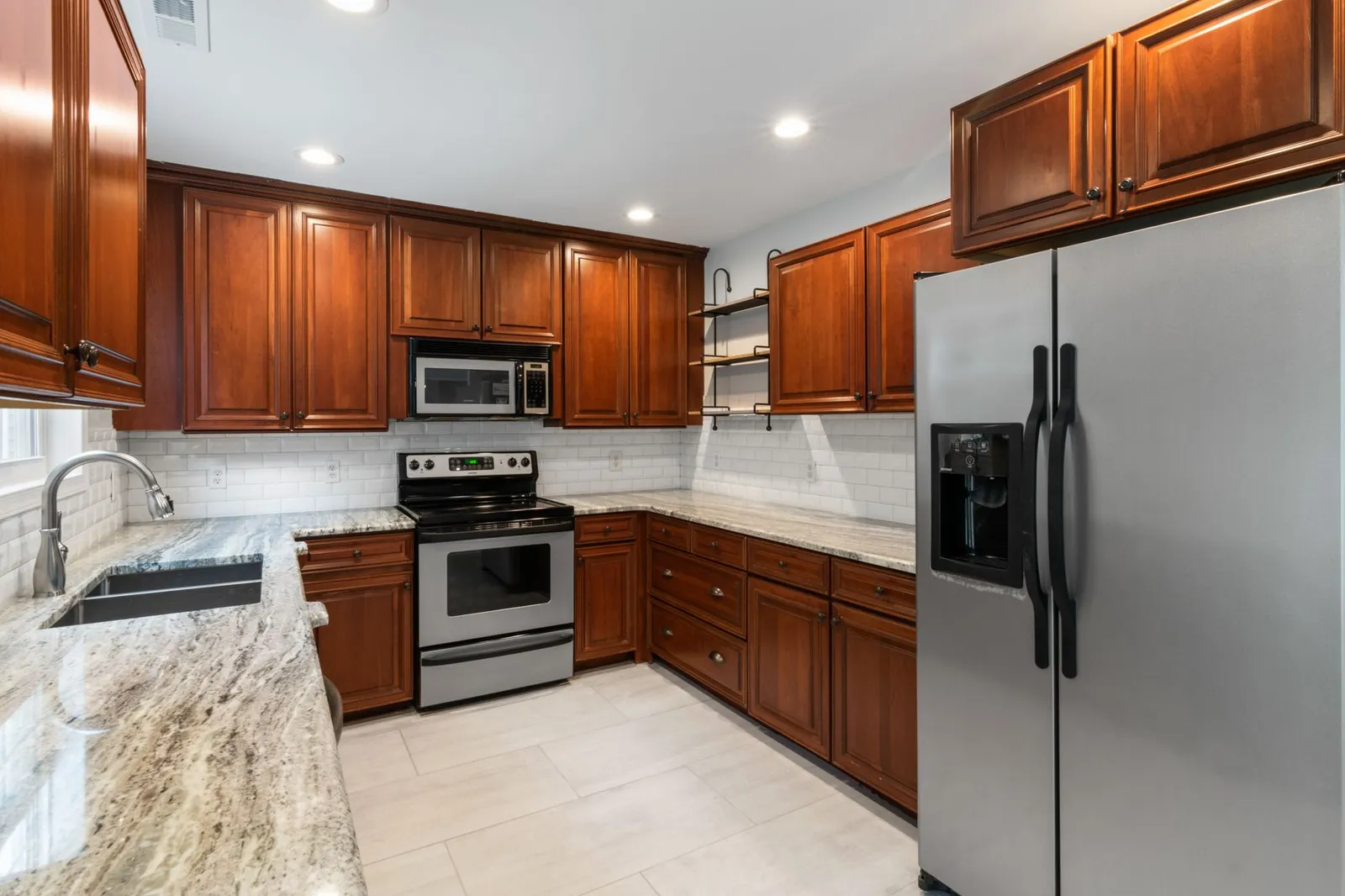
A kitchen remodel cost breakdown tells you something more useful than a single average: it shows you where the money goes, which categories have the most flexibility, and which decisions lock in expenses downstream. In 2026, kitchen renovations range from roughly $15,000 for a focused cosmetic refresh to $80,000 or more for a full gut-and-rebuild with custom everything. The gap between those numbers is determined by a handful of choices — primarily cabinets, countertops, layout changes, and how much of the existing infrastructure you can keep. This guide maps every major cost category with current price ranges so you can build a realistic budget before the first contractor sets foot in your home.
For a broader look at what drives renovation spending in this room, see the full kitchen renovation cost overview.
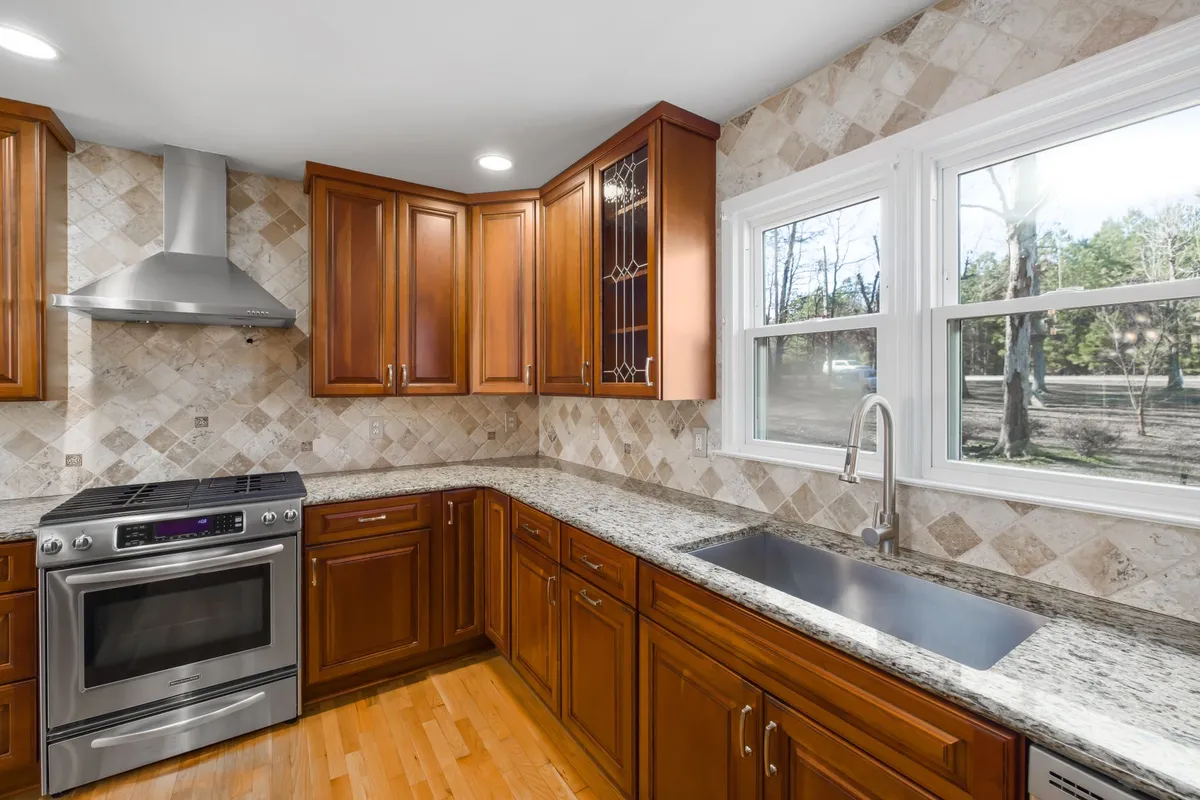
Overall Kitchen Remodel Cost Ranges in 2026
Before examining line items, it helps to understand how scope drives total spend. Three broad tiers define most residential projects:
Cosmetic Refresh: $15,000–$30,000
Cabinet refacing or repainting, new countertops, updated appliances, new fixtures, and fresh flooring — without moving any walls or relocating plumbing and electrical. This tier improves the look and functionality of an existing kitchen without rearchitecting it. Return on investment tends to be high because the bones are already in place.
Mid-Range Remodel: $30,000–$60,000
Full cabinet replacement, new countertops, appliance package, flooring, updated lighting, and minor layout adjustments (moving a non-load-bearing partition, for example). This is the most common remodel tier for suburban homes built in the 1980s and 1990s where kitchens are functional but dated.
Major Renovation: $60,000–$120,000+
Structural changes (opening a wall to adjacent dining or living space), kitchen island additions that require new electrical and plumbing, custom cabinetry throughout, premium appliances, specialty countertops, and in-floor radiant heating. At this level, you're essentially designing a new kitchen within the existing footprint — or changing the footprint itself.
Cabinets: The Largest Single Line Item
Cabinets consistently consume 25–35% of a kitchen remodel budget. Understanding the three tiers of cabinetry helps you make the single most impactful budget decision in the project.
Stock Cabinets
Pre-manufactured in fixed dimensions, available at home improvement stores, and installed from existing inventory. Stock cabinets run $80–$200 per linear foot installed, with a typical 20-foot kitchen landing in the $8,000–$15,000 range including hardware. Quality varies significantly — look for solid-wood drawer boxes and dovetail joinery rather than stapled particleboard.
Semi-Custom Cabinets
Manufactured to order in a range of sizes and finishes, with more configuration options than stock. Semi-custom runs $180–$500 per linear foot installed, putting the same 20-foot kitchen at $15,000–$35,000. This is the sweet spot for homeowners who want a fitted look without paying full custom prices.
Custom Cabinetry
Built to exact specifications by a local cabinet shop or high-end manufacturer. Custom runs $500–$1,500+ per linear foot installed, with complex kitchens reaching $60,000 for cabinetry alone. The case for custom is access to unusual configurations, premium material choices (quarter-sawn white oak, painted MDF, exotic veneers), and hardware that isn't available in semi-custom lines.
- Cabinet refacing (replacing doors and drawer fronts, keeping boxes): $6,000–$14,000
- Cabinet painting (professional spray, existing boxes and doors): $2,500–$6,000
- Hardware only (pulls, hinges): $500–$2,500 depending on quantity and finish
Countertops: Material Choice Drives the Cost
For a typical kitchen with 45–60 square feet of counter surface, countertop costs vary dramatically based on material. Installation — templating, fabrication, and setting — adds $40–$80 per square foot regardless of material choice.
- Laminate: $20–$50/sq ft installed. Vastly improved in recent years; some profiles convincingly replicate stone at a fraction of the cost.
- Butcher block: $40–$100/sq ft installed. Warm and functional, requires periodic oiling and is vulnerable to water damage near sinks.
- Quartz (engineered stone): $80–$180/sq ft installed. Non-porous, low-maintenance, available in consistent colorways. The dominant choice in mid-range to upper-mid remodels.
- Granite: $70–$175/sq ft installed. Each slab is unique; requires sealing annually. Slightly less consistent in pattern than quartz.
- Marble: $100–$250/sq ft installed. Beautiful and high-maintenance — etches and stains readily. Best suited to low-traffic kitchens or bakers who want a pastry slab.
- Porcelain slab: $100–$230/sq ft installed. Relatively new to the residential market; extremely durable, heat-resistant, and now available in large-format sizes that minimize seams.
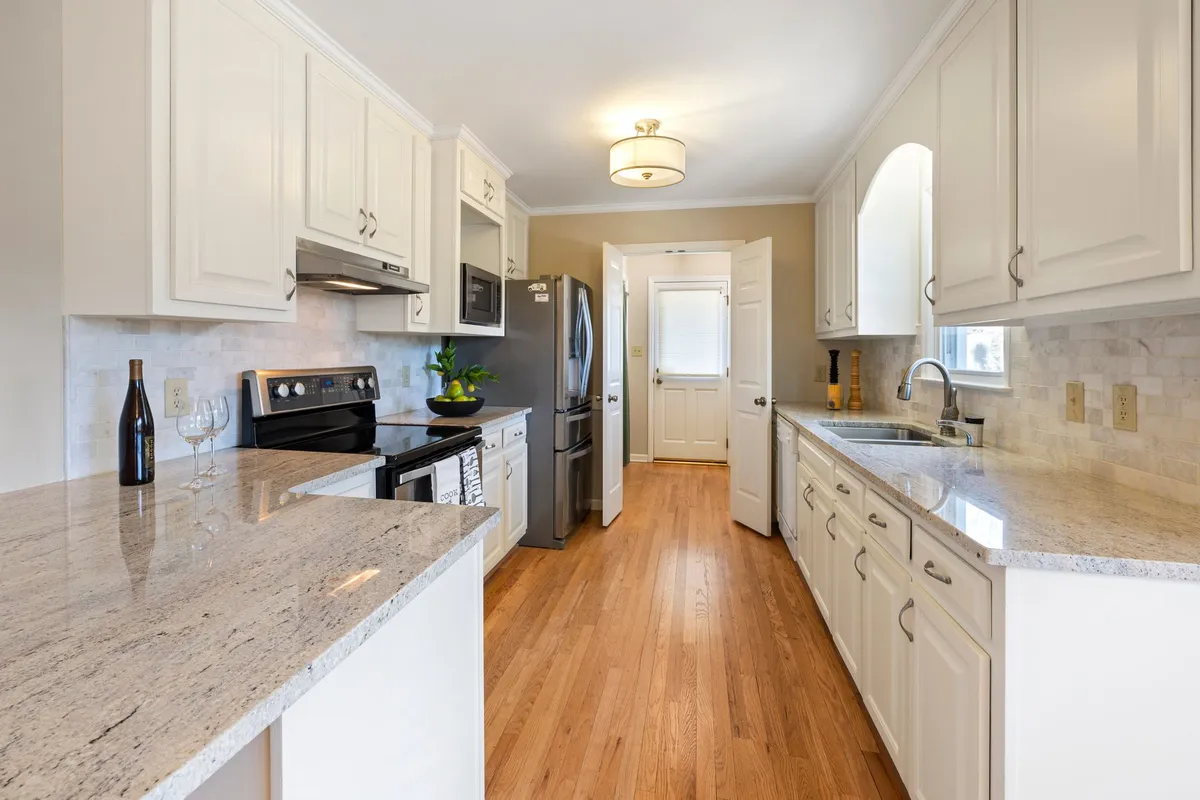
Appliances: Where Wants and Needs Diverge
Appliance costs span the widest range of any kitchen category. A complete functional suite from a mid-tier brand can be assembled for $5,000–$8,000; the same kitchen outfitted with professional-grade equipment from a luxury manufacturer runs $25,000–$60,000.
Individual Appliance Cost Ranges (2026)
- Refrigerator: $900–$10,000+ (French door mid-range ~$2,000–$3,500)
- Range (freestanding): $700–$12,000+ (30" gas mid-range ~$1,500–$3,500)
- Range hood / ventilation: $350–$4,500 (depends on CFM, ducting complexity)
- Dishwasher: $500–$3,000 (built-in panel-ready adds ~$300–$600)
- Microwave / microwave drawer: $200–$1,800
- Wall oven (if separate from range): $1,200–$8,000
One note on ventilation: inadequate range hood CFM relative to burner BTUs is one of the most common mid-range remodel mistakes. Under-spec'ing here creates ongoing cooking odor problems that no amount of beautiful cabinetry can fix. Size the hood to the cooking equipment, not the other way around.
Labor Costs: The Hidden 30%
Labor consistently represents 25–35% of total project cost and is the line item most often underestimated by homeowners building initial budgets. Breaking it down by trade makes the numbers legible.
General Contractor
GC markup on a kitchen remodel typically runs 15–25% of total project cost, covering coordination, scheduling, and liability. On a $45,000 project, that's $7,000–$11,000. For straightforward cosmetic remodels, some homeowners act as their own GC — but managing subcontractor schedules and catching sequencing errors is genuinely time-consuming.
Specialty Trades
- Plumber: $95–$175/hr. Moving a sink or adding an island prep sink typically costs $2,500–$6,000 including rough-in, fixtures, and connections.
- Electrician: $85–$145/hr. A full kitchen electrical update (outlets to code, dedicated circuits for appliances, under-cabinet lighting) typically runs $3,000–$7,000.
- Tile setter: $50–$95/hr plus materials. A full backsplash installation in a mid-sized kitchen runs $1,200–$3,500.
- Flooring installer: $6–$15/sq ft labor depending on material and complexity.
- Painter: $1,200–$3,500 for a typical kitchen including ceiling and trim prep.
- Demolition: $1,500–$4,000 for full kitchen demo including debris removal.
Permits, Inspections, and Disposal
Permits are non-negotiable when structural work, electrical upgrades, or plumbing modifications are involved. Skipping permits creates problems when selling — buyers' lenders often require disclosure of unpermitted work, and corrections at that stage are far more expensive than the original permit fee.
- Building permits: $400–$2,500 depending on municipality and project scope
- Debris removal (full demo): $600–$2,000 depending on volume and hauler
- Appliance delivery and old appliance haul-away: $150–$600
What's Often Left Out of Initial Estimates
Contractors submit bids based on what they can see. Once demolition begins, the walls reveal what they've been hiding for decades.
Subfloor and Structural Issues
Rotted subfloor from old appliance leaks: $800–$3,000 to repair. Inadequate joist spacing for new flooring weight: $1,500–$4,000 to sister and reinforce.
Electrical Code Compliance
Pre-1980s kitchens often have insufficient circuit capacity, ungrounded outlets, and aluminum wiring that must be corrected before an inspection will pass. Bringing an old kitchen to current NEC code can add $3,000–$8,000 to electrical costs.
Asbestos and Lead
In homes built before 1980, floor tiles, drywall compound, and pipe insulation may contain hazardous materials. Professional testing runs $300–$600; abatement adds $1,500–$5,000+ depending on scope and location.
Budget a 15–20% contingency from the start. On a $40,000 project, that's $6,000–$8,000 held in reserve. Projects that begin without contingency routinely end with credit card debt or unfinished work.
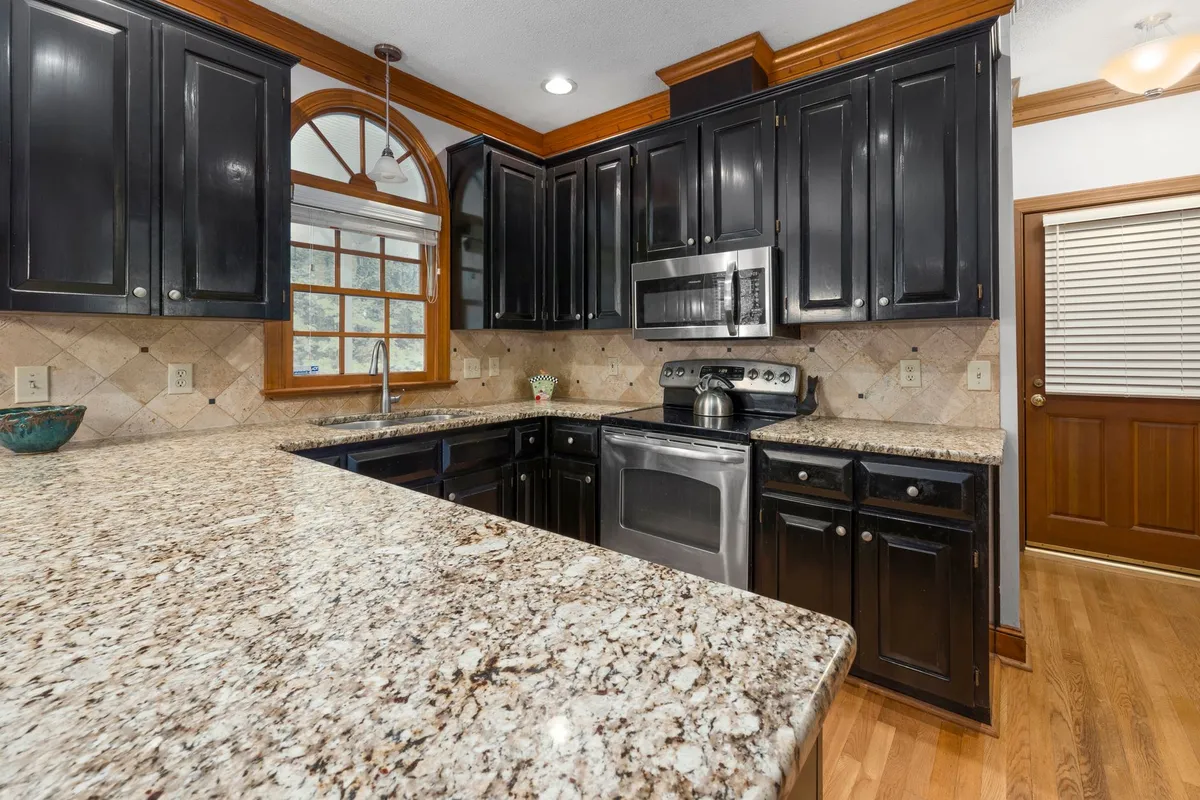
Percentage Budget Allocation Reference
- Cabinets and hardware: 25–35%
- Labor (all trades + GC): 25–35%
- Appliances: 10–20%
- Countertops: 10–15%
- Flooring: 5–10%
- Backsplash and tile: 3–6%
- Lighting and electrical fixtures: 3–6%
- Permits and disposal: 2–4%
- Contingency: 15–20% (non-negotiable)
Visualize your new kitchen layout before committing to contractor quotes — use RoomRenovation.AI's free render tool to test cabinet configurations, countertop materials, and flooring options in your actual space. Arriving at contractor meetings with visual references dramatically sharpens the scoping conversation.
Frequently Asked Questions
What does a kitchen remodel cost in 2026? Most projects land between $15,000–$80,000 depending on scope. A focused cosmetic refresh (new cabinets, countertops, appliances, no structural changes) typically runs $15,000–$30,000. A full mid-range remodel runs $30,000–$60,000. Major renovations with structural changes and custom finishes run $60,000–$120,000+.
Is it cheaper to reface cabinets or replace them? Refacing ($6,000–$14,000) costs roughly half of stock cabinet replacement ($8,000–$20,000 installed) and produces a similar visual result if the existing boxes are structurally sound. Replacement becomes cost-justified when box interiors are damaged, the layout is inefficient, or you want to add or remove cabinets.
How long does a kitchen remodel take? A cosmetic remodel (no structural changes, materials pre-ordered) takes 3–6 weeks. A mid-range remodel with cabinet lead times and permit review typically takes 8–14 weeks. Major renovations involving structural changes, custom cabinetry, and specialty appliances can run 4–6 months from contract to completion.
Should I hire a general contractor or manage the project myself? Self-managing saves the GC markup (15–25%) but requires coordinating plumbers, electricians, tile setters, and cabinet installers — managing sequencing so each trade works in the correct order. For projects above $30,000 or involving multiple trades, the GC fee typically pays for itself through avoided rework and schedule efficiency.
How can I reduce kitchen remodel costs without sacrificing quality? Keep the existing footprint to avoid plumbing and electrical relocation costs. Choose semi-custom cabinets over full custom. Use quartz instead of marble. Install an appliance suite from a reliable mid-tier brand and resist upgrades that only benefit professional use. Preserve existing flooring if it's in good condition. Invest in countertops and hardware — the surfaces you touch every day — and save on areas that are visually secondary.