
How to Renovate an Old House Interior Without Losing Its Character
Old house renovation balancing modern comfort with period charm. Key strategies for restoring original details while updating systems and layouts.
RoomRenovation.AI Team
Updated March 22, 2026
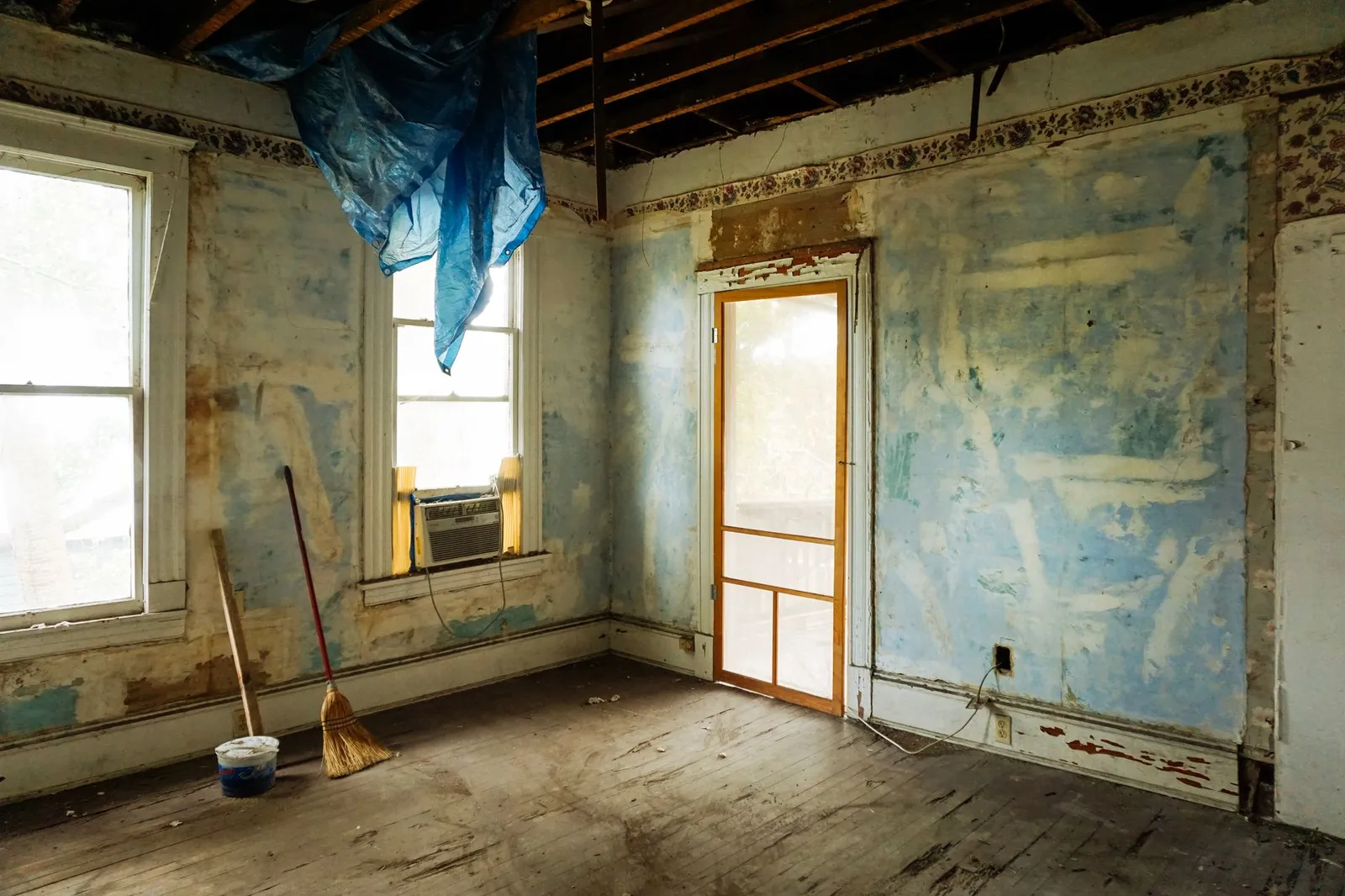
Renovating an old house interior is a fundamentally different project from updating a 1990s tract home. Period homes — Craftsman bungalows, Victorian row houses, mid-century colonials, Tudor revivals — carry architectural character that took decades to develop and can be destroyed in an afternoon by the wrong renovation decision. The goal is not to freeze the house in amber or to gut it down to studs. It is to find the renovation logic that honors what the original builders understood about light, proportion, and material quality while adding the comfort, functionality, and energy performance modern life requires.
Start With an Architectural Inventory
Before touching anything, spend time identifying what the house has that newer construction cannot replicate easily. This inventory guides every subsequent decision by establishing what to preserve, what to restore, and what to replace.
Elements worth preserving in most period homes:
- Original hardwood flooring — typically old-growth fir, oak, or heart pine, far denser than modern engineered alternatives. Worth refinishing rather than replacing.
- Plaster walls and ceilings — have an acoustic quality and surface depth that drywall cannot match. Repair rather than replace wherever possible.
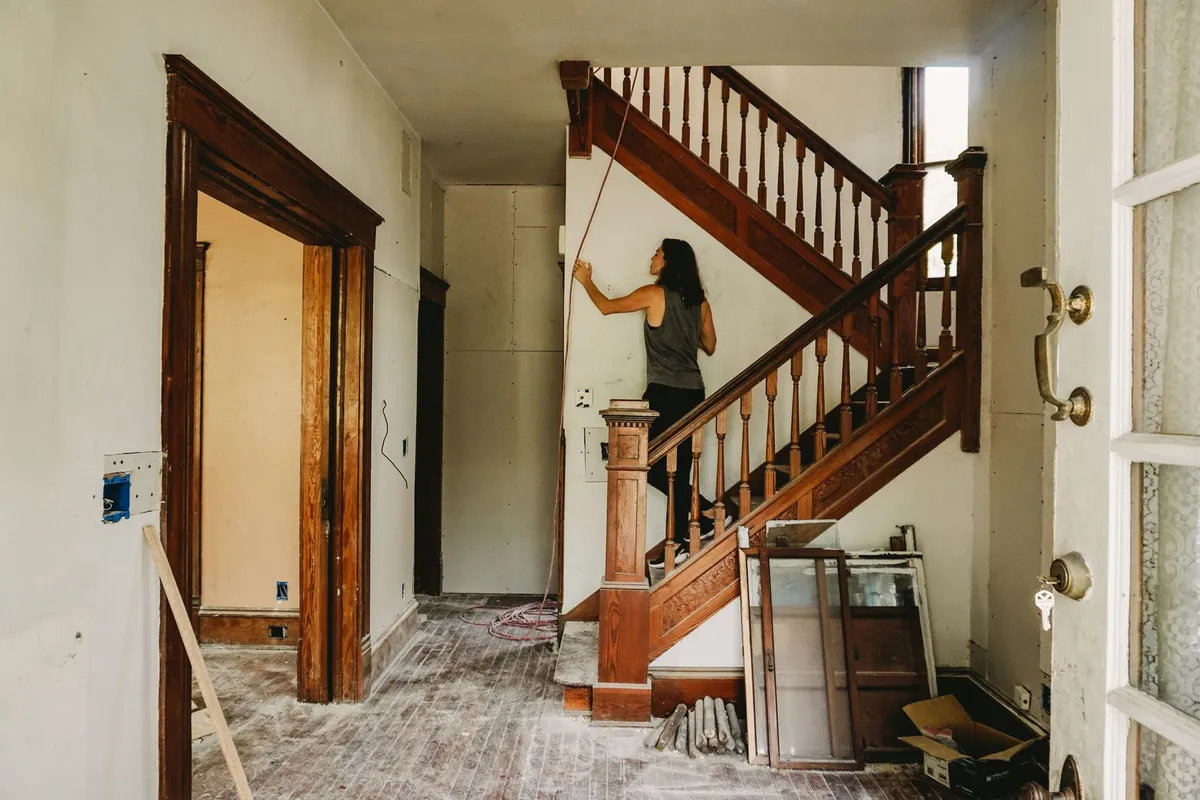
- Millwork details — door casings, crown moldings, window surrounds, wainscoting, built-in cabinetry. These are often what gives the house its identity.
- Original windows — restore with weatherstripping and interior storm inserts rather than replacing. Old-growth window frames can last another century with maintenance; vinyl replacements look wrong and often damage historically significant exteriors.
- Fireplace surrounds and mantels — marble, carved wood, or decorative tile surrounds are irreplaceable at any reasonable cost and define the focal point of their rooms.
The Sequencing Problem
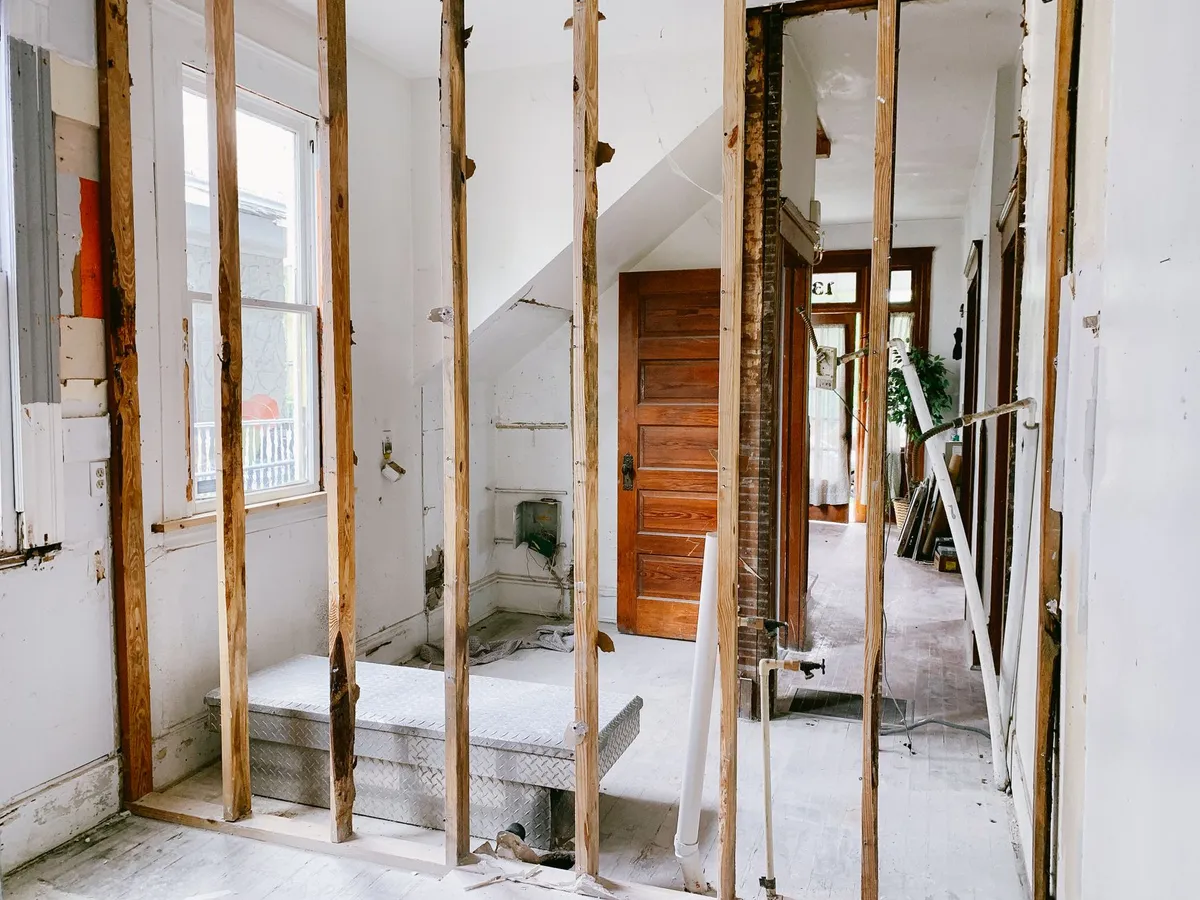
Old house renovations have a mandatory sequence that differs from new construction. You cannot do finish work before you know what is in the walls. And what is in old walls is often a surprise: knob-and-tube wiring, uninsulated cavities, cast iron drain lines, galvanized supply pipes, asbestos insulation in floor tiles or pipe wrapping, and lead paint on anything built before 1978.
The correct sequence is:
- Inspection and hazardous material assessment (asbestos, lead, mold)
- Structural repair (foundations, sills, load-bearing elements)
- Mechanical systems (electrical upgrade, plumbing replacement, HVAC)
- Insulation (wall cavities, attic, crawlspace or basement)
- Plaster repair or drywall patching
- Millwork restoration and finish painting
- Flooring refinishing
- Kitchen and bathroom finish work
- Lighting fixtures and hardware
Renovators who skip to finish work before completing mechanical and structural phases almost always open walls twice, which doubles cost and disruption.
Matching New Work to Period Character
The most visible tension in old house renovation is introducing modern elements without creating a collision between eras. A few principles that make the integration work:
Match Proportions, Not Exact Motifs
If the existing door casings are 3.5 inches wide with a back-band profile, new casings added in a gut-renovated wing should match the width and scale, even if the exact profile is simplified. The visual system of the house is about proportion; exact replication of period ornament in new areas rarely looks right.
Use Compatible but Honest Materials
When adding a kitchen to a Craftsman bungalow, shaker-style flat-front cabinetry in a period-appropriate paint color reads as contemporary without contradicting the architectural vocabulary. Overly modern handle-free cabinetry creates a jarring transition. Marble or butcher block countertops feel at home; some quartz patterns do not.
Reserve Neutral Tones for New Additions
When a contemporary addition connects to a period house, letting the addition step back in palette and material relative to the original is wise. The old house has character; the addition provides function. Let the original lead.
Kitchens and Bathrooms in Period Homes
These two rooms create the most renovation friction because period kitchens and bathrooms are typically small, oddly configured, and lack modern infrastructure. The temptation is to gut them entirely and start fresh. This is sometimes correct, but consider:
- Original kitchen cabinetry in good condition is often worth restoring — repaint, new hardware, new countertops. The bones of older cabinets are often solid wood rather than particleboard.
- Period bathroom tile — hexagon mosaic floors, subway tile walls, pedestal sinks — is back in demand. If it is in good condition, preserve it. Buyers increasingly value original tile over modern substitutes.
- Cast iron tubs can be re-glazed for $400–$800, transforming a stained fixture into a showpiece. Replacement in kind runs $1,500–$4,000 for a comparable-quality freestanding tub.
Visualizing the Balance With AI
One of the specific challenges of old house renovation is predicting how a modernized interior will read against the existing period bones. Will contemporary furniture work with Victorian plaster cornices? Will a Japandi color palette suit a 1920s craftsman bungalow? Will unlacquered brass hardware look right with the original millwork?
AI room visualization helps answer these questions before the investment is made. Upload a photo of your historic room to the free render tool and test modern furniture arrangements, contemporary paint colors, and updated fixture choices against your actual existing architecture. The full design dashboard lets you compare multiple directions. This is particularly useful in old houses where the room proportions, window placement, and detail level are so specific that generic inspiration photos from newer homes do not translate reliably.
Budget Realities for Old House Renovation
Old house renovations almost universally cost more than equivalent work in newer construction. Plan for:
- Electrical upgrade: $8,000–$20,000 for a complete service upgrade and rewire of a 1,500–2,500 sq ft home.
- Plumbing: $5,000–$15,000 to replace galvanized supply lines and cast iron drains.
- Window restoration: $200–$600 per window for weatherstripping, glazing, and interior storm inserts; versus $400–$900 per window for replacement.
- Plaster repair: $50–$80 per square foot for skilled plaster work; drywall patches run $20–$40/sq ft but require matching skim coat texture to read consistently.
Compare these to typical living room, kitchen, and bathroom renovation costs to understand how old house work adds to baseline project costs.

FAQ
Should I remove the original plaster and replace with drywall? Only if the plaster is structurally failed (soft, bulging, delaminated from the lath in large sections). Intact plaster has better acoustic properties, holds screws more reliably, and has a surface quality that quality drywall installation can approximate but not fully match. Repair, don't replace.
How do I handle lead paint in an old house renovation? Lead paint on intact surfaces is managed, not necessarily removed. If you are disturbing painted surfaces during renovation, hire an EPA-certified renovator (RRP Rule requirement for pre-1978 homes). Complete lead abatement is expensive ($10,000–$30,000 for a full house) and not always necessary; encapsulation and careful management during renovation is the more common approach.
Can I add modern heating and cooling without damaging the historic fabric? Yes. Mini-split ductless systems are the renovation-friendly solution — they require only a 3-inch penetration through an exterior wall and do not require ducts that would disrupt original ceilings or floors. High-velocity forced air systems exist but are expensive and complex to route through old construction without damage.
Is it worth renovating an old house versus buying a newer one? Old houses in established neighborhoods typically have stronger long-term appreciation than equivalent new construction, better lot sizes, more mature landscaping, and construction quality that is genuinely superior in materials like old-growth wood. The renovation premium is real, but so is the result.
How do I find contractors experienced with historic homes? Look for contractors with references from period home renovations, local historic preservation society recommendations, or membership in the National Trust for Historic Preservation's affiliated trade programs. Experience with old construction is not universal — always ask for before/after photos of comparable period projects.