
Indoor-Outdoor Living Design: Blurring the Line Between Home and Nature
Indoor-outdoor living design with sliding doors, outdoor kitchens, and natural material transitions. See how to extend your living space outside with AI.
RoomRenovation.AI Team
Updated March 24, 2026
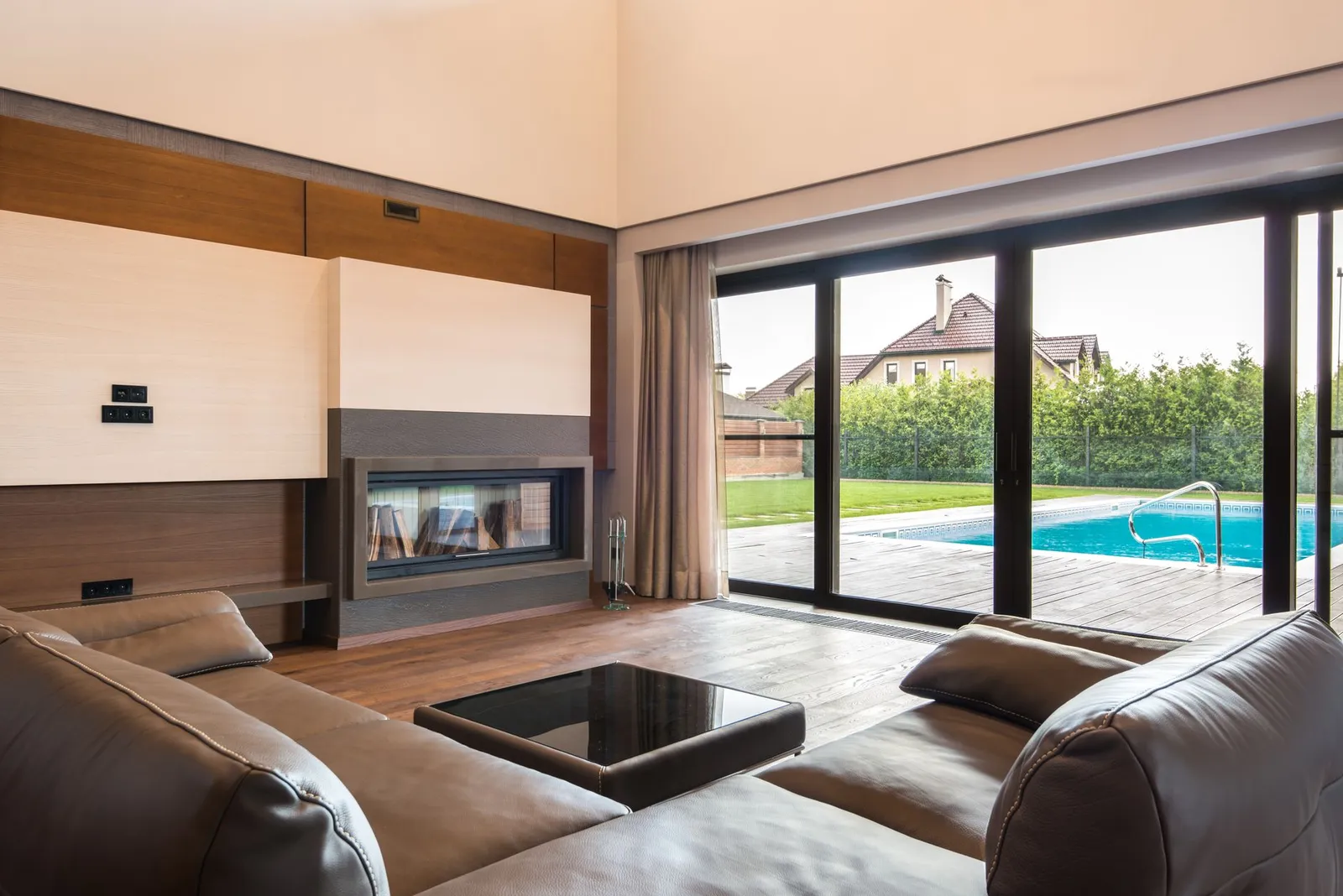
Indoor-outdoor living design is the architectural strategy of dissolving the boundary between interior rooms and exterior spaces — extending the functional living area of a home beyond its walls through connected design, shared materials, and seamless transitions. In climates that allow even six months of comfortable outdoor use, a well-executed indoor-outdoor connection can effectively add 300–800 square feet of living space to a home without adding a single stud to the structure.
The Design Philosophy: Why the Line Between Inside and Outside Matters
Traditional homes drew a hard line between inside and outside. Interior rooms were climate-controlled, private, and defined by different materials than the exterior. Indoor-outdoor design challenges this logic by asking: what if the patio were as thoughtfully designed as the living room? What if the kitchen opened directly to an outdoor cooking area? What if the boundary between the two wasn't a wall but a threshold you barely noticed crossing?
The answers to these questions produce homes that feel dramatically more spacious, better connected to natural light and air, and more suited to the way Americans increasingly want to live — with flexible indoor-outdoor gathering spaces that blur the formal distinctions of traditional rooms.
The Pivoting or Sliding Glass Door: The Critical Hinge
The primary tool for indoor-outdoor connection is the large-format glass opening. Several systems achieve this:
- Pocket sliding doors: Panels slide into a wall cavity, leaving the opening entirely unobstructed. The gold standard for transparency. Typically 12–36 feet wide. Cost: $8,000–$25,000 installed for a quality system.
- Bifold doors: Panel stack to one or both sides when fully open, creating a wide opening with a small "fan" of stacked glass. Less invisible than pocket systems but more affordable. $4,000–$15,000 installed.
- Pivot doors: Single large panel that pivots from a top-and-bottom hinge rather than a side hinge. More architectural statement than system. Works well for single-door transitions.
- Aluminum vs. wood frames: Aluminum (Fleetwood, LaCantina, NanaWall are leading brands) performs better in humid environments and is the contemporary standard. Wood frames add warmth but require more maintenance.
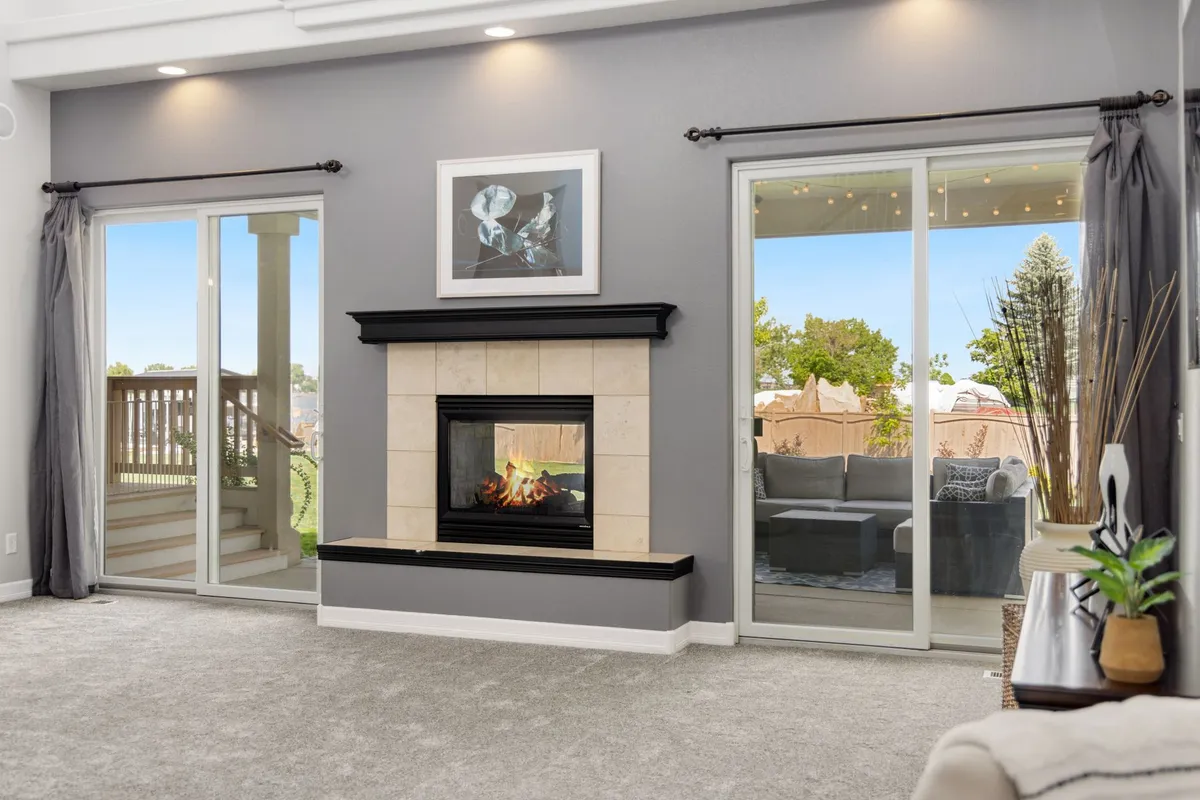
Material Continuity: The Trick That Makes Spaces Flow
The most effective indoor-outdoor transitions use the same flooring material indoors and outdoors, running continuously through the glass opening. When you see the same large-format stone tile or brushed concrete running from a living room through the open doors onto a terrace, the spatial distinction between inside and outside dissolves.
Materials that work well in both environments:
- Porcelain tile: Frost-resistant porcelain tiles in large formats (24x48 inch) are the most practical interior-to-exterior flooring solution. They're durable, low-maintenance, and available in finishes that replicate stone, concrete, and wood.
- Sealed concrete: Polished interior concrete transitioning to brushed exterior concrete (for slip resistance) creates a powerful minimalist continuity.
- Ipe or teak decking: Warm wood decking butting up to interior hardwood creates a softer transition than stone or concrete. Requires matching the scale and grain direction.
- Natural stone: Limestone or travertine tiles work both inside and out in temperate climates, though freeze-thaw cycles in colder regions can compromise non-frost-rated stone.
Ceiling Continuity: Taking the Roof Outside
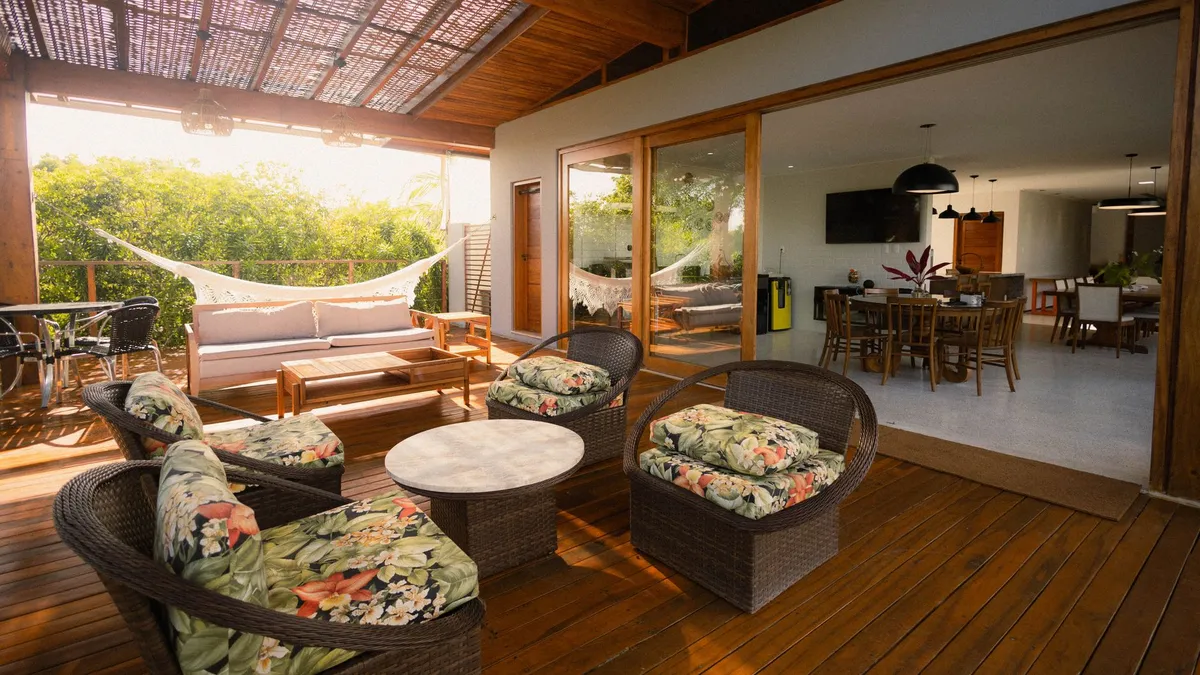
Extending the roofline or ceiling material onto the exterior porch or terrace creates the most compelling sense of spatial continuity. Options range from a simple extended roof overhang to a full covered outdoor room:
- Extended eave: The roof overhang extends four to eight feet beyond the exterior wall, creating a covered transition zone that reads as interior-adjacent. Provides rain protection and shade.
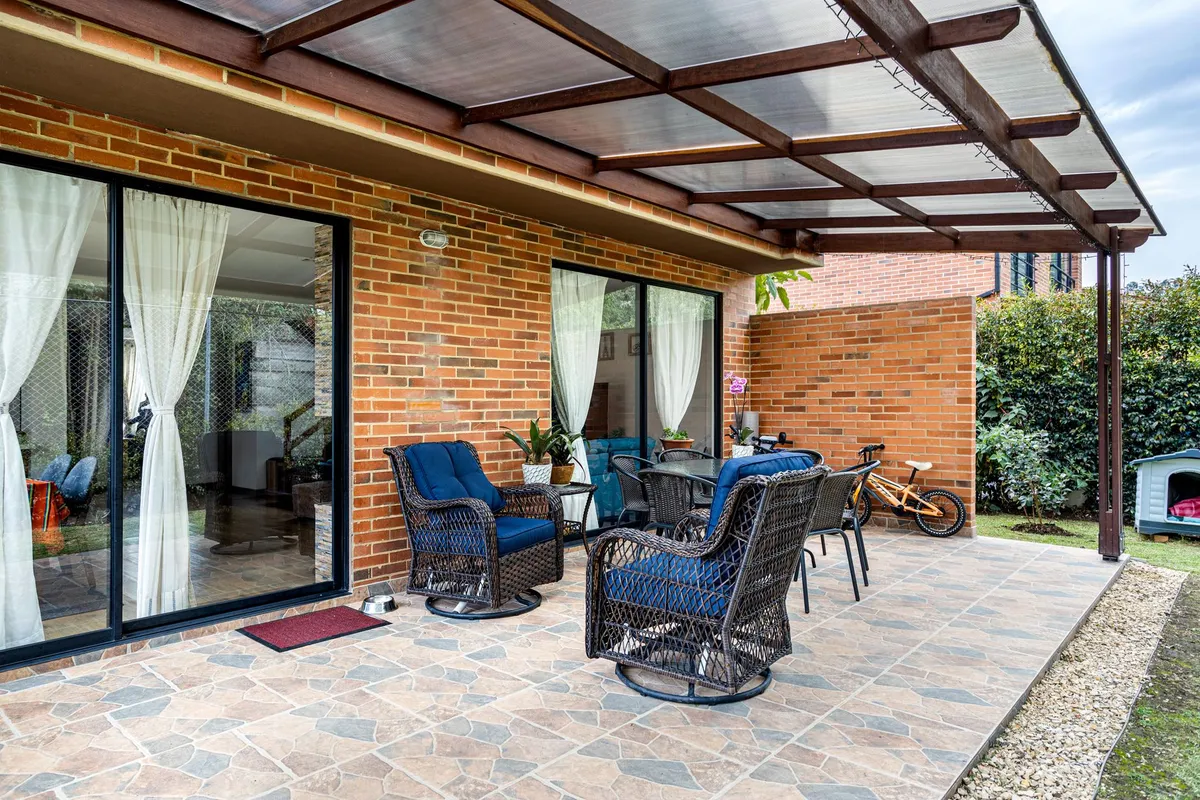
- Pergola with matching material: A pergola built to match the home's material language — same paint color, same roof material, same fascia detail — reads as an extension rather than an addition.
- Full outdoor room: A fully covered outdoor space with ceiling, integrated lighting, outdoor speakers, and a ceiling fan becomes a genuine room — usable in light rain, shade-protected in summer, and definable as either living or dining space.
The Outdoor Kitchen: The Centerpiece of Outdoor Living
For homes where outdoor entertaining is a priority, an outdoor kitchen dramatically increases the usability and appeal of the exterior space. The functional hierarchy:
- Essential: Built-in gas grill (36-inch is the minimum useful width), counter space of at least 24 linear inches, and a side burner for sauces and sides.
- Very useful: A refrigerator drawer or undercounter refrigerator, a sink with cold water (hot water requires significant plumbing and is rarely used), and a pizza oven or smoker module.
- Luxury tier: A warming drawer, full under-counter storage, a dedicated outdoor dishwasher, and a bar tap if the outdoor space is adjacent to the indoor kitchen.
Outdoor kitchen cost ranges: a basic built-in grill with minimal countertop runs $3,000–$8,000. A full outdoor kitchen with refrigeration, sink, and a pergola runs $15,000–$40,000. High-end outdoor kitchens with premium appliances, custom stone, and full coverings can reach $75,000+.
Outdoor Seating and Living Areas: The Design Principles
Outdoor furniture decisions follow the same principles as interior design — group furniture into functional zones, define each zone with a rug or surface change, and scale furniture to the space. Common mistakes in outdoor living areas:
- Undersized furniture: Exterior spaces look bare with furniture that would be appropriately scaled inside. Scale up by at least 20%.
- No rug: An outdoor rug defines the seating area and makes the space feel finished. Use polypropylene or other all-weather materials.
- No lighting plan: Outdoor spaces without evening lighting become unusable after dark. Layer string lights, path lighting, in-deck lighting, and pendant fixtures in covered areas.
- No weather protection: Furniture without shade or cover requires constant storage. An umbrella, pergola, or extended roof overhang dramatically extends the season and daily use hours.
Biophilic Design and Indoor-Outdoor Connection
Indoor-outdoor design is closely related to biophilic design — the intentional integration of nature into built environments. Research consistently shows that visual access to vegetation, natural light, and water features reduces stress and improves wellbeing. An indoor-outdoor connected home achieves biophilic goals naturally: maximized natural light from the glass opening, views into the garden, ventilation through the open doors, and the sound of wind or water in the exterior space.
Reinforcing the biophilic connection: indoor plants positioned near the glass opening that visually bridge inside and outside, water features visible from the interior, and landscape design that places mature trees and plantings in the primary sightlines from interior rooms.
Visualizing Your Indoor-Outdoor Connection
Replacing an existing wall with a pocket sliding system is a significant investment. Before committing, use RoomRenovation.ai to visualize how an open-plan indoor-outdoor connection would transform your living room or kitchen. Upload a photo of your current interior, select the appropriate outdoor living style, and preview the transformation with AI rendering. It's also worth exploring our modern minimalist style guide — most contemporary indoor-outdoor homes employ a minimalist material vocabulary that benefits from the style's spatial clarity.
FAQ
Can indoor-outdoor design work in colder climates? Yes, with appropriate design choices. Radiant heated floors that extend through the glass opening to a covered terrace, infrared heaters in the ceiling of a covered outdoor room, and glass panels that close seamlessly in winter allow the visual connection to remain year-round even when the doors are closed. The key is designing for the nine months when the space is usable rather than the two or three when it's closed.
Does indoor-outdoor design hurt energy efficiency? Large glass openings have historically reduced energy efficiency, but modern thermal break aluminum systems and triple-pane glazing have dramatically improved performance. The key is choosing a system with appropriate thermal ratings for your climate, and positioning the opening on a south-facing wall to maximize passive solar gain in winter.
What's the minimum outdoor space needed for indoor-outdoor design to be worthwhile? A 12-foot-deep covered terrace or patio adjacent to a living room or kitchen creates meaningful outdoor living space. Smaller spaces (8 feet deep or less) work for dining but feel cramped for a living room grouping. The width of the opening matters more than the depth — a wide opening creates the sense of spatial extension even with a shallow terrace.
How does indoor-outdoor design affect home resale value? In markets with significant outdoor living culture (California, Texas, Florida, the Pacific Northwest), indoor-outdoor connections are among the highest-value improvements a homeowner can make. In colder northern markets, covered outdoor rooms with heating add value; exposed patios add less. Consult a local appraiser before making major structural changes.
Can I achieve indoor-outdoor connection without replacing walls or windows? Yes, at a more modest scale. A large sliding glass door replacing a standard patio door, a covered pergola abutting the existing opening, and material continuity between interior flooring and an exterior patio can establish meaningful indoor-outdoor connection without structural wall changes. This approach costs $5,000–$15,000 rather than the $25,000–$75,000 required for full pocket-sliding-system installation.