
Japandi Interior Design: Japanese Minimalism Meets Scandinavian Warmth
Japandi design blends Japanese wabi-sabi minimalism with Scandinavian hygge comfort. See this trending aesthetic in your rooms with AI visualization.
RoomRenovation.AI Team
Updated March 24, 2026
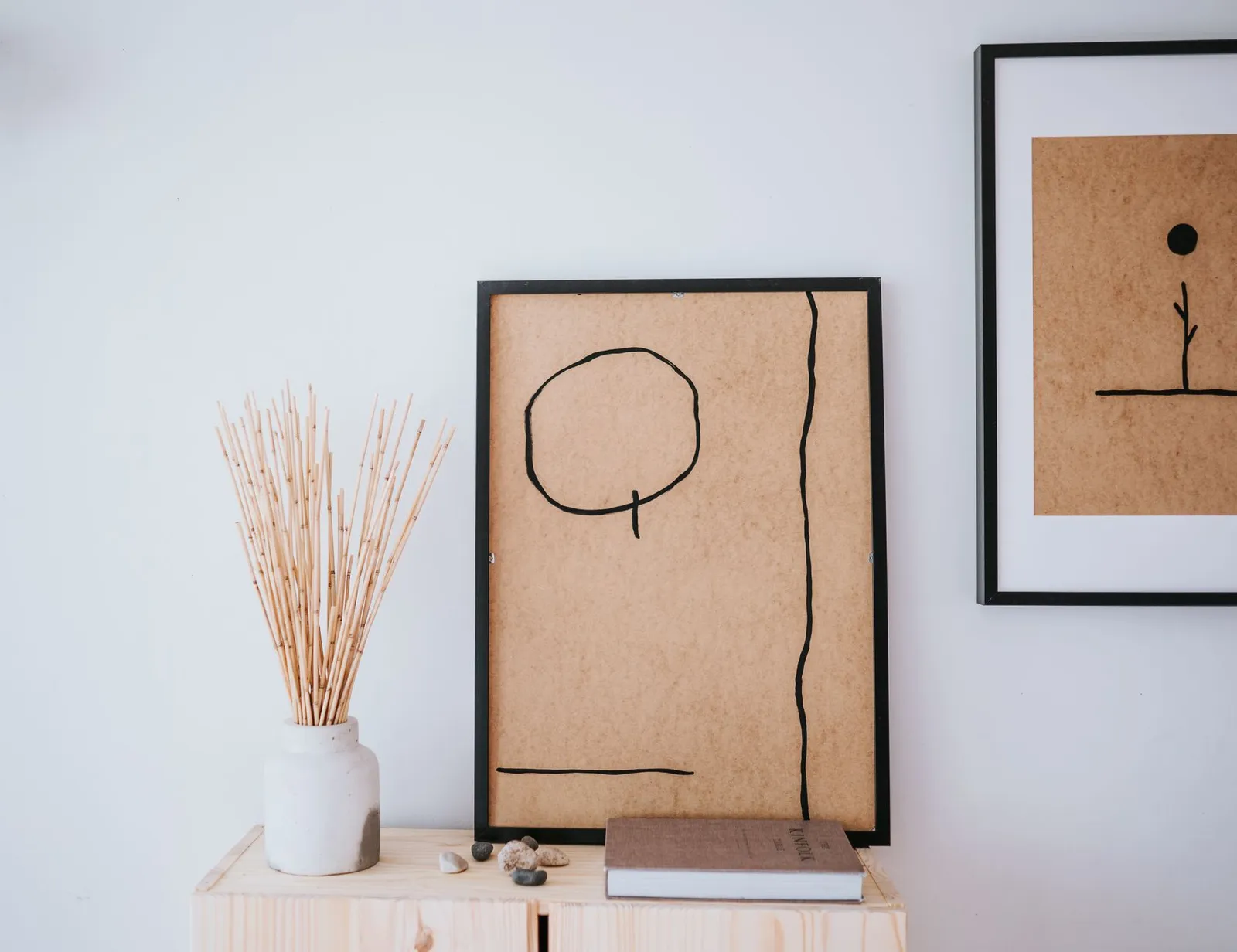
Japandi interior design has become one of the most searched residential aesthetics of the mid-2020s, and for good reason: it resolves a tension that neither Japanese minimalism nor Scandinavian design fully addresses alone. Pure Japanese zen can feel austere and cold to Western sensibilities; pure Scandinavian hygge can veer into comfortable clutter. Japandi fuses the two in a way that produces rooms that are simultaneously minimal and warm, spare and livable, quiet and deeply satisfying to inhabit.
What Is Japandi Design?
Japandi is not a traditional historical style — it emerged as a defined aesthetic term in the 2010s to describe the natural convergence between Japanese wabi-sabi philosophy and Scandinavian hygge sensibility. The two traditions share more than they differ: both prize natural materials, functional simplicity, craft, and an intentional relationship between people and their environments. Where they diverge — Japanese design tends toward darker, more asymmetric, more explicitly imperfect expressions while Scandinavian design leans warmer, lighter, and more consistently cozy — Japandi finds a productive middle.
In practical design terms, Japandi produces rooms with:
- Clean architectural lines without coldness
- Natural materials — wood, stone, linen, ceramic — as the primary palette
- A quiet, neutral color range with intentional muted accents
- Handmade and craft objects valued for their character rather than their novelty
- Deliberate negative space — rooms that feel curated rather than full
The Japandi Color Palette
The palette is the most immediately recognizable aspect of Japandi design. It operates in a narrow band of warm and cool neutrals:
- Warm whites and off-whites: Cream, linen, and warm ivory — never the stark, blue-toned whites of conventional Scandinavian design
- Natural wood tones: Light ash, pale oak, and blond birch on the Scandinavian end; darker walnut and raw cedar on the Japanese end
- Warm gray and mushroom: The most useful anchor color — neither cool nor warm enough to assert itself, it recedes and lets textures and objects speak
- Muted earth tones: Dusty terracotta, sage green, indigo, and slate used sparingly as single-room accents rather than dominant wall colors
- Black: Used in frames, hardware, and line details — never in large areas, but present as a grounding element that adds visual definition
Furniture: The Japandi Sweet Spot
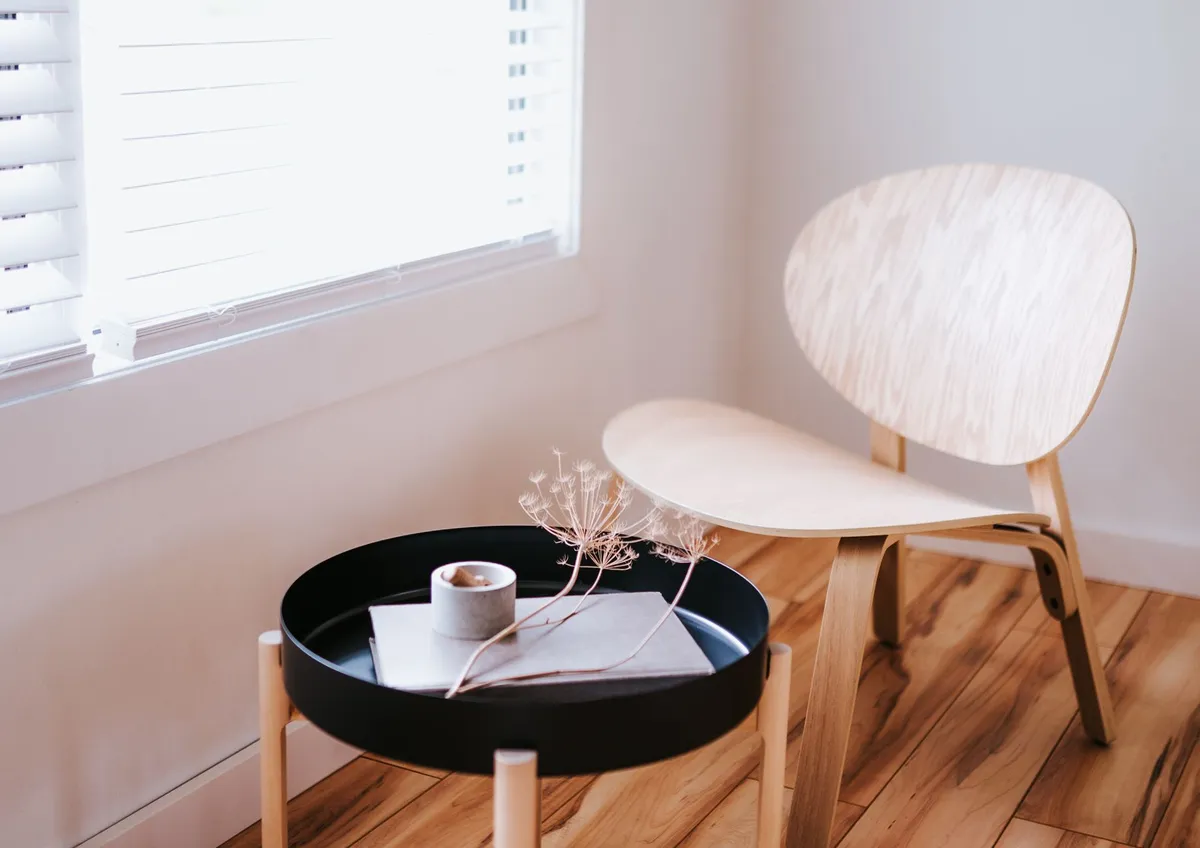
Japandi furniture occupies the sweet spot between the very low, floor-level character of Japanese interiors and the hygge-comfortable, human-scaled seating of Scandinavian rooms. The result is furniture that is:
- Low-profile but not floor-level: Platform beds that are closer to the floor than conventional Western beds but still elevated; sofas with low backs and short legs
- Clean-lined but not industrial: Simple forms without decorative surface detail, but in warm materials (natural wood, undyed linen) rather than metal or synthetic
- Crafted and slightly imperfect: The wabi-sabi element means slightly uneven grain in the wood, handmade joins that are visible, glazed ceramics that aren't perfectly uniform
- Multi-functional: Japandi rooms favor furniture that earns its floor space — storage ottomans, platform beds with drawers, bench seating that doubles as a shelf
Specific Japandi Furniture Choices
- Platform bed in light ash with clean-joinery headboard and built-in side shelf
- Low sofa with removable linen slipcover in warm ivory or oat
- A kotatsu-influenced coffee table — lower than Western standard, in natural wood
- Solid wood dining table with paired bench seating, in natural grain with matte oil finish
- Tansu-style storage cabinet with inset hardware in matte black
Materials and Textures
Material selection is where Japandi design does its most important work. The palette is narrow but the texture depth is rich:
- Natural wood: Unfinished, matte-oiled, or lightly lacquered — the grain should read clearly. Light-toned Scandinavian woods (oak, pine, birch) and darker Japanese woods (walnut, cedar, hinoki) are both legitimate choices; the key is picking one dominant wood tone per room and staying consistent
- Linen: The signature Japandi textile — naturally textured, matte, in undyed or lightly dyed form. Linen bedding, linen curtains, linen-covered cushions — all are quintessentially Japandi
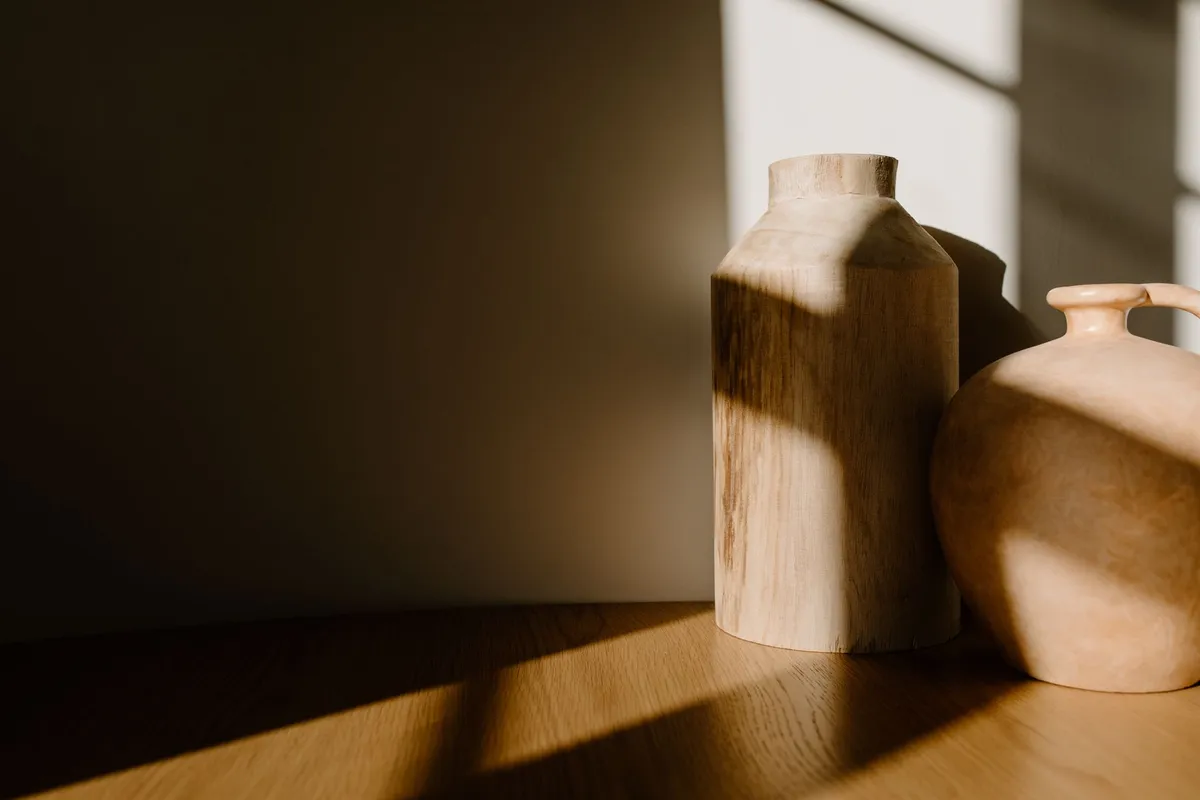
- Stone and ceramic: Matte-glazed ceramics in asymmetric forms, river stone slab for countertops and bathrooms, concrete in small applications
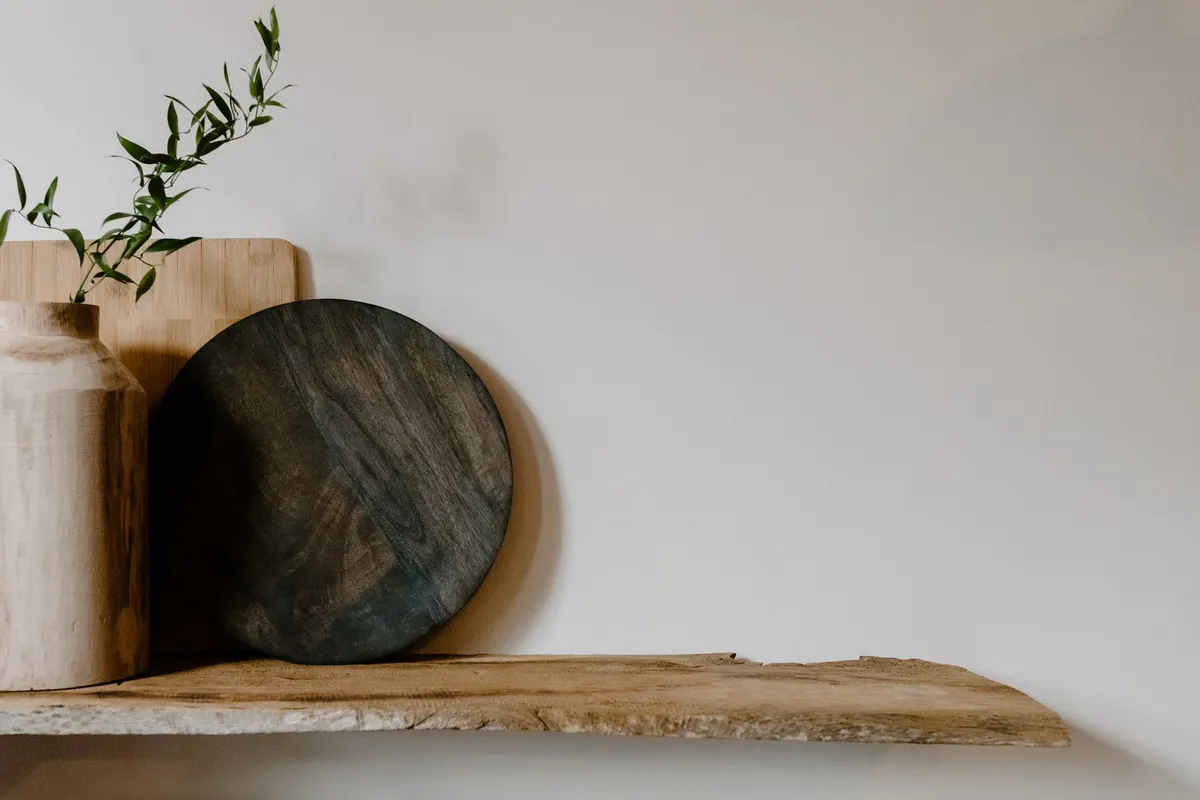
- Rattan and bamboo: Used sparingly as accent materials — a single rattan pendant light or bamboo tray prevents the space from becoming anonymous
- Wool: Natural wool rugs (particularly Beni Ourain-style in cream and ivory) and wool throws add the warmth and physical comfort that makes the space livable through winter
Lighting the Japandi Way
Lighting in Japandi interiors follows the Japanese preference for warm, diffused, indirect light rather than the bright, even overhead lighting common in Western rooms:
- Washi paper or rattan pendants: The most characteristic Japandi light fixture — organic material, warm diffused output, available in a wide range of sizes and forms
- Floor lamps with fabric shades that pool light downward near reading areas
- Minimal under-cabinet or recessed lighting in kitchens — directed task light rather than ambient floods
- Warm bulb temperature: 2700K maximum; 2200K for evening ambiance. Cool white lighting immediately breaks the Japandi mood
- Candles: The hygge contribution — ceramic or glass holders in simple forms, natural wax
Plants and Nature
Japandi brings nature inside with the same intentionality as Japanese zen design but allows slightly more volume than strict wabi-sabi would permit — because Scandinavian interiors have a long tradition of houseplants as winter light compensation:
- A single large-format plant — fiddle-leaf fig, olive tree, or Japanese maple in a ceramic pot — as a living focal point
- Small potted herbs or moss arrangements on kitchen windowsills
- Simple dry flower or branch arrangements in asymmetric ceramic vases
- A stone or ceramic bowl of river pebbles on a coffee table
Implementing Japandi in Any Home
Japandi is one of the most practically achievable styles for existing homes because it works with subtraction as much as addition. Start here:
- Edit first. Remove any decorative object that doesn't have genuine meaning or function. This alone moves most rooms significantly toward the Japandi aesthetic.
- Switch textiles to natural fibers. Replace polyester or synthetic-blend bedding, curtains, and cushion covers with linen, cotton, or wool equivalents in neutral tones.
- Change your lighting. Replace cool-white or bright-white bulbs with 2700K warm alternatives. Add one floor lamp. Remove the overhead fixture from regular use or add a dimmer.
- Add one organic material accent. A washi paper pendant, a ceramic vase, a linen throw — one genuinely natural object changes the register of a room.
- Paint walls a warm neutral. If you're going to paint, choose an off-white with a yellow or gray undertone rather than pure white.
Want to see what Japandi would look like in your specific room before making any changes? Try a free AI render at RoomRenovation.ai — the Japandi style preset applies the full aesthetic to your actual room photo in seconds. Or explore the broader Scandinavian style and modern minimalist options to understand where Japandi sits in relation to adjacent styles.
FAQ
Is Japandi the same as Scandinavian design? No — though they share significant overlap in their preference for natural materials, functional simplicity, and light colors. Japandi is warmer and slightly more asymmetric than pure Scandinavian design, incorporates Japanese aesthetic principles like wabi-sabi and ma (negative space), and tends toward slightly more muted, darker accent tones than the classic Scandinavian palette.
Can Japandi work in a home with children or a busy family? Yes, better than many minimal aesthetics. The Scandinavian hygge influence means Japandi rooms are designed to be genuinely comfortable and lived in, not museum-like. Natural materials like linen and wood are durable and age gracefully. The editing principle means fewer objects to manage, not necessarily a fragile or precious environment.
What's the difference between Japandi and Japanese zen design? Japanese zen design is philosophically more austere — it originates in Buddhist and Shinto principles that have no Scandinavian equivalent. Japandi softens zen's spartan qualities with Scandinavian warmth: slightly more furniture, slightly more comfort-oriented textiles, and a warmer color temperature. Japandi is more accessible as a lifestyle; pure zen is more of a philosophical commitment.
What are the best paint colors for a Japandi room? Sherwin-Williams Shoji White (SW 7042), Benjamin Moore White Dove, Farrow & Ball Elephant's Breath, and Behr Silver Drop are all reliable Japandi wall color choices. For accent walls, Farrow & Ball Mole's Breath, Benjamin Moore Gray Owl, or any warm sage green work well.