
Minimal Japanese Interior Design: Serenity in Simplicity
Create peaceful Japanese-inspired spaces with tatami, shoji screens, and minimal furniture. Achieve calm through intentional simplicity.
RoomRenovation.AI Team
Updated March 24, 2026
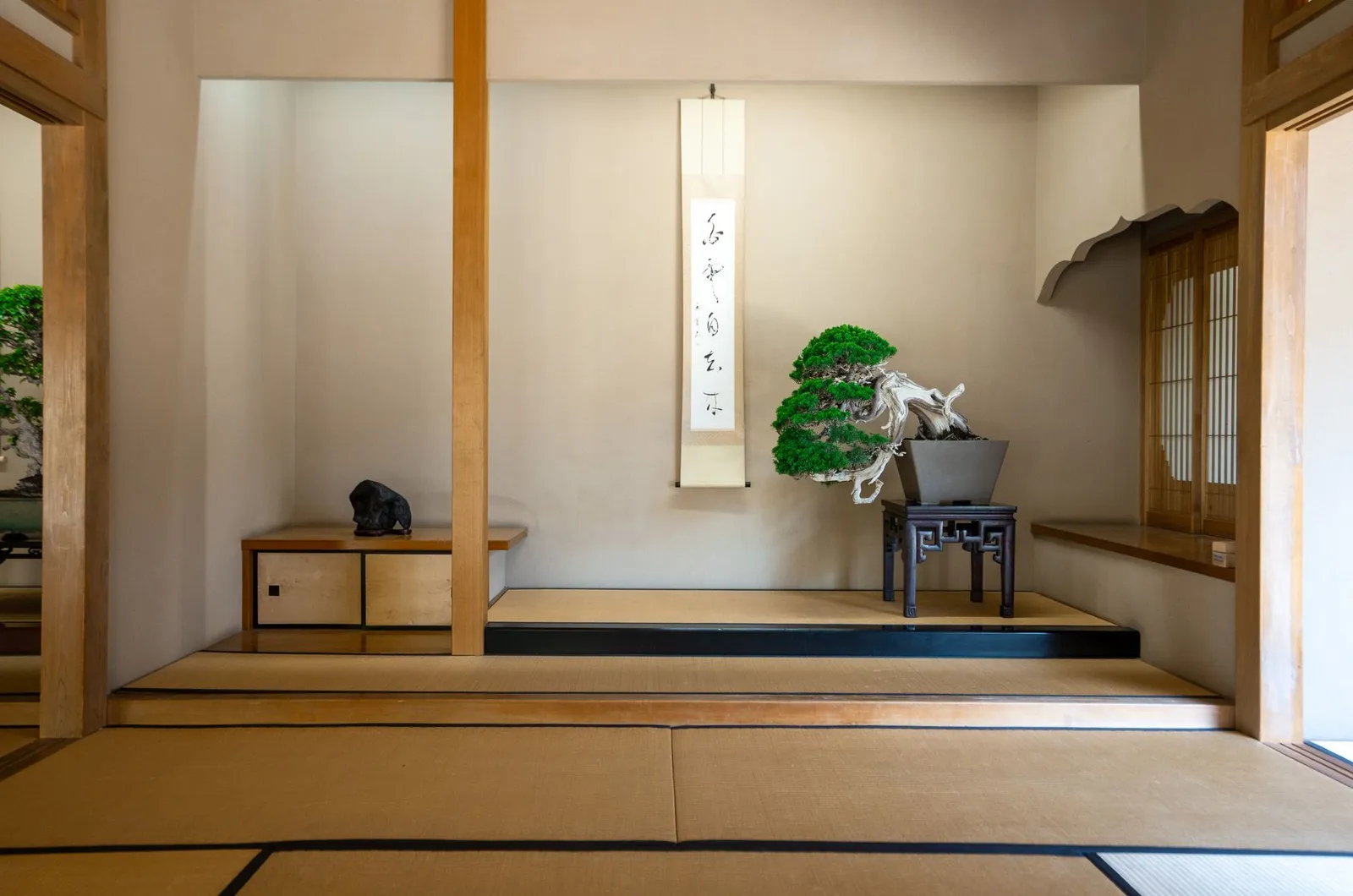
Minimal Japanese interior design is not a trend. It is the aesthetic expression of a philosophical tradition — wabi-sabi, ma, and mu — that has been refined over centuries in a culture where space has always been precious. Understanding what makes a Japanese interior genuinely serene, as opposed to simply bare, is the difference between a room that feels intentionally calm and one that feels as though the furniture delivery has not arrived yet.
The Philosophical Foundation
Three Japanese concepts shape authentic minimal Japanese interiors:
- Wabi-sabi: The beauty of imperfection, impermanence, and incompleteness. A hand-thrown ceramic bowl with an uneven rim, a wooden beam with visible grain variation, a linen cushion that wrinkles — these are not defects. They are the material registering its nature honestly.
- Ma: Negative space understood as presence rather than absence. The pause between notes in music. The empty corner of the room that gives the single object in the opposite corner its weight. Ma is why Japanese rooms can feel full when they are mostly empty.
- Mu: Nothingness as a positive quality. Relevant in interior design as the deliberate choice to leave a surface unoccupied, a wall bare, a shelf clear.
These are not aesthetic preferences that you bolt on with the right furniture purchases. They require a different relationship to objects and space — one where adding is the exception and editing is the default.
Key Architectural Elements
Shoji Screens
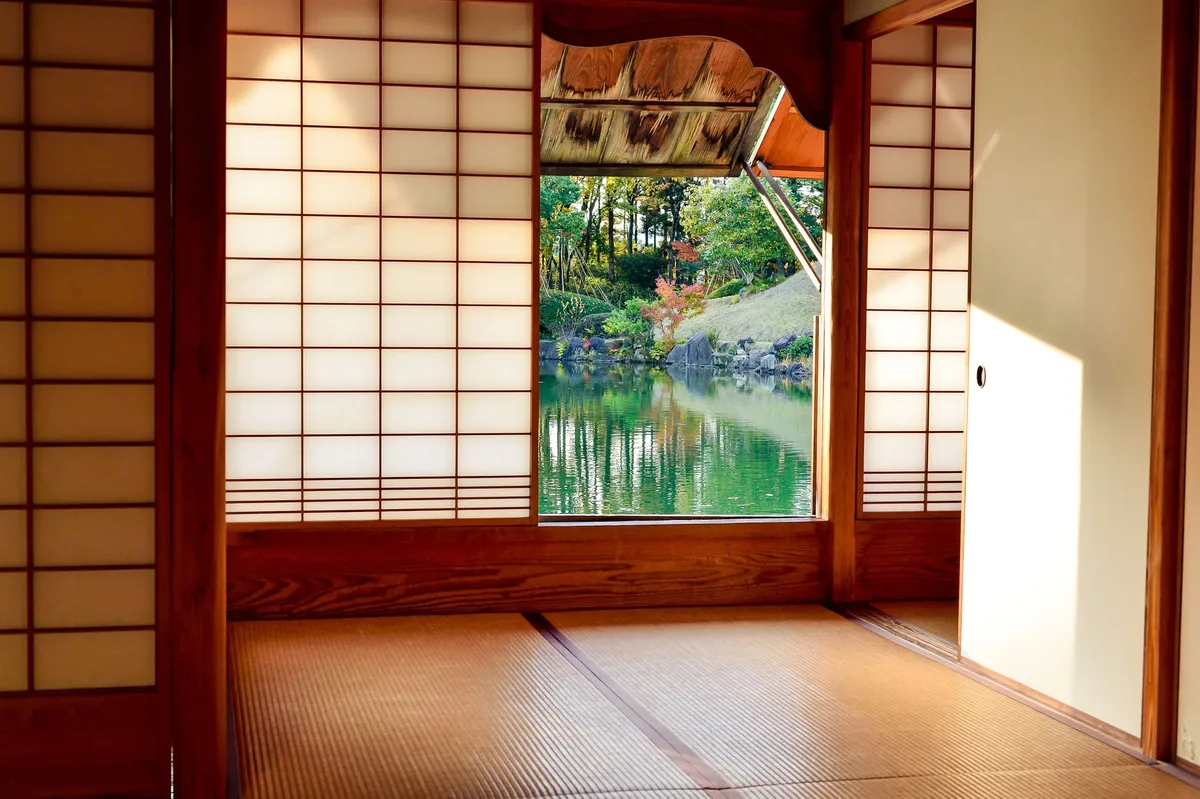
Shoji are sliding panels of translucent washi paper in a wood grid frame. They filter natural light while maintaining privacy, creating the diffused luminosity that is one of the most distinctive qualities of Japanese interior light. Authentic shoji panels are expensive ($400–$1,200 per panel for quality work), but their function — separating spaces without blocking light, filtering rather than excluding the outdoors — can be approximated with rice paper sliding panels available from specialty retailers.
Engawa
The engawa is the transitional veranda zone between interior and garden — a liminal space that is neither fully inside nor outside. In Western homes, this concept can inform how a sunroom, mudroom, or kitchen rear extension is designed: as a space that mediates between the hardness of the interior and the openness of the garden, with materials and light quality that belong to neither extreme entirely.
Tokonoma (Alcove)
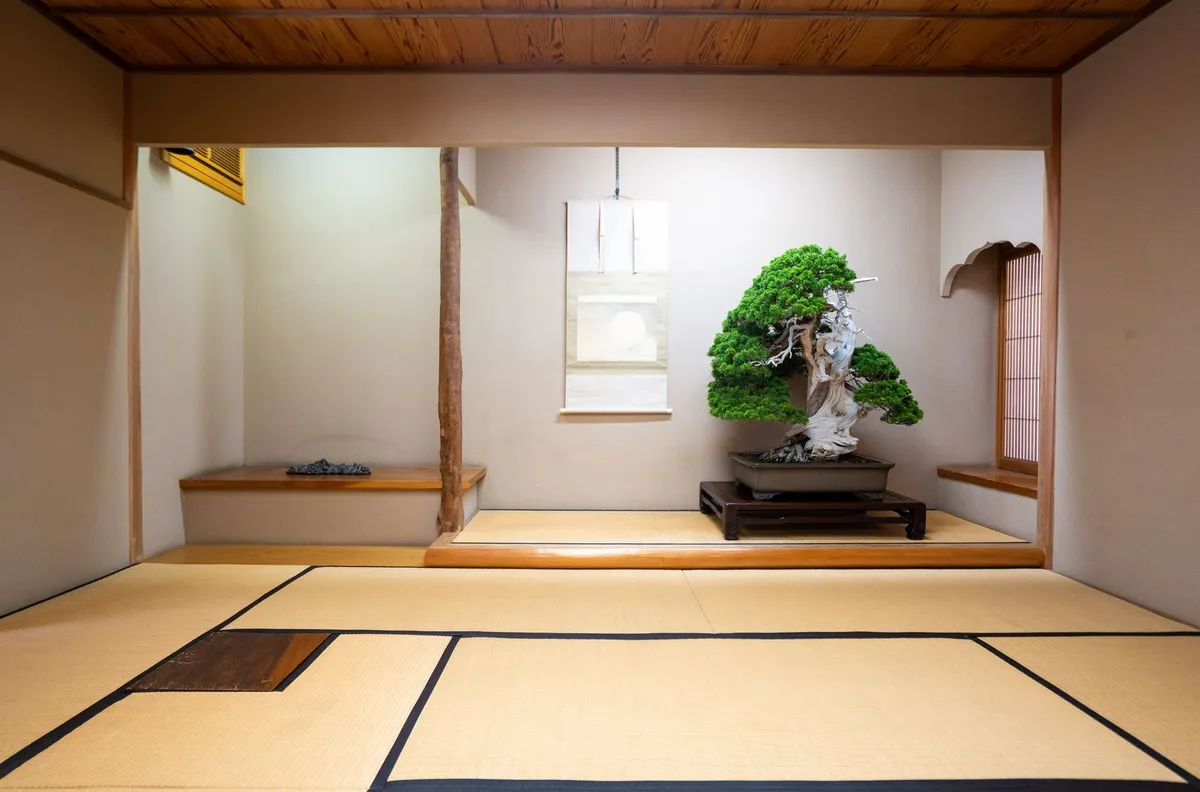
The tokonoma is a recessed alcove in the main room that functions as the room's contemplative focal point. It typically displays a hanging scroll, a single flower arrangement (ikebana), and perhaps one ceramic piece. The principle translates to Western rooms as a deliberate display zone — a niche, a mantel section, a single wall section — where one or two carefully chosen objects are given space to be seen fully.
Materials That Define the Aesthetic
Japanese minimalism relies on a specific material vocabulary. Using these materials is the fastest way to approach the aesthetic authentically:
- Hinoki (Japanese cypress): Pale, fine-grained wood with a clean, slightly medicinal scent used for furniture, flooring, and paneling. Its Western equivalent is clear vertical-grain fir or lightly finished white oak.
- Washi (Japanese paper): Used in screens, lampshades, and wall panels. It transmits light with a softness that no synthetic material replicates.
- Tatami: Rush grass mats with a distinctive grid pattern that simultaneously provides flooring, seating, and spatial organization. Contemporary tatami panels can be used as area rugs in Western rooms without the traditional sleeping-on-the-floor arrangement.
- River stone and smooth pebble: Used in garden-adjacent spaces, entry areas, and bathrooms as grounding elements that bring natural texture without pattern complexity.
- Raw linen and unbleached cotton: Textile colors in off-white, natural flax, pale stone, and muted sage. Nothing synthetic, nothing high-sheen.
Color Palette
The Japanese minimalist palette is narrow and deeply naturalistic. The dominant hues reference seasons and landscapes:
- Shiro (white): The neutral ground of walls and textiles. Not the blue-white of modern minimalism — a warm, aged white or cream.
- Moku (natural wood): The warmth layer from flooring and furniture. Pale, not orange; clear-finished, not stained.
- Heki (sage or celadon): A muted green that references bamboo and pine. Used as an accent, not a dominant.
- Sumi (charcoal ink): Deep gray-black for architectural lines, hardware, and occasional decorative objects.
Furniture and Object Selection
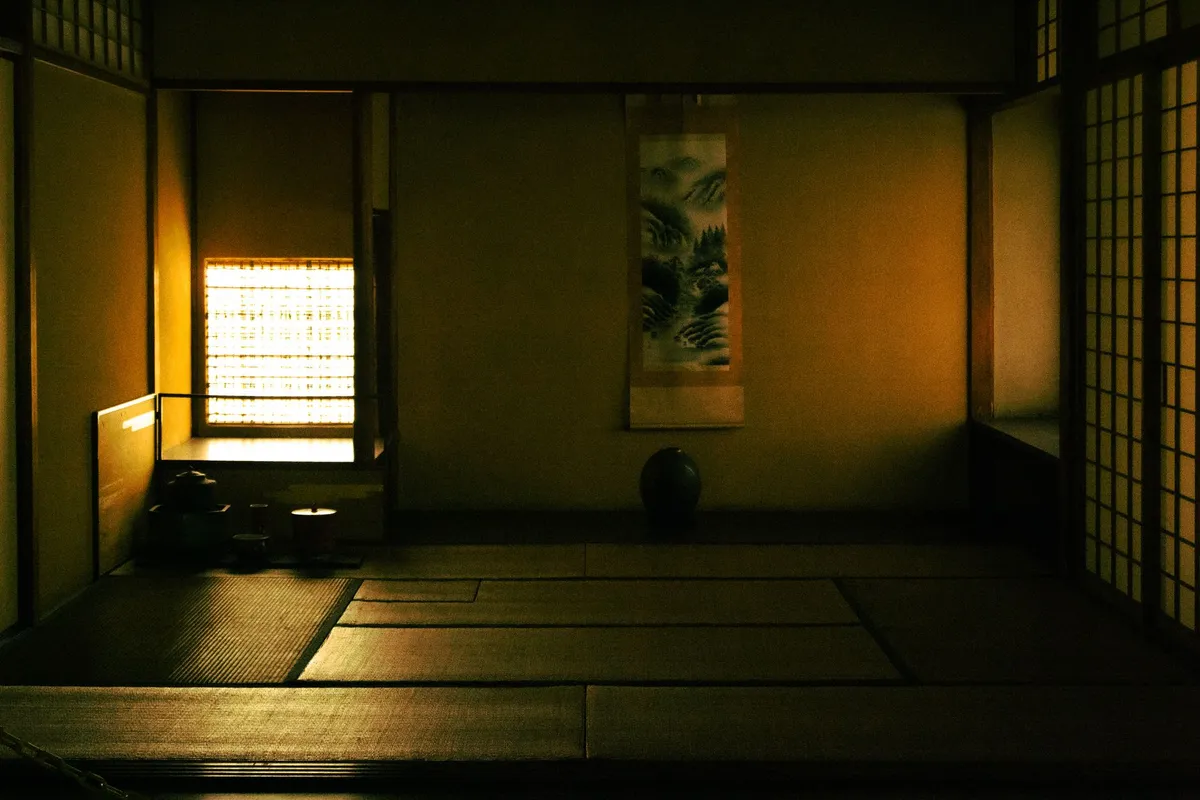
Japanese interior furniture sits close to the ground — low tables (chabudai), floor cushions (zabuton), and low platform beds (with futon or a low mattress) — for practical reasons that relate to the tatami floor culture. In Western homes adopting the aesthetic, this principle translates to lower-slung furniture throughout: platform bed frames at 6–10 inches, low-profile sofas at 14–16 inch seat heights, coffee tables at 12–14 inches.
Objects are chosen for form honesty: a ceramic piece that shows the mark of the maker's hands, a wooden tray that shows grain and joinery, an iron teapot that oxidizes honestly over time. Anything that performs a function beyond its physical presence — a decorative object with no use — earns its place only if its form is exceptional.
Lighting for Japanese Minimalism
Avoid harsh, direct overhead lighting. Japanese minimalist spaces use diffused and directional light as separate layers:
- Natural light filtered through washi screens or translucent panels as the primary daytime source.
- Warm low-output pendant lights (paper or linen shade, bulb at 2200–2700K) for evening ambient light.
- Small accent spots on the tokonoma or display alcove — a directed beam that illuminates the object rather than flooding the space.
- Candles or low wattage table lamps for intimate moments. No smart lighting effects or color-changing bulbs.
Adapting Japanese Minimalism for Western Homes
You do not need to commit to floor seating or tatami to achieve a Japanese-influenced interior. The transferable principles are:
- Reduce object count until each remaining piece has presence.
- Use natural materials exclusively — no synthetic surfaces in prominent positions.
- Designate one deliberate display focal point and edit everything else away from it.
- Prioritize diffused natural light and warm, low-level artificial light.
- Lower the furniture sightline throughout the room.
Test how a Japanese or Japandi direction looks in your specific room by uploading a photo to the free render tool. The design dashboard lets you compare a Japanese minimal render against a Scandinavian or modern minimalist interpretation of the same space, which is useful because the three aesthetics overlap in palette but differ significantly in material and object relationships.
Room-by-Room Applications
Living Room
A single low sofa, one low coffee table, one considered art piece or ceramic. No decorative accessories on surfaces. One plant (ideally a bonsai or small-leafed species in a handmade ceramic pot). Natural fiber rug in a tone close to the floor. See the living room guide for design examples.
Bedroom
Platform bed with natural linen or cotton bedding in white or cream. No headboard, or a simple upholstered panel. One or two objects on the bedside surface — nothing more. Blackout washi-style panel or linen roller shade at the window. See the bedroom guide for style-specific renders.
Bathroom
Natural stone or large-format concrete tile. Wooden stool or bench. Handmade soap dish. Hinoki bath accessories if budget allows. A single branch or flower in a ceramic vase. Nothing synthetic visible.
FAQ
What is the difference between Japanese minimalism and Japandi? Japandi blends Japanese minimalism with Scandinavian hygge — it is slightly warmer and more textile-rich than pure Japanese minimalism, and more likely to include a functional piece of Scandinavian furniture alongside Japanese objects. Japanese minimalism is stricter in its material honesty and lower in object count.
Do I need to buy Japanese furniture to achieve this aesthetic? No. The aesthetic is about proportion, material quality, and object restraint — not geographic origin. Good Scandinavian or contemporary furniture with low proportions and natural material surfaces reads as entirely compatible with Japanese minimal design.
How do I handle storage in a minimal Japanese interior? Built-in storage concealed behind flat panel doors is the solution. Visible clutter breaks the aesthetic immediately. Closets, under-platform-bed storage, and concealed cabinetry handle all the objects that daily life requires without them competing visually with the room's considered elements.
Is Japanese minimalism suitable for families with children? The object-restraint principle is challenging in practice with children, but the material choices (durable natural materials, easily cleaned surfaces, low furniture proportions that children can use safely) are family-compatible. Focus the aesthetic on adult spaces like the primary bedroom and living room rather than children's zones.
What is the best way to test this aesthetic before committing? Upload a photo of your room to the free AI render tool and see how a Japanese or Japandi direction translates to your specific proportions, light, and existing fixed elements. This is far more reliable than inspiration boards, which rarely feature your room's ceiling height or window placement.