
Garage Renovation Ideas: From Storage to Living Space
Transform your garage into a functional space with workshop areas, home gyms, or additional living space. Complete renovation guide.
RoomRenovation.AI Team
Updated March 24, 2026
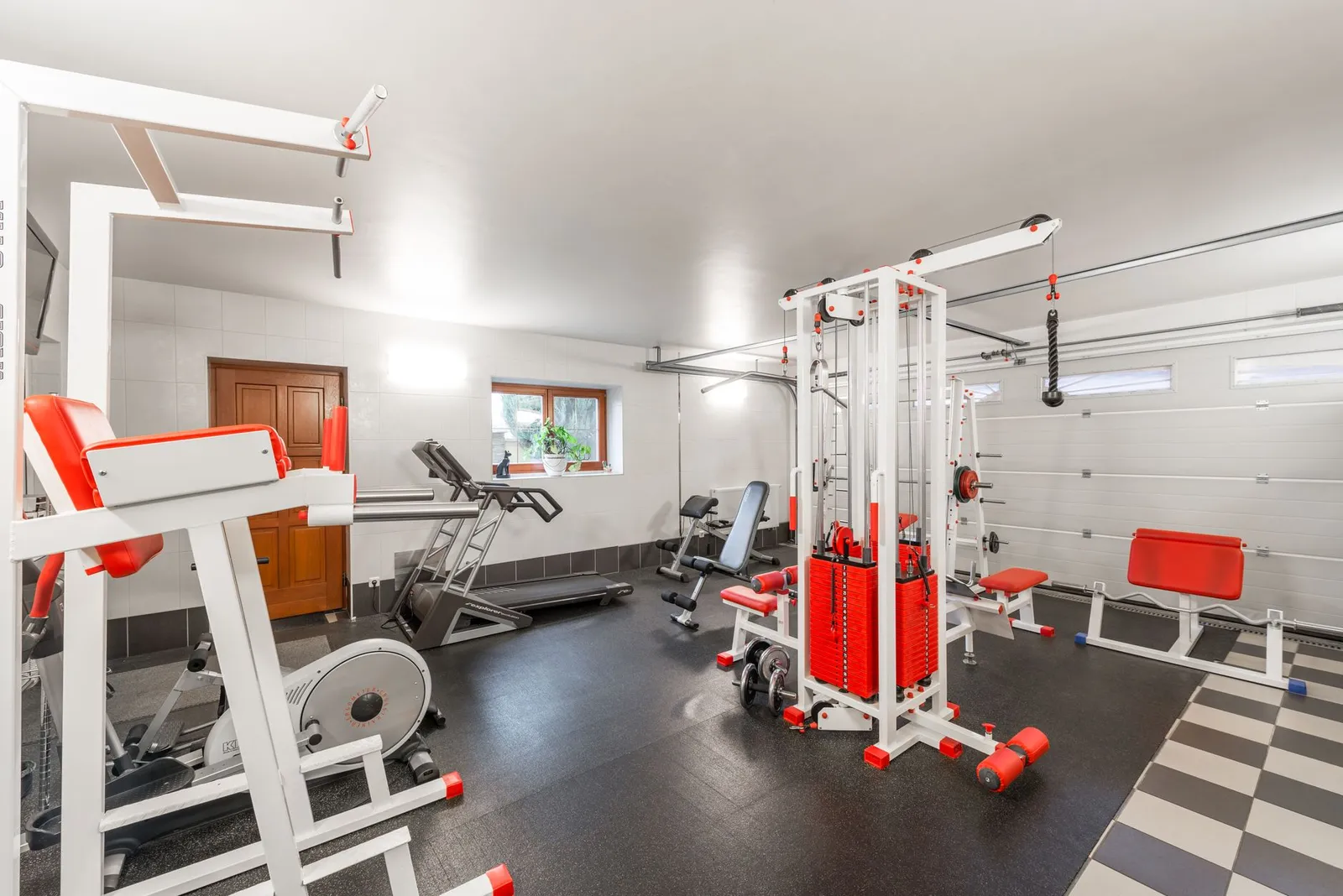
The garage is the most under-leveraged space in the typical American home. A two-car garage represents 400–600 square feet of climate-adjustable, structurally sound, electrically wired space that most households use primarily to store things they rarely access and park vehicles they could leave in the driveway. Converting or renovating that space — even partially — can add a functional room that would cost $80,000–$150,000 to build as an addition.
The renovation approach depends on whether you are converting the garage to a fully enclosed living space, creating a functional workshop or studio while retaining vehicle access, or somewhere between those two extremes. Each path has different permitting requirements, insulation needs, and design challenges.
Full Garage Conversion to Living Space
A full conversion transforms the garage into a habitable room — bedroom, home office, studio apartment, or living space — that is heated, finished to the same quality standard as the main house, and accessible internally. This is the highest-value conversion option but also the most regulated.
Permitting and Code Requirements
Most municipalities require a building permit for full garage conversions, and the resulting space must meet habitable room standards: minimum ceiling height (typically 7 feet), egress window (for sleeping rooms), insulation values, ventilation, and electrical to residential code. Converting a garage to an ADU (accessory dwelling unit) adds additional requirements around separate entrance, kitchen facilities, and sometimes parking replacement.
California, Oregon, and Washington State have the most permissive ADU regulations, while many other jurisdictions are actively updating their codes to make accessory dwelling conversions more practical. Check local requirements before designing.
Structural Considerations
Garage floors are typically poured concrete 4–6 inches below the main house floor level. This height difference needs addressing — either by raising the garage floor (expensive) or by using the difference creatively (a workshop step down, or a sunken den). Garage walls are often uninsulated 2x4 wood frame; insulating and drywalling them is straightforward. The garage door opening is replaced with a framed wall with windows and door.
Garage as Home Gym
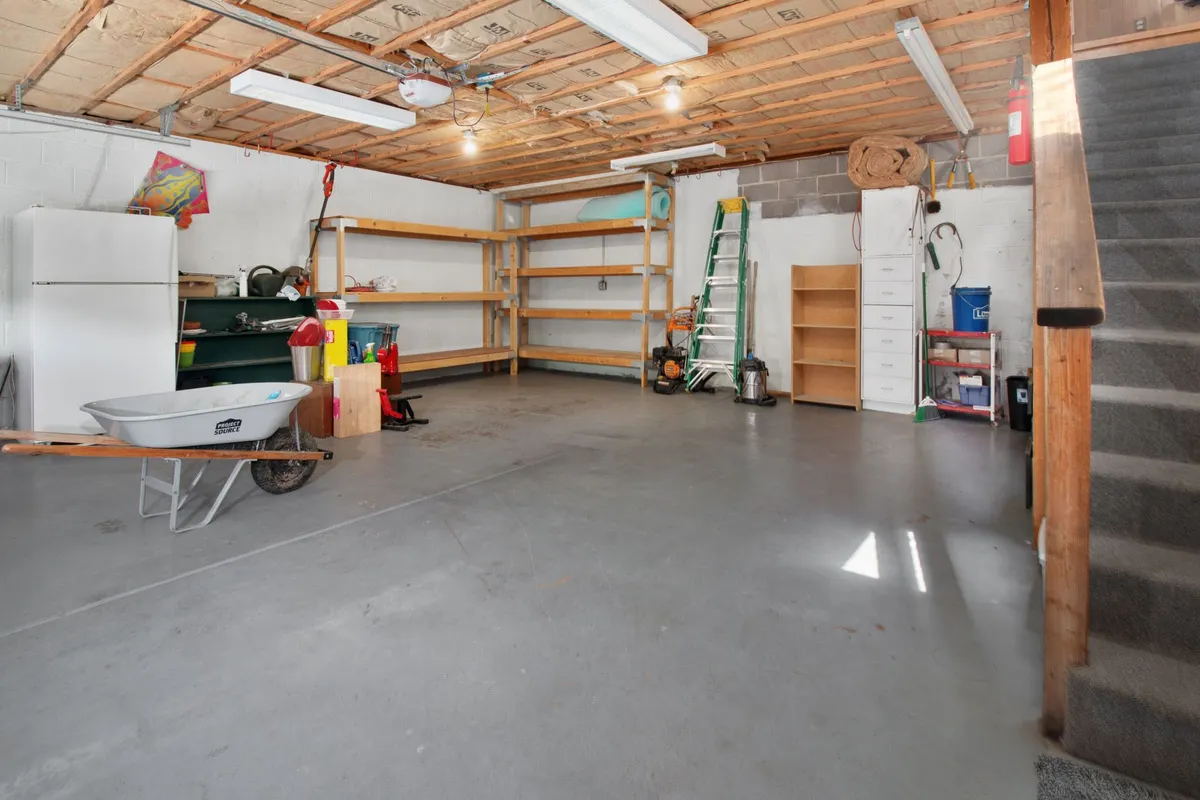
The home gym conversion is the most popular garage renovation option and for good reason: garages have the ceiling height, durable concrete floors, and existing electrical service that gym equipment requires. They typically do not require a full habitable room permit — check with your local building department, but in most jurisdictions a garage gym with rubber flooring, wall mirrors, and added HVAC registers does not trigger the full residential code conversion requirements.
Flooring
Rubber interlocking tiles (3/4 inch or 1 inch thick) are the gym standard. They protect the concrete, absorb impact from dropped weights, reduce noise transfer, and are easy to install and replace. Cost: $2–$4 per square foot, or $600–$1,200 for a typical one-car bay. Avoid vinyl flooring for weight areas — it is not durable enough.
Climate Control
Garages are notoriously temperature-extreme: hot in summer, cold in winter. A ductless mini-split is the most practical addition — it provides both heating and cooling in one unit with a single 3-inch exterior penetration. Cost: $1,500–$3,500 installed for a single-zone unit appropriate for a one-car bay gym.
Equipment Layout
Plan the layout before buying equipment. A one-car bay (roughly 10x20 feet) accommodates: one power rack with barbell, a bench, cable machine, and open floor space for functional training if planned carefully. A two-car bay (20x20) allows a full equipment package including cardio machines.
Garage Workshop
A workshop conversion retains the garage door (useful for large project access and ventilation) while transforming the interior with work benches, dust collection, organized tool storage, and appropriate lighting. This is the most compatible use with occasional vehicle parking because the setup is reversible and the door remains functional.
Lighting for Workshop Quality
Workshop lighting needs to be bright and shadow-free. LED shop lights (4-foot linked fluorescent-style LED panels) hung at 8–9 feet above the floor provide even illumination without the hot spots of single point sources. A 20x20 foot garage needs at least 8–10 of these panels for comfortable working light. Add a focused task light over the main work bench.
Storage Systems
Vertical space is the workshop's asset. French cleat wall systems allow flexible tool storage at any height and are infinitely rearrangeable as your tool collection evolves. Add a deep base cabinet run along one wall for hardware, finishes, and power tools. Overhead ceiling storage on motorized lifts works well for seasonal items and materials that do not need frequent access.
Garage as Home Office or Studio
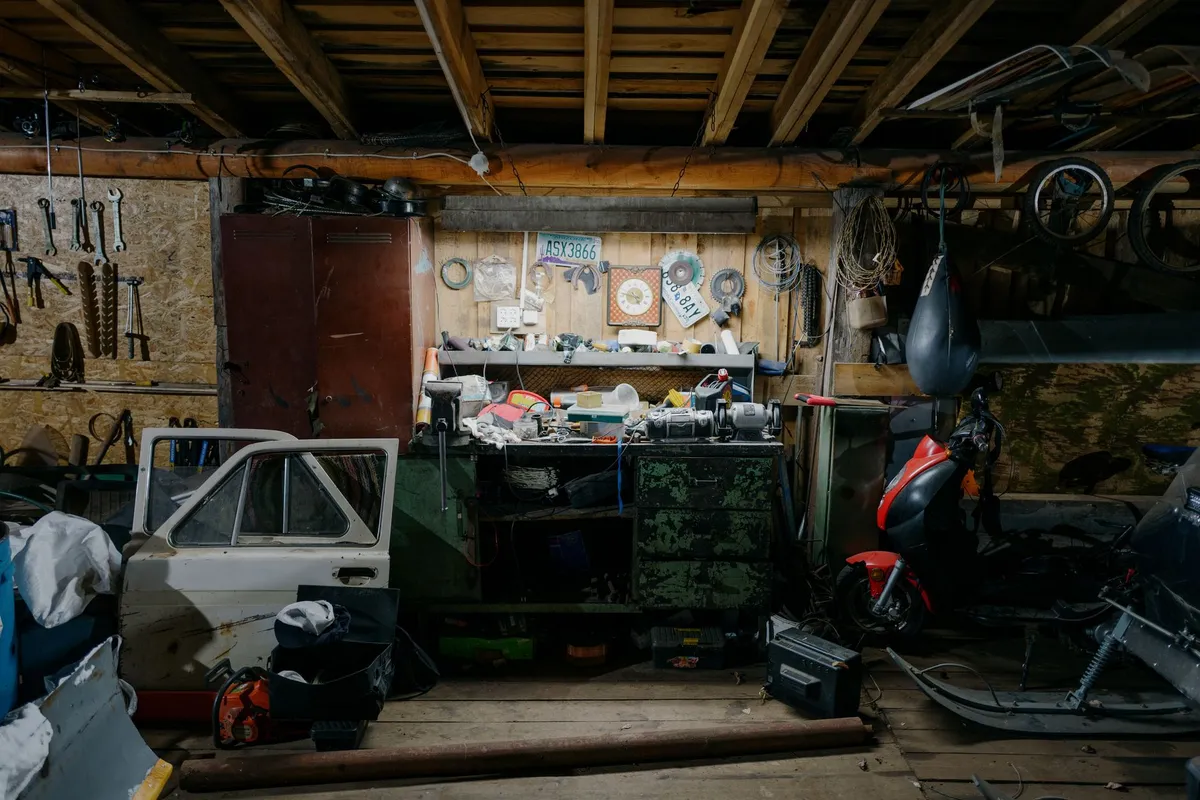
The detached or attached garage that is converted to a home office provides the separation from household activity that in-house offices often cannot. Acoustically, a well-insulated garage is quieter than any interior room. The visual separation of walking through a door or across a short path to reach a workspace improves the psychological separation between work and home life significantly.
Insulation Priority
For a comfortable all-season office, the garage envelope needs proper insulation: R-13 in 2x4 walls (or R-15 in 2x4 walls with high-density batt), R-30+ in the ceiling/roof, and an insulated garage door if it is retained or a well-insulated wall assembly if the door opening is filled. Uninsulated garages in most US climates are uncomfortable to work in for more than 4 months per year.
Internet and Power
Run a dedicated Cat6 line from the house network switch to the garage during construction rather than relying on Wi-Fi. Wireless mesh extends to garages but adds latency and reliability risk. Add at least 2–3 additional duplex outlets beyond code minimum — office environments benefit from generous power provision.
Visualizing Your Garage Renovation
Most garage renovation decisions happen at the planning stage, when the space is still an empty box and it is hardest to visualize what it could become. AI room design tools change this: upload a photo of your current garage to the free render tool and see it transformed into a gym, office, or workshop in photorealistic detail. For comparing two or three different conversion concepts before committing to construction costs, the full design dashboard supports multiple renders of the same space in different configurations.
You can also explore the examples gallery for functional space transformations and reference the living room renovation cost guide for comparison to full-house renovation alternatives.
Budgeting a Garage Renovation
- Basic gym conversion (rubber flooring + mini-split + mirrors): $4,000–$8,000
- Workshop conversion (workbenches + lighting + storage): $6,000–$15,000
- Finished home office (insulation + drywall + HVAC + flooring + electrical): $20,000–$40,000
- Full ADU conversion with kitchen and bathroom: $60,000–$120,000
FAQ
Do I need a permit to convert my garage? For a full habitable room conversion, yes — in virtually all jurisdictions. For a gym or workshop that retains the garage door and does not involve plumbing or HVAC ducting, permit requirements vary widely. Always check with your local building department before starting work.
Will a garage conversion hurt my home's resale value? It depends on the market. In areas with high parking demand, eliminating covered parking can negatively affect resale. In suburban areas where street parking is ample and square footage commands a premium, a well-executed conversion adds value. An ADU conversion adds significant value in markets with housing demand.
How do I insulate a garage for year-round use? Spray foam on the walls and ceiling provides the best air-seal and insulation combination in a garage conversion. Rigid foam + drywall is an effective alternative. The garage door is typically the biggest thermal weak point; if retaining it, upgrade to an insulated door with a U-factor of 0.25 or better.
Can I convert an attached garage while living in the house? Yes. The work is contained to the garage space, and most conversions do not require shutting down house systems. Exceptions are when significant electrical upgrades, new HVAC connections, or structural work involves shared walls or the main panel.
What is the best flooring for a converted garage? For gym use: rubber tiles. For workshop use: sealed or epoxy-coated concrete. For office or living space: luxury vinyl plank or engineered hardwood over a self-leveling concrete skim coat and vapor barrier. Avoid standard hardwood directly on concrete — the moisture risk is too high without the proper substrate assembly.