
Sustainable and Eco Interior Design: Green Choices for Beautiful Spaces
Eco-friendly interior design with sustainable materials, low-VOC paints, and circular furniture. See how green design does not compromise on style or quality.
RoomRenovation.AI Team
Updated March 24, 2026
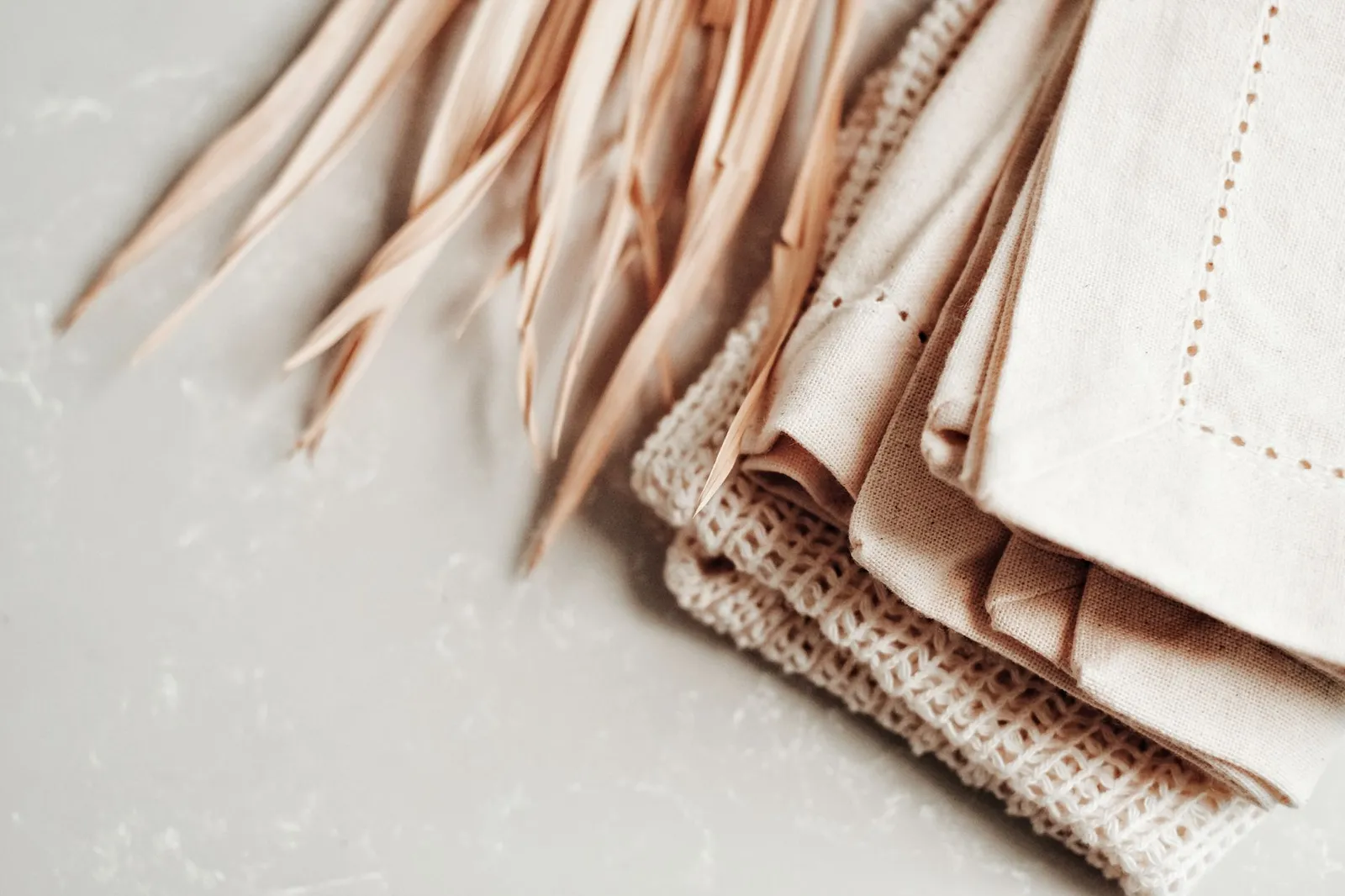
Sustainable interior design has graduated from a niche preference to a mainstream design priority — not because homeowners have become more idealistic, but because the quality, availability, and cost of eco-friendly materials have finally caught up with conventional alternatives. In 2026, you don't have to sacrifice aesthetics to design a low-impact interior. In many cases, sustainable materials look better and last longer than their conventional equivalents.
What Makes Interior Design Truly Sustainable?
Sustainability in interiors is a spectrum, not a binary. The most impactful decisions — in rough order of environmental significance:
- Longevity: The most sustainable choice is furniture and materials that don't need replacing. A solid oak dining table that lasts 50 years has a lower lifetime footprint than five cheap replacements.
- Material sourcing: Where the material comes from and how it was produced. FSC-certified wood, organic cotton, and recycled content materials have lower upstream impact.
- Off-gassing and VOCs: Many conventional paints, adhesives, and composite wood products release volatile organic compounds (VOCs) into interior air for months or years. Low-VOC and zero-VOC alternatives are now widely available at equivalent cost.
- Embodied carbon: The carbon cost of manufacturing, transporting, and installing a material. Local sourcing dramatically reduces this; long-haul shipping of heavy materials (stone, steel) carries a significant carbon cost.
- End of life: Materials that can be recycled, composted, or repurposed create circular value rather than landfill.
Sustainable Flooring Options That Actually Look Good
Reclaimed Hardwood
Reclaimed wood flooring from demolished barns, factories, and warehouses is among the most sustainable flooring choices available — and arguably the most beautiful. Old-growth timber reclaimed from pre-20th century structures has grain density and character that new-growth wood simply can't match. Cost: $8–$20 per square foot, comparable to premium new hardwood.
Bamboo
Bamboo matures in five to seven years versus 25–50 years for hardwood trees, making it a genuinely renewable flooring material. Strand-woven bamboo is harder than most hardwoods and performs well in high-traffic areas. Avoid low-quality bamboo that uses formaldehyde-heavy adhesives — look for CARB Phase 2-compliant or GREENGUARD-certified products.
Cork
Harvested from the bark of cork oak trees without felling them (the bark regrows), cork is one of the few genuinely renewable hard flooring materials. It's naturally antimicrobial, sound-absorbing, and comfortable underfoot. Modern cork flooring in click-lock formats is significantly more attractive than the dated cork tiles of the 1970s.
Polished Concrete
Where a concrete slab already exists, polishing it requires no new material extraction. Sealed and polished to a smooth finish, existing concrete provides a durable, modern, zero-additional-material flooring solution.
Sustainable Paint: Low-VOC and Natural Finishes
Conventional paints contain VOCs — solvents that evaporate into room air as paint cures and for months afterward. In a freshly painted interior, VOC levels can be 10–50 times higher than outdoor air. Low-VOC (under 50g/L) and zero-VOC (under 5g/L) paints have improved dramatically in quality and are now available from all major manufacturers:
- Benjamin Moore Natura (zero-VOC, full color range)
- Sherwin-Williams Harmony (zero-VOC, odor-eliminating technology)
- ECOS Paints (truly zero-VOC, including tints)
- Portola Paints (limewash and Roman clay — natural mineral finishes)
Limewash and natural clay paints are inherently low-emission, provide excellent breathability for walls, and create textural depth that conventional paint doesn't. They're experiencing a significant style moment in 2026 for reasons of both sustainability and aesthetics.
Sustainable Furniture: New, Reclaimed, and Circular
New Sustainable Furniture
Look for FSC-certified solid wood, GREENGUARD-certified upholstered pieces, and furniture made from recycled or reclaimed materials. Brands like Medley, Vermont Woods Studios, and Ethan Allen's sustainability line manufacture in controlled environments with certified materials. Expect to pay 20–40% more than mass-market furniture — offset by longer functional life.
Vintage and Pre-Owned
The most sustainable piece of furniture is one that already exists. Vintage and pre-owned furniture from estate sales, consignment shops, and online marketplaces (Chairish, 1stDibs, Facebook Marketplace) requires no new material extraction. Well-built mid-20th century pieces in solid wood often outlast any new furniture at the same price point.
Reupholstering Existing Pieces
A structurally sound sofa or chair with worn upholstery is a candidate for reupholstering rather than replacement. Local upholsterers typically charge $600–$1,500 to reupholster a sofa in client-supplied fabric — often competitive with the cost of a new mid-range piece while preserving the solid frame of a better-quality original.
Natural Textiles and Their Sustainability Profiles
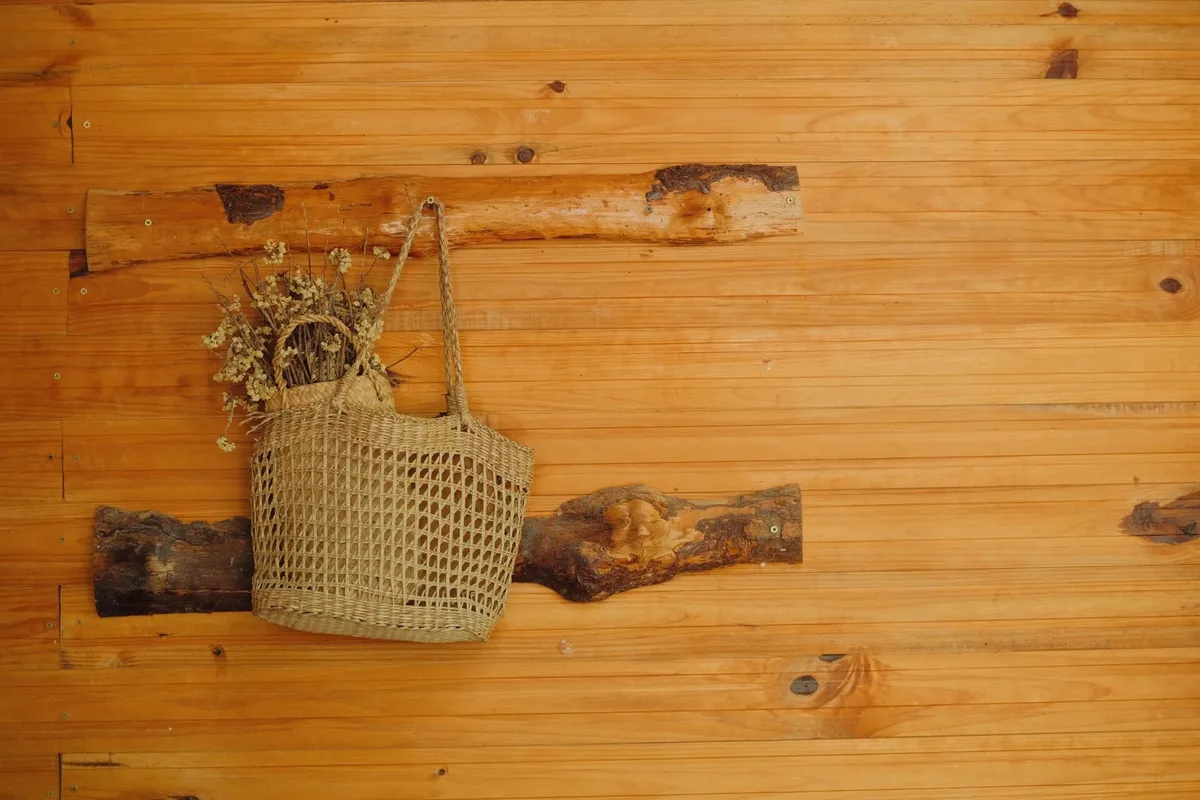
Textile choices matter across the surface area of a room:
- Organic cotton: Conventional cotton uses significant pesticide inputs. GOTS-certified organic cotton uses no synthetic pesticides and far less water.
- Linen: Made from flax, linen requires very little water and no pesticides in standard cultivation. It's naturally durable, becomes softer with use, and biodegrades at end of life.
- Wool: A renewable protein fiber with natural fire resistance, acoustic properties, and humidity regulation. Look for mulesing-free or certified humane-treatment sources.
- Recycled polyester: Upholstery fabrics made from recycled PET bottles reduce virgin plastic demand. Suitable for curtains, cushion covers, and performance upholstery.
- Hemp: One of the lowest-input textile crops, hemp fabric is durable, naturally antimicrobial, and increasingly available in sophisticated weaves suitable for upholstery and drapery.
Biophilic Elements: Plants and Natural Materials
Living plants are the most literal expression of sustainability in an interior — they absorb CO₂, increase humidity, and demonstrably improve air quality and psychological wellbeing. Effective incorporation:
- Statement indoor trees: Fiddle leaf figs, olive trees, and rubber trees work as visual anchors in living rooms.
- Trailing plants for shelving: Pothos, heartleaf philodendron, and golden pothos require minimal maintenance and fill vertical space.
- Kitchen herbs: A countertop herb garden in a south-facing kitchen window is simultaneously practical, visually appealing, and genuinely useful.
- Moss walls: Preserved moss panels require no watering, no light, and no maintenance while providing strong biophilic visual impact.
Visualizing a Sustainable Transformation
One advantage of AI visualization is that it allows you to preview sustainable material choices — natural plaster walls, cork flooring, woven linen curtains — before committing to purchase. Use RoomRenovation.ai's free room render to see how natural and sustainable materials look in your actual space. If you're planning a larger renovation, the bathroom and kitchen renovation cost guides include sustainable material alternatives at each price point.
FAQ
Does sustainable furniture actually cost more? At the point of purchase, yes — certified sustainable furniture typically costs 20–50% more than mass-market alternatives. Over a five- to ten-year period, the math often reverses: a well-built piece in solid FSC wood requires no replacement, whereas a cheap particle-board equivalent may need replacing twice. The sustainable choice is frequently cheaper over its lifetime.
What's the most impactful single sustainable change in an interior? Switching to zero-VOC paint has the highest immediate health impact in an existing home, and the cost difference over conventional paint is minimal. For renovations, choosing solid wood furniture over particle-board alternatives has the highest combined durability and carbon impact over time.
Are there sustainable wallpaper options? Yes. Grasscloth wallpaper (made from natural grass fibers on rice paper backing) is biodegradable and has low chemical content. Farrow & Ball's wallpapers are water-based and solvent-free. Sustainably harvested cork wallpaper is also available and provides additional sound insulation.
Can sustainable design look modern, not "crunchy"? Absolutely. The best sustainable interiors in 2026 are indistinguishable from conventional luxury interiors — polished concrete floors, limewash walls, linen upholstery, solid oak furniture, and brass hardware are all sustainable choices that align perfectly with contemporary design trends. The "rough and earthy" sustainable aesthetic is one option, not a requirement.
How do I find out if specific furniture is genuinely sustainable? Look for third-party certifications: FSC (wood sourcing), GREENGUARD Gold (low chemical emissions), GOTS (organic textile), and Cradle to Cradle (circular design). Self-reported "eco-friendly" claims without certification are marketing, not assurance. Brands that publish material transparency reports are more credible than those that don't.