
Art Nouveau Interior Design: Flowing Lines and Nature
Master Art Nouveau with organic curves, nature-inspired motifs, and elegant asymmetry. Create sophisticated, artistic spaces.
RoomRenovation.AI Team
Updated March 24, 2026
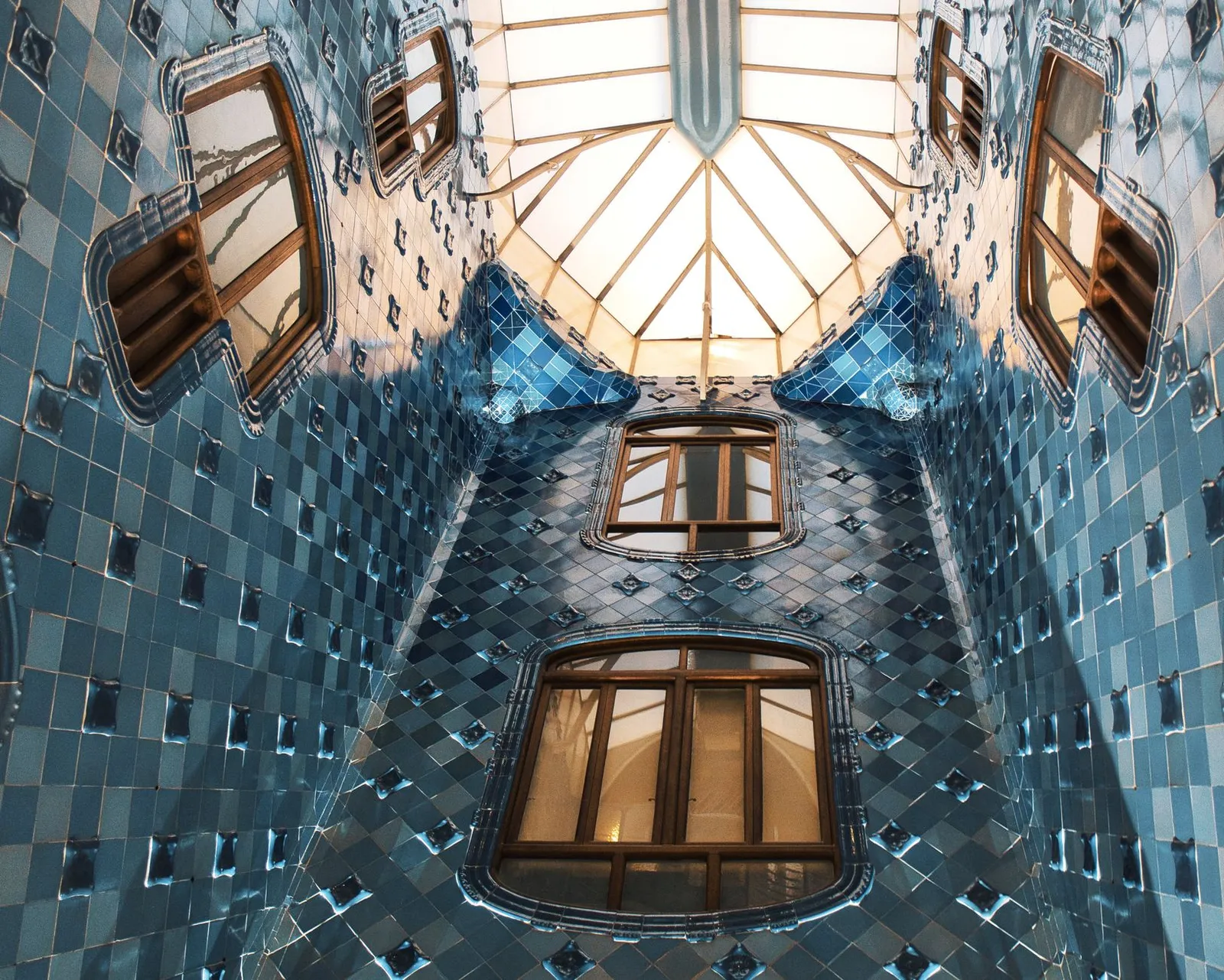
Art Nouveau interior design is among the most distinctive and immediately recognizable movements in design history — and one of the most misunderstood when it comes to residential application. Born in the 1890s and peaking in the decade before World War I, Art Nouveau rejected the historical pastiche of Victorian design in favor of something radical: organic forms drawn from nature, expressed through materials and craftsmanship that were honest about their construction. The result was a style as sensuous as any in design history, and one that translates into contemporary homes with striking results when applied thoughtfully.
The Core Principles of Art Nouveau Design
The Whiplash Line
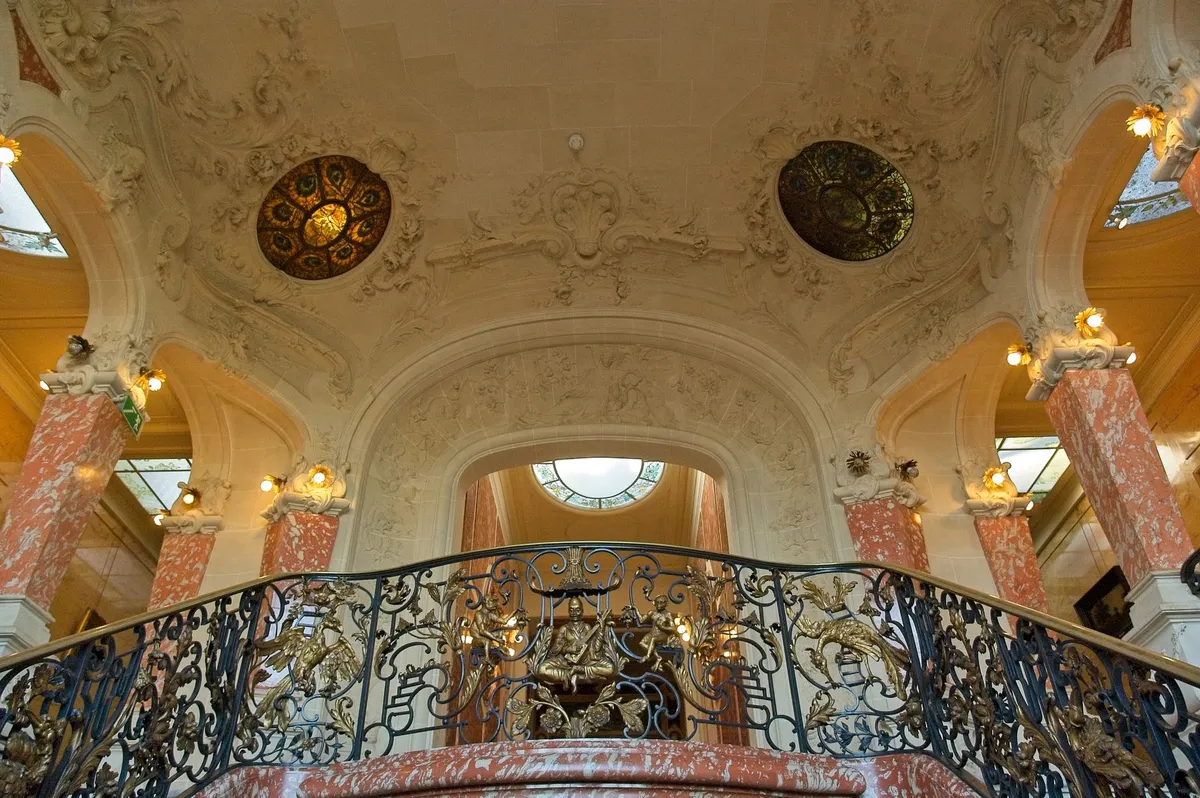
The most recognizable element of Art Nouveau is the asymmetric, flowing curve — often called the "whiplash line" by design historians — that appears in ironwork, furniture legs, architectural moldings, and tile patterns. These aren't the rigid geometric curves of later Art Deco; they're organic and irregular, drawn from the forms of growing plants, waves, and the human figure. In interior application, the whiplash line appears in carved furniture details, wrought iron banister railings, stained glass leading, and the relief patterns of ornamental tiles.
Nature as the Source of All Form
Art Nouveau designers — Hector Guimard, Louis Majorelle, Victor Horta, Charles Rennie Mackintosh — turned to botany, entomology, and biology for their formal vocabulary. Irises, water lilies, dragonflies, peacock feathers, and sinuous kelp appear repeatedly because they contain the curvilinear complexity that the movement valued. In a contemporary Art Nouveau room, this nature reference manifests through botanical wallpapers, floral motif tiles, carved plant-form details on furniture, and palette choices drawn from gardens and forest floors.
Craft and Material Honesty
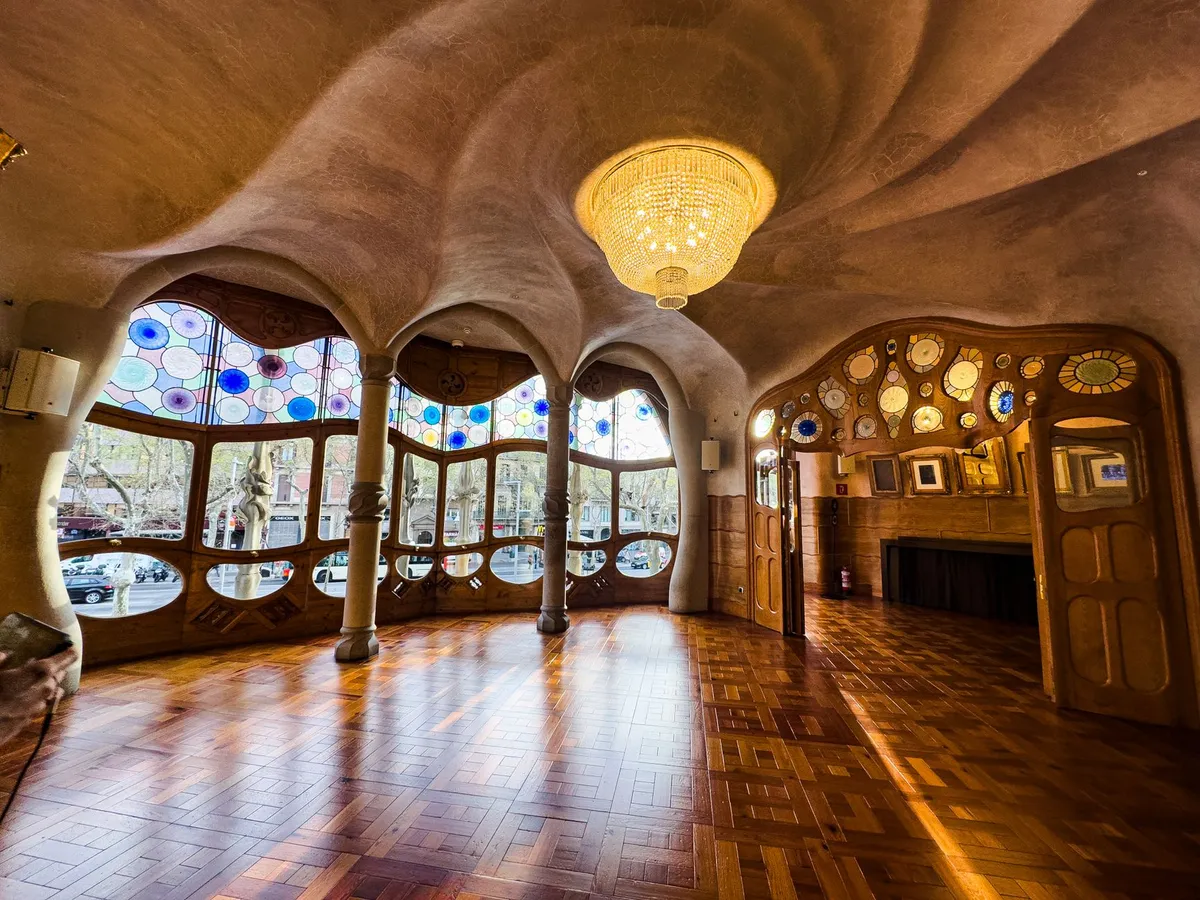
Art Nouveau rejected machine-produced uniformity while embracing new materials — the movement coincided with developments in structural ironwork, plate glass, and glazed tilework. The designer's job was to reveal the inherent qualities of materials through form: ironwork that expresses the malleability of heated metal, wood carved to show its grain running through organic curves, stained glass that celebrates the transparency and color of glass rather than hiding it. Contemporary interpretation means choosing materials that honor their own nature: real wood over imitation, handmade ceramics over mass production, artisan ironwork over cast replicas.
Art Nouveau Color Palettes for Modern Rooms
Art Nouveau's palette is simultaneously rich and natural. The movement's relationship with the Pre-Raphaelites, Symbolism, and Japanese printmaking produced color sensibilities that were deeply pigmented without being garish. The key palettes:
The Classic Palette: Peacock and Amber
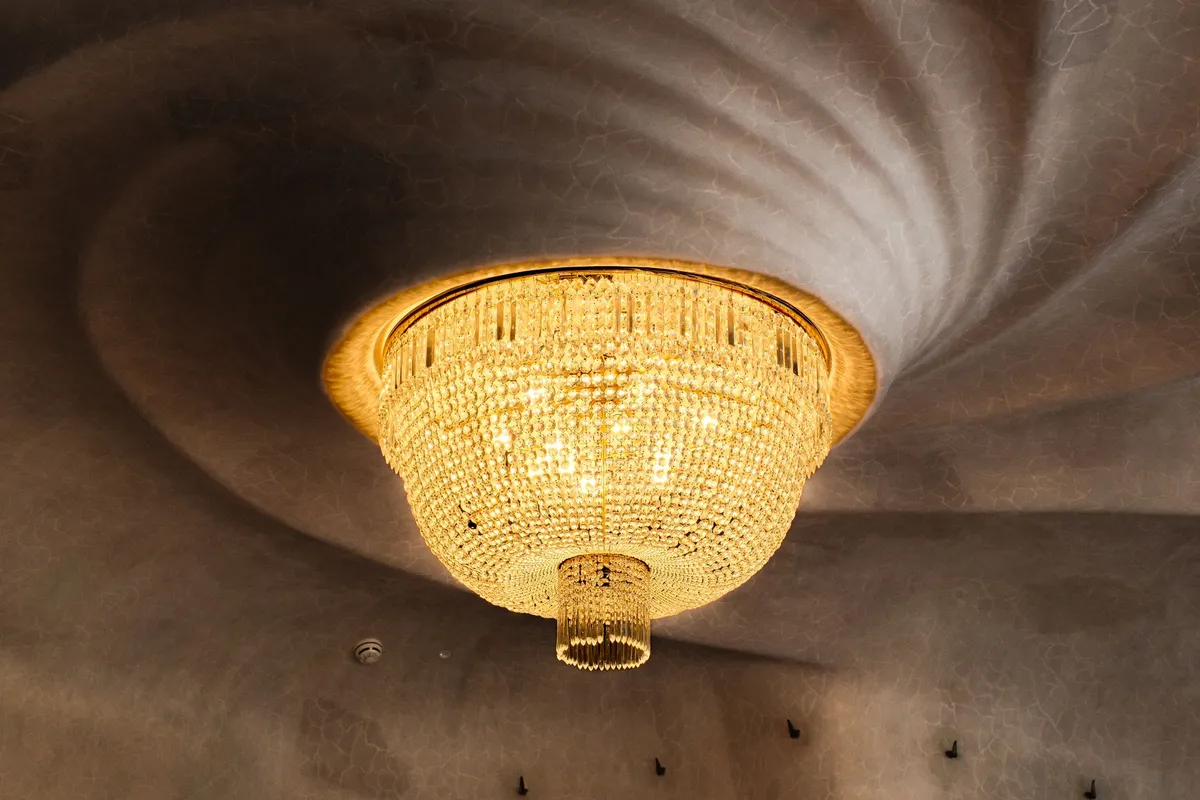
Deep peacock blue-green, warm amber-gold, soft sage green, cream, and touches of mauve. This is the palette of Alphonse Mucha's lithographs — rich enough to feel luxurious, natural enough to feel organic. In a room, this means walls in deep teal or sage, woodwork in warm honey oak or amber-stained walnut, accent tiles or textiles in peacock blue-green, and metalwork in aged brass or warm gold. The overall effect is jewel-box — intensely beautiful in rooms with controlled natural light.
The Mackintosh Palette: Cool Restraint
Charles Rennie Mackintosh's Glasgow School interpretation of Art Nouveau was notably cooler and more geometric than its continental counterpart. Pale lavender, rose pink, silvery grey, and white with black accents. This palette translates more easily into contemporary rooms — it's essentially a Victorian precursor to modern minimalism, with decorative elements made more spare and linear. A Mackintosh-influenced room uses this palette with the rose motif that appears throughout his work as a recurring decorative element in tile, textile, and wall treatment.
The French Palette: Forest and Garden
French Art Nouveau (Guimard's Paris Metro entrances, Nancy's furniture makers) favored deeper, more earthy tones: forest green, deep purple, rust, terracotta, and natural oak. This palette creates rooms that feel firmly connected to landscape and season — think of the color of a garden at peak summer, with its saturated greens, warm earths, and deep floral notes. Contemporary application in a living room or dining room: sage walls, oak or walnut furniture, forest green and terracotta accents, handmade ceramic pieces in earth tones.
Room-by-Room Art Nouveau Application
The Entry and Staircase: Maximum Drama
Art Nouveau was born in public buildings — theater foyers, department stores, the famous Paris Metro stations — and the entry is where its theatrical tendencies belong in a home. Stained glass sidelights or transoms (period-correct and still manufactured by specialist studios) transform even modest entries. A wrought-iron newel post and railing with organic detail brings the movement's signature material into daily contact. Period-appropriate botanical wallpaper in the entrance hall (reproductions by Bradbury & Bradbury, William Morris & Co., and others are widely available) establishes the movement's vocabulary before a single piece of furniture is seen.
Living Room: Furniture and Upholstery
Art Nouveau furniture is defined by its structural integration of ornament: the furniture leg that becomes a carved iris stem, the chair back that suggests a peacock feather, the sofa whose carved frame is the decorative element rather than the upholstery on it. Contemporary Art Nouveau living rooms source period pieces (excellent and expensive — original Majorelle pieces are museum-quality objects) or quality reproductions, then surround them with sympathetic elements: botanical print curtains, embroidered cushions with floral motifs, warm amber pendant fixtures.
The upholstery palette follows the room's color scheme, with textiles in velvet, silk, or tapestry that echo the movement's richness. Geometric or heavily abstract patterns are wrong; sinuous floral and botanical prints are correct. Period-appropriate rugs include William Morris flat-weave designs, Arts and Crafts bordered rugs, and Turkish or Persian florals in the right palette.
Bathroom: The Movement's Natural Home
Art Nouveau tile work is among the most beautiful in the movement's output, and the bathroom is its natural residential context. Period-accurate botanical relief tiles, flowing border tiles with irises or water lilies, and colored mosaic floors in the movement's typical palette create bathrooms of genuine artistic quality. Reproduction Art Nouveau tiles are available from specialist ceramics studios at $15–$60 per tile; a bathroom backsplash or shower surround in these tiles runs $1,500–$5,000 for materials alone.
The pedestal sink — which originated in the Art Nouveau era — is the correct fixture choice, along with period-style exposed-pipe faucets in oil-rubbed bronze or unlacquered brass. Wall sconces with art glass shades (the stained glass movement was a close ally of Art Nouveau) complete the period picture while remaining genuinely useful lighting.
Key Materials and Finishes
- Ironwork: Wrought iron with organic, hand-forged details — railings, light fixtures, furniture legs, door hardware
- Stained art glass: Leaded panels with botanical motifs; amber, green, and mauve are the period palette
- Ceramic tile: Relief-mold botanical tiles, iridescent glazed tiles in the peacock palette, encaustic floor tiles
- Wood: Warm woods — mahogany, walnut, olive, fruitwood — carved with flowing natural forms
- Plasterwork: Ornamental plaster relief panels with floral motifs, painted and gilded
- Textiles: Velvet, silk, tapestry, and embroidered fabrics with botanical patterns
Contemporary Art Nouveau: What to Keep, What to Soften
A historically faithful Art Nouveau interior can feel heavy in a contemporary home — the movement produced its best results in custom-designed total environments, not existing rooms. The contemporary approach picks the most powerful elements and applies them with modern restraint:
- One statement piece of botanical wallpaper (not four walls covered)
- Period-inspired light fixtures against a neutral wall color
- One or two authentic or reproduction Art Nouveau furniture pieces anchoring otherwise simple rooms
- Art glass as accent — a single stained glass window panel, a leaded table lamp
- Botanical pattern in textiles — curtains, a throw pillow, a rug border — as the recurring decorative motif
Before committing to any of these elements, visualize your actual room with AI tools. Upload your space to RoomRenovation.ai and apply the Art Nouveau style transformations to see how the organic palette and ornamental elements interact with your room's specific architecture and light. Some architectural settings — Victorian and Edwardian homes especially — embrace Art Nouveau naturally; contemporary open-plan spaces require more selective application. The free room render lets you start this exploration immediately.
FAQ
Is Art Nouveau interior design too ornate for contemporary homes? Not if applied selectively. The contemporary approach uses Art Nouveau as an accent vocabulary — botanical wallpaper on one feature wall, period-inspired fixtures, one or two characterful furniture pieces — against a cleaner backdrop. Fully period rooms are museum environments; the residential goal is extracting the movement's beauty without its period heaviness.
Where can I find authentic Art Nouveau furniture and objects? Auction houses (Christie's, Sotheby's, Bonhams) for significant pieces; specialist dealers in Paris, Brussels, and London for mid-range objects; high-quality reproduction makers for furniture and ironwork; and antique markets for smaller objects, tiles, and decorative pieces that the market hasn't fully priced up.
What architectural style works best with Art Nouveau interiors? Victorian, Edwardian, and Craftsman homes are the most natural hosts — their proportions and existing ornamental language align with Art Nouveau's aesthetics. The movement can work in modern homes when applied thoughtfully, particularly in rooms with high ceilings and generous natural light.
Are Art Nouveau wallpapers still being made? Yes. William Morris & Co., Bradbury & Bradbury, and several European design houses produce high-quality period-reproduction botanical wallpapers in the Art Nouveau tradition. These range from $50–$250 per roll. Several contemporary designers also produce original work in the movement's spirit at more accessible price points.
How does Art Nouveau relate to Arts and Crafts? They're parallel movements of roughly the same period with different geographical centers — Arts and Crafts in Britain and America (Morris, Stickley), Art Nouveau in France, Belgium, and Austria (Guimard, Horta, Klimt). Both rejected Victorian historicism and machine production; Arts and Crafts favored more rectilinear forms and vernacular simplicity, while Art Nouveau embraced the curvilinear and the sensuous. They share material values and often look compatible in the same interior.