
Bathroom Renovation Ideas: Trends and Tips for 2026
Modern bathroom renovation ideas with spa-like features, smart technology, and sustainable materials. Transform your bathroom into a retreat.
RoomRenovation.AI Team
Updated March 24, 2026
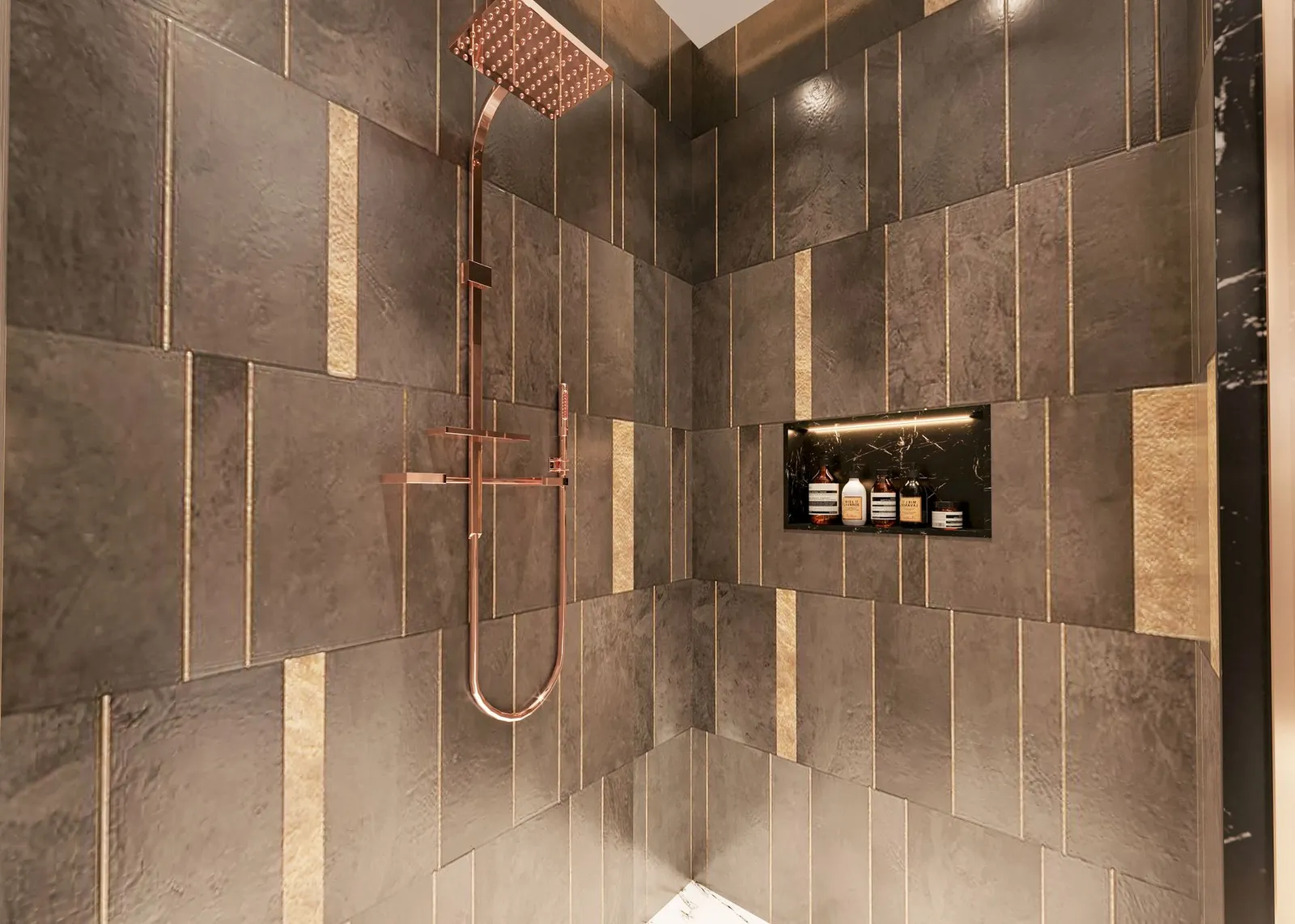
The best bathroom renovation ideas for 2026 share a single organizing philosophy: bathrooms should function as daily restorative rituals, not utilitarian checkboxes. The gap between a bathroom that feels like a task and one that feels like a refuge is almost entirely design — material quality, lighting calibration, layout thoughtfulness, and the small decisions about fixtures, finishes, and storage. This guide covers what's genuinely worth spending on, what's trending for good reason, and how to plan a renovation that adds lasting value without scope creep.
The 2026 Bathroom Aesthetic: Where Design Is Going
The dominant direction in 2026 bathroom design is away from sterile white-and-chrome minimalism and toward warmer, more materially complex spaces:
- Warm terrazzo: speckled stone with pink, cream, and warm gray aggregates replacing the cold gray terrazzo of the 2010s
- Fluted surfaces: ribbed glass shower screens, fluted vanity fronts, fluted tile panels — adds texture and visual interest without pattern
- Natural stone (real and engineered): the return of marble, travertine, and limestone in organic vein patterns; book-matched panels for feature walls
- Warm metals: unlacquered brass that patinas over time, aged bronze, oil-rubbed bronze — replacing polished chrome as the dominant finish
- Color on walls: sage green, warm terracotta, deep forest green, and clay tones replacing the all-white bathroom as the dominant aesthetic
The Spa Bathroom: What Makes It Work
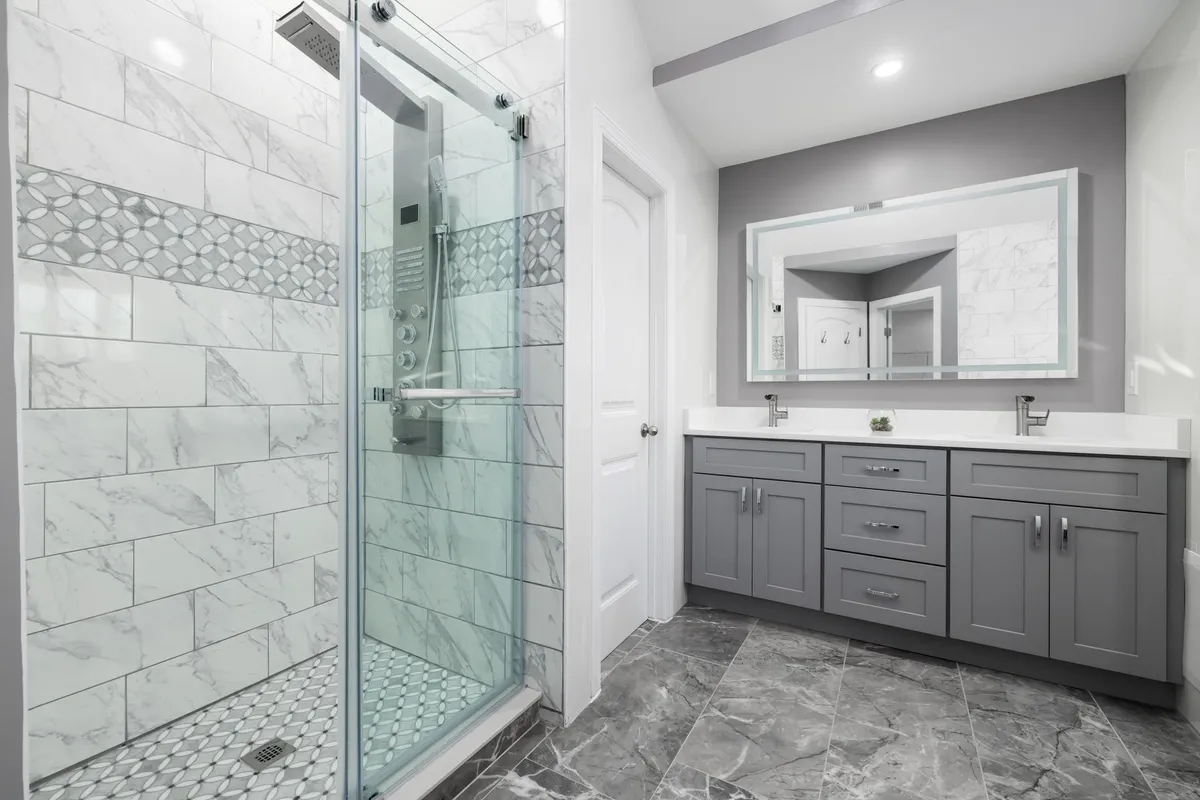
The "spa bathroom" concept is widely aspired to but frequently misunderstood. A spa atmosphere is not about a particular fixture or finish — it's about sensory quality: warmth, silence, soft light, and the absence of visual clutter. The elements that actually create it:
- Radiant floor heating: $5–$15/sq ft installed for electric mat systems. The most consistently praised bathroom upgrade among homeowners who do it. Stepping onto warm stone on a cold morning is a fundamentally different experience.
- Steam shower: adds $2,000–$5,000 to a shower build. Requires a fully enclosed, watertight space and a steam generator. For people who use it, transformative. For people who don't prioritize steam, an unnecessary expense.
- Rainfall showerhead: $100–$600 for the fixture; requires adequate water pressure. Creates an enveloping quality that standard showerheads don't. Pair with a handheld on a slide bar for practical versatility.
- Freestanding tub: $1,200–$8,000 depending on material (acrylic vs. cast iron vs. stone resin). A visual centerpiece that transforms a large bathroom into a statement space. Only worth the cost if you actually use baths.
- Layered lighting: separate circuits for overhead, task (vanity), and ambient (sconces or backlit mirrors). Dimmer switches on all circuits. This is the most underrated bathroom upgrade for cost-to-impact ratio.
Tile Choices That Define the Room
Tile is where bathroom budgets both get spent wisely and wasted. Framework for making tile decisions:
Floor Tile
- Large format (24x48" or larger): fewer grout lines, cleaner look, feels more luxurious. Requires a very flat substrate; installation is more demanding.
- Small-format mosaic: penny tile, hexagon, zellige pebble — adds texture and pattern but dramatically more grout maintenance
- Heated natural stone: travertine or limestone on a heated floor mat is the signature spa bathroom floor
Wall Tile
- Subway tile (3x6" or elongated 4x12"): remains a reliable, timeless choice; the grout color makes all the difference — white grout reads classic, dark grout reads contemporary
- Zellige: Moroccan handmade tile with surface variation and color depth. Premium ($15–$35/sq ft) but irreplaceable in character
- Fluted or 3D tile: adds dimension without pattern; particularly effective as an accent behind a vanity or in a shower niche
- Large-slab porcelain: seamless, grout-minimal walls that feel modern and are easy to maintain
Vanity Design: The Room's Centerpiece
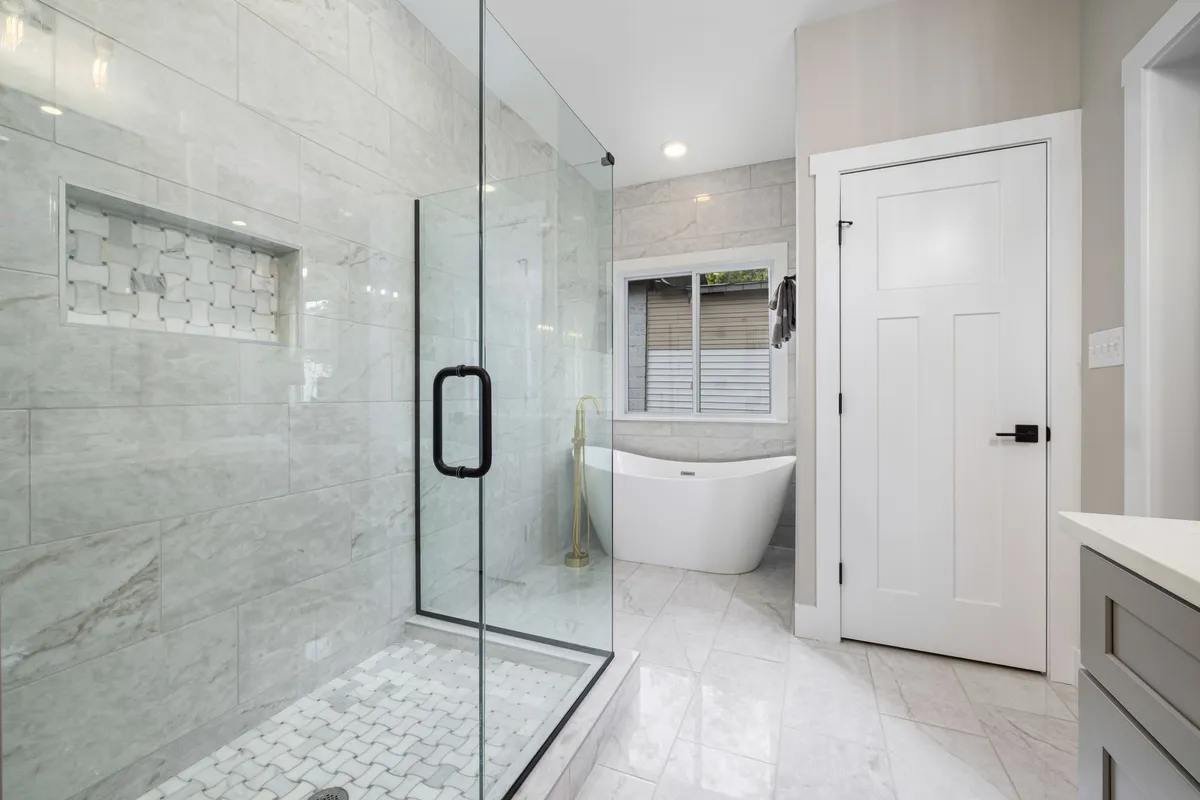
The vanity is the most-used and most-photographed element in a bathroom. Design considerations:
- Floating vs. floor-mounted: floating vanities read more contemporary, create the illusion of more floor space, and make cleaning easier. Floor-mounted vanities feel more substantial and traditional.
- Material: painted wood is the most versatile (endless color options); solid wood is warmer and more durable; lacquered MDF is modern and affordable; natural wood (walnut, oak) is currently having a strong moment
- Counter material: a single piece of quartz or marble creates a high-end look; vessel sinks on wood counters feel more design-forward; integrated ceramic sinks are practical and low-maintenance
- Hardware: the single highest-impact low-cost upgrade. Replacing builder-grade chrome pulls with aged brass or matte black hardware transforms a budget vanity's perceived quality
For complete cost breakdowns across bathroom project scopes, see our bathroom renovation cost guide.
Smart Technology Worth Adding
Smart bathroom technology has matured past novelty and into genuine daily utility:
- Smart mirrors: integrated LED lighting with adjustable color temperature (crucial for accurate makeup application), bluetooth speakers, and anti-fog heating. $300–$1,200.
- Digital shower controllers: pre-set water temperature, volume, and duration from a touchscreen or app. $500–$2,000 for the system. Eliminates the cold-start wait and temperature guesswork.
- Smart exhaust fans: humidity-sensing fans that activate automatically, preventing moisture damage and mold. $80–$300 installed.
- Heated towel rails: electric freestanding or hardwired wall units. $100–$500. Small luxury with significant daily impact.
Storage: The Practical Layer
Beautiful bathrooms lose impact when countertops are cluttered. Storage strategy:
- Recessed medicine cabinets rather than surface-mount — they maintain wall flush and maximize mirror size
- Niche shelving in the shower for shampoo, soap, and razor — eliminates plastic caddies that create visual noise
- Deep drawers rather than under-sink cabinet doors — dramatically more functional for everyday items
- Pull-out organizer inserts for vanity drawers — dividers, small bins, liner — make order maintainable
Before finalizing your bathroom design, see how different tile choices, vanity styles, and color palettes would look in your actual space. Upload a photo at RoomRenovation.AI and generate a bathroom render in minutes.
Realistic 2026 Cost Ranges
- Cosmetic refresh (new fixtures, hardware, vanity replacement, paint): $2,500–$7,000
- Mid-range renovation (new tile, vanity, shower fixtures, lighting, exhaust): $12,000–$25,000
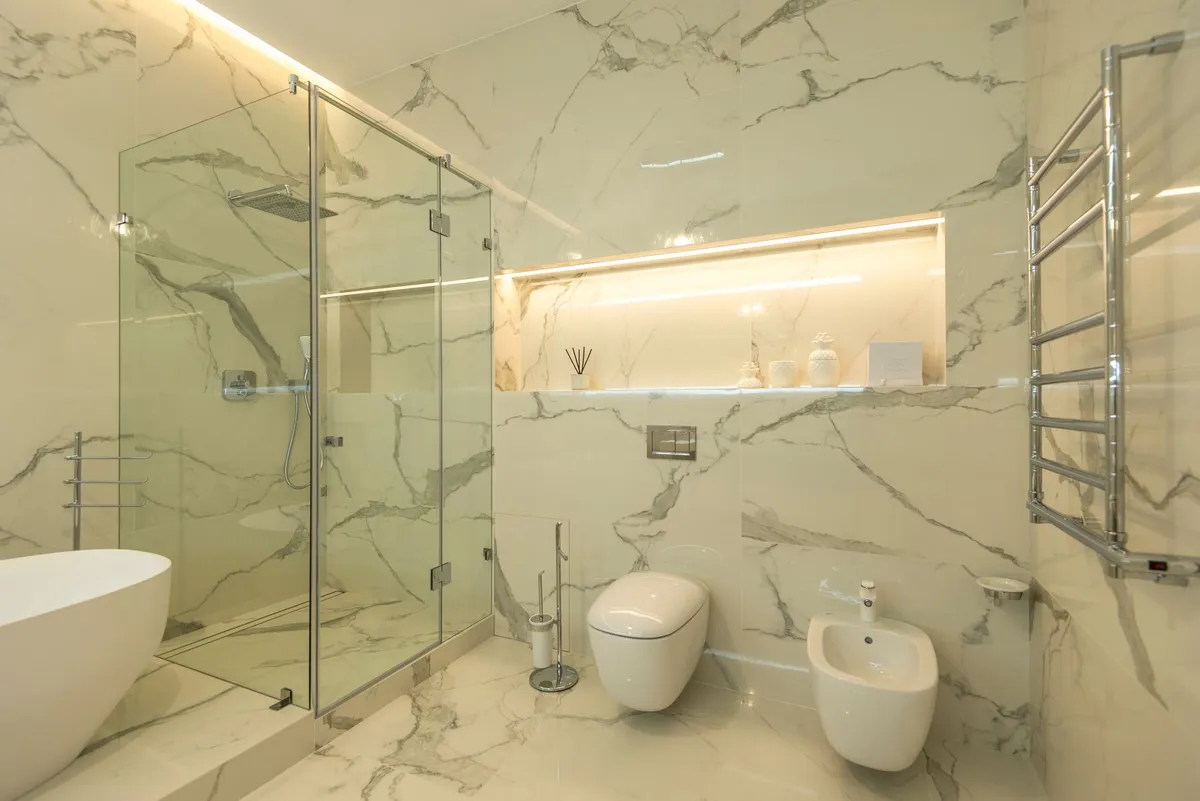
- Full high-end renovation (gut renovation with premium stone, freestanding tub, steam shower, radiant floor): $35,000–$75,000
The most leveraged investments remain: tile quality, lighting controls, radiant floor, and vanity hardware. These deliver the largest perceptible quality difference per dollar spent.
FAQ
What bathroom upgrade adds the most resale value? Real estate data consistently points to updated tile, vanity, and fixtures as the highest-return bathroom investments. A clean, contemporary bathroom with quality materials — even at a modest mid-range budget — performs better than dated spaces at any price point.
How long does a full bathroom renovation take? A straightforward mid-range renovation with a single contractor typically takes two to four weeks. Gut renovations involving plumbing relocation or structural changes can run six to ten weeks, especially if custom tile or fixtures have long lead times.
Is radiant floor heating worth the cost in a bathroom? For most homeowners who install it, yes. The cost for an electric mat system in a standard bathroom (50–100 sq ft) is $400–$1,500 for materials and installation — a permanent upgrade with daily quality-of-life impact.
Can I see what my bathroom would look like with different tiles before renovating? Yes. Upload a photo of your existing bathroom to RoomRenovation.AI and generate renders in different styles to see how tile choices, vanity color, and fixture finishes interact in your specific space.