
AI Bathroom Renovation: Spa-Inspired Designs for Home Bliss
Spa-inspired bathroom renovation ideas visualized with AI. From rainfall showers to soaking tubs, see how to create a bathroom retreat without a full renovation.
RoomRenovation.AI Team
Updated March 23, 2026
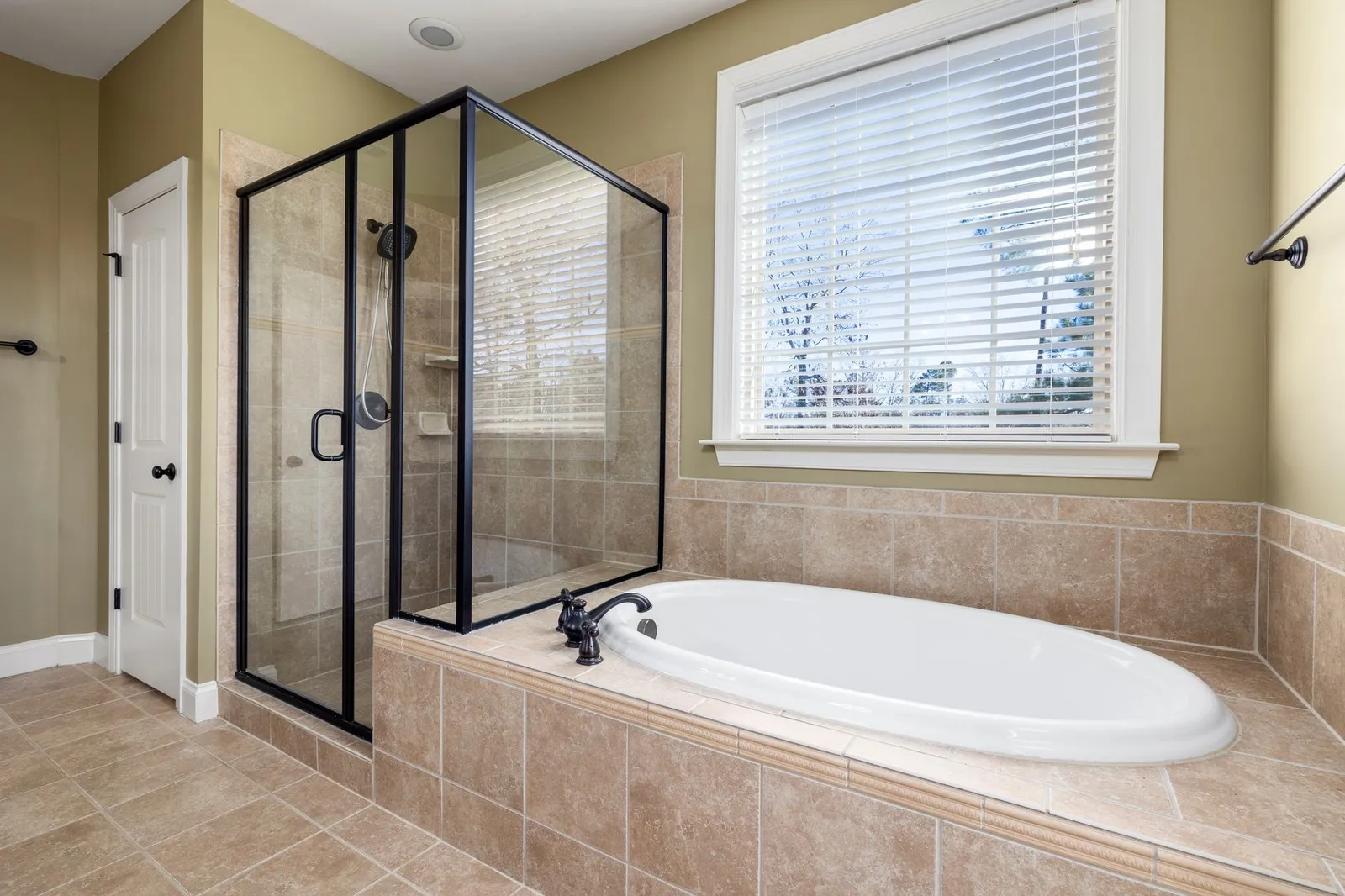
The most successful spa-inspired bathroom renovations don't happen because someone spent $40,000 on imported tile — they happen because someone understood the sensory logic of why spa spaces feel the way they do and replicated it at whatever budget was available. AI visualization makes it possible to preview any level of that transformation in your actual bathroom before spending a dollar on contractors or fixtures.
What Makes a Space Feel Like a Spa
Before designing a spa bathroom, it helps to understand what spas are actually doing architecturally and sensory-wise that makes them feel so different from a standard home bathroom:
- Material quality at touch points: Spas invest in surfaces you actually touch — towels, floor texture underfoot, the texture of a bench seat. What you see matters less than what you feel.
- Visual calm: Minimal grout lines, monochromatic surfaces, recessed storage. The visual field is uncluttered by competing colors and textures.
- Sensory layering: Ambient sound (water, music), scent (eucalyptus, cedar, lavender), warmth from radiant floor heat or a towel warmer. The environment engages multiple senses simultaneously.
- Generous water: Rainfall showerheads, deep soaking tubs, steam capability. Water is the primary experience, not a functional necessity.
- Natural material references: Stone, wood, and greenery ground the space in nature, which the nervous system associates with safety and relaxation.
The Rainfall Shower: Transforming the Primary Water Experience
A rainfall showerhead is one of the highest-ROI single upgrades in a spa bathroom renovation. The overhead delivery of water — rather than a traditional wall-mounted spray — changes the shower experience fundamentally. Water falls evenly across the body rather than hitting from one side, producing the enveloping quality of standing in warm rain.
For ceiling-mounted rainfall heads, the pipe requires repositioning — a job for a licensed plumber that typically runs $400–$900 in labor beyond the fixture cost. Ceiling-mount rainfall heads range from $150–$800 for quality options (Delta, Kohler, Grohe). A less invasive alternative: a wall-mounted arm extension that positions a large-format rainfall head overhead from the existing pipe location, typically installed in 30 minutes with no structural work.
Pair with a thermostatic valve that allows independent control of water flow and temperature. Once you've set your preferred temperature, you never have to fiddle with knobs again — a small luxury that accumulates meaning over daily use.
The Soaking Tub: Aspiration vs. Practicality
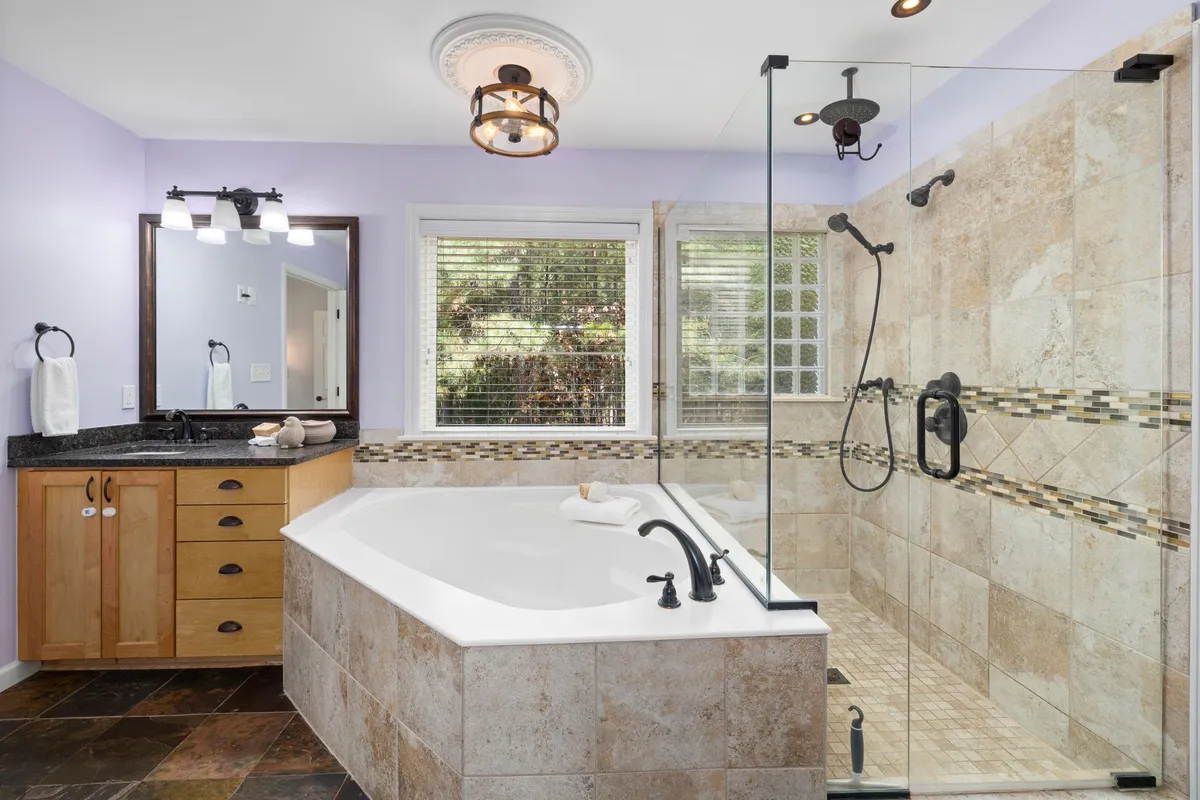
A freestanding soaking tub is the visual centerpiece of any spa bathroom and the element AI renders make most compelling — the sculptural quality of a well-chosen tub transforms a bathroom photo completely. But it's worth being honest about soaking tub practicality before budgeting for one.
Soaking tubs require: adequate floor load capacity (a filled cast iron tub can weigh 500+ lbs), a water heater large enough to fill 60–80 gallons at the desired temperature, and a homeowner who will actually use it. Many installed soaking tubs become decorative objects rather than functional fixtures within two years.
If you're committed to the tub, freestanding options start around $800 for acrylic and run to $5,000+ for cast iron. Installation (including plumbing rough-in adjustments and floor reinforcement if needed) adds $1,500–$3,500 depending on your existing setup.
For the spa experience without the tub: a deep walk-in shower with a teak bench seat, multiple body sprays, and a large-format rainfall head delivers equal relaxation value with more daily practicality and lower renovation cost.
Surface Selections: The Spa Material Vocabulary
Large-Format Tile
Large tiles (24x24 or larger, including 24x48 slabs) minimize grout lines, which is the fastest visual path to a spa aesthetic. Fewer grout lines equal more visual calm. Large-format porcelain tile in concrete, limestone, or travertine look runs $4–$12/sq ft for the tile itself; installation of large-format tile costs slightly more than standard tile ($8–$15/sq ft) because of the complexity of keeping large pieces level.
Natural Stone
Marble, limestone, travertine, and soapstone are the spa standard. Honed (matte) finishes read as more authentically spa-like than polished, which can feel more commercial. Natural stone requires sealing annually and is more maintenance-intensive than porcelain, but the tactile and visual quality is incomparable. Book-matched marble slabs — two adjacent slabs mirrored to create a symmetrical vein pattern — are the luxury apex but require custom fabrication.
Wood Accents
Teak is water-resistant enough for shower benches and bathroom furniture. White oak and walnut work for vanity cabinetry in areas protected from direct water exposure. The warmth of real wood against stone or tile creates the essential natural-material contrast that distinguishes a spa aesthetic from a purely clinical one.
AI Visualization: Preview Before You Demolish
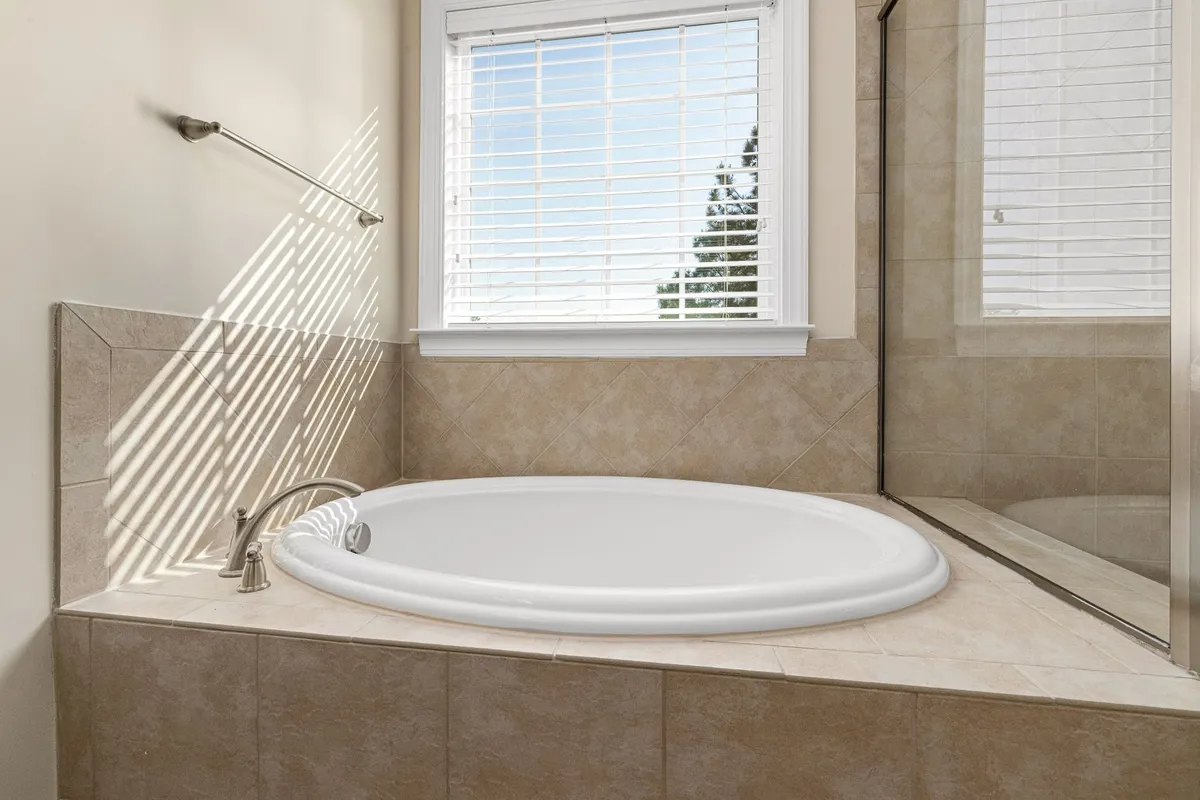
Bathroom renovations are expensive to reverse. A tile decision made without sufficient visualization can mean living with something you dislike for years. This is the context where AI design tools pay the most obvious dividend.
Upload a photo of your current bathroom to RoomRenovation.AI and apply spa-inspired styles to see how the basic material language — stone-look tile, freestanding tub, minimal vanity — would look in your specific room with your specific natural light. See the full range of bathroom renovation possibilities in the before/after gallery.
The AI render won't perfectly predict every material detail, but it gives you immediate visual feedback on questions like: does the room read as darker or lighter with stone tile versus white subway? Does a freestanding tub look right for this room's scale? Does the minimal vanity style work with this room's architectural character? These are questions that cost nothing to answer with AI and thousands to get wrong in tile and fixtures.
For current bathroom renovation cost ranges in your scope, see the bathroom renovation cost guide.
The Sensory Details That Complete the Effect
Once the major surfaces and fixtures are addressed, the spa experience is completed by sensory layering:
- Heated towel bar or towel warmer: $100–$400, hardwired or plugin. A warm towel after a shower or bath is the signature spa sensory moment that homeowners consistently report as their favorite renovation addition.
- Radiant floor heating: $600–$1,500 installed for a typical bathroom, running through the existing or new tile substrate. Stepping onto a warm floor is an experience that alters how every morning feels.
- Dimmer-controlled lighting: Bright task light for getting ready, low ambient light for soaking. Two circuits or smart bulbs accomplish this; a dimmer switch is a $30–$60 upgrade.
- Humidity-resistant plants: Orchids, ferns, and peace lilies thrive in bathroom conditions and add organic warmth to the material composition.
- Essential oil diffuser or reed diffuser: Scent is the fastest sensory trigger for relaxation. Eucalyptus, lavender, and cedar are the spa standards.
Budget Framework for a Spa Bathroom
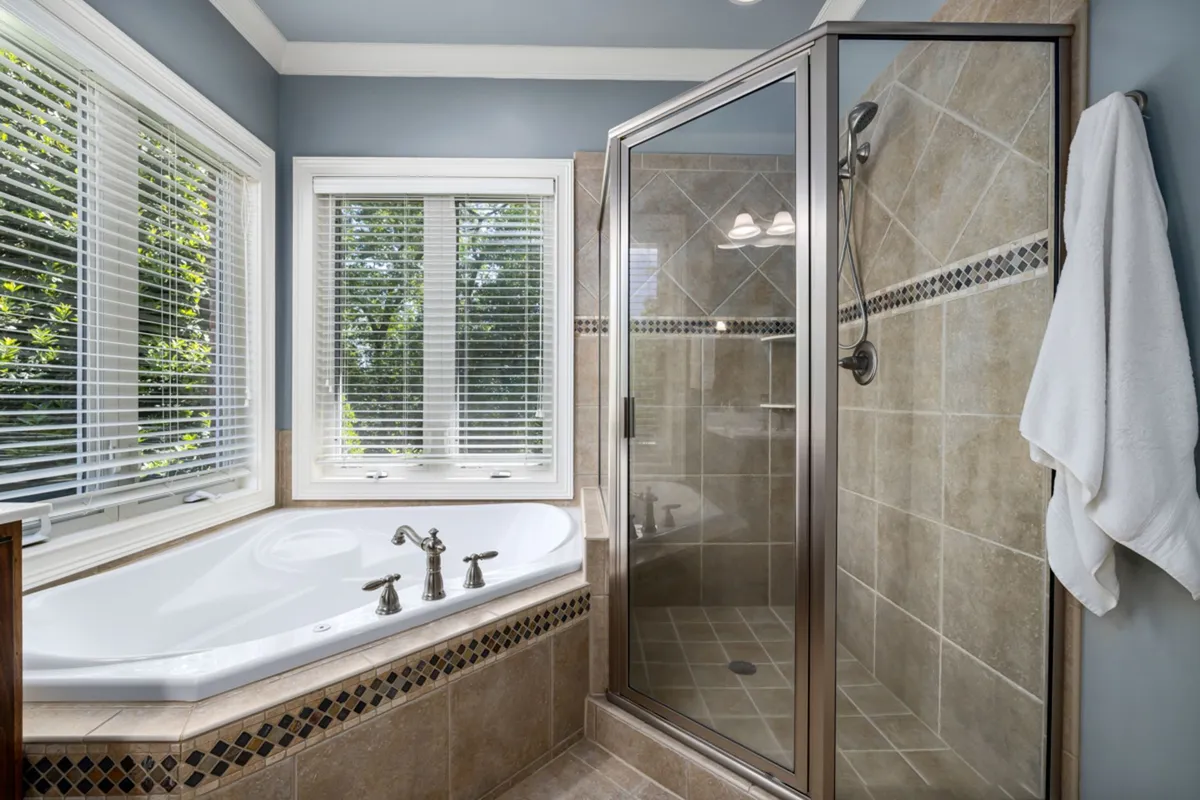
The spa aesthetic is achievable across a wide budget range:
- $500–$2,000 (no structural work): Rainfall showerhead upgrade, new towels and bath mat, a teak bench, diffuser, plants, framed mirror replacement, and updated hardware. Sensory improvement without renovation.
- $5,000–$15,000 (cosmetic renovation): New tile on one or two surfaces, vanity replacement, updated fixtures throughout, heated towel bar, dimmer lighting. Significant aesthetic transformation.
- $20,000–$50,000 (full renovation): New tile on all surfaces, soaking tub or walk-in shower reconfiguration, custom vanity, radiant floor heat, full plumbing fixture replacement. A genuine spa-quality bathroom that will be the room you use most.
FAQ
Can I achieve a spa bathroom feel without a full renovation? Yes. A rainfall showerhead, new towels and bath accessories, a plant, a diffuser, and a heated towel bar can transform the sensory experience of your existing bathroom without touching tile or fixtures.
What tile is most spa-like? Large-format porcelain in concrete, limestone, or travertine looks with a matte finish. Minimal grout lines and a monochromatic palette are the key design moves. Natural stone is the luxury option if budget allows.
Is a freestanding soaking tub worth it? Functionally, only if you'll use it regularly. Visually, it transforms a bathroom completely. If you're a bath person, yes. If you haven't filled a bathtub in three years, invest the budget in a better shower instead.
How can I see what a spa bathroom would look like in my specific bathroom? Upload your bathroom photo to RoomRenovation.AI for a free render. The AI applies spa-style design direction to your actual room, giving you visual confirmation before any contractor calls.
What's the highest-ROI spa bathroom upgrade? A rainfall showerhead ($150–$800 installed) combined with a heated towel bar ($200–$400 installed) delivers the most daily luxury impact per dollar spent of any spa bathroom upgrade.