
Urban Loft Interior Design: Industrial Edge Meets Living Comfort
Urban loft interior design with exposed brick, high ceilings, and open floor plans. See how to style a loft space with industrial charm and residential warmth.
RoomRenovation.AI Team
Updated March 21, 2026
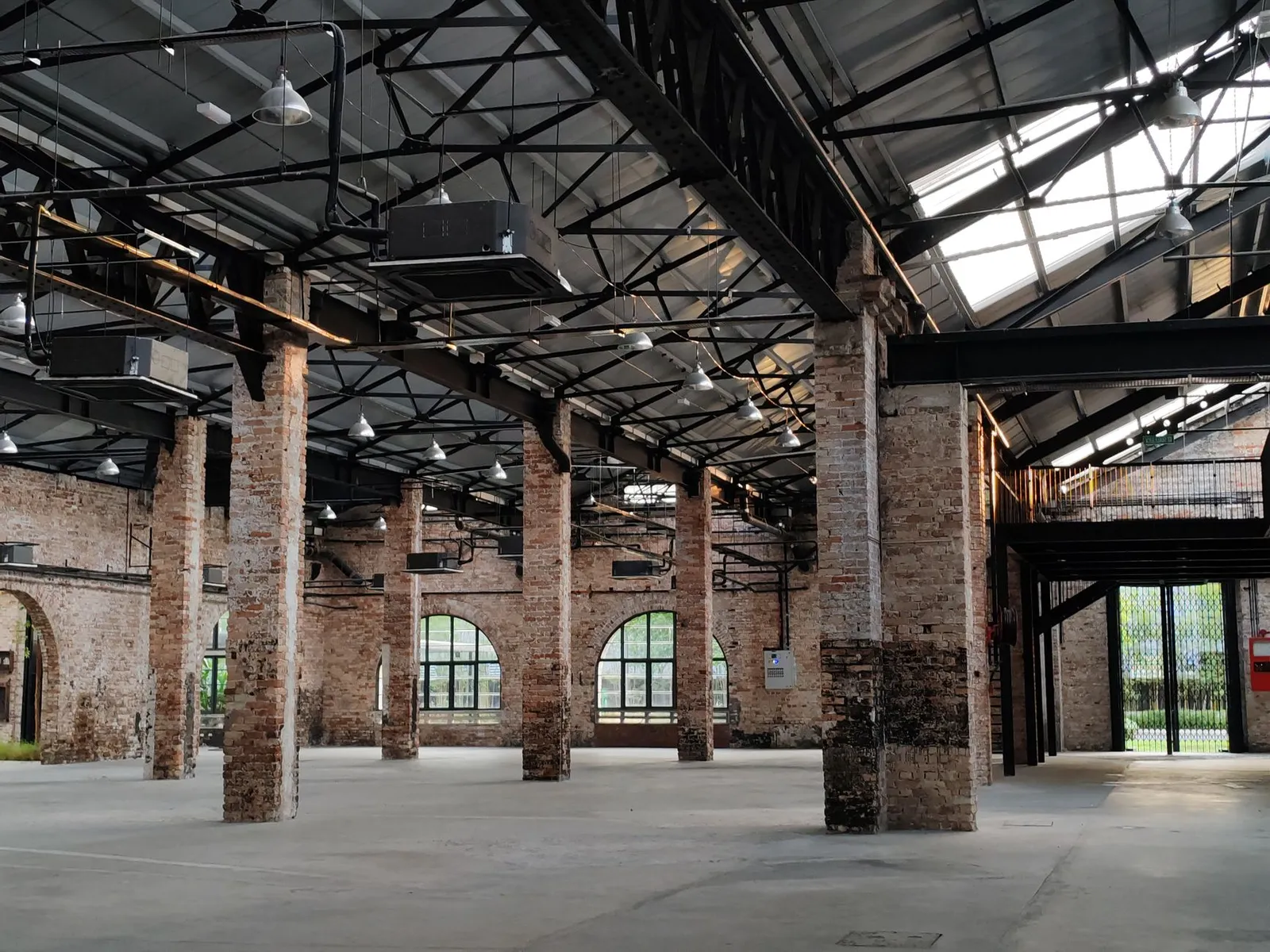
Urban loft interior design is rooted in one of design history's most compelling transformations: the conversion of industrial workspaces — warehouses, factories, printing plants — into residential living quarters beginning in lower Manhattan in the 1960s and 1970s. What started as bohemian pragmatism (artists living where they worked, in buildings nobody else wanted) evolved into one of the most distinctive and widely emulated residential aesthetics. Today, the loft look is actively sought after in new construction and conventional apartments alike, even when the industrial bones are entirely fabricated.
This guide breaks down what genuinely defines loft interior design, how to apply it authentically across room types, and where to make the trade-offs that separate a successful loft aesthetic from a clichéd one.
The Authentic Loft: Understanding the DNA
True loft conversions share a set of spatial characteristics that inform the design philosophy:
- Volume: ceiling heights of 12–20 feet, sometimes more, that create drama and demand design responses scaled accordingly
- Industrial structure exposed: concrete columns, steel I-beams, timber joists, and ductwork left visible and celebrated rather than concealed
- Open floor plans: undivided or minimally divided space requiring design to create functional zones without walls
- Large windows: original industrial glazing — steel-framed, multi-pane, sometimes running floor to ceiling — that floods the space with light and frames urban views
- Materiality: brick, concrete, raw steel, and distressed wood as primary surface materials
Translating these qualities into spaces that lack them — a standard apartment with 9-foot ceilings, drywall, and a conventional floor plan — requires identifying which elements carry the most character and finding ways to introduce them genuinely rather than decoratively.
The Material Palette of Loft Design
Exposed Brick and Concrete
Brick and concrete are the twin signatures of loft character. Original exposed brick is a non-negotiable asset: maintain it, clean it gently, and resist the urge to paint it (painted brick loses the textural quality that makes it valuable). In spaces without original brick, reclaimed brick veneer panels (starting around $6–$12 per square foot) create a credible accent wall without the structural implications of full brick application.
Concrete works similarly. Polished concrete floors are one of the most distinctive loft elements — $3–$8 per square foot to polish existing concrete, significantly more if new concrete is poured. Microcement wall treatments, applied by skilled plasterers, can give drywall a concrete-like texture and visual weight without the structural implications.
Steel and Iron
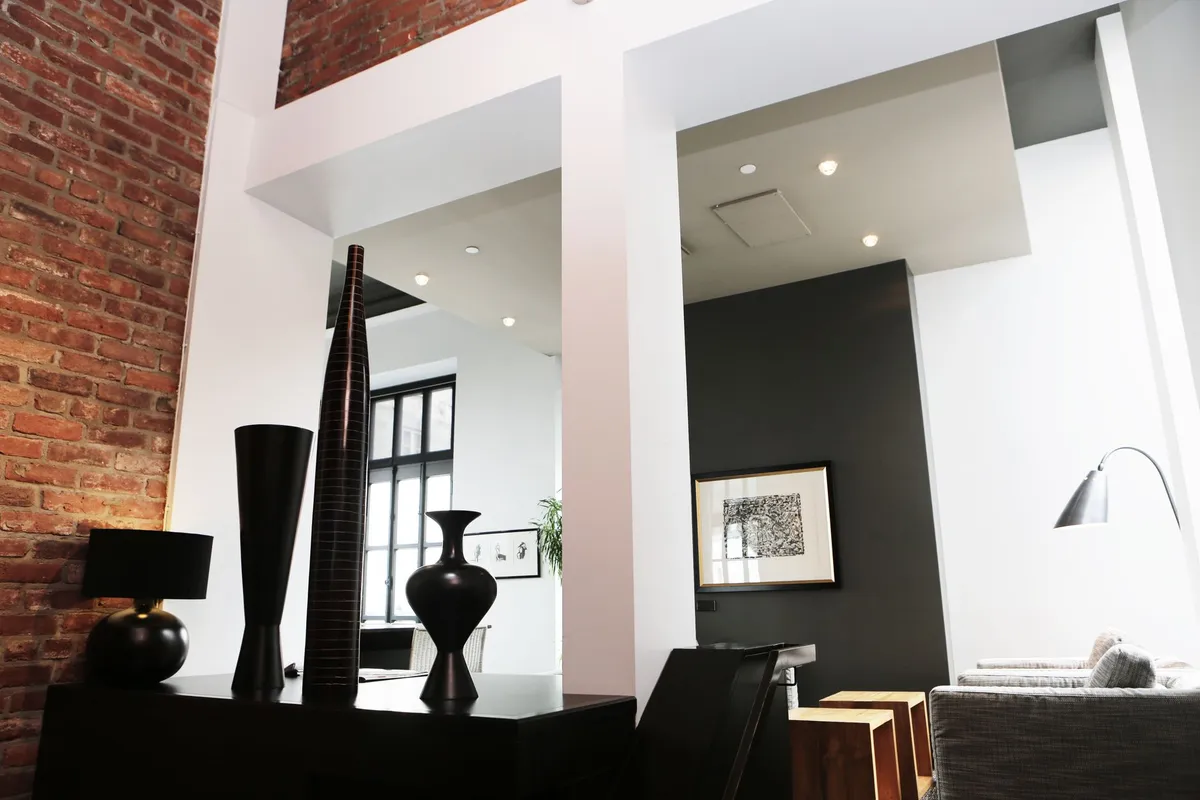
Steel appears in loft interiors structurally (columns, beams, window frames) and decoratively (shelving, stairs, light fixtures, furniture frames). The appropriate finish for loft design is typically matte black, raw patinated, or occasionally brushed — never polished chrome, which reads as bathroom hardware rather than industrial material.
Steel-framed glass partitions are one of the most effective ways to introduce loft character into a conventional apartment: they divide space while maintaining openness, and their visual weight is unmistakably industrial. Expect $2,000–$8,000 for a professional installation depending on scale and glass specification.
Reclaimed Wood
Reclaimed timber — wide-plank flooring, barn wood shelving, salvaged beam mantels — contributes texture, warmth, and authenticity to loft interiors. The worn surfaces, nail holes, and weathering of reclaimed material carry a visual complexity that new wood simply does not replicate. Reclaimed wide-plank flooring runs $8–$18 per square foot installed and is worth the premium in spaces where it becomes the room's defining surface.
Furniture Strategy for High-Volume Spaces
Scale is the dominant challenge in genuine loft design. Furniture selected for conventional ceiling heights disappears in a 16-foot volume, leaving the room feeling underfurnished regardless of how many pieces it contains. The response requires:
Oversized Anchor Pieces
A generous sectional or long sofa (108–120 inches) creates horizontal mass that grounds the living zone. A 10-foot dining table comfortably seats 8–10 and fills the visual footprint that loft spaces demand. Large-scale pendant lights — industrial steel clusters, oversized globe pendants, long horizontal bar fixtures — address the vertical challenge that recessed lights alone cannot solve in high-ceilinged spaces.
Zone Definition Without Walls
Open floor plans require design to organize them into functional territories. The tools are:
- Rugs: A large area rug (9×12 or larger) defines the living zone and contains it. In lofts, bigger is almost always better — a rug that doesn't extend under the front legs of the sofa reads as too small.
- Furniture arrangement: Angling a sofa away from the wall or using it as a room divider creates legible zones without partition.
- Lighting zones: Different light sources for different zones — a cluster pendant for dining, floor lamps for living, under-cabinet lighting for kitchen — communicate separation even in undivided space.
- Bookcases and open shelving: Tall shelving units can function as soft room dividers while providing storage and display space.
The Warmth Problem: Solving Industrial Coldness
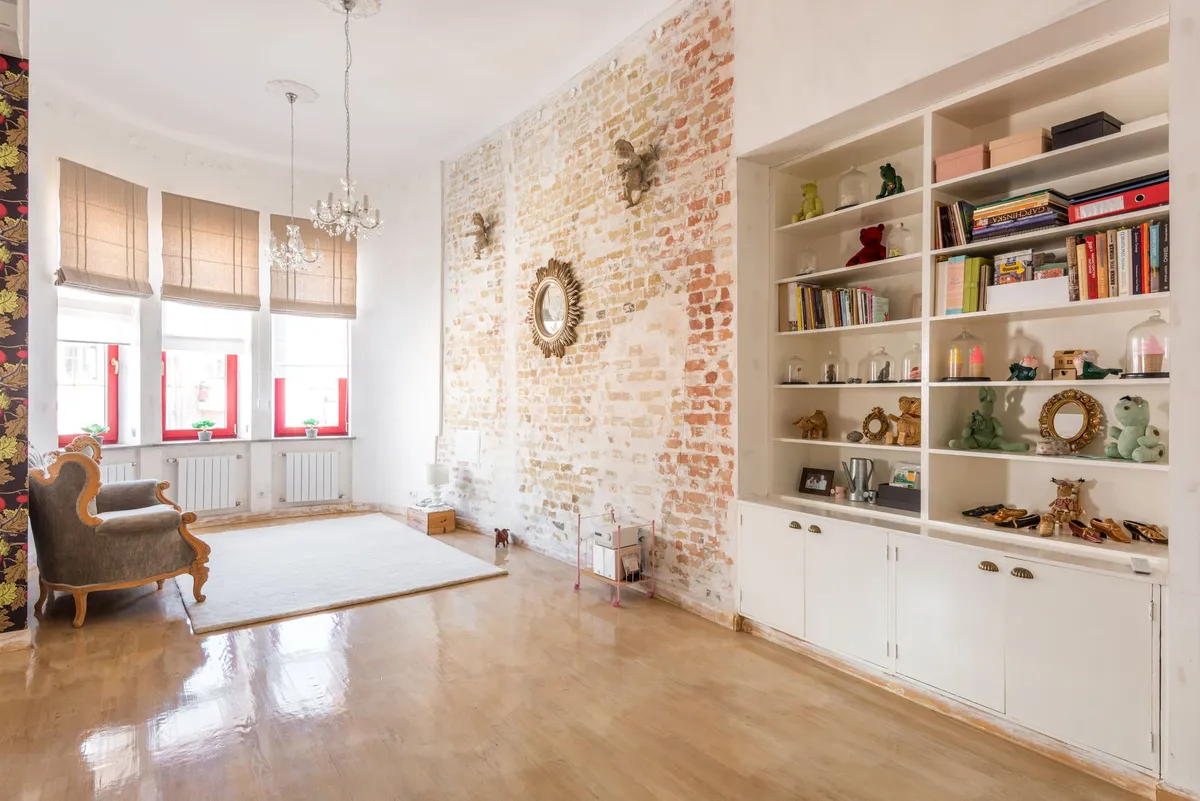
The most common complaint about loft-inspired interiors is that they feel cold: all that concrete, steel, and raw brick lacks the softness that residential space requires. The solution is deliberate warmth layering without compromising the industrial character:
Textiles in Scale
Large-scale rugs, generous throw pillows, draped throws, and full-length curtains introduce texture and softness that visually balance the raw materials. In lofts, curtains hung from ceiling to floor — especially in a room with 12+ foot ceilings — create a dramatic warmth effect even in a single panel. Linen, canvas, and wool are the appropriate textile choices: natural, textured, and visually humble enough to complement rather than compete with industrial materials.
Living Plants at Scale
In high-volume loft spaces, single small plants disappear. Invest in architectural plant specimens: a mature fiddle-leaf fig at 6–7 feet, a large monstera with sprawling leaves, or a cluster of varying-height plants that creates a corner installation with genuine visual presence. Plants are also the most cost-effective warmth agent in a loft: a $80–$200 specimen contributes more visual warmth than several times its cost in decorative objects.
Warm Artificial Lighting
Industrial-style exposed-bulb pendants and Edison-style lamps look authentic in loft spaces and emit a particularly warm, amber-toned light (typically 2200–2700K) that counteracts the coldness of concrete and steel. Multiple lower-level light sources — table lamps, floor lamps, lit shelving — are more effective at creating residential warmth than overhead lighting alone.
Applying Loft Design in Conventional Apartments
Most people pursuing loft aesthetics are working in standard apartments or homes with conventional construction. The approach requires identifying which loft elements are most achievable and highest impact:
- Expose structure where possible: Some apartments have existing concrete ceilings or beams beneath drywall — worth investigating before renovation.
- Create industrial accents: One accent wall in brick veneer or microcement dramatically changes a room's character.
- Introduce industrial lighting: Replacing standard builder fixtures with black steel pendants and cage-style sconces has an outsized impact.
- Choose furniture with industrial lineage: Pieces with visible welded metal frames, raw wood tops, leather upholstery with visible stitching.
- Use oversized art: Large-format photography prints or abstract canvases appropriate to a 9-foot ceiling still read as loft-appropriate in scale.
Visualizing Your Loft Transformation
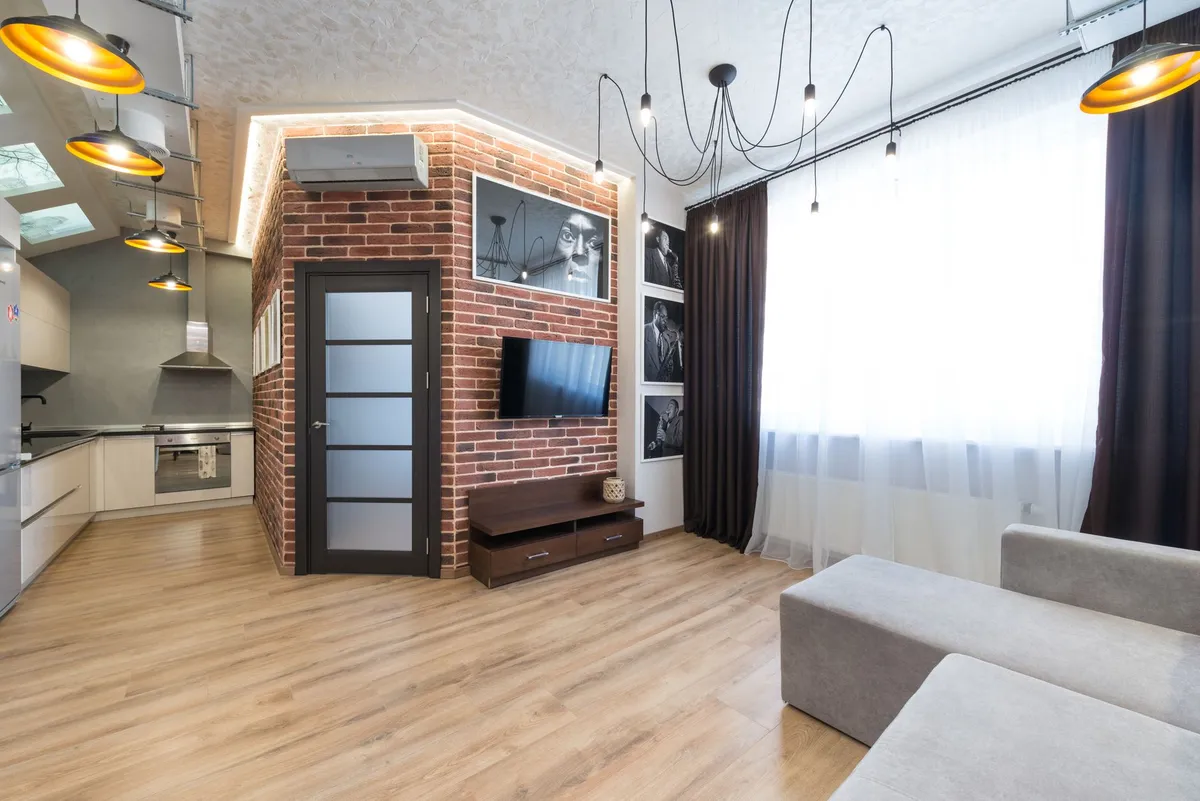
The industrial loft look involves some of the most visually dramatic material choices in interior design — brick feature walls, polished concrete floors, steel-framed partitions — and the risk of committing to these elements without seeing them in your actual space is real. Use RoomRenovation.AI's free render tool to test an industrial loft direction in your current room before investing in materials or furniture. The examples gallery includes several urban loft transformations that demonstrate what these changes look like in practice.
When you're planning your loft renovation budget, the living room renovation cost guide provides realistic ranges for the most significant components. For renders, pricing starts at a few dollars — far less than a tile or flooring sample visit.
FAQ
Can loft design work in a small apartment? Yes, with adjustments. The key principles — industrial materials as accents, honest construction, open plan with zone definition — scale down effectively. In a small space, one brick accent wall and industrial lighting deliver the character without overwhelming a modest room.
How do I make an industrial loft feel cozy rather than cold? Layered textiles, warm-toned Edison-style lighting, living plants, and wood surfaces (especially reclaimed wood with natural variation) introduce warmth that balances the industrial materials. The contrast between warm textiles and raw concrete is part of the style's appeal.
What colors work best with industrial loft design? The base palette of concrete, brick, and steel covers a warm gray-to-amber range. Layer in matte black (furniture, fixtures, hardware), deep charcoal or dark navy as accent tones, and natural leather and wood for warmth. Avoid bright pastels or high-saturation primary colors, which conflict with the industrial material palette.
Do I need an actual warehouse space to achieve this look? Not at all. Brick veneer, microcement finishes, industrial lighting, and appropriately scaled furniture can create convincing loft character in a conventional space. The key is commitment to the material language rather than a scattering of industrial elements within a conventional design.
What flooring options work for loft style without polishing concrete? Large-format matte gray porcelain tile reads as concrete-like at a fraction of the cost and is more forgiving than real concrete. Wide-plank distressed wood flooring in darker tones also works well. Avoid glossy or highly polished finishes, which conflict with the raw industrial aesthetic.