Smart Home Integration in Interior Design: Technology That Disappears
Smart home integration that enhances interior design without visual clutter. Hidden tech, automated lighting, and intelligent systems that complement your style.
RoomRenovation.AI Team
Updated March 24, 2026
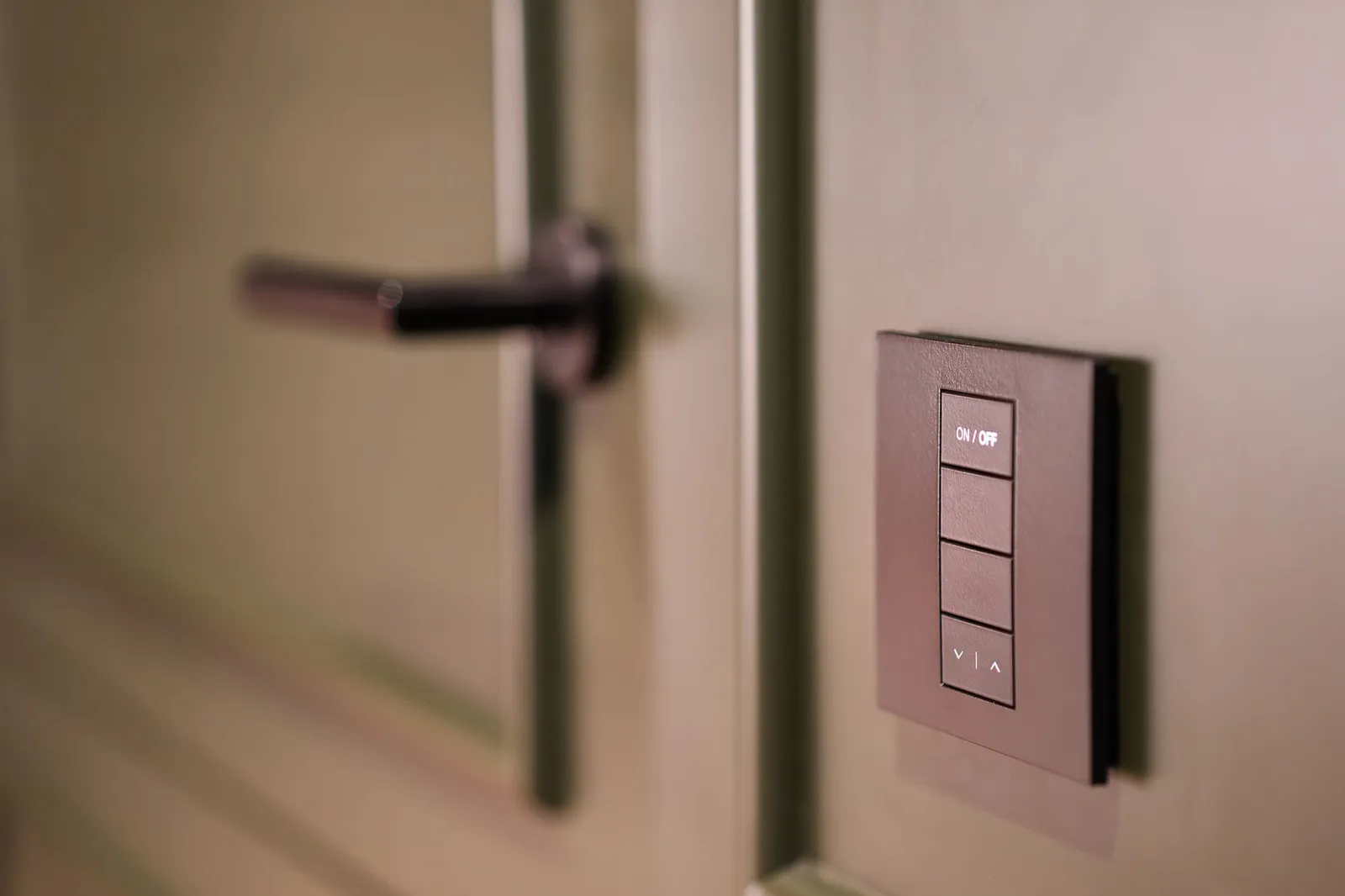
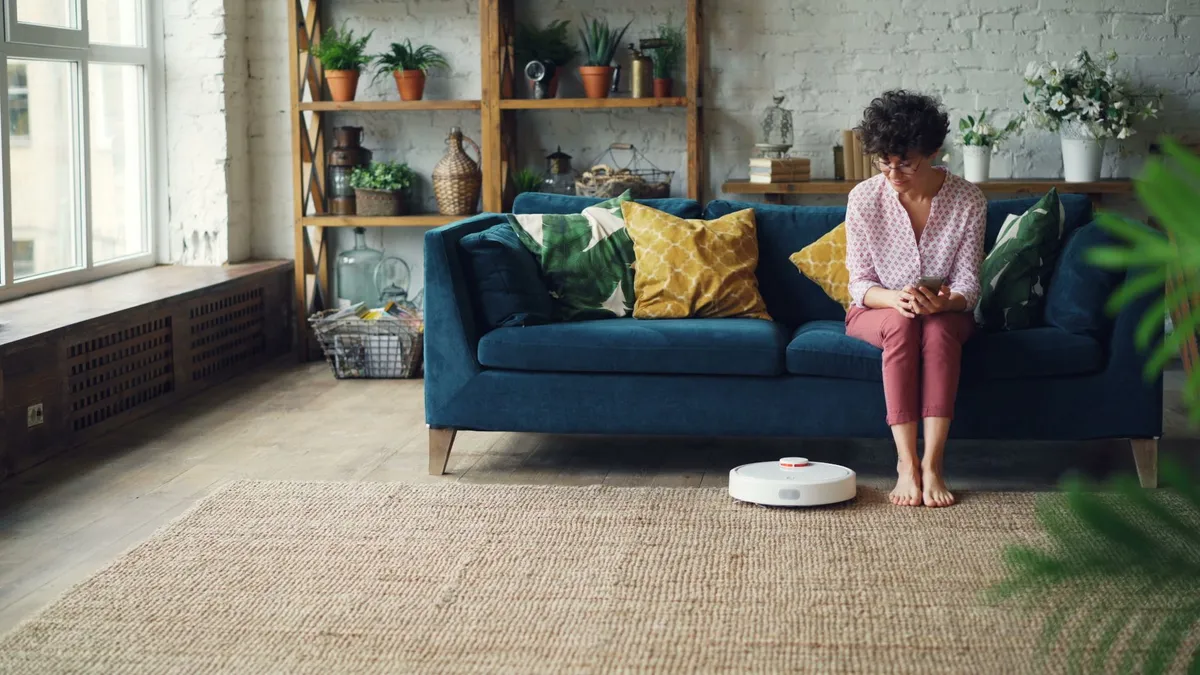
Smart home integration done well is invisible. The rooms feel more responsive, more comfortable, and more refined than their technically simple equivalents — but the technology does not announce itself. No visible hubs, no cluttered remotes, no switches that look like IT equipment. The best smart home integrations are the ones where guests do not realize they are in a smart home; they just notice that the lighting is always perfect, the temperature is exactly right, and the music follows them from room to room without anyone touching a panel.
Done badly, smart home integration becomes the dominant visual element in a room — tablets mounted at eye level, cable conduit on baseboards, voice cylinders on every surface, and switch plates in three different generations of design language from three different brands. The goal is to avoid that entirely.
The Design-First Approach to Smart Homes
Most people add smart home features reactively — a smart bulb here, a learning thermostat there — accumulating a fragmented system over time. A design-first approach plans the full system before any installation begins, ensuring that every device is specified for integration with the others, that all hardware is concealed or aesthetically considered, and that the user experience is consistent throughout the house.
The starting question is not "which smart devices should I buy?" It is "what behaviors do I want this home to have?" When the behavioral goals are clear — waking up to gradually brightening light, arriving home to a specific temperature, having the living room shift automatically from work-hour brightness to evening ambiance — the technology choices follow logically.
Lighting: The Core of a Smart Interior
Lighting is where smart integration has the most dramatic impact on interior quality. A well-programmed lighting system does several things that fixed switches cannot:
- Circadian tuning: Shifts color temperature from 6500K (cool daylight simulation) in the morning to 2700K (warm amber) in the evening, supporting natural melatonin production and better sleep.
- Scene programming: Different activities in the same room get different lighting — work, dinner, movie, evening, entertaining — activated by a single button or voice command.
- Dimming at all levels: Quality LED dimming from 0.1% to 100% without flicker, which is not achievable with standard dimmers and most commodity bulbs.
- Automatic adjustment: Occupancy sensors and daylight sensors that maintain consistent illumination regardless of cloud cover or time of day.
For design purposes, the key is specifying luminaires that work with your chosen control system. Lutron Caseta and RadioRA systems are the most reliable and widest-deployed in the US. Philips Hue is accessible and integrates with most platforms. KNX is the professional standard for whole-house custom installations.
Hidden Technology: The Hardware Challenge
Every piece of smart home hardware is a design problem to be solved, not a feature to be displayed. Strategies for concealing or integrating technology gracefully:
Switch Plates
Smart switch plates are the most visible smart home element in a room. Lutron's Palladiom and Sunnata series offer minimal square or rectangular plates in finishes that match luxury hardware. Savant and Control4 touchpad keypads can be specified in materials matching surrounding millwork. The worst outcome is mixing brands and generations of switch plates in the same room.
Hubs and Routers
Central hubs should live in an AV closet, utility room, or inside cabinet millwork — never on a shelf in a living area. Run Cat6 ethernet to all planned hub locations during construction; wireless mesh networks are convenient but introduce latency and reliability issues that structured cabling eliminates.
Speakers
In-ceiling speakers (Sonance, Polk Audio Reserve, Polk Audio Atrium) disappear into painted ceilings entirely. Architectural in-wall speakers (Leon, Sonance Portrait series) can be framed and painted to look like decorative panels. The alternative — consumer speakers placed on shelves — is the design compromise that most visibly breaks an interior aesthetic.
Television Mounting
A large television is inherently a visual intrusion when off. Options include: full motorized panel that descends from ceiling or rises from cabinet (Samsung The Frame in lift cabinet), Samsung The Frame with custom bezel that mimics art when displaying artwork mode, or a projector and motorized screen that disappears when not in use. Any of these is preferable to a black rectangle dominating a wall in an otherwise considered room.
Window Treatments and Automated Shading
Motorized shades are one of the highest-value smart home integrations in design terms because they replace visible manual hardware with a cleaner solution and add genuine functionality. A motorized roller shade or roman blind retracts completely out of sight when open and closes smoothly and precisely when programmed.
Integration with lighting scenes means that as evening lighting activates, shades close simultaneously — no manual operation, no forgetting to close them. Integration with solar radiation sensors means shades close automatically to prevent glare and reduce HVAC load during peak afternoon sun, then open again when the sun moves.
Lutron Triathlon (hardwired) and Serena (wireless) are the most reliable options. Somfy provides motors for custom window treatment workrooms. Specify fabrics with blackout or solar shade coefficients appropriate to each room's orientation.
Climate Control That Disappears
Smart thermostats are the most widely adopted smart home technology, and the gap between good and mediocre implementations is significant. A well-designed whole-house system uses multi-zone control with sensors in each room, not a single thermostat trying to approximate average conditions. This allows the primary bedroom to be cooler at night while the living room maintains comfort in the evening — a configuration impossible with a single-point thermostat.
Ecobee and Nest remain accessible options for single-zone or light multi-zone applications. Professional HVAC integration with systems like Daikin One or Mitsubishi Kumo Cloud supports more granular multi-zone control without requiring a full home automation platform.
Choosing a Platform: Compatibility Is Everything
The platform choice determines what devices are compatible, how reliably they communicate, and how the long-term system experience feels. The main options in 2026:
- Matter/Thread (open standard): Supported by Apple Home, Google Home, and Amazon Alexa simultaneously. New devices certified to Matter work across platforms without hub dependencies. Best for interoperability flexibility.
- Apple HomeKit (via Matter): The most privacy-conscious platform; all processing is on-device rather than cloud-dependent. Best when the household is fully in the Apple ecosystem.
- Lutron Integration Hub: For lighting-primary installations, Lutron's wired and wireless systems work with most major platforms and are the professional standard for reliability.
- Control4 / Savant (professional): Full custom installation systems that require a certified installer. Appropriate for whole-house integrations where consistent UX across all systems is the goal.
Visualizing Smart-Integrated Rooms
One practical challenge in smart home planning is that the design consequences of technology choices (placement of in-ceiling speakers, switch plate design, TV mounting solutions) are hard to evaluate from specification sheets. AI room visualization helps: upload your room to the design dashboard or try the free render to see how a clean, technology-integrated room looks at different design approaches. The render will show you the clean-wall aesthetic that makes smart home investment worthwhile, which helps communicate the design intent to contractors and AV installers who may default to consumer-grade placement solutions.
FAQ
What is the most impactful smart home upgrade for interior quality? Lighting control with dimming and scene programming has the highest impact on how a room looks and feels at different times of day. It is the upgrade that design professionals consistently recommend first.
How much does a whole-house smart integration cost? A professional whole-house installation covering lighting control, motorized shades, multi-zone audio, and climate integration typically runs $15,000–$60,000 depending on home size and system complexity. A DIY approach using consumer-grade Matter-compatible devices can achieve 70% of the functionality for $2,000–$8,000 with higher ongoing maintenance burden.
Does smart home integration add value at resale? Smart lighting and climate control are increasingly expected at certain price points. Professionally installed systems with clean design integration add value; visible consumer technology piled on surfaces subtracts from perceived quality. The design quality of the integration matters as much as the technology itself.
Will smart home devices become obsolete quickly? Zigbee and Matter-based devices have strong standards longevity. Wi-Fi-only proprietary devices from smaller manufacturers carry the most obsolescence risk. Specify devices from manufacturers with a track record of long-term platform support.
Can I add smart home features to a rented apartment? Yes, for wireless systems. Smart bulbs, wireless smart switches (using adhesive mounting to avoid wiring), smart plugs, and portable smart speakers require no installation beyond what a renter can remove at move-out. Avoid hardwired devices unless you have landlord permission.