Lighting Design: The Most Powerful Room Transformation Tool
Lighting design for dramatic room transformations. See how AI visualizes ambient, task, and accent lighting that changes everything without moving a single wall.
RoomRenovation.AI Team
Updated March 24, 2026
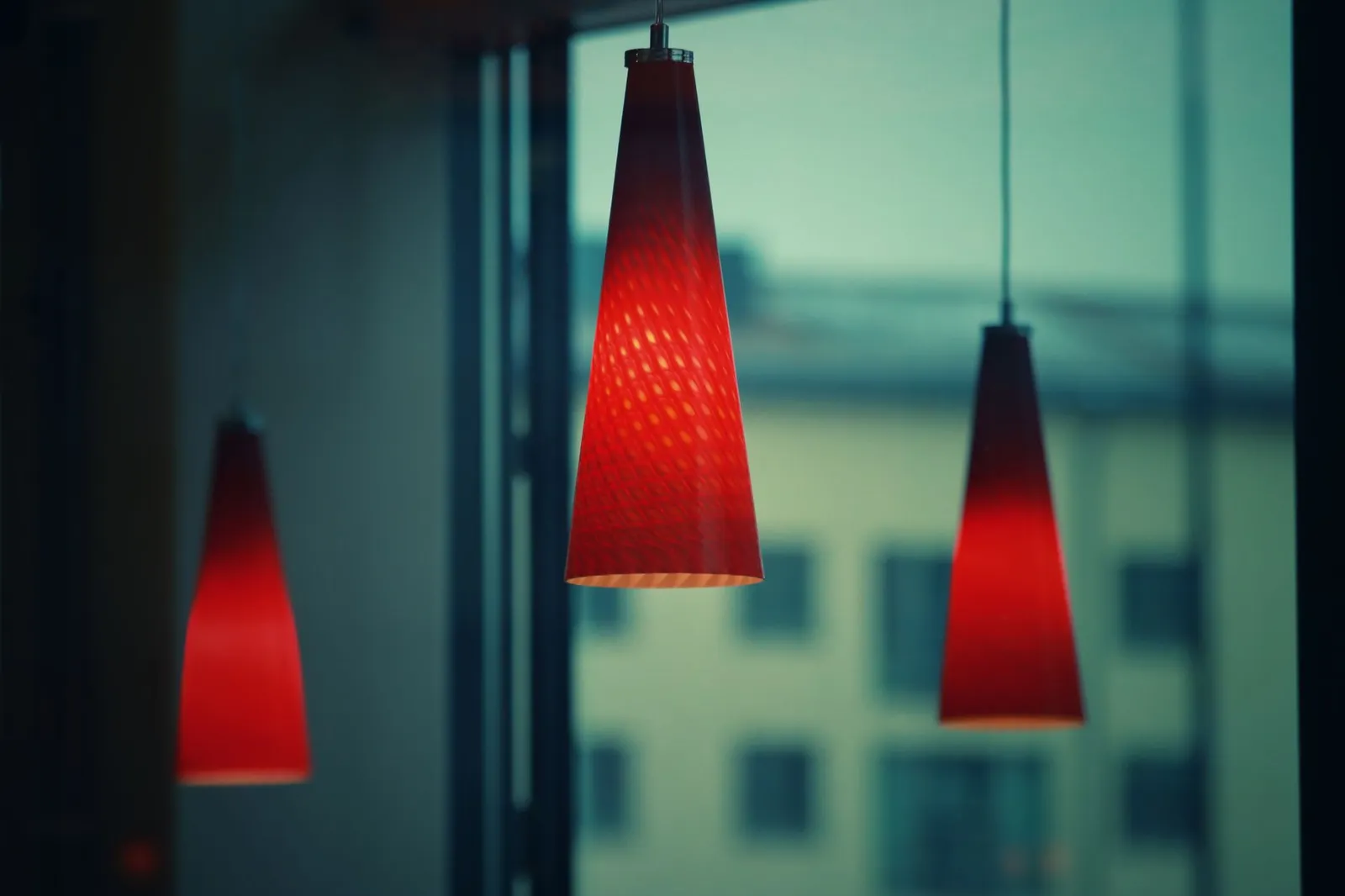
Of all the design elements that determine how a room feels, lighting design is simultaneously the most powerful and the most consistently underestimated. Paint, furniture, textiles — these change what you see. Lighting changes how you see everything. The same room with fluorescent overhead lighting versus warm, layered lamp light isn't just different in mood — it's a fundamentally different spatial experience that affects the perceived color of every surface, the apparent quality of every material, and the emotional quality of every moment spent in that room.
Why Lighting Transforms Rooms More Than Any Other Single Element
Interior designers will tell you that the most common and most expensive client mistake is making all other design decisions before establishing a lighting plan. A $4,000 sofa in cream velvet looks magnificent under warm, diffused light and cheap under cool fluorescent glare. The $200 sofa in the same space with the right lighting reads better than the expensive one with the wrong lighting. This is not hyperbole — it's the consistent experience of anyone who's lived in both conditions.
The practical implication: before investing in furniture, countertops, or renovation work, establish your lighting direction. It's the design decision that makes or breaks everything else.
The Three-Layer System: How Professional Lighting Design Works
Lighting design uses a three-layer model that virtually every successful interior space follows, whether the designer is conscious of it or not. Understanding the model gives you a framework for diagnosing what's wrong with any room's existing lighting and targeting the right fixes.
Layer 1: Ambient Lighting
Ambient light is the baseline illumination that lets you navigate and function in a space. In most rooms, this means an overhead fixture or recessed downlights. The critical principle: ambient lighting should never be the primary source of light in a finished room during occupied hours. It should be dimmable — providing a foundation that other layers build on — not a flood of undifferentiated overhead illumination.
Common ambient lighting options:
- Recessed LED downlights (most versatile; virtually invisible when off)
- Semi-flush ceiling fixtures (good in rooms with 8-foot ceilings)
- Pendant lights in larger rooms or over specific zones (kitchen islands, dining tables)
- Track lighting for flexible positioning
Layer 2: Task Lighting
Task lighting provides directed, functional light at the specific locations where you do things — cooking, reading, applying makeup, or working at a desk. Task lighting should be positioned to minimize shadows in the work area (usually from above and slightly in front of the task, not directly above the head which creates shadows).
Key task lighting applications:
- Under-cabinet strip lights in kitchens (illuminate the counter, not the space)
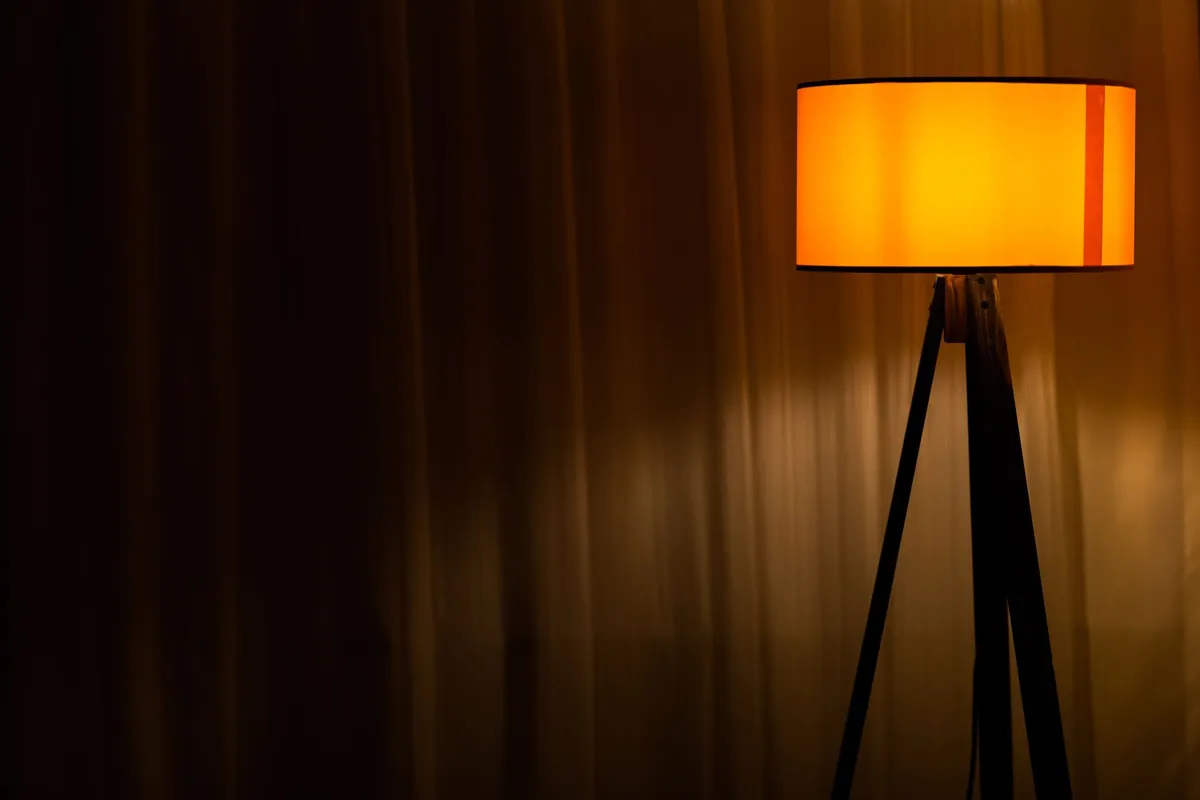
- Floor or table lamps beside reading chairs and beds
- Adjustable desk lamps at workstations
- Bathroom vanity lighting beside or above the mirror (not exclusively above, which creates unflattering downward shadows)
Layer 3: Accent Lighting
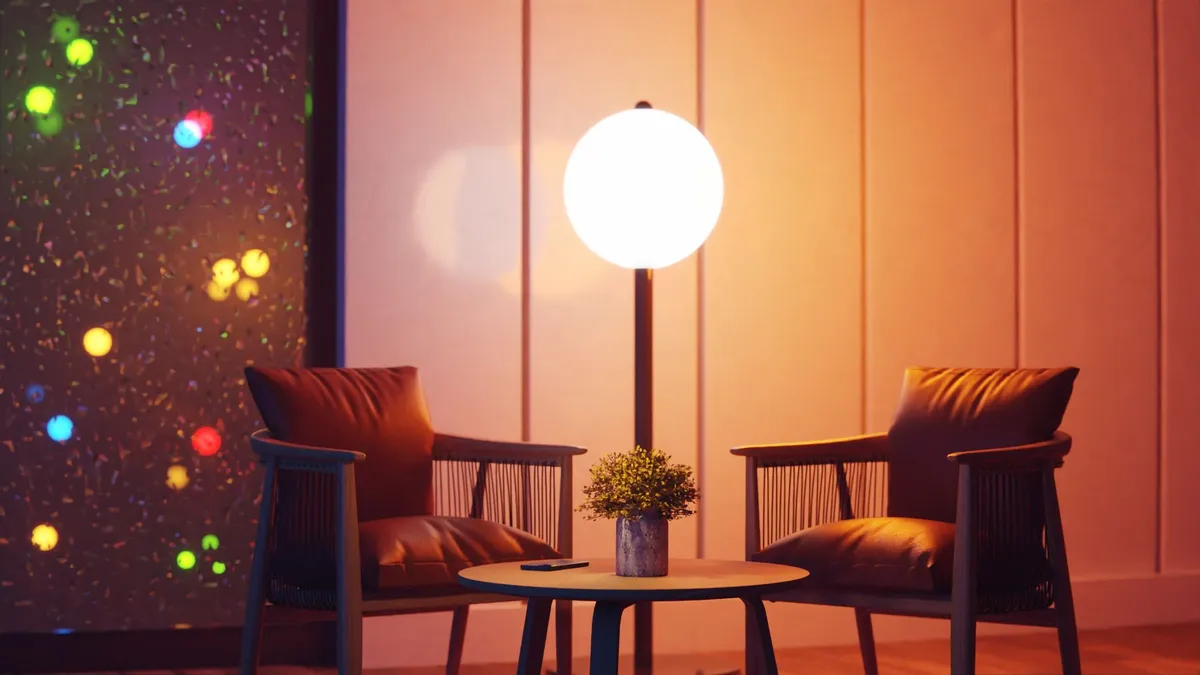
Accent lighting highlights specific objects, architectural features, or zones. It creates visual interest and depth by introducing variation in light intensity across the room. A wall with an art spotlight and a darker adjacent wall creates far more visual richness than an evenly illuminated room, even if the total light output is identical.
Accent lighting options:
- Picture lights over artwork
- LED strip lights inside glass-front cabinets
- Uplights behind large plants or architectural elements
- Directional recessed fixtures angled toward a feature wall
- Candles (analog accent lighting that has survived every design era for good reason)
Color Temperature: The Most Important Specification Nobody Reads
Light bulbs are sold by color temperature in Kelvin (K). This number determines whether a room feels warm and inviting or clinical and cold — yet most homeowners choose bulbs based on packaging brightness rather than color temperature.
- 2200K–2700K (Warm White): The range for residential living spaces; matches the quality of incandescent and candlelight; makes skin tones and wood finishes glow
- 3000K (Soft White): Acceptable for kitchens and bathrooms where color accuracy matters; slightly cooler than warm white
- 4000K (Cool White/Neutral): Appropriate for garages, laundry rooms, and detailed work tasks; unwelcoming in living spaces
- 5000K–6500K (Daylight): Best for basements and spaces with no natural light that need color accuracy; makes most residential interiors feel like an office
A room with high-quality furniture and a 5000K overhead light will feel less comfortable than a modest room with warm 2700K lighting. This is a $15 fix (a set of LED bulbs) that dramatically changes a room's character.
Dimmer Switches: Non-Optional
Any light source used in a living space should be on a dimmer. This is not an aesthetic preference — it's the difference between a lighting system that serves multiple modes (morning, work, dinner, evening) and a single-state setup that compromises all of them.
Standard dimmer switches cost $15–$35 each and take 20 minutes to install. Smart dimmers ($30–$60) add app and voice control. The cost is trivial; the impact on daily life is significant. The living room, bedroom, and dining room should be the first priority.
Room-by-Room Lighting Design
Living Room Lighting
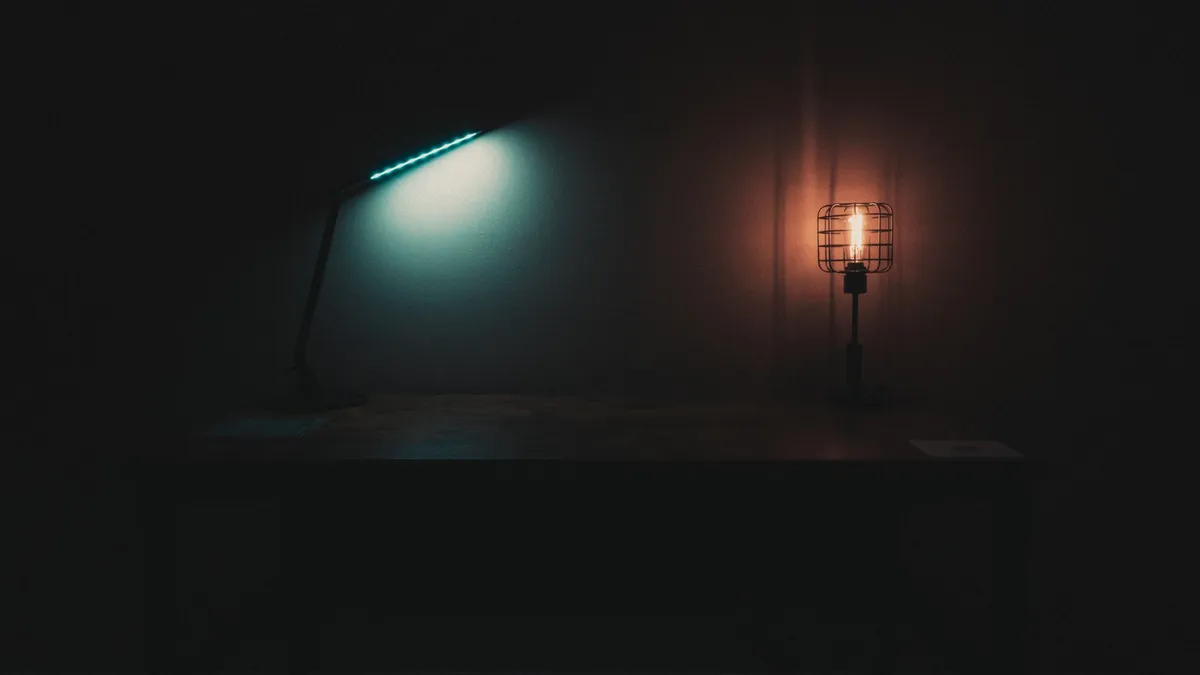
The living room needs the most sophisticated lighting design of any room because it serves the most varied activities — watching television, reading, conversation, parties, quiet evenings. The approach: ambient overhead on a dimmer at 30–50% for most occupied uses, two or three floor or table lamps creating warm pools of light, and accent lighting highlighting art or architectural details. String lights along a shelf or mantel add an informal warmth layer for evenings.
Typical installation cost: $300–$1,200 for a full three-layer system including fixtures and one dimmer switch; more if rewiring is required. Browse living room design ideas to see how lighting approaches vary across styles.
Kitchen Lighting
Kitchens need the strongest task lighting of any room and benefit enormously from layered accent lighting that reveals the quality of materials. Under-cabinet strips are the single highest-ROI lighting upgrade in most kitchens. Pendants over an island or peninsula create a focal point and visual warmth. Recessed ambient lighting on a dimmer handles morning and evening moods. See the kitchen design guide for how lighting transforms different kitchen configurations.
Bedroom Lighting
The bedroom needs exactly two functions from its lighting: bright enough for getting dressed and reading, and dimmable to dark for sleep preparation. Bedside lamps or adjustable wall-mounted reading lights replace overhead reading. A dimmable overhead (or no overhead at all — some bedrooms work better without it) handles daytime tasks. Avoid cool-white lights anywhere in a bedroom — the blue-spectrum light suppresses melatonin production. See bedroom design ideas for lighting approaches across different room sizes.
Bathroom Lighting
Most bathroom lighting is poorly designed for its primary task — applying makeup or grooming — because ceiling downlights cast downward shadows on the face. Vanity lighting positioned at face level (or at both sides of the mirror) renders the face accurately and without unflattering shadows. Overhead ambient on a separate dimmer circuit handles task lighting and atmosphere. A heated towel bar or in-floor heating can substitute for warming light effects in cold climates.
How AI Visualizes Lighting Design
Lighting is one of the design elements where AI room visualization delivers genuine insight. Upload a photo of your current space to the RoomRenovation.ai dashboard, and the render shows your actual room with a different lighting scheme applied — warm versus cool, layered versus single-source, pendant versus recessed. The difference between a room under its original fluorescent lighting and the same room rendered with warm, layered light is often the most dramatic single-element transformation the tool can show.
If you're planning a larger renovation where lighting is one component among many, the free render lets you establish the lighting direction first, then layer in other changes on subsequent renders. The examples gallery includes lighting-transformation focused before-and-afters that illustrate just how fundamentally light changes a space.
Common Lighting Mistakes and How to Fix Them
- The single overhead light: Fix with floor lamps, table lamps, and dimmer installation before buying anything else for the room
- Wrong color temperature: Replace daylight (5000K+) bulbs with warm white (2700K) in all living spaces immediately
- Underpowered task lighting: Under-counter strip lights in the kitchen and bedside reading lamps are functional necessities, not luxuries
- No accent lighting: Add at least one art light or spotlight to introduce depth; the cost is low and the visual effect is disproportionately large
- Bathroom ceiling-only lighting: Add a side-lit vanity mirror or separate sconces at face height
Lighting Budgets: What to Expect
Lighting upgrades span a wide range based on complexity and the need for electrical work:
- Bulb swap only: $15–$40 per room; the highest-value change per dollar available in most homes
- Dimmer installation: $15–$35 per switch (DIY) or $80–$150 per switch (electrician)
- Adding floor or table lamps: $50–$400 per fixture depending on quality
- New pendant or ceiling fixture: $100–$800 for the fixture; $100–$300 installation if wiring exists
- New recessed lighting circuit: $500–$2,000 depending on the number of cans and accessibility for wiring
- Full kitchen under-cabinet strip lighting: $150–$500 for materials; $200–$500 for hardwired installation
FAQ
What's the single most impactful lighting change in most homes? Replacing cool-white or daylight bulbs with 2700K warm-white LEDs in living rooms and bedrooms. It costs $20–$40 and changes the felt quality of the space immediately.
How many light sources does a living room need? At minimum: one overhead (dimmable), two side lamps, and one accent element. More is usually better in a large room — aim for one light source per functional zone plus one accent per significant wall.
Can I install dimmer switches myself? Yes, if your home has standard wiring and you're comfortable with basic electrical work. Turn off the circuit breaker, swap the switch, restore power. It takes 15–20 minutes per switch. If unsure, hire an electrician — the cost is modest and the safety case is clear.
Do smart bulbs or smart switches work better for whole-home dimming? Smart switches are generally preferred by interior designers because they maintain bulb compatibility and allow any bulb to be dimmed. Smart bulbs require smart switches to be left "on" and cause confusion when guests use standard toggle switches. For a cohesive system, smart switches are the better foundation.
How does lighting affect the perception of room size? Lower light sources (table and floor lamps) make ceilings feel higher and rooms feel more intimate. Bright overhead-only lighting makes rooms feel institutional and flattens spatial depth. Uplights behind large plants or into architectural niches add perceived depth by creating zones of different light intensity.