
Global Bohemian Interior Design: Worldly Decor for Free Spirits
Global bohemian design collecting textiles, art, and furniture from around the world. See how to create a collected-over-time look without traveling.
RoomRenovation.AI Team
Updated March 24, 2026
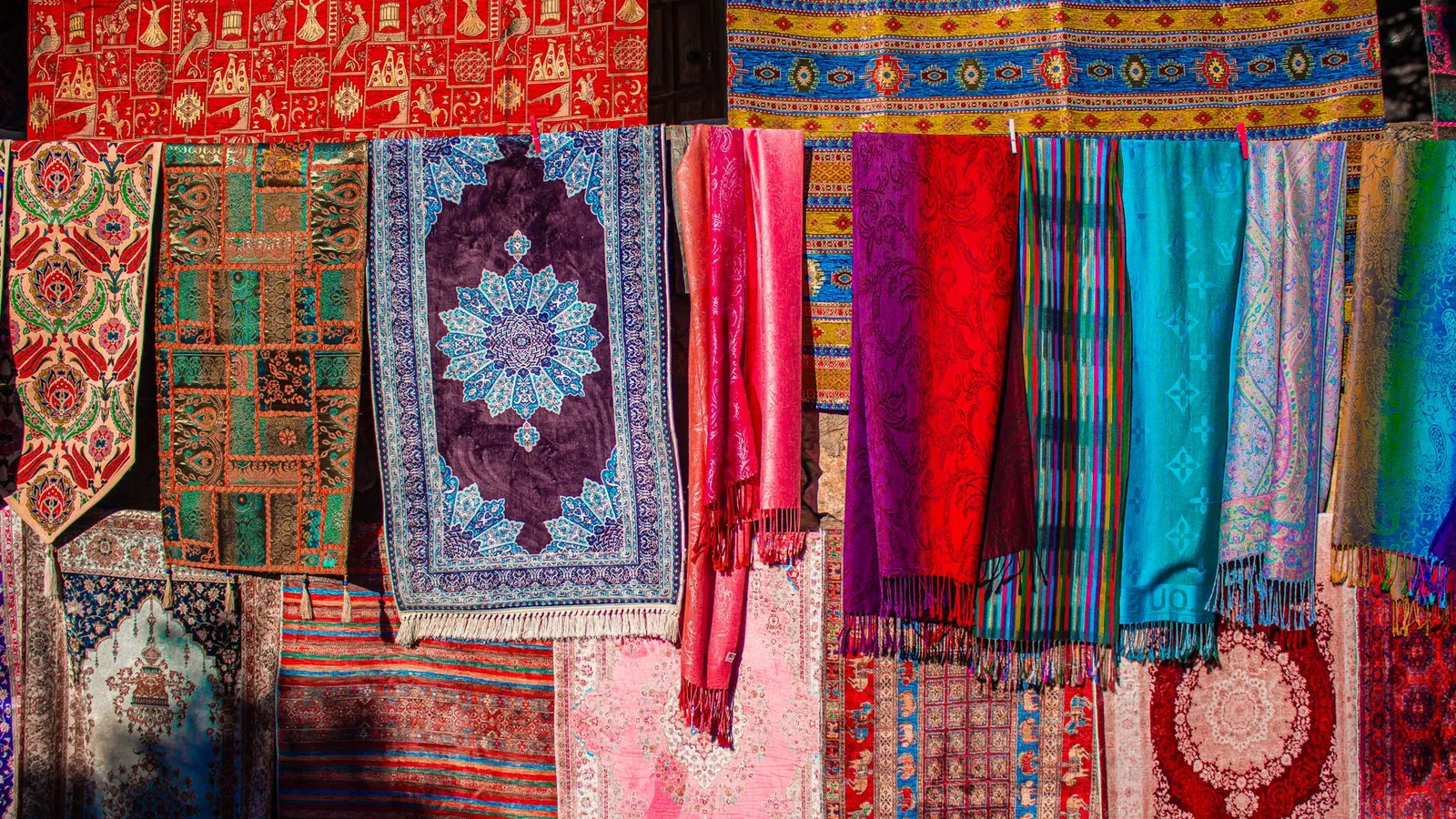
Global bohemian interior design is the art of assembling a room that feels genuinely collected over time — textiles from Morocco, pottery from Mexico, carved wood from Southeast Asia, kilim rugs from Turkey, batik pillows from West Africa — coexisting in a space that reads as deeply personal rather than chaotic. The style rewards curiosity, travel, and an openness to objects that carry cultural history. But it also rewards careful editing: the rooms that look authentically bohemian are the ones where the curator's eye is constantly at work, choosing what to include and, more importantly, what to leave out.
Global Bohemian vs. Standard Boho: What's Different
Mainstream bohemian design — macramé wall hangings, pothos vines, Urban Outfitters rattan mirrors — is a coherent look but a relatively narrow one. Global bohemian expands the frame dramatically: textiles from five continents, objects with genuine provenance, a visual complexity that comes from actual cultural diversity rather than a single aesthetic trend.
The key distinguishing qualities:
- Multicultural sourcing: objects carry recognizable cultural DNA — the geometry of a Berber rug, the lacquerwork of a Vietnamese cabinet, the indigo dyeing of Japanese textiles
- Patina and age: preference for items that show use and time rather than manufactured distressing
- Layering over matching: the goal is accretion and density, not coordination
- Personal narrative: the best global bohemian rooms are readable as personal history — the objects tell you something true about the person who assembled them
The Foundation: What Goes Under Everything
Global bohemian rooms need structural anchors that can absorb the complexity above them. Three foundation elements:
The Rug
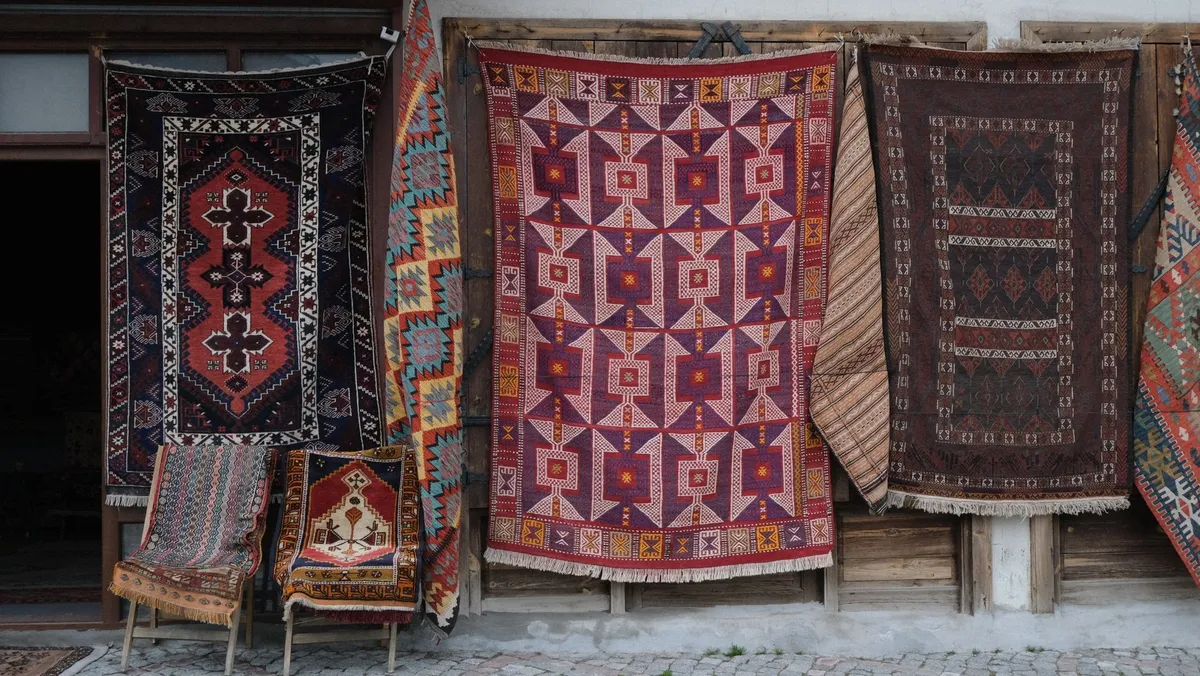
A large, patterned rug is the most important single decision in a global bohemian room. Authentic kilims, Moroccan Beni Ourain rugs, Turkish overdyed vintage rugs, and dhurries are the canonical choices. They bring color, pattern, and cultural reference simultaneously, and they anchor layered seating arrangements. A real vintage rug has depth that machine-printed reproductions can't replicate — the color variations from hand-dyeing, the slight irregularities in weaving, the patina of age.
Neutral Walls
Counterintuitively, global bohemian rooms often work best with white, cream, or warm plaster walls. The room gets all its color from the objects; the walls are the gallery, not the artwork. Terracotta or warm adobe tones also work well, referencing Mediterranean and Southwest building traditions.
Natural Wood Floors
Raw wood floors — wide-plank hardwood, distressed oak, painted concrete — provide a grounding naturalism. Heavily patterned rugs placed over busy floor patterns create visual chaos; on simple wood or stone, they anchor and articulate the space.
Textile Layering: The Core Skill
The thing that distinguishes great global bohemian rooms from mediocre ones is usually textile layering. This means:
- Multiple rugs overlapping: a large flatweave base rug with a smaller, more detailed kilim or Moroccan pile rug layered off-center on top
- Throws on every seating surface: wool throws, cotton ikat blankets, embroidered shawls casually draped rather than formally folded
- Pillow mixing: a sofa with five to nine pillows of varying sizes in wildly different patterns and cultural origins that share only a loose color family
- Wall textiles: tapestries, vintage textile fragments, embroidered panels, weavings used as wall art — often more interesting than framed prints
- Curtain layering: sheer linen or muslin undercurtains plus heavier printed or embroidered panels
The color approach: choose one loose color family as a thread connecting the textiles — warm terracotta and indigo, or deep forest greens and rust, or natural neutrals with bright turquoise accents. Within that family, print mixing is unlimited.
Furniture: Low, Natural, and Culturally Specific
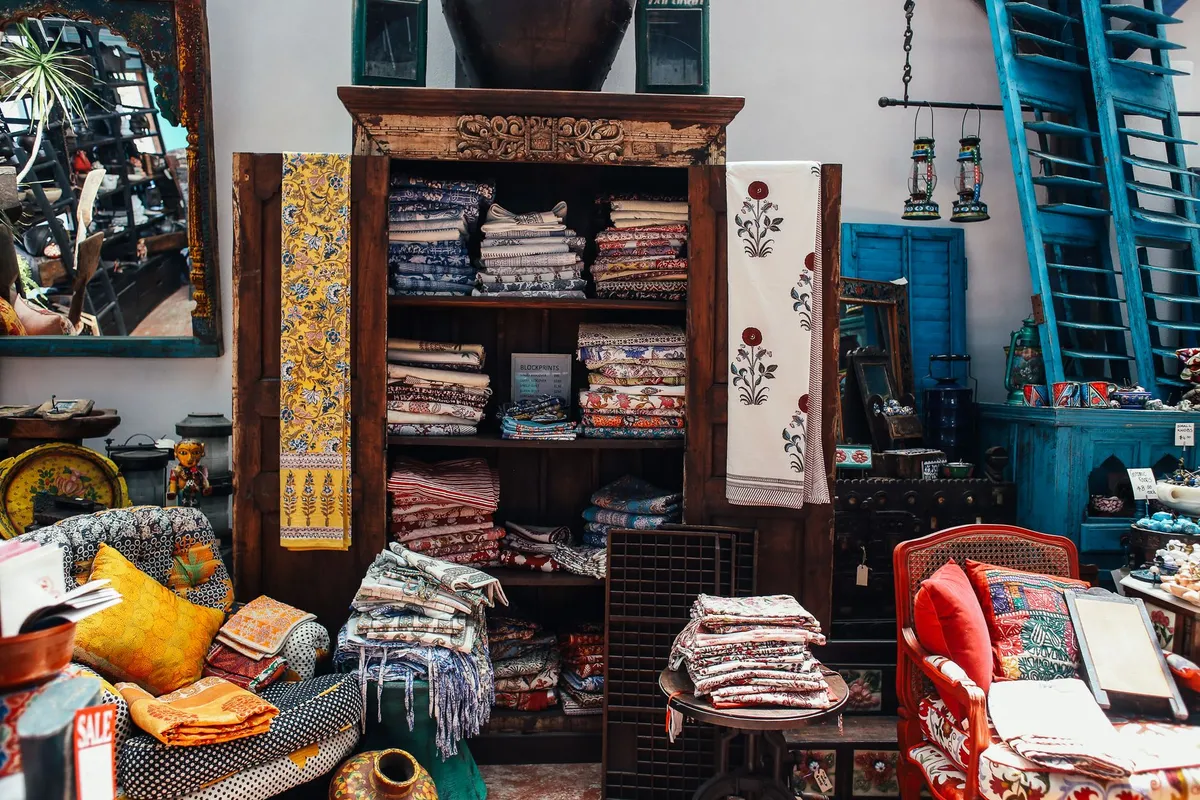
Global bohemian furniture tends toward low profiles — floor cushions, poufs, low-slung sofas, platform beds. This horizontality creates a relaxed, democratic quality to the space. Key furniture types:
- Moroccan poufs: leather or fabric ottomans that serve as coffee tables, extra seating, and footrests
- Carved wood pieces: Indonesian coffee tables with relief carving, Indian carved wood consoles, Chinese lacquered cabinets
- Rattan and bamboo: chairs, shelving, plant stands — adds lightness between heavier pieces
- Brass and copper objects: Moroccan lanterns, Indian brass trays, Tibetan singing bowls repurposed as decorative objects
- Camel bone or mother-of-pearl inlay: typically in mirrors, trays, or small cabinets
Art and Objects: The Collected Look
Global bohemian rooms often feel like curated museums of personal experience. The art and object approach:
- Gallery walls with intention: mix photography, textiles, small paintings, masks, and framed prints. Use mismatched frames of varying materials rather than uniform gallery frames.
- Open shelving arrangements: shelf "vignettes" that mix books, ceramics, plants, small sculptures, and travel objects
- Woven and ceramic vessels: large ceramic vases, hand-woven baskets, handmade pottery grouped by material family
- Candles and lanterns: Moroccan brass lanterns, beeswax candles in ceramic holders, hurricane glass — layered lighting that creates atmosphere
How to Build a Global Bohemian Room Without Traveling
Travel sourcing is ideal but not required. Excellent sources in the US:
- World Market and Pier 1 for accessible price-point textiles and accessories
- Etsy sellers specializing in handwoven and vintage kilim imports
- Local antique markets for objects with genuine patina
- International grocery districts in major cities, which often have imports of ceramics, textiles, and kitchen objects
- Estate sales, which frequently surface objects from well-traveled families
The editing principle: buy things you genuinely love or find genuinely interesting, not things that look "bohemian" in a catalog sense. A room assembled from authentic personal taste — even without expensive or rare pieces — reads as more authentic than a room assembled from a shopping list.
What Rooms Work Best for Global Bohemian Style
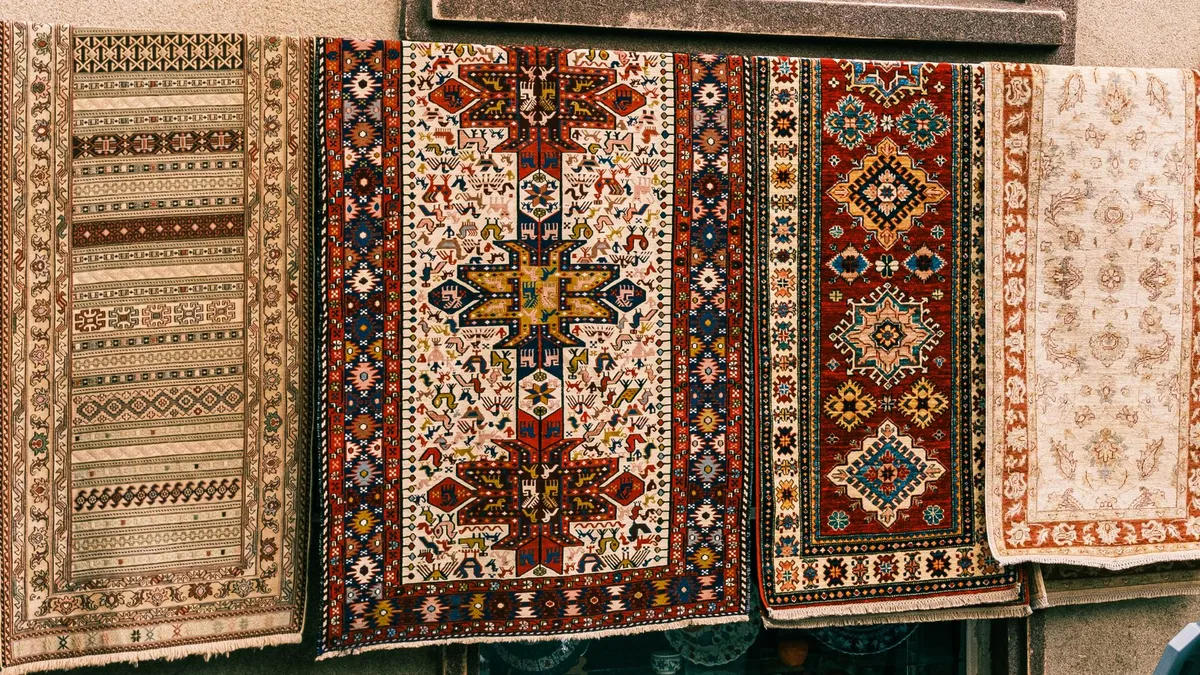
Living rooms are the ideal canvas — they have the square footage to support layered furniture arrangements and the visual complexity the style demands. Bedrooms in the global bohemian style feel deeply personal and cozy, with layered bedding, textile headboards, and candlelight creating a sense of sanctuary. Even kitchens can carry the style through hand-painted tiles, open shelving, and mismatched ceramics.
Want to see how a global bohemian aesthetic would transform your actual room? Generate a render at RoomRenovation.AI or explore the full style library at the dashboard.
FAQ
What is global bohemian interior design? It's a style that draws from textiles, furniture, and decorative objects across multiple world cultures — Moroccan, Indian, African, East Asian, Mexican, Turkish — assembled in a room that feels personally curated and collected over time rather than purchased in a single shopping trip.
How do I keep global bohemian from looking cluttered? The key is editing and color cohesion. Decide on a loose color family and make sure the majority of your textiles share enough of that palette to feel connected. Remove anything that feels like it's there because of the "style" rather than because you genuinely love it.
Can I create global bohemian design on a budget? Absolutely. Thrift stores, estate sales, and international marketplaces are excellent low-cost sources. A $40 vintage kilim from an estate sale carries more character than a $200 mass-produced imitation. Patina and authenticity don't correlate with price.
What's the difference between bohemian and eclectic design? Bohemian implies a specific cultural reference — counterculture, artistic community, freedom from convention — and tends toward layering and richness. Eclectic is a broader term meaning "mixing styles intentionally." Global bohemian is a subset of eclectic that specifically draws from diverse world cultures.