
Tropical Interior Design: Bring paradise Home with AI Visualization
Tropical interior design with lush plants, natural materials, and vibrant colors. See how to transform any room into a relaxing island retreat.
RoomRenovation.AI Team
Updated March 20, 2026
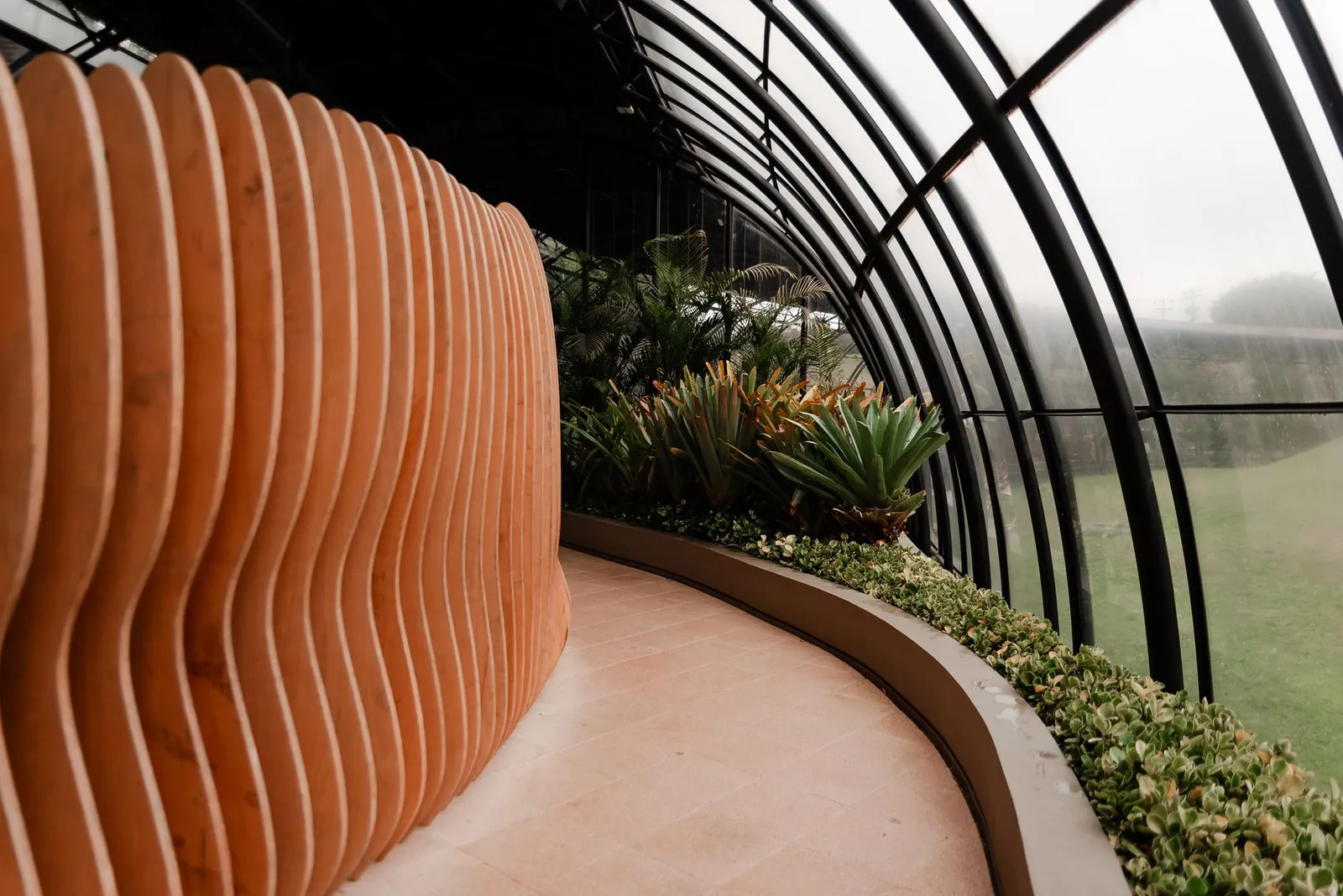
Tropical interior design is one of the most genuinely transportive styles available to homeowners — when it's executed with restraint and botanical intelligence, a room can feel like a luxury resort in Bali or a plantation house in Costa Rica, complete with layered greenery, natural materials, and a color palette borrowed from the jungle rather than a paint chip fan. This guide covers everything you need to know to create a tropical interior that reads as lush and intentional rather than theme-park-ish, and how AI visualization can help you test the look in your actual space before touching a thing.
What Defines Tropical Interior Design
Tropical design draws from the aesthetic traditions of Southeast Asia, the Caribbean, Central America, and the Pacific Islands — places where architecture and interiors respond to heat, humidity, and abundant natural beauty. The style is characterized by five defining qualities:
- Abundant plant life: Not just a potted plant in the corner — layered, diverse, generous greenery that brings the outdoors in
- Natural materials: Rattan, bamboo, teak, sisal, linen, and woven grass dominate over synthetic materials
- Warm, saturated color: Leafy greens, warm whites, terracotta, deep teal, and botanical prints characterize the palette
- Indoor-outdoor flow: Sliding glass doors, open windows, and transitional spaces blur the boundary between inside and outside
- Handcraft and texture: Woven rugs, hand-thrown ceramics, carved wood objects, and textile art contribute tactile richness
The Tropical Color Palette
Successful tropical interiors typically anchor in a warm, light base — warm white, cream, or light sand — and layer in color through plants, textiles, and art. The plants themselves are among the most important color contributors; a room with 12 plants in varied greens has a richer palette than anything achievable with paint alone.
Color Combinations That Work
- Classic tropical: Warm white + deep botanical green + rattan natural + terracotta accent
- Coastal tropical: Soft white + teal + driftwood + woven grass
- Bali-inspired: Deep teak brown + cream + sage + hammered brass + stone
- Caribbean vibrant: Mango orange + aqua + warm white + weathered wood
The most common mistake in tropical design is reaching for neon or cartoon-bright colors. Real tropical interiors are sophisticated, not garish — the vibrancy comes from layered organic materials and living plants, not from saturated paint choices.
Plants: The Non-Negotiable Core
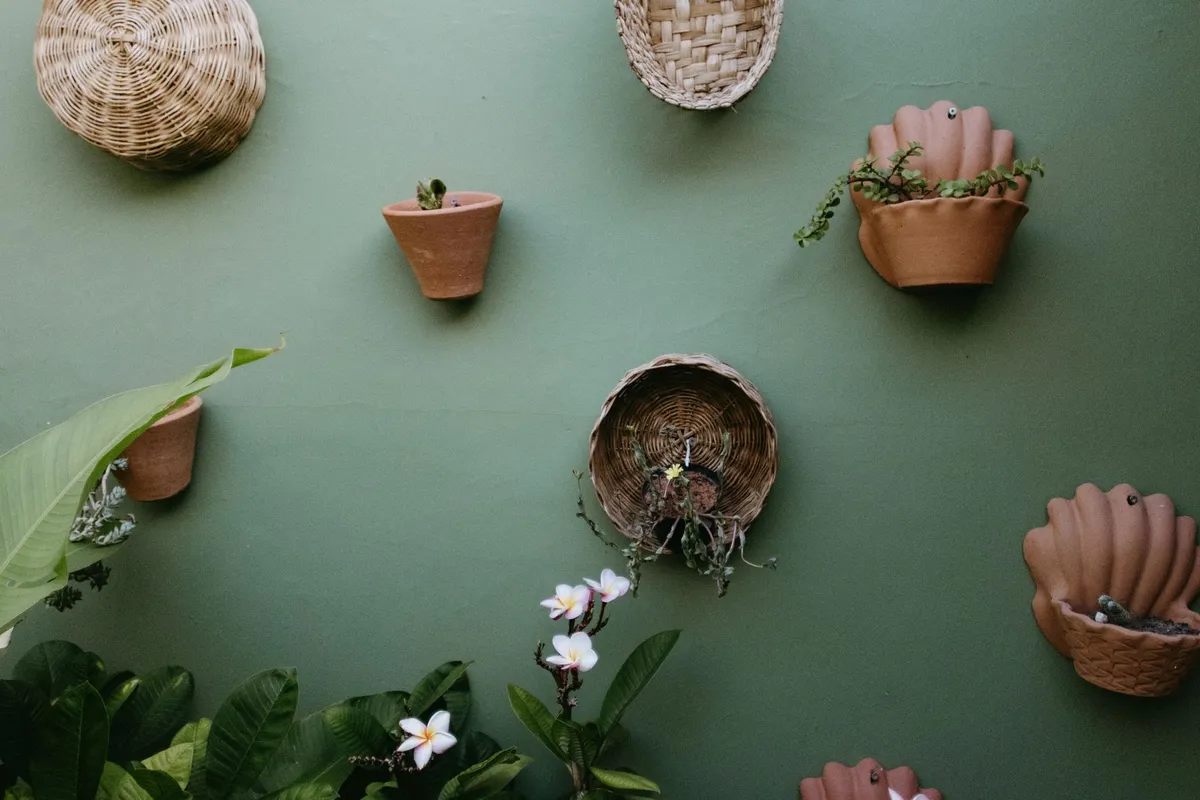
You cannot create a convincing tropical interior without plants. This isn't a style that works with token greenery. The goal is layered botanical abundance — tall statement plants, medium-height groupings, trailing vines, and small specimens filling windowsills and shelves.
Best Plants for Tropical Interiors
- Statement plants (above 4 feet): Fiddle-leaf fig, bird of paradise, monstera deliciosa, areca palm, giant dracaena
- Mid-height plants: Rubber tree, ZZ plant, philodendron, croton (for color), peace lily
- Trailing and cascading: Golden pothos, heartleaf philodendron, string of turtles, wandering dude
- Windowsill and shelf plants: Calathea, prayer plant, small succulents, air plants
Group plants in odd numbers and at varying heights. A floor-level snake plant next to a waist-high rubber tree next to a tabletop calathea creates visual depth that a row of same-size plants never achieves. Use planters in terracotta, woven grass baskets, and ceramic to reinforce the natural materials theme.
Natural Materials: Furniture and Surfaces
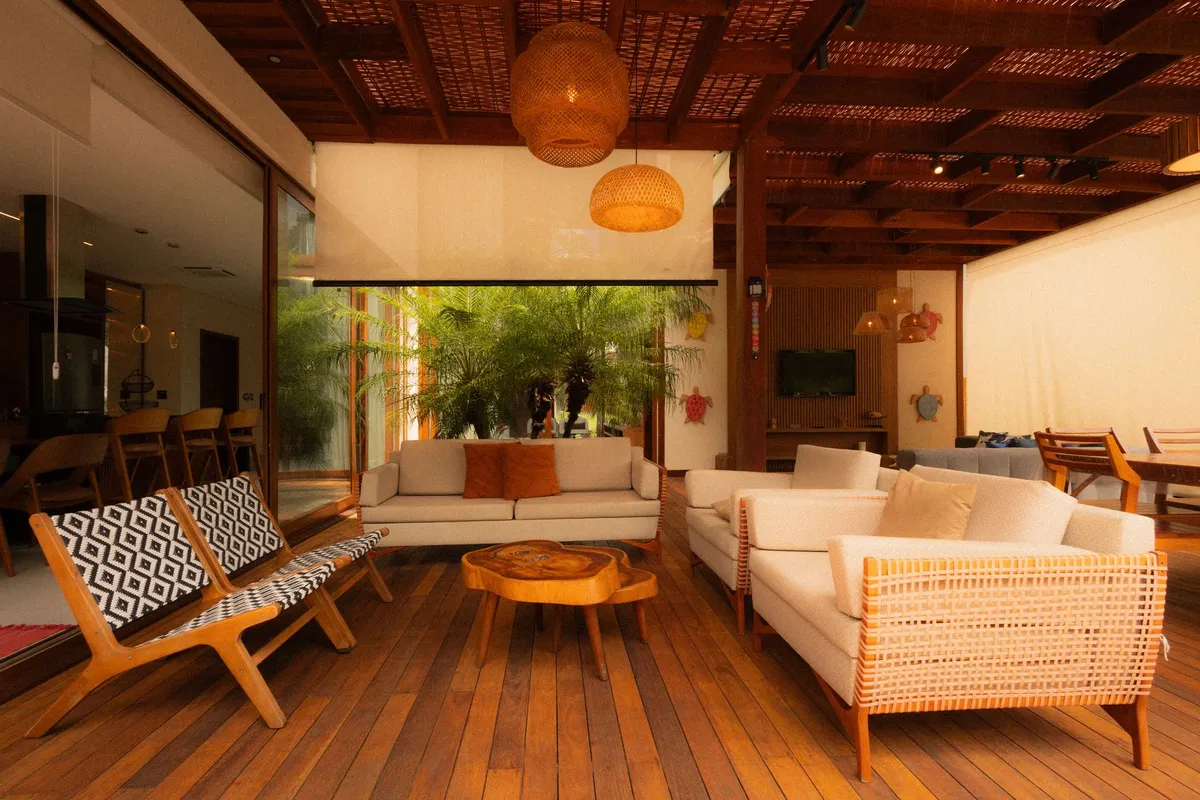
Rattan and bamboo are the defining furniture materials of tropical design — not because every piece needs to be wicker, but because these materials anchor the room in organic warmth that synthetic alternatives can't replicate. A rattan sofa or chairs in a living room immediately establish a tropical direction that other design decisions can build on.
Key Furniture and Surface Materials
- Rattan and wicker: Chairs, side tables, pendants, baskets, and mirror frames
- Teak and tropical hardwood: Tables, bed frames, shelving, and architectural details
- Bamboo: Flooring, blinds, furniture frames, and decorative screens
- Sisal, jute, and seagrass: Rugs and floor coverings that reinforce the botanical direction
- Stone and ceramic: Tile flooring, vessel sinks, and decorative objects in earthen tones
Avoid pairing tropical natural materials with metal-and-glass modernism — the contrast rarely resolves gracefully. Chrome, lucite, and lacquered white cabinets belong to different aesthetic vocabularies. If you want a contemporary tropical feel, brushed brass and matte black metal work far better with rattan than chrome or polished nickel.
Textiles and Botanical Prints
Tropical textiles bridge the gap between the greenery and the furniture. Botanical print pillows, palm-leaf pattern curtains, and woven throws in sandy or leafy tones all reinforce the style without requiring you to paint the walls green or install bamboo flooring.
Key textile considerations:
- Linen and cotton in natural and warm tones for upholstery and curtains
- Botanical prints on one or two accent pillows (resist the urge to go all-over pattern — it becomes exhausting)
- Outdoor-rated fabrics for furniture near windows or in screened porches
- Hand-woven throws in earthy tones for softness without pattern competition
Lighting for Tropical Interiors
Natural light is the most important lighting consideration in tropical design. These interiors depend on warm, abundant natural light to animate the plants and reveal the beauty of wood grain and woven textures. If your space lacks good natural light, it needs to be compensated for — tropical design loses much of its appeal under harsh fluorescent overhead lighting.
For artificial lighting:
- Pendant lights in rattan or bamboo create dramatic islands of warm light
- Warm-toned LED bulbs (2700K) are essential — cool white kills the warmth of natural materials
- Floor lamps with linen shades complement plants and add vertical light layers
- Candles and lanterns for evening atmosphere
Visualizing Tropical Design in Your Actual Room
The challenge with tropical design is that it's genuinely difficult to imagine fully formed from a bare room. The transformation from a beige-carpet, white-wall interior to a lush tropical environment requires so many simultaneous changes that the gap is hard to bridge mentally.
AI visualization solves this directly. Upload a photo of your current room to the RoomRenovation.ai dashboard and select a tropical style direction. The render will show you your actual space with lush plants, rattan furniture, warm lighting, and tropical textiles applied — not a generic showroom, but a version of your room. If you want to test multiple directions (classic tropical versus coastal versus Bali-inspired), generate each one and compare. The free room render gives you a working preview at no cost.
For rooms where the transformation involves significant renovation — new flooring, kitchen tile, or bathroom changes — the bathroom and kitchen cost guides provide 2026 USD estimates to help you budget realistically.
Room-by-Room Tropical Application
Tropical Living Room
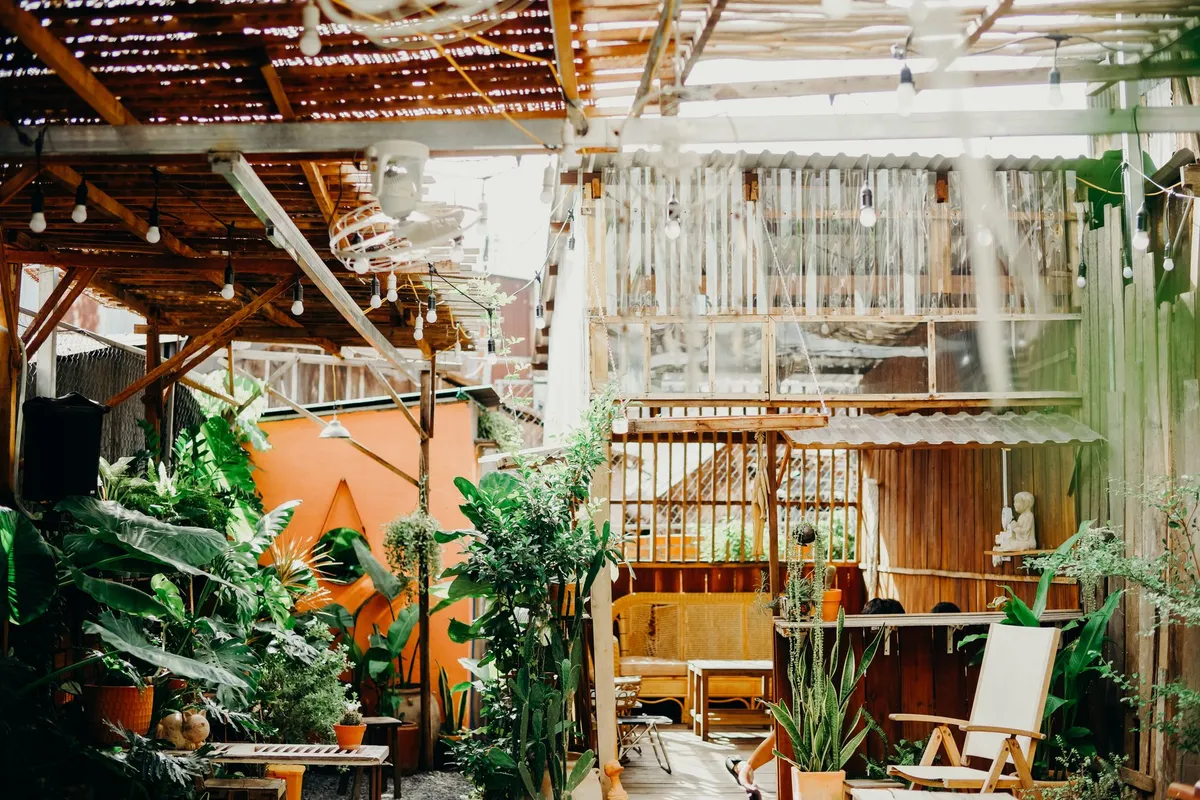
This is where the style shines most fully. A bird of paradise or monstera as a statement plant, rattan accent chairs, a sisal rug, botanical print cushions, and a woven pendant light — these elements together create an unmistakably tropical environment. Browse living room ideas for style variations.
Tropical Bedroom
Linen bedding in natural tones, a teak or bamboo bed frame, trailing plants on the nightstand, and sheer curtains filtering morning light create a genuinely restful tropical bedroom. The key is restraint with pattern — let the plants and natural materials carry the botanical quality. See bedroom design ideas for examples.
Tropical Kitchen and Dining
Even kitchens benefit from the tropical approach: open shelving displaying ceramics and plants, a pendant in rattan or bamboo over the table, and a window garden of herbs. The kitchen guide covers how these details translate across different kitchen sizes and configurations.
FAQ
How much do plants actually cost to establish a tropical interior? A meaningful plant collection — 8–15 plants in varied sizes — typically costs $150–$400 depending on species and pot choices. Large statement plants like fiddle-leaf figs or bird of paradise run $40–$120 each; smaller specimens cost $10–$30. This is some of the best design investment available given the visual impact.
Can tropical design work in a small apartment? Yes, especially well. Even a small room can feel lush with a concentrated plant grouping, one rattan chair, and warm lighting. The style doesn't require a large footprint — it requires density and layering, which a small space can achieve.
What if I don't have a green thumb? Pothos, snake plants, ZZ plants, and dracaenas are almost impossible to kill and still look genuinely tropical. These are the right starting point; expand into more demanding species as your confidence grows.
Is tropical design very expensive to implement? Not necessarily. Rattan furniture is widely available at accessible price points, plants are inexpensive for the impact they deliver, and natural-fiber rugs are competitively priced. The main investment is patience — layering the space over several months rather than buying everything at once almost always produces better results.
How do I handle a room with very little natural light? Choose low-light plants (snake plant, ZZ, peace lily, pothos), use warm artificial lighting generously, and lean into the night-time tropical atmosphere rather than fighting the room's light conditions. Some of the most successful tropical interiors in apartments with north-facing windows work precisely because they create a moody, lantern-lit feel rather than attempting to simulate full tropical sunlight.