
Mediterranean Interior Design: Sun-Kissed Elegance
Bring Mediterranean warmth into your home with terracotta, wrought iron, and vibrant colors. Create a sun-drenched paradise.
RoomRenovation.AI Team
Updated March 24, 2026
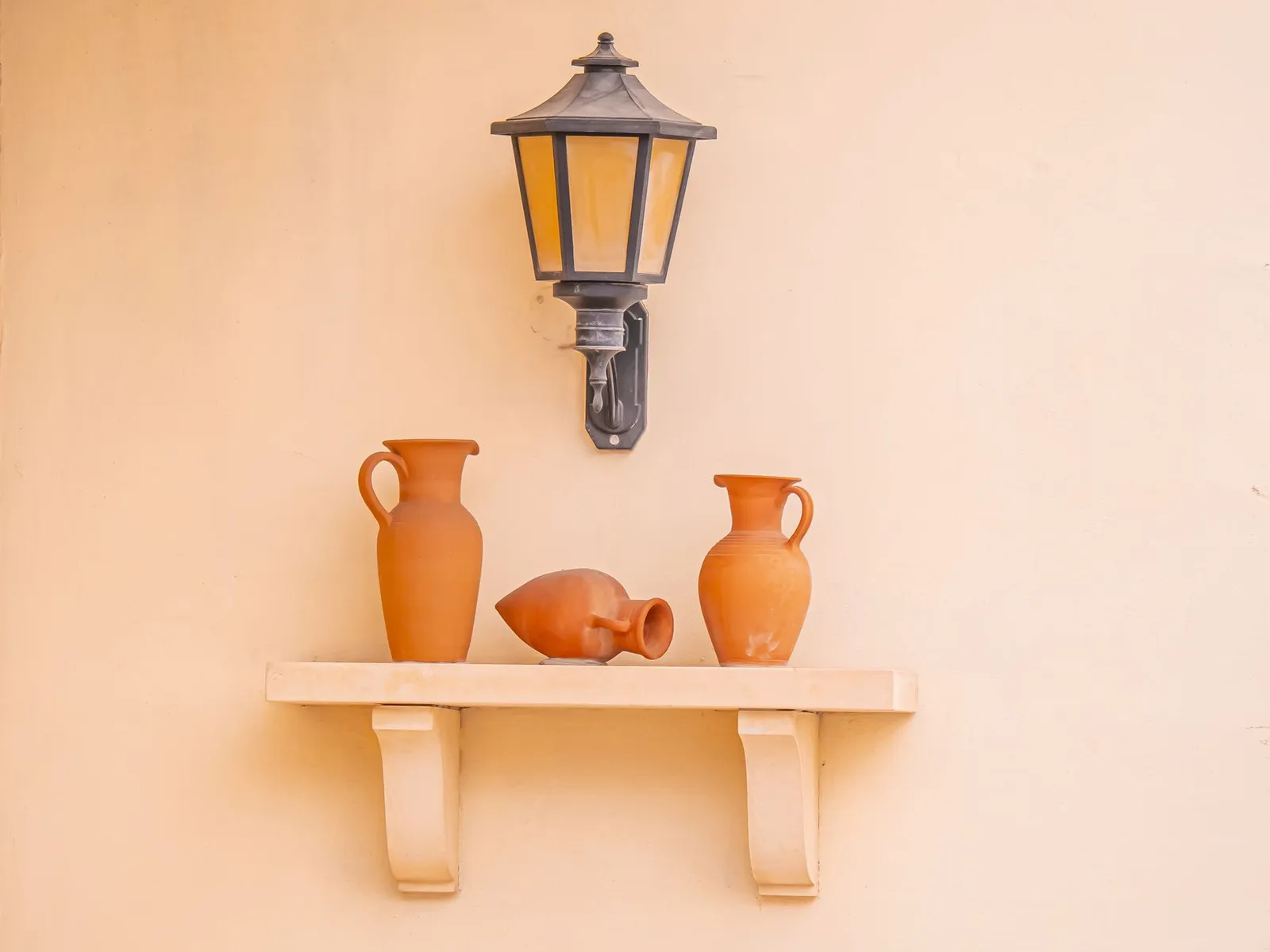
Mediterranean interior design carries the accumulated warmth of centuries of sun-drenched living across southern Europe and North Africa — terracotta floors worn smooth by generations, whitewashed walls that glow in afternoon light, wrought iron as black as olive branches, and the relentless presence of blue sea and sky in every material choice. Bringing this aesthetic indoors doesn't require a villa in Santorini; it requires understanding the sensory and material logic that produces it.
The Roots of the Aesthetic
Mediterranean style encompasses three regional expressions that share a common vernacular: Spanish (Moorish arches, hand-painted Talavera tile, dark carved wood), Italian (travertine, aged plaster, classical proportion), and Greek/coastal (blue-and-white palette, whitewash, maximum light). All three draw from the same material sources — clay, stone, iron, and locally grown wood — because for centuries these were the available materials. The design philosophy that emerged from that constraint is honest, durable, and beautiful precisely because it works with the landscape rather than against it.
Contemporary Mediterranean interiors in American homes translate these vernacular elements into livable spaces that don't feel like theme restaurants — warm but not kitschy, referential but not pastiche.
The Core Material Palette
Terracotta
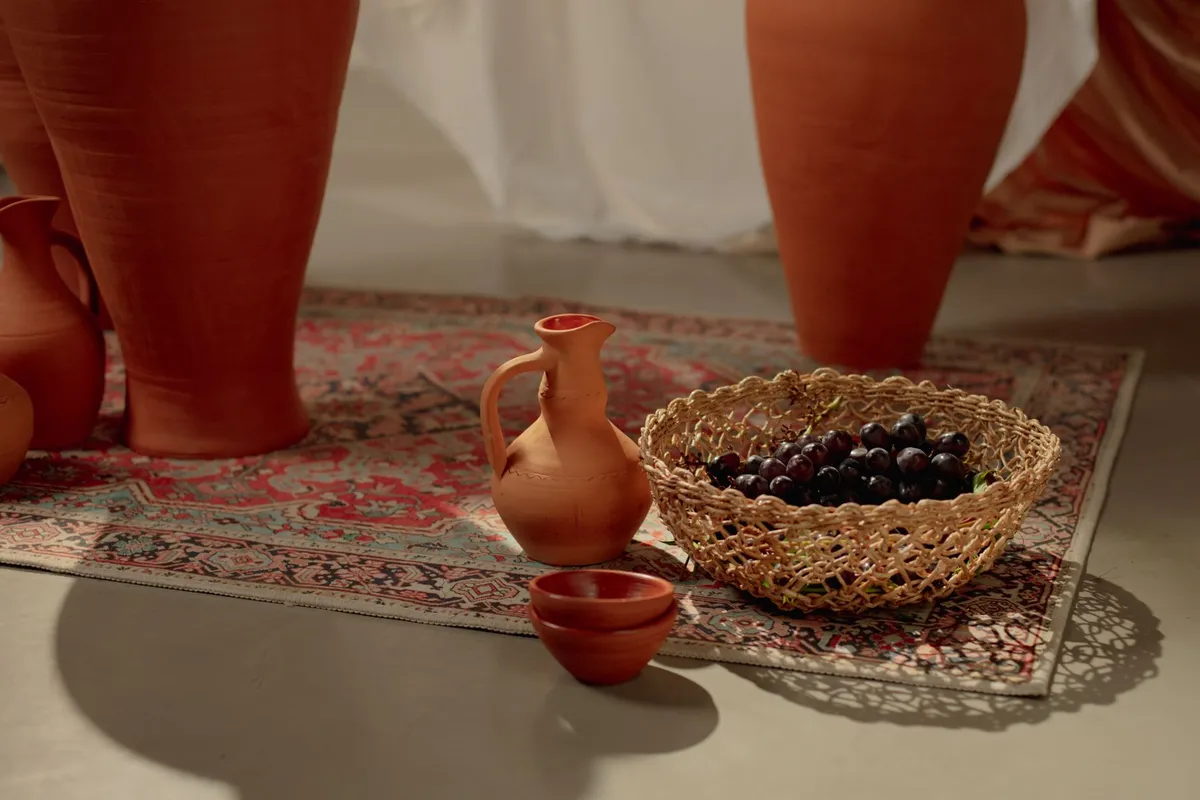
Terracotta — literally "baked earth" — is the defining material of Mediterranean design. As floor tile, wall tile, pottery, and planter, it appears in every room type. The warm, slightly irregular surface that characterizes handmade terracotta tiles is what gives Mediterranean floors their distinctive quality: each tile is slightly different in color and surface, creating a mosaic effect that industrial tile cannot replicate.
For floors, hexagonal terracotta pavers or square unglazed tiles sealed with a penetrating sealer are the authentic choice. For walls, hand-painted Spanish or Talavera tiles used as a kitchen backsplash or bathroom accent deliver concentrated Mediterranean character in a manageable scale. For accessories, terracotta pots, pitchers, and bowls ground any surface they occupy in the aesthetic.
Plaster Walls
Smooth plaster in warm white, creamy ivory, or soft ochre is the wall surface of the Mediterranean world. The texture of real plaster — never perfectly flat, with the slight variance of a hand-troweled surface — is what distinguishes the authentic look from paint. Venetian plaster, microcement, or limewash paint all approach this quality to varying degrees without requiring a full plaster restoration.
The visual effect is warmth without color: the wall glows with a subtle luminosity that flat latex paint can't achieve. In south-facing rooms or spaces with abundant natural light, plaster walls interact with light throughout the day in ways that make the room feel alive.
Natural Stone
Travertine, limestone, and marble — all quarried extensively in Mediterranean regions — are the stone surfaces of this aesthetic. Travertine's warm beige with natural voids and fossils is particularly characteristic; honed rather than polished finishes read more authentically. In kitchens and bathrooms, a travertine countertop or floor represents a significant material upgrade; in living spaces, a limestone fireplace surround or a travertine-topped coffee table introduces the material at lower cost.
Wrought Iron
Hand-forged wrought iron appears in Mediterranean design in a density that would overwhelm other aesthetics but feels native here: window grilles, stair railings, light fixtures, furniture bases, and decorative hardware. The craftsmanship quality of wrought iron — the slight irregularities in hand-forged work — is part of its character. Contemporary powder-coated iron can approximate the look; true blacksmithed iron is the authentic material.
Color: The Mediterranean Palette
Three color relationships define Mediterranean rooms:
- Warm earth against cool white: Terracotta, ochre, sienna, and warm beige against brilliant white plaster or whitewash. This is the Greek island vernacular translated into any room.
- Cobalt and white: The blue-and-white pattern language of painted tile, indigo textiles, and cobalt pottery against white backgrounds. Use sparingly as accent unless you're committing to a fully coastal Mediterranean direction.
- Deep botanical against stone: Cypress green, olive, and sage against limestone or travertine backgrounds, with terracotta as the warm accent. The Italian garden palette translated indoors.
Furnishings in the Mediterranean Style
Wood
Dark-stained olive wood, walnut, and carved oak in traditional provincial forms are the Mediterranean furniture standards. Furniture shapes reference historical craftsmanship: carved aprons on tables, turned legs, paneled case fronts, and hardware in aged iron or patinated brass. Upholstery runs toward natural fabrics — linen, cotton, and lightweight wool — in natural tones or Mediterranean blue.
Textiles
Hand-woven kilim and flat-weave rugs in muted jewel tones anchor rooms. Cotton and linen in natural undyed states drape furniture and windows. Embroidered or block-printed pillows in geometric patterns reference the Moorish textile tradition. Rough-woven jute or sisal under a hand-woven rug adds texture underfoot.
Ceramics and Pottery
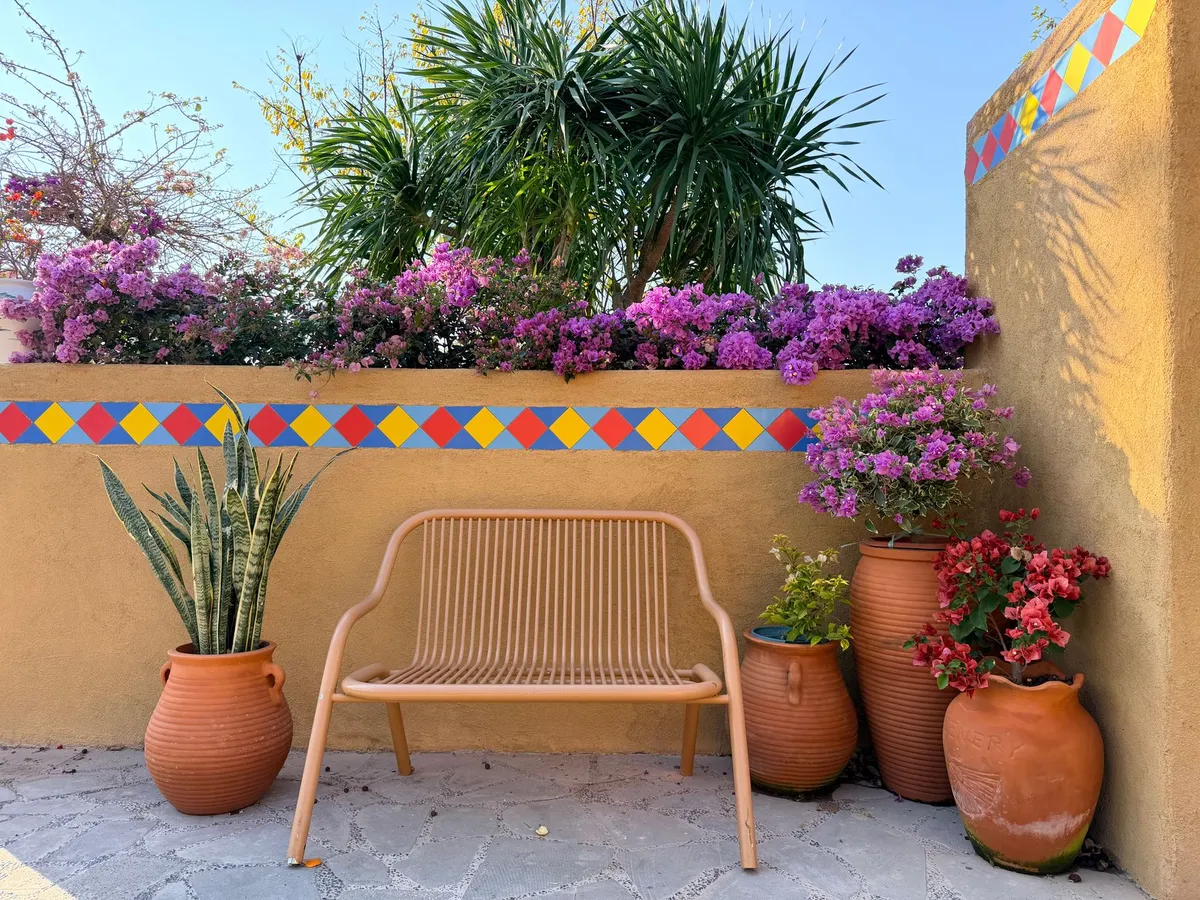
No Mediterranean interior is complete without ceramics: large amphora-style vessels on the floor, hand-painted plates arranged on walls, ceramic lamp bases, and terracotta planters. The tradition of local pottery runs deep throughout the Mediterranean basin, and bringing regional ceramics into American interiors is one of the most direct paths to the aesthetic's warmth.
Bringing Mediterranean Style In with AI
The Mediterranean aesthetic benefits enormously from visualization before commitment because its materials are distinctive and its effect depends heavily on how the palette reads in your specific room's natural light. A room with warm southern exposure will respond to terracotta and ochre differently than a north-facing room.
Upload your room photo to RoomRenovation.AI and apply Mediterranean style directions to see how the warm material palette interacts with your space before any purchases. Compare against Scandinavian and other styles to understand where Mediterranean design's warmth is most compelling in your context. The design dashboard offers the full range of style explorations in your actual room.
Room-by-Room Mediterranean Application
Living Room
Plaster or limewash walls, a wool or kilim rug, upholstered sofa in natural linen, wrought iron floor lamp, terracotta pots with olive tree or lemon tree (Meyer lemons are practical indoors). A carved wood coffee table with an iron base and a cluster of ceramic vessels. See living room design ideas for before/after inspiration.
Kitchen
The Mediterranean kitchen centers on a hand-painted tile backsplash in Talavera or artisanal patterns, stone or terracotta floor, dark wood or painted cabinetry in muted sage or natural white, and iron fixtures and hardware throughout. Open shelving displaying ceramic dishes and glass jar storage amplifies the artisanal quality. See kitchen renovation costs for full project budget context.
Bathroom
Moroccan zellige tile in a monochromatic blue or white-green combination, a stone vessel sink, hand-forged iron fixtures, and a carved wood mirror frame. Plaster or stone walls, a teak bath mat, and ceramic soap dispensers complete the look. See bathroom renovation costs for scope-specific estimates.
FAQ
What's the difference between Spanish, Italian, and Greek Mediterranean style? Spanish leans toward Moorish influence: intricate patterns, bold Talavera tile, darker carved wood, and warm orange-red tones. Italian reads more classically structured: travertine, aged plaster, formal proportion. Greek/coastal uses white and cobalt exclusively, maximizes light, and has almost no ornamentation. All three share the same material base but differ in color and pattern emphasis.
Is Mediterranean design expensive to achieve? The materials — terracotta, stone, hand-crafted ceramics — have cost variation from affordable to luxury. Terracotta pots, limewash paint, and a kilim rug can establish the aesthetic in a living room for $500–$1,500. A full kitchen renovation with stone floors and hand-painted tile is a more substantial investment; see kitchen renovation costs.
Does Mediterranean style work in cold-climate homes? Yes. The warmth of the material palette — terracotta, dark wood, warm plaster — is visually warming in a way that helps cold-climate interiors feel more embracing. The style compensates architecturally for what the climate doesn't provide.
Can I mix Mediterranean with other styles? Mediterranean elements work particularly well as grounding elements in bohemian interiors and as warming accents in transitional spaces. The terracotta-and-white combination specifically layers well with almost any warm-palette design direction.
How do I try Mediterranean style in my room before committing? Upload a photo to get a free AI render in a Mediterranean or warm style direction. Seeing the terracotta and plaster palette applied to your actual room with your light is the most accurate preview available without hiring a designer.