
Glam Interior Design: Hollywood Regency Sparkle and Shine
Glam interior design with mirrored furniture, velvet textures, metallic accents, and Hollywood Regency elegance. See the glamorous look come to life.
RoomRenovation.AI Team
Updated March 23, 2026
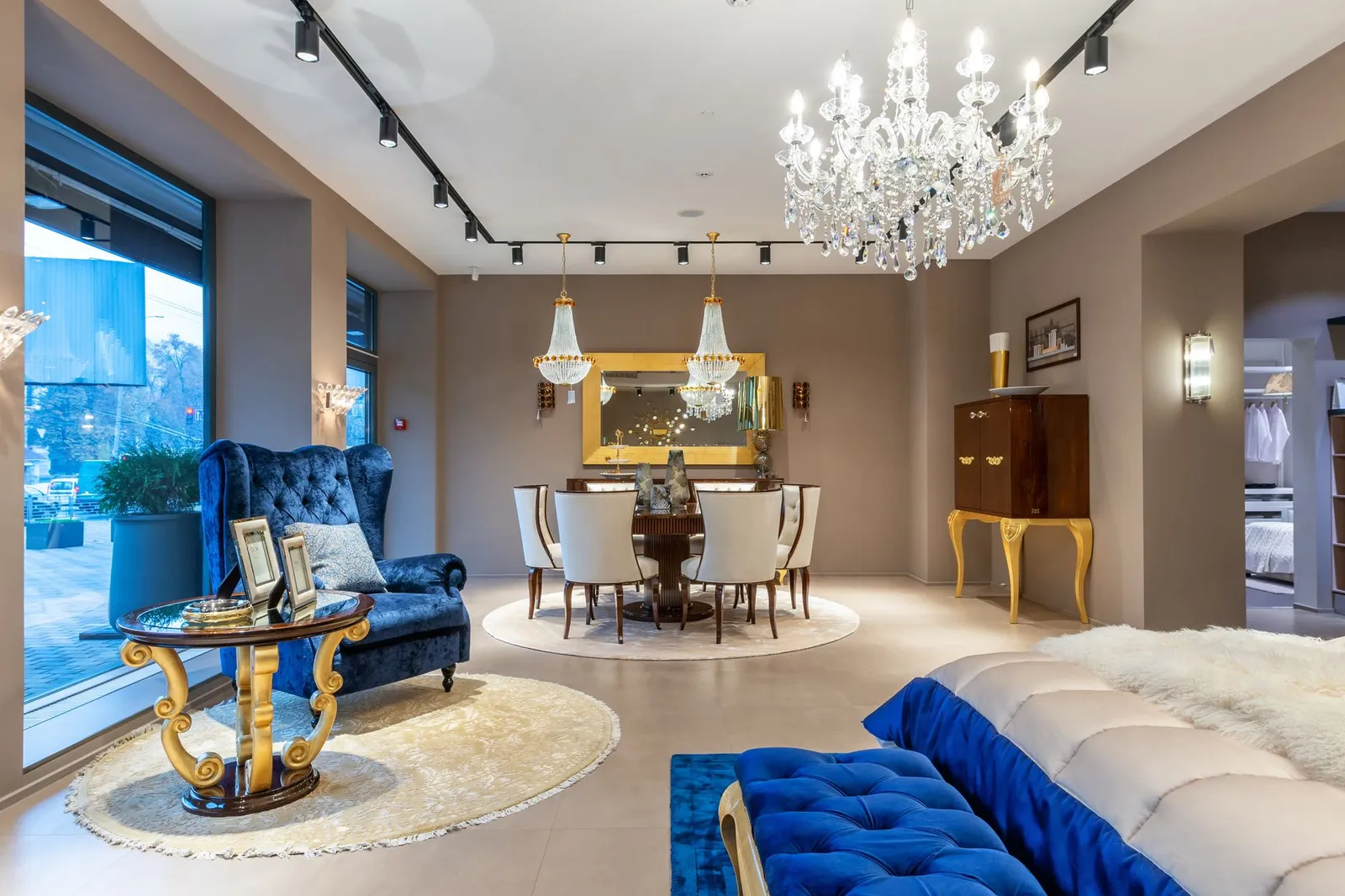
Glam interior design — rooted in the Hollywood Regency style of 1930s Los Angeles — is the art of making a room feel genuinely luxurious through layered surfaces, reflective materials, saturated color accents, and theatrical furniture profiles. It is not about excess for its own sake. At its best, glam design is disciplined and precise: every mirrored surface placed where it multiplies light, every velvet textile chosen to absorb the right amount of that light, every metallic accent hitting exactly the right note. This guide explains how to achieve the genuine article.
The History Behind Hollywood Regency Glamour
Hollywood Regency emerged from the mid-twentieth century film industry's need to create rooms that looked extraordinary on camera. Set decorator William Haines and decorator Dorothy Draper were the key figures who translated cinematic luxury into residential interiors: bold lacquered colors, mirrored furniture, zebra rugs, oversized floral prints, and gold leaf details — all designed to appear opulent and dramatic under strong directional light.
The contemporary glam interior draws from that same well, softened for how people actually live in their homes. Velvet is still central, but it's on a sofa you'll actually sit on. Mirrored furniture still bounces light, but it's paired with practical storage. Gold is still the dominant metal, but it coexists with warm neutrals rather than competing with equally loud surfaces.
The Color Palette: Neutral Foundation, Bold Accent
The most common mistake in glam interiors is saturating everything with jewel tones and metallics at once. Professional glam design works from a neutral foundation — white, ivory, pale gray, soft taupe — and introduces color through accent furniture, drapery, and accessories.
- Foundation: crisp white walls, pale gray or ivory rug, neutral upholstery on the largest seating pieces
- Color statements: one or two velvet pieces in deep emerald, sapphire, blush, or deep burgundy
- Metallics: gold is the dominant finish; silver/chrome as secondary; never mix gold with silver in the same room — pick one
- Accent colors: black used as a crisp graphic element (lamp bases, side table legs, picture frames) keeps glam rooms from reading as too soft
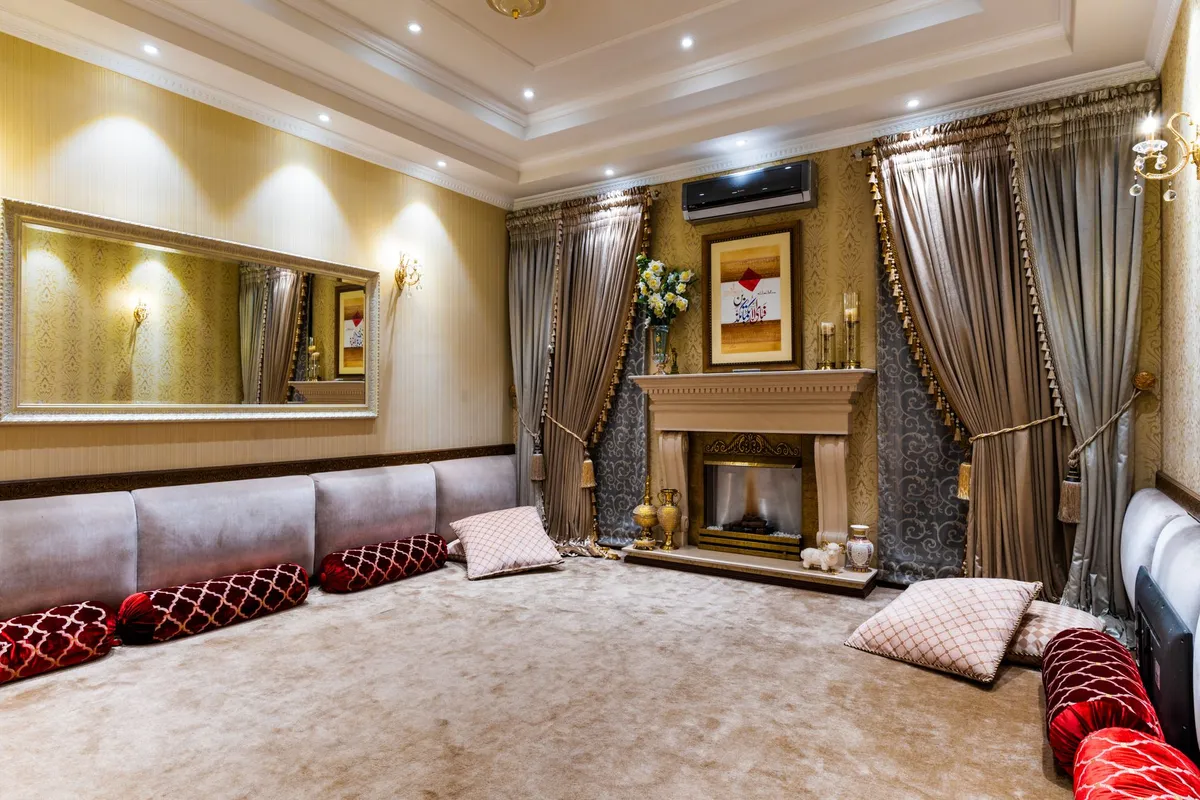
Velvet: The Defining Textile of Glam Design
Velvet is to glam interiors what linen is to coastal design — indispensable. The pile absorbs light in a way that creates visual depth and richness that no other fabric replicates. Key applications:
- Sofas and settees: a single tufted velvet sofa in deep emerald or dusty rose anchors a glam living room
- Accent chairs: upholstered barrel chairs or tub chairs in velvet create conversation areas
- Throw pillows: mix velvet with silk and metallic fabrics in coordinating colors
- Headboards: a tufted velvet headboard in blush or charcoal elevates a bedroom instantly
- Drapery: floor-length velvet drapery in a deep jewel tone adds theatrical height to any room
For durability in high-use rooms, look for performance velvet — crushed velvet or microvelvet blends that clean easily while maintaining the luxurious appearance.
Mirrored Furniture and Reflective Surfaces
Mirrors in glam interiors serve a structural purpose, not just a decorative one: they multiply whatever light exists in the room and create a sense of amplified space. The technique:
- Mirrored side tables and consoles: classic Hollywood Regency staples. Pair with a bold lamp for maximum effect.
- Mirrored cabinet fronts: wardrobe panels or bar cabinet doors in antiqued mirror glass
- Oversized wall mirrors: a large gilt-framed mirror as the dominant wall treatment, reflecting a key view or light source
- Mirrored trays: used to corral perfume bottles, candles, and decorative objects on dressers and coffee tables
Antiqued mirrors (with slight oxidation and texture) are more sophisticated than pristine mirror glass. They reflect without the clinical sharpness of new mirror, which can read as utilitarian rather than decorative.
Metallic Accents: Gold's Role in Glam Design
Gold is the canonical glam metal — warm, theatrical, and historically associated with luxury. In a contemporary interior:
- Light fixtures: gold chandelier, sconces, or pendant light as the room's most visible metallic statement
- Hardware: cabinet pulls, door handles, and drawer knobs in brushed or polished gold
- Furniture accents: gold-leg coffee tables, brass-accented side tables, gilded picture frames
- Accessories: gold candlestick holders, sculptural objects, decorative bowls
The key discipline: not everything needs to be gold. One or two substantial gold elements (a chandelier, a coffee table base) are more powerful than gold spread thinly across thirty items.
Statement Furniture Profiles
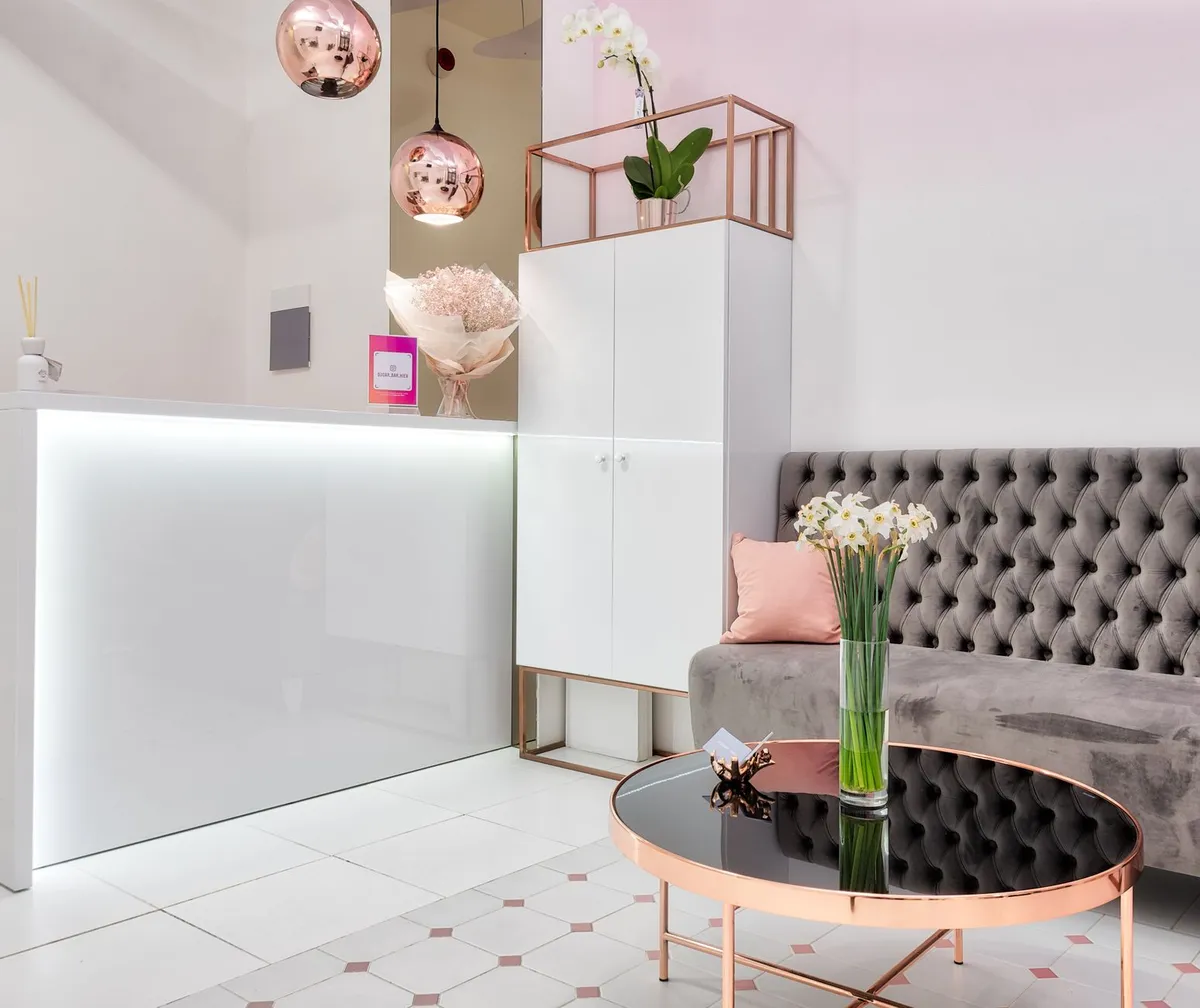
Glam furniture is characterized by curves and drama rather than right angles and restraint. Signature shapes:
- Tufted sofas and chairs: button or diamond tufting adds visual depth and historical reference
- Chaise longues: the quintessential glam piece; a velvet chaise in a bedroom or reading nook is irreplaceable
- Lacquered furniture: high-gloss lacquer in white, black, or jewel tones — credenzas, nightstands, console tables
- Sculptural lamp bases: geometric or organic sculptural bases in ceramic, crystal, or brass
- Faux fur throws: draped over chair arms or folded at the foot of a bed; adds tactile luxury without commitment
Pattern in Glam Interiors
Glam design is not pattern-adverse, but pattern should be bold and purposeful:
- Geometric patterns: Art Deco-adjacent diamond, herringbone, and chevron in metallic or high-contrast colorways
- Animal prints: leopard and zebra are classic Hollywood Regency patterns, best used as accents (rug, pillow, single chair) rather than room-dominating elements
- Florals: oversized, bold floral prints in rich colors on drapery or an accent wall
How to Visualize Glam in Your Space
Glam design requires careful calibration to your existing room's architecture, natural light, and scale. A mirrored console that looks perfect in a soaring-ceilinged room can overpower a small apartment. Before purchasing any major pieces, see what the style looks like in your actual space by generating a render at RoomRenovation.AI. The tool shows exactly how the combination of velvet, metallics, and reflective surfaces will read in rooms with your specific proportions and light conditions.
Explore our full style library, or read about related approaches like Modern Minimalist if you want the luxury quality of glam with cleaner lines and fewer ornamental elements.
Common Glam Design Mistakes
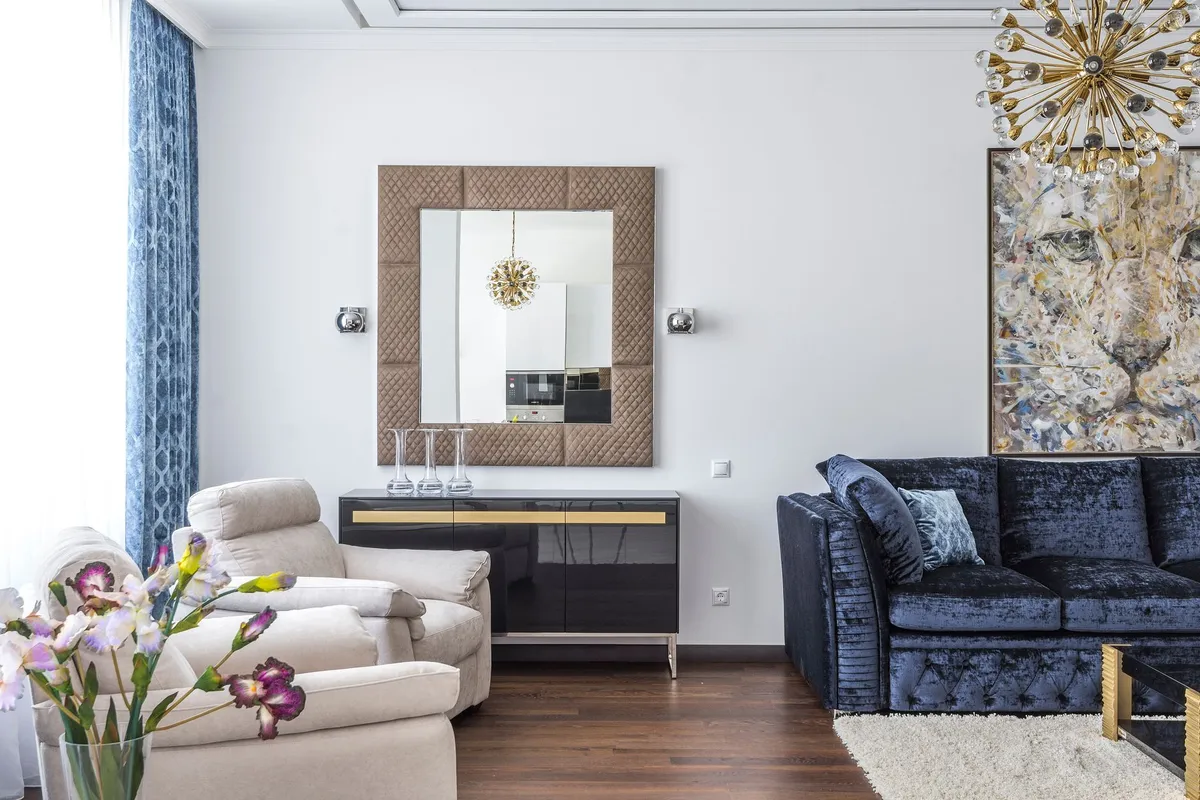
- Over-mirroring: Mirrors on multiple walls create a funhouse effect. One statement mirror per room, maximum two.
- Mixing metallics: Gold and silver together fragment the room's coherence. Choose one and commit.
- Going too dark: All-jewel-tone walls with dark furniture and heavy drapery make rooms feel heavy rather than glamorous. Glam needs light to function.
- Skipping contrast: Without crisp white or black as counterpoints, all the velvet and gold melts together into visual mud.
FAQ
Can glam design work in a small apartment? Yes, and it can actually enhance smaller spaces. Mirrored furniture expands the visual field, light-colored foundations prevent darkness, and a few targeted statement pieces create luxury impact without requiring large square footage.
What is the difference between glam and Hollywood Regency design? Hollywood Regency is the historical movement (1930s–1960s); contemporary glam design draws from it. Hollywood Regency tends to be bolder and more theatrical; glam today usually incorporates some restraint and modernization while retaining the core elements of velvet, gold, mirrors, and jewel tones.
How do I prevent glam design from looking cheap? Material quality is critical. Velvet must have substance and pile density; mirrors should be framed well; metals should be actual metal finishes rather than painted plastic. Prioritize one or two genuine quality pieces over many inexpensive imitations.
What room is best for glam interior design? Bedrooms and living rooms are where glam performs best — they have the space for statement furniture and the lighting conditions that make reflective surfaces sing. Bathrooms with mirrored vanities and sconces can also carry the style beautifully.