
Art-Influenced Interior Design: Building Rooms Around Masterpieces
Art-influenced interior design using famous artworks as the starting point for entire room palettes, furniture, and moods. From Monet to Mondrian.
RoomRenovation.AI Team
Updated March 24, 2026
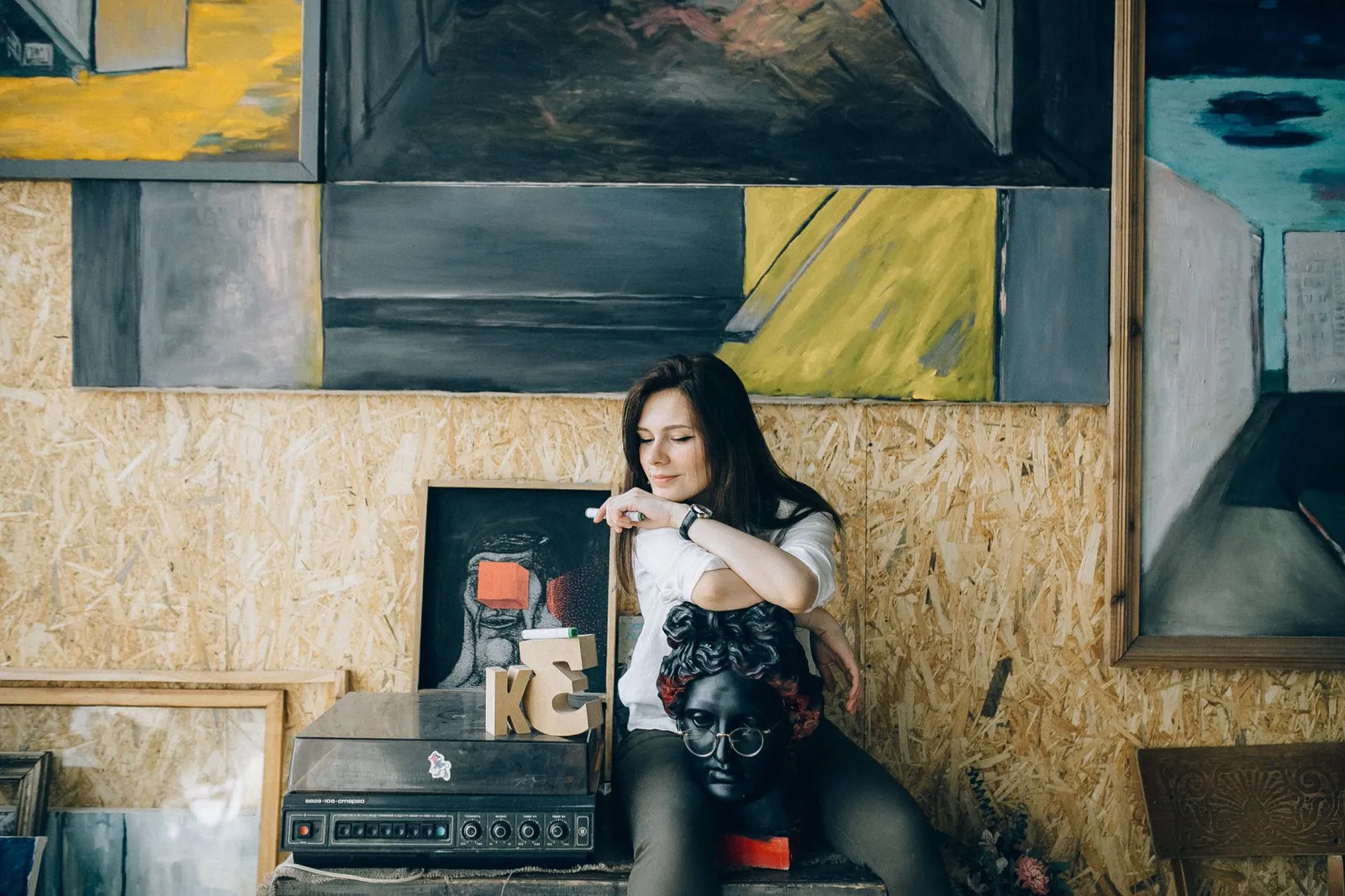
Art-influenced interior design — building a room's color palette, material choices, and atmosphere around a specific artwork or artistic movement — produces some of the most cohesive, emotionally resonant spaces in residential design. When a room is conceived as an extension of a painting rather than a container for furniture, the result has a quality of intentionality that eclectically assembled spaces rarely achieve. This guide walks through how to extract design direction from artworks ranging from Impressionist masters to contemporary prints, and how AI visualization helps you test those interpretations before buying anything.
The Core Principle: Art as Starting Point, Not Afterthought
In conventional interior design, art comes last — the room is furnished and finished, then artwork is purchased to fill the walls. Art-influenced design inverts this entirely. The artwork — whether it's a piece you own, one you aspire to own, or simply a painting whose palette and mood resonates with you — becomes the design brief. Every subsequent choice is evaluated against that source: does this paint color exist in the painting? Does this fabric pattern share the painting's energy? Does this light quality match the feeling of standing in front of the original work?
The result isn't a literal recreation of the artwork — a Monet-influenced room shouldn't look like you live inside a painting. It's a translation: the feeling, palette, and emotional register of the work expressed in three-dimensional space through materials, light, and form.
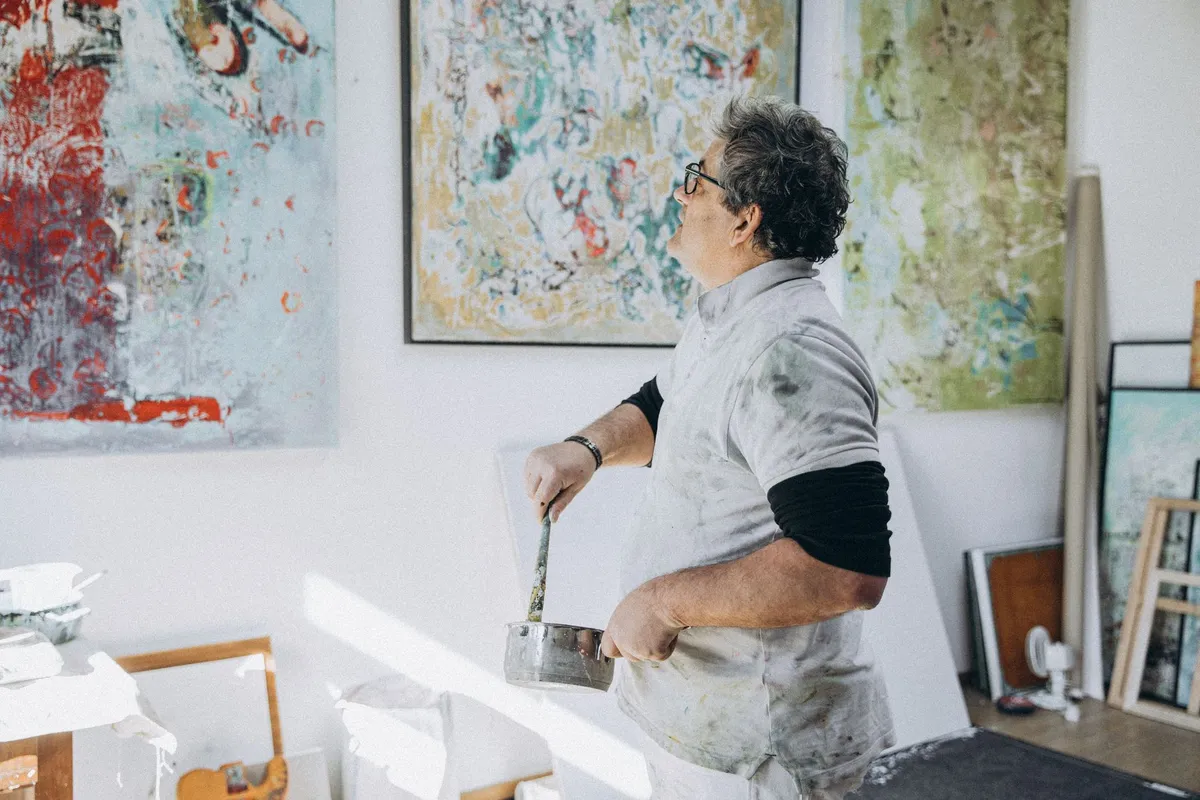
Extracting Design Direction from Specific Artworks
Impressionism: Monet, Renoir, Pissarro
Impressionist paintings offer some of the most livable color palettes in art history — light-saturated, warm, painterly in the best sense. Monet's water lily series suggests rooms built on shifting blues and greens, with surfaces that catch and diffuse light the way water does: aged mirror, silk, polished plaster. The palette runs from celadon and water-green through lavender-grey and cream, punctuated with the warm rose and cadmium of lily pads and blossoms.
An Impressionist-influenced living room might use: walls in a pale, slightly grey blue-green (Farrow & Ball Mizzle or Blue Ground come close), linen sofas in warm cream, a silk or silk-look area rug in a faded floral, and curtains in sheer pale pink or lavender. Lighting should be warm and layered — the Impressionists were obsessed with natural light, so maximize window coverage and avoid harsh overhead fixtures. The effect is dreamy and sophisticated without feeling period or fussy.
De Stijl: Mondrian's Primary Architecture
Mondrian's grid-based primary color work — black lines dividing rectangles of red, blue, yellow, and white — translates into interior design through careful restraint. The temptation is to directly replicate the painting on a wall, which is a design mistake. Instead, extract the underlying principle: rigorous geometry, primary colors as accents against white and black, absolute clarity of line.
A Mondrian-influenced room uses a white base with black architectural elements (window frames, shelving, stair railing), then introduces primary colors in deliberate, limited quantities: one red chair, one yellow cushion, one blue ceramic object on a white shelf. The room feels modern and energetic without being aggressive. This approach works particularly well in architectural spaces with clean geometry — the boxy forms of mid-century or contemporary construction. Visualize different color placements with AI tools before committing to where the red chair or blue accent wall belongs in your specific room.
Baroque Drama: Caravaggio, Rembrandt
The chiaroscuro masters — Caravaggio, Rembrandt, Vermeer — painted rooms that feel simultaneously theatrical and intimate. The design principle extracted from their work is radical contrast: deeply saturated, dark backgrounds from which figures and objects emerge in concentrated light. This translates directly into interior design as the dark-painted room approach that has dominated high-end residential design for the past decade.
Deep olive green, dark charcoal, burgundy, or near-black walls paired with warm, concentrated lighting (pendant fixtures, table lamps with warm-toned bulbs, sconces) create the Caravaggio effect in a contemporary living room. Furniture in leather, velvet, or aged fabrics — warm camel, deep rust, faded mustard — emerges from the dark walls as painted figures emerge from darkness. One or two well-chosen metallic elements (aged brass, dark bronze) provide the highlights that complete the lighting analogy.
Japanese Woodblock: Hokusai, Hiroshige
Hokusai's Great Wave and the ukiyo-e tradition more broadly suggest interior design grounded in deep navy blue, white, and the spare color palette of the woodblock medium. The aesthetic connects naturally with Japandi — the Japanese-Scandinavian hybrid that has dominated sophisticated interior design circles in the 2020s. Clean forms, natural materials, extreme restraint in decoration, deep blue as the only saturated note against a field of warm wood, white, and natural textures.
A Hokusai-influenced bedroom: natural linen bedding, low bed frame in light oak or walnut, walls in warm white with a single feature wall in deep indigo or slate blue, one ceramic piece in the ukiyo-e tradition on an oak shelf, a simple bamboo or rattan floor lamp. The effect is deeply calm and contemplative — ideal for sleeping spaces.

Building a Room Around Art You Already Own
The most personal version of art-influenced design starts with artwork you already own or deeply connect to. The process:
- Identify the three to five dominant colors in the work, including background tones that might read as neutral
- Determine the painting's emotional register: Is it energetic or calm? Intimate or expansive? Warm or cool?
- Assign colors to surfaces: The lightest colors in the work to the largest surfaces (walls, floor), the most saturated to medium surfaces (upholstery, large textiles), and the most intense or dark to small accents
- Match the material quality: An Impressionist painting calls for soft, organic materials; a Mondrian adaptation calls for clean, geometric forms; a Baroque piece calls for rich, weighted textiles
- Test with AI visualization: Upload your room photo and explore how the extracted palette translates into your actual space
The Role of the Dominant Color vs. the Accent Color
Most artworks contain a color hierarchy: the dominant tone that occupies the most visual space, the secondary tone that provides the key contrast, and accent colors that provide interest and vitality. Mapping this hierarchy onto interior surfaces produces rooms that feel internally consistent in the way great paintings do.
The common mistake is treating all colors in the artwork as equally important in the room. In Vermeer's Girl with a Pearl Earring, the deep teal background is dominant; the golden-brown skin tones are secondary; the pearl is the accent. A room built on this hierarchy would use teal as the wall color, warm cream or honey tones in furniture and wood elements, and pearl or ivory as a small but critical accent. Invert these proportions and the room becomes chaotic. The RoomRenovation.ai visualization tool lets you test different color proportions on your actual room photo to confirm the hierarchy works before ordering any paint.
Art-Influenced Design for Different Rooms
Some rooms are better suited to art-influenced design than others. Living rooms and dining rooms benefit most — they're the spaces where design intention is experienced most consciously and where a sophisticated palette has the biggest impact on how guests experience the home. Bedrooms benefit from calmer artistic influences (Impressionist, Japanese woodblock, quieter abstract works) rather than dramatic ones. Kitchens and bathrooms, where function dominates, typically accommodate art influence through accessories and finishes rather than wall color.
Wherever you apply it, the key is commitment. Half-hearted art-influenced design — one color from the painting used tentatively alongside unrelated other choices — looks random rather than intentional. The power comes from following the palette's logic consistently. See the transformation examples on RoomRenovation.ai for rooms where this approach has been applied with full commitment.

FAQ
Do I need to own the artwork I'm designing around? No. Designing around a painting you love — using museum-quality reproductions, prints, or simply the painting's palette as your reference point — is entirely valid. The artwork becomes the design source whether or not you own the original.
Can modern abstract art work as a design source? Absolutely. Abstract works by Mark Rothko, Helen Frankenthaler, or contemporary abstract painters often provide particularly clean palette extractions because color is the primary content of the work. Rothko's color field paintings, for instance, translate directly into two-tone room treatments that feel sophisticated and meditative.
What if I love a painting but its colors don't suit my room's light? This is where AI visualization is invaluable — you can see how the extracted palette reads in your specific room with its specific light orientation before committing. North-facing rooms with cool light may need warmer, more saturated versions of the artwork's colors to achieve the same effect.
How closely should the room match the artwork's colors? The best art-influenced rooms feel like translations, not reproductions. The colors should be related — clearly derived from the same source — but adjusted for scale. What works as a focal accent in a painting may need to be lighter or more muted when applied across an entire wall.
Where should I hang the source artwork in an art-influenced room? Center it — make it visible and prominent, because it's the conceptual anchor of the entire space. A room designed around a painting that's then relegated to a corner loses the internal logic that makes the design work. The artwork should feel like it belongs exactly where it is: the room was built around it.